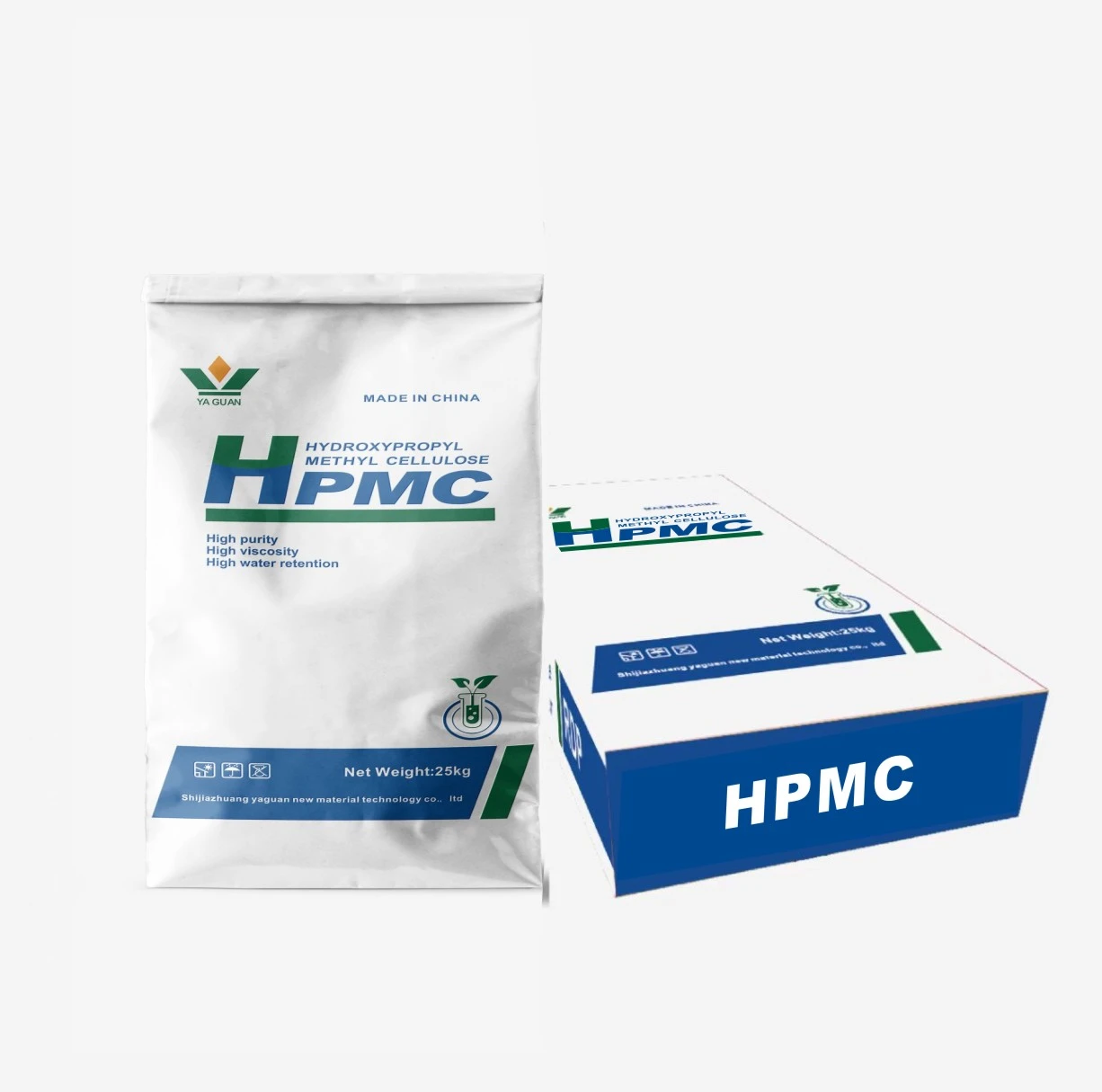

Understanding HPMC Polymer Uses: Why It Matters Globally
Hydroxypropyl methylcellulose (HPMC) is one of those materials you might not notice in everyday life, but it quietly supports countless industries around the world. If you’ve ever wondered how a polymer like HPMC fits into modern manufacturing, construction, or even humanitarian aid, this article offers a clear lens on its significance. Globally, the demand for versatile, environmentally friendly polymers like HPMC grows as industries seek sustainability paired with performance. Knowing the hpmc polymer uses not only tunes you into a vital piece of industrial innovation but also underscores how a simple compound helps solve big challenges—from building comfort housing to enhancing pharmaceuticals.
Global Context: Why HPMC Polymer Uses Are Key Today
Before diving into what HPMC is, here’s a perspective: according to ISO standards and UN industrial reports, the polymer sector is now facing pressure to produce multifunctional, safe, and sustainable materials. The rise in global urbanization means more construction materials must be eco-friendlier yet resilient—something traditional polymers struggle to balance. At the same time, humanitarian agencies repeatedly emphasize durability and safety for post-disaster shelters, where fast yet reliable materials are needed.
HPMC’s hpmc polymer uses come right into play here, meeting industrial scalability and environmental needs. For instance, in Asia and Africa, construction sectors report increased adoption of cellulose-based polymers to replace harmful additives.
Facing the Challenge: Material sustainability meets practical demands
Globally, more manufacturers must contend with both supply chain hurdles and environmental regulations prompting greener chemistry solutions. HPMC polymer offers a route to reduce synthetic additives, lower toxicity, and enhance product life-cycles without sacrificing quality.
Defining HPMC Polymer Uses in Simple Terms
So, what is HPMC polymer? Essentially, it’s a cellulose derivative polymer made by chemically modifying natural cellulose from wood pulp or cotton fibers. It’s a non-toxic, odorless, and biodegradable substance used mainly for its water retention, thickening, and film-forming properties.
In practical terms, this versatility lends itself to applications ranging from:
- Pharmaceutical coatings
- Construction mortar admixtures
- Food additives and clarifiers
- Personal care products
Since it’s safe and biodegradable, HPMC polymer's role extends beyond industry into humanitarian and environmental fields—think safe shelter facades or water-resistant yet breathable packaging.
Core Factors Defining HPMC Polymer Performance
1. Water Retention and Thickening
One of the prime reasons for HPMC’s widespread use is its exceptional water retention ability. In building materials, this means mortars and plasters stay workable longer and cure properly—even in dry conditions. For food and cosmetics, it adds desirable texture and consistency.
2. Biodegradability and Safety
HPMC’s origin from cellulose makes it biodegradable and generally recognized as safe (GRAS). Many engineers and chemists praise it as a sustainable alternative to synthetic polymers, especially in healthcare and packaging.
3. Thermal Stability
Though not heatproof, HPMC withstands moderate temperatures, making it highly suitable for industries requiring stable polymers under fluctuating conditions—such as controlled release drug capsules.
4. Film Forming Capacity
This property allows HPMC to act as a binder or protective layer in paints, coating applications, and even as a capsule casing in pharmaceuticals.
5. Compatibility and Scalability
Since HPMC blends well with other compounds without chemical reactions, it’s favored in formulations requiring stable mixtures across industries—from construction to personal care. It’s also scalable, so suppliers can meet large industrial demands.
Real-World Applications of HPMC Polymers
Where do we actually see hpmc polymer uses at work? Quite literally, in diverse sectors around the globe:
- Construction: Used extensively as an additive in plaster, cement, and tile adhesives for consistent water retention and workability.
- Pharmaceutical industry: HPMC acts as a film former and controlled release agent in tablets and capsules.
- Food industry: As a thickening and stabilizing agent, it enhances gluten-free or low-fat food products.
- Humanitarian aid: NGOs use HPMC-containing materials to fabricate fast-drying, breathable protective shelters in disaster zones.
- Cosmetics: Incorporated in creams and lotions for moisture retention and texture.
For example, in recent natural disaster zones in Southeast Asia, aid organizations chose HPMC-based plaster for rapid housing repairs due to its ease of use and environmental friendliness—protecting vulnerable communities faster and safer.
Advantages & Long-Term Benefits of HPMC Polymer
- Cost efficiency: Although initially pricier than some synthetic polymers, HPMC reduces waste and rework, saving money long-term.
- Sustainability: Its biodegradability cuts plastic pollution and aids compliance with environmental regulations.
- Safety: Non-toxic and hypoallergenic, it’s trusted in products directly impacting human health.
- Reliability and consistency: Provides superior product quality due to stable performance.
- Social impact: Enables innovation in affordable housing and medicines, improving lives globally.
Frankly, it feels like HPMC is one of those overlooked heroes making modern living safer and kinder while quietly fostering greener industry practices.
Future Trends & Innovations in HPMC Polymer Uses
Looking ahead, a few exciting trends are shaping the future of HPMC polymers:
- Green sourcing: More manufacturers are focusing on sustainably harvested cellulose to produce “greener” HPMC variants.
- Nanotechnology integration: Researchers are exploring nano-enhanced HPMC composites offering superior mechanical strength and bioactivity.
- Digitally driven R&D: AI models help optimize polymer formulations, reducing trial-and-error cycles.
- Cross-industry innovations: Expect HPMC to appear in advanced bio-packaging, smart coatings, and even in 3D printing materials for construction.
Challenges & How Industry Is Tackling Them
Of course, HPMC use is not without its quirks. It can be sensitive to changes in pH and temperature outside normal ranges, and production depends on cellulose supply chains vulnerable to market shifts. Then there’s processing complexity—some formulations require expert handling to reach full potential.
Yet, industry leaders overcome these by improving stabilization methods, diversifying raw material sources, and collaborating closely with specialized manufacturers to enhance polymer performance. A bit of trial and innovation go a long way here.
Product Specification Table
| Property | Value / Range | Remarks |
|---|---|---|
| Viscosity (mPa·s) | 10,000 – 100,000 | Adjustable by molecular weight |
| Degree of substitution (DS) | 1.4 – 1.8 | Controls solubility, film strength |
| Water retention capacity | >95% | Key for construction applications |
| Thermal stability (°C) | Best below melting point | |
| pH Stability range | 4 – 12 | Outside this range degradation may occur |
Vendor Comparison Table
| Vendor | Product Grade | Typical Use | Price Range (USD/kg) | Lead Time |
|---|---|---|---|---|
| Yaguan Chemicals | Standard Construction Grade | Mortar, plaster additives | 1.50 – 2.00 | 2 weeks |
| CelluTech Industries | Pharma Grade High Viscosity | Pharmaceutical coatings | 2.80 – 3.20 | 3 weeks |
| GreenPoly Solutions | Eco-Friendly Blend | Cosmetics & Food | 2.20 – 2.70 | 1 week |
Frequently Asked Questions About HPMC Polymer Uses
- Q: What are the main benefits of using HPMC polymer in construction?
- A: HPMC polymers improve water retention in mortars and plasters, increasing workability time and curing quality. This ensures stronger, more durable structures, especially in dry or hot climates, reducing cracks and material waste.
- Q: Can HPMC polymer be used in pharmaceutical drug formulations?
- A: Absolutely. HPMC is widely used as an inert film-former in tablets and capsules. It controls drug release rates and provides protective coatings that are non-toxic and safe for ingestion.
- Q: Is HPMC environmentally friendly compared to synthetic polymers?
- A: Yes, since HPMC is derived from cellulose and is biodegradable, it offers a greener alternative to many oil-based synthetic polymers, helping reduce plastic pollution and supporting sustainable development goals.
- Q: How can international NGOs access HPMC-based materials for disaster relief?
- A: NGOs often partner with specialized chemical suppliers like Yaguan HPMC who provide tailored solutions and streamlined logistics to meet urgent on-ground demands globally.
- Q: Are there any limitations on using HPMC in extreme environments?
- A: While HPMC offers good thermal and pH stability, extreme heat beyond 120°C or highly acidic/basic conditions can degrade it. Formulation adjustments or complementary materials are recommended in such cases.
Conclusion: Why Investing in HPMC Polymer Uses Will Matter Long-Term
As industries and societies evolve, the materials we choose to build, heal, and sustain life need to reflect both innovation and responsibility. HPMC polymer uses span from essential building blocks in construction to delicate coatings in medicine—all while pushing for greener and safer standards.
If you’re considering materials that balance environmental impact with performance, understanding HPMC’s capabilities and trends is a smart move. For businesses or organizations wanting reliable, cost-effective, and sustainable polymer solutions, it’s worth exploring providers like Yaguan HPMC to get ahead of the curve.
After all, when a simple polymer makes so many things possible—safer housing, better medicines, cleaner industries—it feels less like chemistry and more like progress.