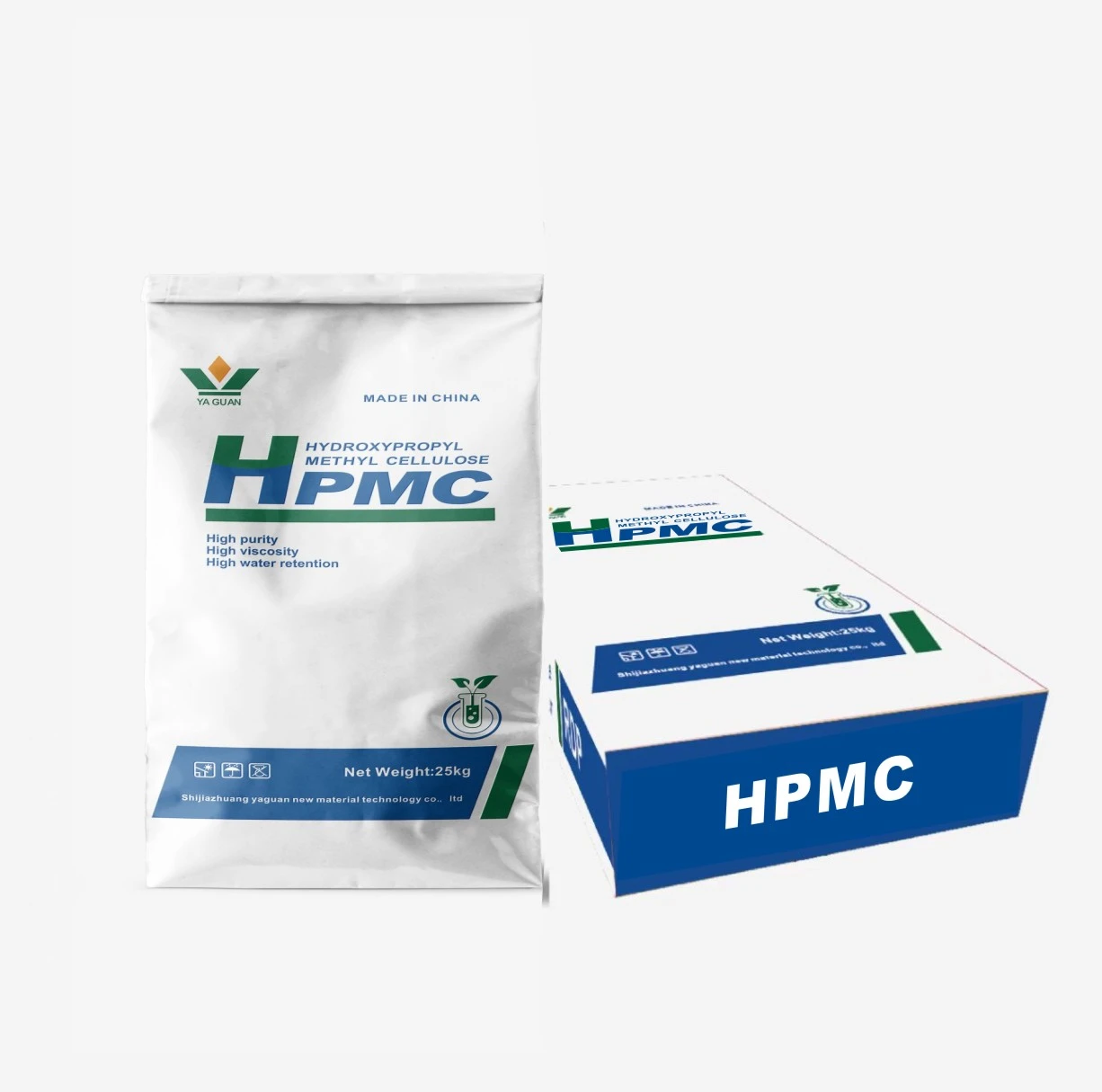

Understanding HPMC Use: A Crucial Component in Modern Industry and Relief Efforts
Hydroxypropyl Methylcellulose — or HPMC — might sound like a bit of a mouthful, but its use touches many sectors worldwide. At its heart, HPMC is a versatile chemical additive that lends stability, durability, and texture-enhancing properties in everything from pharmaceuticals to building materials. Given its global relevance in industries such as construction, food, and healthcare, understanding HPMC use is not just technical jargon; it's about appreciating how materials science keeps innovations sturdy, affordable, and sustainable around the world. Plus, with climate change and infrastructure challenges rising, HPMC helps solve real problems for people needing safer buildings or reliable medicines.
In this article, we’ll break down what HPMC is, why it matters globally, and explore where it’s heading next — with some practical insights to keep it all grounded.
Why HPMC Use Matters Globally
Globally, industries rely on additives like HPMC to meet evolving demands for performance and sustainability. For instance, according to the International Organization for Standardization (ISO), as construction standards tighten worldwide, materials that enhance durability without raising costs are essential. Meanwhile, the United Nations’ focus on sustainable development goals highlights the need for accessible, eco-friendly industrial inputs.
HPMC use tackles challenges such as improving the shelf life of medical tablets, making drywall compounds more workable, and even thickening food products without introducing harmful chemicals. Frankly, as global supply chains get more complex and clients expect green solutions, the demand for HPMC keeps rising — roughly 5-7% annual growth in demand globally, according to industry reports. That’s no small feat for a chemical polymer derived originally from cellulose.
Mini Takeaway: HPMC is not just a niche chemical; it’s a key enabler for industries aiming to be efficient, sustainable, and cost-effective worldwide.
What Exactly Is HPMC? A Simple Definition
Put plainly: HPMC or Hydroxypropyl Methylcellulose is a synthetic, chemically modified cellulose derivative that’s widely used as a thickener, binder, film former, and stabilizer. Its roots lie in natural cellulose, but chemical treatments tweak its water solubility and rheological properties (in simpler terms, how it flows and sticks), making it incredibly versatile.
Industrially, this means HPMC finds its way into many products, such as:
- Construction materials like plasters, tile adhesives, and cement-based products for improved workability.
- Pharmaceutical tablets and capsules as a binder and controlled-release agent.
- Cosmetics and food as a thickening or suspending agent — think toothpaste or gluten-free breads.
hpmc use is more than a technical curiosity — it’s an everyday helper behind the scenes, keeping products reliable and consistent.
How does this connect with humanitarian efforts?
In contexts where reliable construction materials or medical supplies are scarce, knowing and utilizing HPMC can empower quicker rebuilding and safer medicine distribution — a subtle but powerful way to impact lives positively.
Key Aspects That Define HPMC Use in Practice
1. Durability and Workability
Many engineers talk about how HPMC improves the workability of dry mix materials — making cement or plaster smoother and less prone to cracking. This means buildings can last longer, especially in harsh climates.
2. Cost Efficiency
Since HPMC is used in small amounts to vastly improve material qualities, projects save money by reducing waste and ensuring a safer final product. This efficiency trickles down to consumers, often lowering prices for essential goods.
3. Safety and Non-Toxicity
Being derived from cellulose, HPMC is non-toxic and biodegradable, a big plus over synthetic polymers that may cause environmental or health concerns.
4. Versatility Across Industries
Whether you’re in pharma, construction, or food processing, HPMC adapts its properties to your needs — hydrating when it needs to, forming films where necessary.
5. Scalability for Mass Production
Manufacturers can scale production of HPMC easily, keeping up with demand spikes during crises like natural disasters, which require rapid deployment of durable materials.
Mini Takeaway: HPMC is a flexible, cost-effective ingredient that boosts performance and safety across sectors — no wonder it’s a go-to for so many industries.
Global Applications of HPMC: Real-World Impact
In real terms, you’ll find HPMC all over the map — from Asia’s booming construction industry to relief organizations in Africa. For example:
- Post-disaster relief operations: NGOs use HPMC-enhanced plasters and binders because they set reliable, are easy to transport, and don’t spoil quickly.
- Remote industrial zones: Mining or oil sectors rely on HPMC in drilling mud formulations to optimize flow and prevent equipment wear.
- Pharmaceutical companies worldwide: Use HPMC as an excipient to improve tablet disintegration and dosage accuracy.
Oddly enough, despite its chemistry-heavy name, many end-users don’t realize HPMC is behind their favorite products. So, mention it next time a smoother plaster or longer-lasting tablet impresses you!
Advantages & Long-Term Value
Using HPMC brings multiple clear benefits:
- Sustainability: It’s plant-derived and biodegradable, making it a greener choice amid rising environmental concerns.
- Reliability: It enhances durability, reducing maintenance and long-term costs, which is crucial for infrastructure in vulnerable regions.
- Social impact: Better materials mean safer housing, medicines, and food — which translate directly to improved quality of life.
- Innovation: As industries seek novel solutions, HPMC acts as a foundation for new product formulations and greener alternatives.
Emotionally, think of the trust communities place in supplies that don’t fail under pressure. HPMC quietly earns that trust every day.
Future Trends & Innovations in HPMC Use
Looking ahead, the intersection of hpmc use with green chemistry and digital tech is pretty exciting:
- Eco-friendlier production: Researchers are developing ways to make HPMC from alternative biomass sources to reduce footprint even more.
- Smart materials: Combining HPMC with nanoscale additives could lead to self-healing building materials or better drug delivery systems.
- Automation: Integration into automated batching and mixing systems can improve consistency, reducing human error on construction sites.
These trends suggest we’re not just stuck with HPMC as-is but constantly evolving it to solve tomorrow’s challenges.
Challenges & Solutions with Current HPMC Practices
Of course, no material is perfect. Some challenges include:
- Moisture sensitivity: HPMC can absorb water, complicating storage and shelf life if not handled properly.
- Cost fluctuations: Raw material prices and supply chain disruptions can impact affordability.
- Technical know-how: Proper formulation requires experienced technicians for best results.
Industry experts recommend:
- Improved packaging and climate-controlled storage.
- Local production to reduce dependency on imports.
- Training programs to build capacity in handling and formulation.
FAQ: Frequently Asked Questions About HPMC Use
- Q1: What industries benefit most from HPMC use?
- A1: Primarily construction, pharmaceuticals, food, and cosmetics industries, due to its thickening and stabilizing properties. Each sector leverages these attributes to improve product performance and user safety.
- Q2: How does HPMC improve plaster workability?
- A2: HPMC adds viscosity and water retention, preventing drying too quickly and cracking during curing, resulting in smoother application and stronger final surfaces.
- Q3: Is HPMC environmentally safe?
- A3: Yes. It is biodegradable and derived from cellulose, a renewable resource. This makes it preferable over many synthetic, non-degrading polymers.
- Q4: Can HPMC be used in emergency housing construction?
- A4: Absolutely. Its stabilizing qualities help produce quick-setting mortars and plasters that are favored in rapid construction or repair scenarios during disaster relief.
- Q5: How do I source quality HPMC internationally?
- A5: Look for manufacturers that comply with international standards like ISO, have transparent quality certifications, and offer local distributor support to ensure consistent supply.
Product Specification Table: Typical HPMC Grades and Applications
| Grade | Viscosity (mPa·s) | Primary Use | Solubility |
|---|---|---|---|
| HPMC-15 | 15,000 | Tile adhesive, plaster | Cold water |
| HPMC-50 | 50,000 | Pharma tablets binder | Hot & cold water |
| HPMC-100 | 100,000 | High-end cosmetic creams | Cold water |
Vendor Comparison Table: Leading HPMC Manufacturers
| Vendor | Product Range | Quality Certifications | Global Reach | Average Price (per kg) |
|---|---|---|---|---|
| Yaguan HPMC | Wide (15k-100k viscosities) | ISO 9001, ISO 14001 | Asia, Europe, Americas | $15 |
| Dow Chemical | Broad, including specialty | ISO, FDA compliant | Global | $18 |
| Ashland Inc. | Medium range | ISO certified | Americas, Europe | $16 |
Conclusion: The Quiet Power of HPMC Use
To wrap things up, the use of HPMC might not be headline news, but it quietly empowers whole industries and humanitarian efforts alike. By enhancing materials' durability, sustainability, and safety—and by adapting to the latest tech and green trends—HPMC remains an indispensable, if unassuming, hero behind many products and projects worldwide.
If you want to explore how hpmc use can serve your business or projects, drop by our website for detailed info, samples, and expert advice. The future’s looking solid—literally—thanks in part to this understated cellulose derivative.