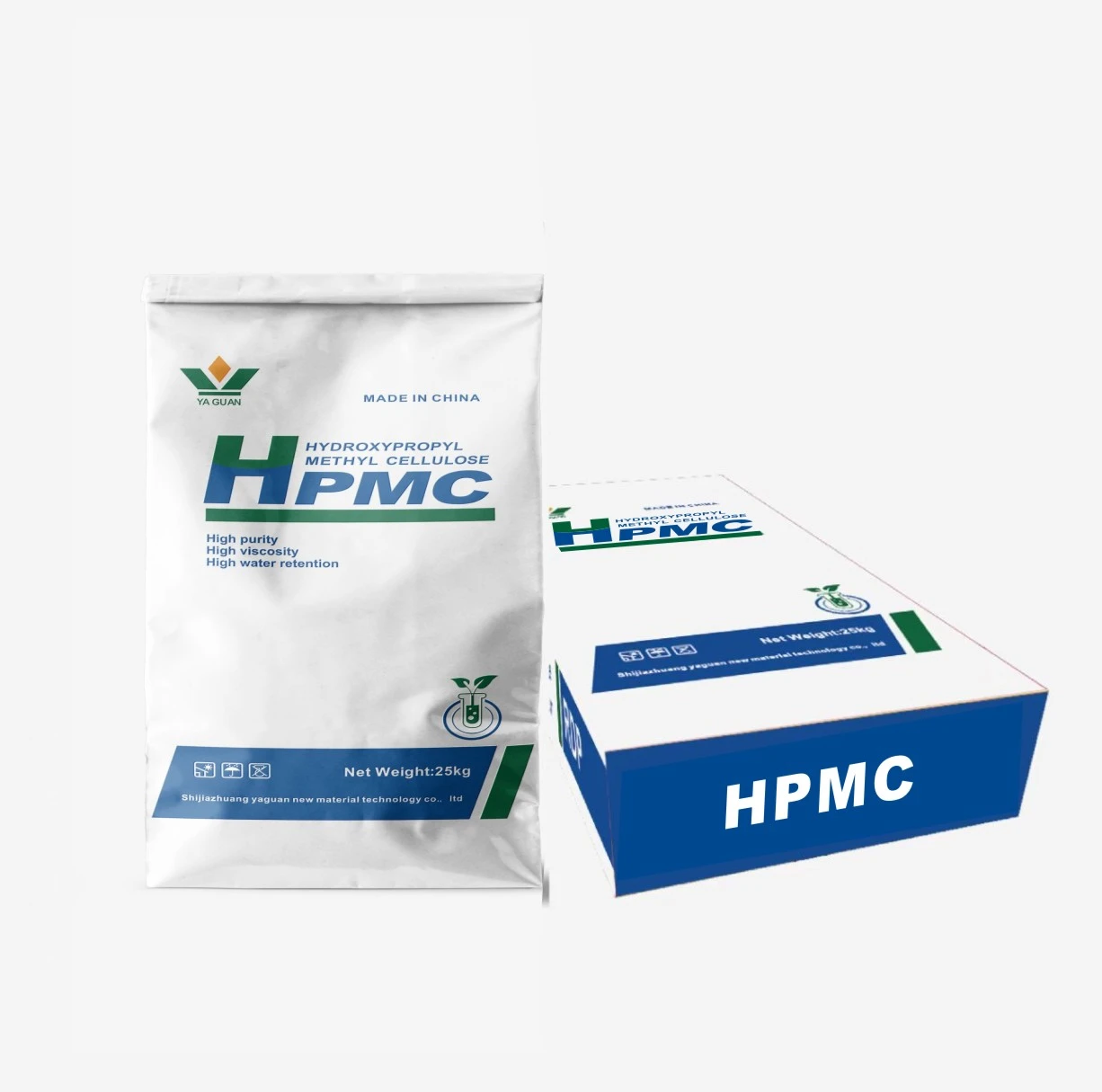
Unlocking the Potential: Understanding the Uses of HPMC
If you've ever wondered what makes certain construction materials, food products, or pharmaceuticals tick behind the scenes, chances are Hydroxypropyl Methylcellulose (HPMC) plays a quiet but pivotal role. Its versatility and adaptable nature position it as a global industrial staple, quietly enabling processes and products we often take for granted. Exploring the uses of HPMC isn’t just about chemistry jargon—it’s about understanding a material that touches billions of lives daily.
Why should we care? Globally, HPMC is a champion for improving product safety, durability, and sustainability. Industries ranging from construction to cosmetics lean on it not just for functionality but also for meeting environmental and regulatory standards. And considering that the global cellulose ether market was valued at over USD 3 billion recently (according to ISO standards and market reports), HPMC's importance is anything but niche. Still, a challenge remains: few outside technical circles truly grasp how this compound contributes to innovation and efficiency.
What Exactly Are the Uses of HPMC?
At its core, Hydroxypropyl Methylcellulose (HPMC) is a chemically modified cellulose polymer derived from plant fibers. It’s a white, odorless, tasteless powder that dissolves in cold water to form a clear viscous solution. Sounds simple, but what’s fascinating is how this compound adapts to wildly different environments.
In modern industry, HPMC acts as a thickener, stabilizer, film-former, and emulsifier. Think about plaster at a construction site — HPMC adds workability and water retention. Or envision a capsule delivering medicine — HPMC creates the perfect biodegradable shell. Its use spans from food additives that improve texture to advanced pharmaceutical coatings and even beauty products ensuring smooth cream application.
This multi-faceted polymer’s uses are deeply connected to contemporary industrial demands, where sustainability, safety, and cost efficiency converge.
Core Factors Behind HPMC’s Widespread Applications
1. Water Retention & Workability
One of HPMC’s standout traits is its ability to hold water in mixes — invaluable in construction. Mortars containing HPMC stay workable longer, and surfaces cure uniformly. This means fewer cracks, stronger structures, and less waste — a win-win for builders and the environment.
2. Versatility in Formulation
HPMC’s chemical structure lets formulators tweak viscosity, gelation temperature, and film formation at will. Whether crafting a thickening agent for toothpaste or a binder in pharmaceuticals, this adaptability is gold.
3. Safety & Biocompatibility
Since it’s cellulose-based and non-toxic, HPMC is safe for ingestion and topical use. This property has enabled its applications across food, cosmetics, and medicine, meeting stringent regulatory requirements worldwide.
4. Stability & Shelf Life Enhancement
By preventing phase separation and improving texture, HPMC extends the life of products from paints to personal care items. That’s crucial in a global supply chain where delays can otherwise degrade quality.
5. Environmentally Friendly Profile
Derived from renewable cellulose, HPMC is biodegradable and aligns with green chemistry principles. In an age when sustainability is no longer optional, these uses resonate with corporate responsibility goals.
Mini takeaway: HPMC’s unique blend of water retention, versatility, safety, and sustainability explains its growing footprint across industries.
Global Applications: Where Does HPMC Make Its Mark?
HPMC’s uses span continents and sectors, and it’s fascinating how a single compound weaves through diverse environments:
- Construction: In Asia and Europe, HPMC-enhanced mortars and plasters are standard for durable buildings and infrastructure projects, especially in seismic zones.
- Pharmaceuticals: Globally, HPMC capsules are a preferred vegan alternative to gelatin, expanding access in areas with dietary restrictions.
- Food Industry: In North America, HPMC acts as a thickening and emulsifying agent in bakery products, frozen foods, and dietetic items.
- Cosmetics: European and Japanese brands use HPMC in creams and lotions for enhanced texture and skin feel.
- Industrial: From adhesives to paints, HPMC helps balance viscosity and improves shelf stability across manufacturing plants worldwide.
For example, in post-disaster relief operations in Southeast Asia, mortar mixes containing HPMC enable faster, more reliable housing reconstruction. Meanwhile, in remote industrial zones in Canada, HPMC-based coatings protect machinery from extreme weather - a silent protector, really.
Advantages & Long-Term Value of Choosing HPMC
Why do so many engineers and formulators swear by HPMC? Because its benefits ripple far beyond immediate technical performance:
- Cost Efficiency: Enhancing product stability and durability means less waste and rework, saving money.
- Sustainability: Being plant-derived and biodegradable fits with rising eco-standards and customer ethics.
- Reliability: Products with HPMC tend to behave predictably even in variable climates or shipping conditions.
- Social Impact: Improved pharmaceuticals and food products contribute directly to better health and nutrition.
- Innovation Boost: HPMC’s tunable properties allow R&D teams to push boundaries in design and performance, sparking creativity.
Oddly enough, HPMC doesn't get the public kudos it deserves, but behind closed doors, it inspires trust and peace of mind — priceless for brand reputations.
HPMC Product Specification
| Property |
Typical Range |
Unit |
| Methoxy content |
19 - 24 |
% (wt) |
| Hydroxypropoxy content |
4 - 12 |
% (wt) |
| Viscosity (2% in water at 20°C) |
100 - 100,000 |
mPa·s |
| pH (2% solution) |
5.0 - 8.0 |
- |
| Moisture content |
4 - 6 |
% (wt) |
Comparing Top Vendors of HPMC
| Vendor |
Primary Markets |
Product Range |
Sustainability Practices |
Global Reach |
| Dow Chemical |
Pharma, Construction |
Wide viscosity options |
Carbon footprint tracking |
Over 120 countries |
| Ashland Inc. |
Food, Cosmetics |
Customized grades |
Sourcing from sustainable forests |
60+ countries |
| CP Kelco |
Industrial, Construction |
Specialty cellulose ethers |
Water conservation initiatives |
Global with regional hubs |
Future Trends & Innovations in HPMC Applications
The natural world of HPMC continues evolving. Researchers are actively exploring greener synthesis methods, reducing energy footprints. Digital tools now enable real-time quality control of cellulose ethers in production lines.
On the horizon are blends with nano-cellulose that might boost mechanical strength without sacrificial brittleness or weight. Also, regulatory bodies worldwide push for biodegradable materials, which nudges HPMC formulations to optimize biodegradability without compromising performance.
For industries embracing automation and Industry 4.0, tailored HPMC grades will help produce smarter smart materials — a kind of quiet revolution happening with little fanfare.
Challenges & Innovative Solutions
Every hero faces hurdles. HPMC can sometimes be sensitive to extreme pH or high ionic concentrations, causing viscosity shifts that complicate formulations. Moreover, the demand spike pressures raw material supply chains, occasionally leading to cost fluctuations.
Experts are countering these by blending HPMC with complementary polymers (like xanthan gum or guar gum) to stabilize properties. Others explore localized cellulose sources to diversify supply and reduce carbon miles.
In essence, the industry isn’t standing still. It’s a dynamic, iterative dance balancing cost, performance, and sustainability.
FAQ: Your Quick Guide to the Uses of HPMC
- Q: What makes HPMC a preferred additive in construction mortars?
- A: HPMC improves water retention and workability, resulting in smoother application and longer open time for workers. This translates to fewer cracks and stronger final structures.
- Q: Can HPMC be safely used in vegan pharmaceutical capsules?
- A: Absolutely. HPMC is plant-derived and free of animal products, making it an excellent choice for vegan-friendly capsule shells while maintaining desired dissolution properties.
- Q: How does HPMC contribute to sustainability in products?
- A: Being biodegradable and derived from renewable cellulose, HPMC enables companies to reduce environmental impact without sacrificing performance, supporting sustainable manufacturing goals.
- Q: Are there limitations to using HPMC in food products?
- A: While generally safe, formulation must consider HPMC’s viscosity and potential interactions with other ingredients to ensure consistency and product quality.
- Q: How can companies ensure consistent HPMC quality?
- A: Working with reputable suppliers and performing rigorous quality control testing ensures consistent properties aligned with regulatory standards.
Bringing It All Together
The significance of uses of HPMC cannot be overstated. This humble cellulose derivative quietly underpins a broad swath of industries, improving product quality, safety, and sustainability. The future looks bright as innovations expand its applications and address challenges head-on.
If you’re curious about integrating HPMC into your projects or products, or just want to explore how it can solve your technical puzzles, do visit our website:
https://www.yaguanhpmc.com.
References and Further Reading
- Hydroxypropyl methylcellulose — Wikipedia
- International Organization for Standardization (ISO)
- United Nations Sustainable Development Goals