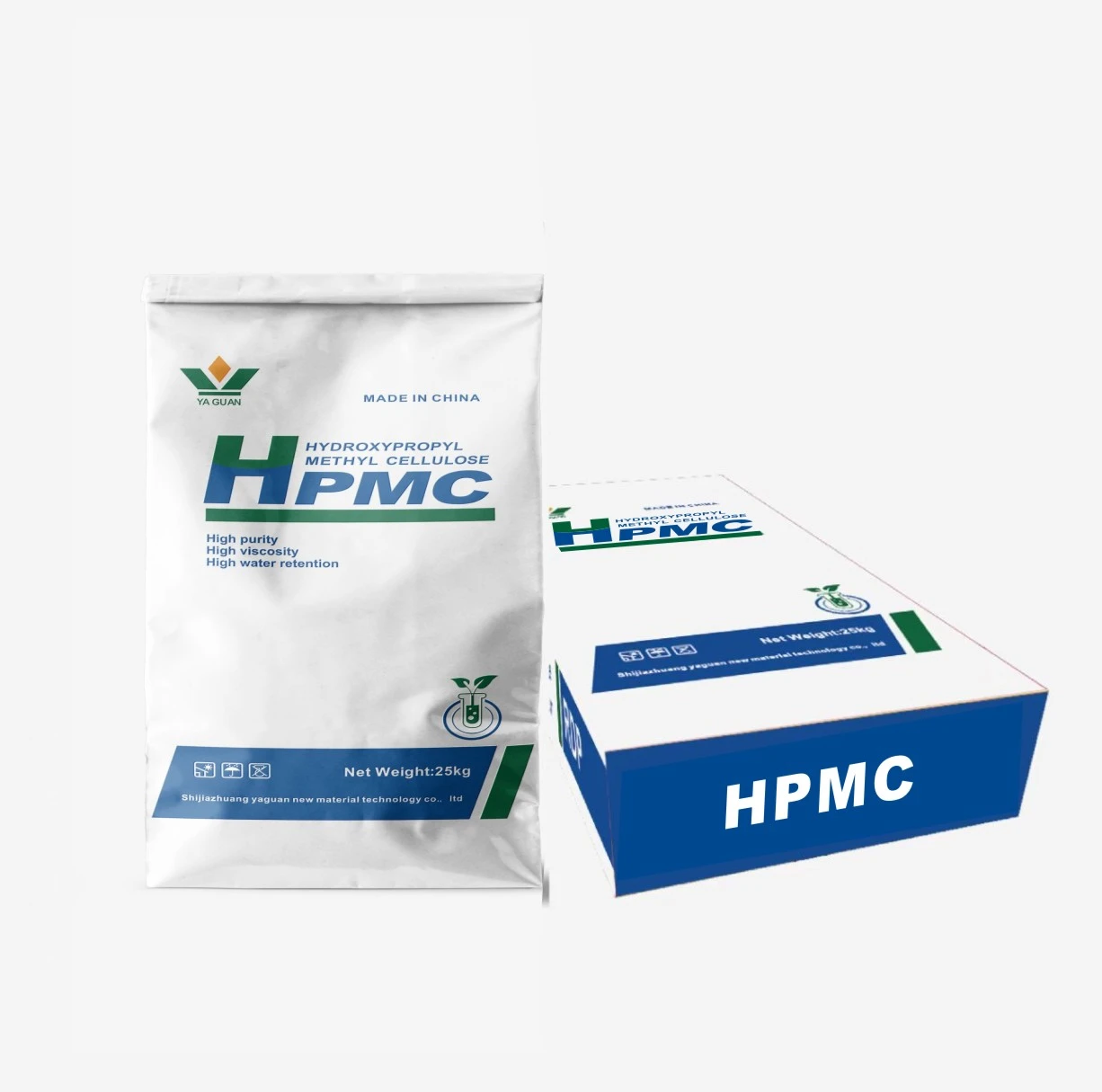

HPMC Applications: Why They Matter Globally
Hydroxypropyl methylcellulose, or HPMC for short, is more than just a chemical compound used in labs. Across the globe, its applications steadily weave into industries ranging from construction to pharmaceuticals, and even food manufacturing. But why should we, busy as we are, care about HPMC applications? Simply put, understanding these can unlock innovative solutions for durability, sustainability, and efficiency — pressing themes worldwide.
Frankly, with the UN’s growing focus on sustainable materials and the World Bank highlighting rising construction demands in developing countries, HPMC is quietly taking center stage. It offers a remarkable mix of properties that meet the challenges of modern industries and humanitarian efforts alike. So buckle up, and let’s unpack what makes HPMC so essential in the wider global business ecosystem.
Setting the Stage: The Global Context of HPMC Applications
Globally, industries—everything from construction giants in Asia to pharmaceutical innovators in Europe—face mounting pressure to balance cost, performance, and environmental impact. According to ISO standards, material safety and sustainability are non-negotiable in today’s manufacturing landscape.
Yet, many traditional materials fall short when it comes to meeting these demands simultaneously. Here’s where HPMC applications step in. Its unique properties, like water retention and film forming, make it a versatile additive and functional ingredient.
For example, the construction sector alone accounts for nearly 40% of global energy consumption, driving a search for smarter materials. HPMC-based admixtures help enhance concrete performance while cutting unnecessary waste—a win-win that clearly aligns with global decarbonization goals.
What Exactly Are HPMC Applications?
Simply put, HPMC (hydroxypropyl methylcellulose) is a cellulose derivative commonly extracted from wood pulp or cotton fibers. It’s valued for being non-toxic, inert, and hydrophilic—meaning it absorbs water well while remaining chemically stable.
When we talk about hpmc applications, we refer to all the practical uses of this compound—from thickening agents in paints and adhesives to key additives that improve the workability of cement mixtures. It also serves as a film former and emulsifier in food and pharmaceutical products.
So in real terms, HPMC is kind of like the Swiss Army knife of additives: functional, versatile, and relatively friendly to both people and planet.
Core Components of Effective HPMC Applications
1. Durability
Many engineers say HPMC’s ability to increase water retention in cement mixtures results in stronger, more durable concrete. This means longer-lasting infrastructure, which is obviously critical—in disaster-prone or resource-limited regions, durability isn't just an advantage; it’s survival.
2. Scalability
Another angle is scalability. HPMC can be produced and tailored at industrial volumes that suit growing markets, whether a small pharmaceutical firm or a major construction company building high-rises in Dubai.
3. Cost Efficiency
Even though HPMC isn’t the cheapest additive out there, its effectiveness in reducing water and energy consumption during mixing processes delivers significant savings long term. Plus, less waste and fewer material rejects mean better bottom lines.
4. Safety and Non-toxicity
Unlike many synthetic polymers, HPMC is recognized as safe by regulatory authorities—used widely in food and drugs. This makes it a preferred choice where safety can’t be compromised.
5. Environmental Impact
Derived from renewable resources, the environmental footprint of HPMC looks comparatively friendly. Its biodegradability and compatibility with green chemistry goals—because, yes, all industries are feeling that nudge toward sustainability—further add to its appeal.
Global Use Cases of HPMC Applications
It’s fascinating to see where this compound pops up:
- Construction: In the Middle East’s arid environment, HPMC improves plaster adhesion and workability in cement.
- Pharmaceuticals: In Europe and North America, it’s used as a binder and matrix in controlled-release tablets.
- Food industry: In Asia-Pacific, HPMC serves as a stabilizer in bakery and dairy products.
- Post-disaster relief: NGOs employ HPMC-enhanced materials for fast-setting mortars in rebuilding vulnerable infrastructure.
- Cosmetics and personal care: Globally, it thickens creams and lotions without harsh chemicals.
Notably, remote industrial zones in Africa leverage HPMC to maintain material integrity amid harsh weather, which can otherwise quickly degrade traditional formulations.
Advantages and Lasting Value of HPMC Applications
Sure, at first glance, it might seem like “just another additive,” but the benefits run deep.
- Cost savings: Reduced material consumption and longer service life means less frequent repairs or replacements.
- Social impact: Stronger structures help communities withstand natural disasters, promoting dignity and safety.
- Innovation driver: Companies integrating HPMC report smoother processes and better end-product consistency.
- Environmental stewardship: Lower carbon footprint when compared to some petrochemical alternatives.
When you combine these factors—economic, social, and environmental—you get a multi-dimensional value proposition. Honestly, it’s rare to find materials that tick so many boxes.
Future Trends and Innovations in HPMC Applications
Looking ahead, I’m quite excited about how HPMC is evolving along with digital and green manufacturing trends. For instance:
- Green chemistry: New manufacturing processes aim to reduce solvent use in HPMC production.
- Smart materials: Research is ongoing on HPMC composites that can respond to humidity or temperature changes.
- Regulatory shifts: Stricter environmental laws worldwide push for more renewable and biodegradable components, favoring HPMC.
- Automation and quality control: Integration of AI-enabled monitoring tech ensures consistent HPMC performance—something that’s non-trivial when used in high-stakes industries.
Challenges and How Industry is Addressing Them
Of course, nothing is perfect. One common concern is HPMC’s sensitivity to temperature fluctuations, which can alter viscosity unexpectedly. Others cite the initial cost barrier as a slight stopper for small businesses.
The good news? Manufacturers are putting serious R&D behind temperature-stable HPMC grades and more affordable formulations. Plus, many companies support clients with tailored blends and on-site training—so it really feels like a partnership rather than just a sale.
Quick FAQ About HPMC Applications
- What makes HPMC applications better than traditional additives in cement?
- HPMC improves water retention and workability, leading to stronger, crack-resistant concrete while easing application processes.
- How long can products with HPMC last in harsh environments?
- When properly formulated, HPMC-enhanced materials can extend service life by 20-30%, especially in moisture-affected or hot climates.
- Is HPMC environmentally friendly compared to synthetic polymers?
- Yes, since it’s derived from cellulose, a renewable raw material, and is biodegradable, HPMC presents a greener alternative.
- Can small manufacturers afford to incorporate HPMC?
- While initial costs can be higher, the long-term savings on material use and product quality usually outweigh upfront expenses.
- How do companies handle international shipping and compliance?
- Many suppliers offer complete documentation for customs and regulatory authorities, assisting NGOs and businesses in smooth imports worldwide.
Product Specification Table for Typical HPMC Grades
| Specification | Grade A | Grade B | Grade C |
|---|---|---|---|
| Methoxy Content (%) | 28–30 | 26–28 | 30–32 |
| Hydroxypropyl Content (%) | 7–9 | 5–7 | 9–11 |
| Viscosity (mPa·s) | 2500 ± 300 | 1500 ± 250 | 3000 ± 350 |
| pH (2% solution) | 5.5–7.0 | 6.0–7.5 | 5.0–6.5 |
Vendor Comparison: Leading HPMC Suppliers
| Feature | Yaguan Chemicals | Supplier X | Supplier Y |
|---|---|---|---|
| Product Range | Wide; 10+ Grades | Medium; 5 Grades | Limited; 3 Grades |
| Bulk Pricing | Competitive | Standard | Premium |
| Technical Support | 24/7 Customized | Business Hours | Limited |
| Global Shipping | Yes; Multi-regulation compliant | Yes; Limited Regions | No |
Final Thoughts: The Quiet Power of HPMC Applications
So, in wrapping up, what strikes me most about HPMC applications is their quiet, behind-the-scenes power. They don’t always grab headlines but quietly help industries grow smarter, safer, and more sustainable.
Whether you’re looking to improve construction materials in a drought-prone region or aiming for safer drug formulations, HPMC opens doors to progress. It’s a building block for innovation that’s both practical and forward-looking.
If this has sparked some ideas or you’re ready to explore how HPMC can fit your needs, don’t hesitate to visit our website. The future — thankfully — seems a little more solid and a lot greener with it.
References: