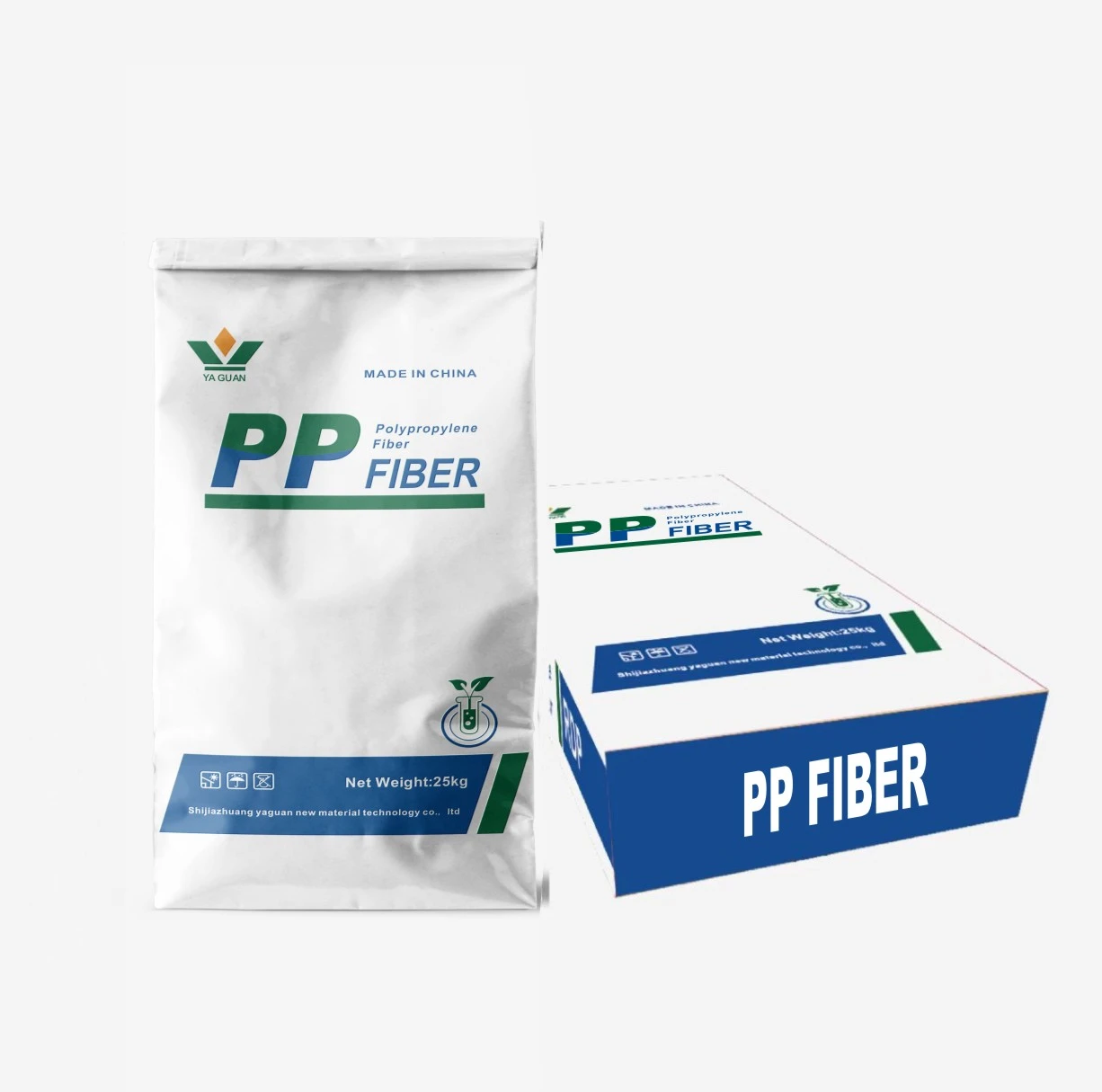

Why Understanding HPMC for Detergent Matters Globally
At first glance, hpmc for detergent might sound like a dry technical phrase tossed around in industrial meetings. But if you pause and consider it for a moment, you realize this cellulose derivative quietly transforms how detergents perform worldwide. From laundry rooms in bustling cities to aid kits in remote disaster zones, Hydroxypropyl Methylcellulose (HPMC) helps detergents work better, stabilize formulas, and deliver consistent cleaning power.
Globally, detergent markets are booming – driven by rising hygiene awareness, urbanization, and eco-conscious consumers. The detergent industry’s complexity mirrors broader challenges in chemical formulation, sustainability, and cost-efficiency. That’s where understanding HPMC’s role becomes crucial: it’s a subtle but vital ingredient that helps manufacturers optimize product texture, improve dispersibility, and enhance shelf stability.
In short, recognizing why and how HPMC fits into detergents sheds light on a small yet impactful element influencing billions of wash cycles daily.
The Global Context: Why HPMC Is a Detergent Industry Game-Changer
The modern detergent industry is no small player. According to recent data from the United Nations and industry reports, the global detergent market is expected to surpass $240 billion by 2027 — a reflection of rising living standards and hygiene needs worldwide.
But with growth comes challenges: manufacturers must balance performance, environmental impact, and cost. Detergents need to be effective in different water types, temperatures, and conditions – all while being eco-friendly where possible. HPMC addresses some of these issues by acting as a thickener and stabilizer, which helps powders and liquids stay evenly mixed without adding harsh chemicals.
This isn’t just about better laundry. Think of humanitarian operations, remote communities, or countries with limited water purification – stable, effective detergents based on ingredients like HPMC can make a huge difference to cleanliness, health, and dignity.
What Exactly Is HPMC for Detergent?
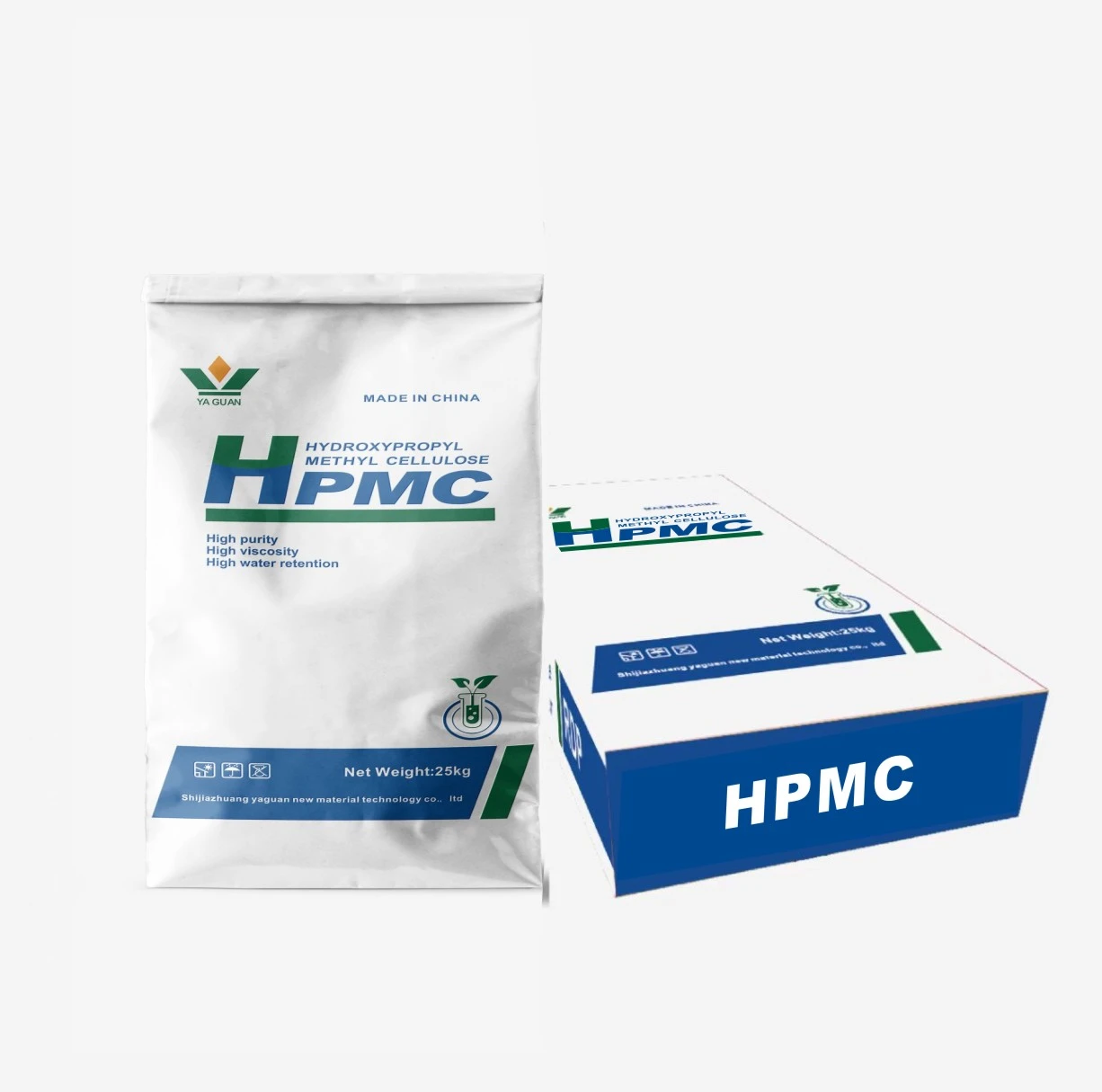
Put plainly, HPMC stands for Hydroxypropyl Methylcellulose — a chemically modified cellulose polymer extracted mainly from wood pulp or cotton fibers. In detergents, it works as a multifunctional additive: primarily thickening the detergent solution and preventing ingredient separation, improving texture, and even moderating release rates of active cleaning agents.
It’s water-soluble, non-toxic, biodegradable, and versatile. This makes it quite popular in the detergent industry and adjacent sectors like food and pharmaceuticals. The connection is simple: modern detergents benefit from components that are sustainable, safe, and reliable, and HPMC ticks many boxes.
Mini-Takeaway:
- HPMC is a natural polymer modified for enhanced use in detergents.
- It improves stability, texture, and performance without harsh chemicals.
Core Properties That Make HPMC Indispensable
1. Thickening and Viscosity Control
Detergent liquids and gels need a certain thickness to be easy to pour and to cling to fabrics during washing. HPMC molecules swell in water, increasing viscosity without clouding the solution. Many chemists find this simple property invaluable for creating products that feel premium.
2. Stability and Suspension
Powdered detergents face a common issue: ingredient separation or clumping. HPMC’s stabilizing properties help keep powders free-flowing and liquids uniformly mixed, avoiding headaches in packaging and use.
3. Compatibility and Non-Ionic Nature
Unlike some thickeners that react poorly with certain surfactants or enzymes, HPMC is non-ionic. This means it works smoothly with the diverse chemical soup in detergents—allowing formulators broad flexibility.
4. Biodegradability and Safety
In a world moving toward green chemistry, HPMC’s biodegradability and non-toxic profile align well with environmental regulations and consumer demand for sustainable products.
5. Temperature and pH Stability
Detergents sometimes face harsh storage or washing temperatures. HPMC maintains its function across a wide pH and temperature range — a subtle yet crucial advantage.
Mini-Takeaway:
- HPMC’s versatility — thickening, stabilizing, compatibility, safety — make it a detergent formulator’s go-to.
- It blends seamlessly while enhancing product shelf life and consumer experience.
How HPMC Wears Its Detergent Cape Worldwide
Its applications span a surprising range. In Asia, growing textile and cleaning industries use HPMC-based detergents to meet different water hardness levels and consumer preferences. African markets appreciate how HPMC empowers stable detergent powders in hotter climates prone to caking. In Europe and North America, eco-label regulations encourage use of biodegradable polymers like HPMC in premium detergents.
Industrially, companies formulate powders, liquids, gels, and pods with HPMC to tailory viscosity and shelf-stability. Humanitarian aid groups rely on these stable detergent forms in disaster zones — even shipped in harsh conditions, these detergents stay usable. It’s oddly reassuring that an ingredient like HPMC quietly supports cleanliness and dignity after a crisis.
Example Use Cases:
- Emergency relief kits in typhoon-prone Southeast Asia ensuring detergent effectiveness despite humidity.
- Household products in dry African climates minimizing caking during long warehouse storage.
- Biodegradable detergent markets in Europe capitalizing on HPMC’s green profile.
Quick Product Specification Table
| Property | Specification Value |
|---|---|
| Appearance | White to Off-White Powder |
| Viscosity (2% solution, 20°C) | 2000–4000 mPa·s |
| pH (2% solution) | 5–8 |
| Moisture Content | |
| Solubility | Water-Soluble, Non-Ionic |
| Biodegradability | Yes |
Comparing Leading Suppliers of HPMC for Detergent
| Supplier | Viscosity Range (mPa·s) | Form Availability | Sustainability Certifications | Typical Applications |
|---|---|---|---|---|
| Yaguan HPMC Co. | 1500–4500 | Powder, Granules | ISO 9001, ISO 14001 | Detergents, Construction, Pharma |
| Dow Chemical | 2000–5000 | Powder, Liquid | REACH, Green Chemistry | Detergents, Food, Cosmetics |
| Shandong HPMC Ltd. | 1000–3500 | Powder Only | ISO 9001 | Detergents, Paints, Coatings |
Advantages and Long-Term Value of HPMC in Detergent Formulations
In real terms, HPMC adds measurable value:
- Cost Efficiency: By stabilizing detergents, it reduces waste and quality variation, saving manufacturers money.
- Sustainability: Being biodegradable aligns with increasing regulations and consumer preferences for greener products.
- Social Impact: Reliable detergents foster hygiene and wellness in communities where clean water is scarce.
- Reliability & Trust: Consumers feel the difference in product texture and efficacy—repeat customers follow.
The emotional side of this is often overlooked: a good detergent is about dignity, health, and confidence. HPMC quietly enables that.
What Future Trends Are Shaping HPMC Use in Detergents?
Looking ahead, innovation is buzzing around HPMC and detergent tech. Some highlights:
- Green Chemistry Push: More suppliers refining HPMC manufacturing to reduce carbon footprint and water use.
- Digital Formulation Tools: AI-driven chemistry predicting the perfect HPMC grades for specific detergents.
- Hybrid Materials: Combining HPMC with nanomaterials for targeted release or antimicrobial action.
- Automation: Streamlined mixing and packaging to leverage HPMC’s stability traits — reducing energy usage.
All of this means detergents are on track to be smarter, cleaner, and kinder to the planet.
Challenges & Solutions When Working with HPMC in Detergents
Of course, it’s not magic. Some formulators report challenges:
- Viscosity Control: Getting the exact thickness requires trial-and-error and precise environmental control.
- Raw Material Quality: Variation in cellulose sources can affect batch consistency.
- Cost Implications: For budget brands, HPMC may add cost pressure unless carefully balanced.
However, expert manufacturers like Yaguan HPMC work closely with customers on customized grades to solve these. Plus, industry standards (like ISO, REACH) guide high-quality production. It’s truly a matter of marrying technical know-how with good supplier relationships.
Frequently Asked Questions About HPMC for Detergent
Q1: What benefits does HPMC bring to liquid vs. powder detergents?
A1: HPMC thickens liquid detergents for an optimal pourable texture, and in powders, it prevents clumping by stabilizing particle suspension, enhancing flow during packaging and use.
Q2: Is HPMC safe for sensitive skin formulations?
A2: Yes, HPMC is non-ionic, hypoallergenic, and widely used in personal care products. It helps create mild detergents that reduce skin irritation risks.
Q3: Can HPMC improve the environmental profile of detergents?
A3: Definitely. Being biodegradable and derived from natural cellulose, HPMC reduces reliance on synthetic thickeners, helping brands meet eco-labeling requirements.
Q4: How does HPMC affect detergent shelf life?
A4: HPMC enhances formulation stability, reducing ingredient separation and degradation over time, which prolongs shelf life even in harsher climates.
Q5: Are there challenges importing HPMC internationally?
A5: While export regulations differ by region, established suppliers like Yaguan simplify logistics with compliance documentation, making global distribution smoother for manufacturers.
Conclusion: Why HPMC Deserves Attention in Detergent Innovation
It’s fascinating how something as seemingly dry as HPMC quietly underpins detergent quality, sustainability, and global hygiene standards. Over time, as we chase cleaner, greener, and more efficient household products, the role of cellulose derivatives like HPMC will only grow more visible.
For formulators, manufacturers, and even end consumers who care about what goes into their detergents, understanding this ingredient’s value is a small step toward smarter choices.
If you want to explore custom HPMC solutions tailored for detergents, I suggest visiting Yaguan HPMC’s website — their expertise and product range bridge the gap between science and simplicity quite well.