
Understanding HPMC Uses in Detergent: Why It Matters More Than You Think
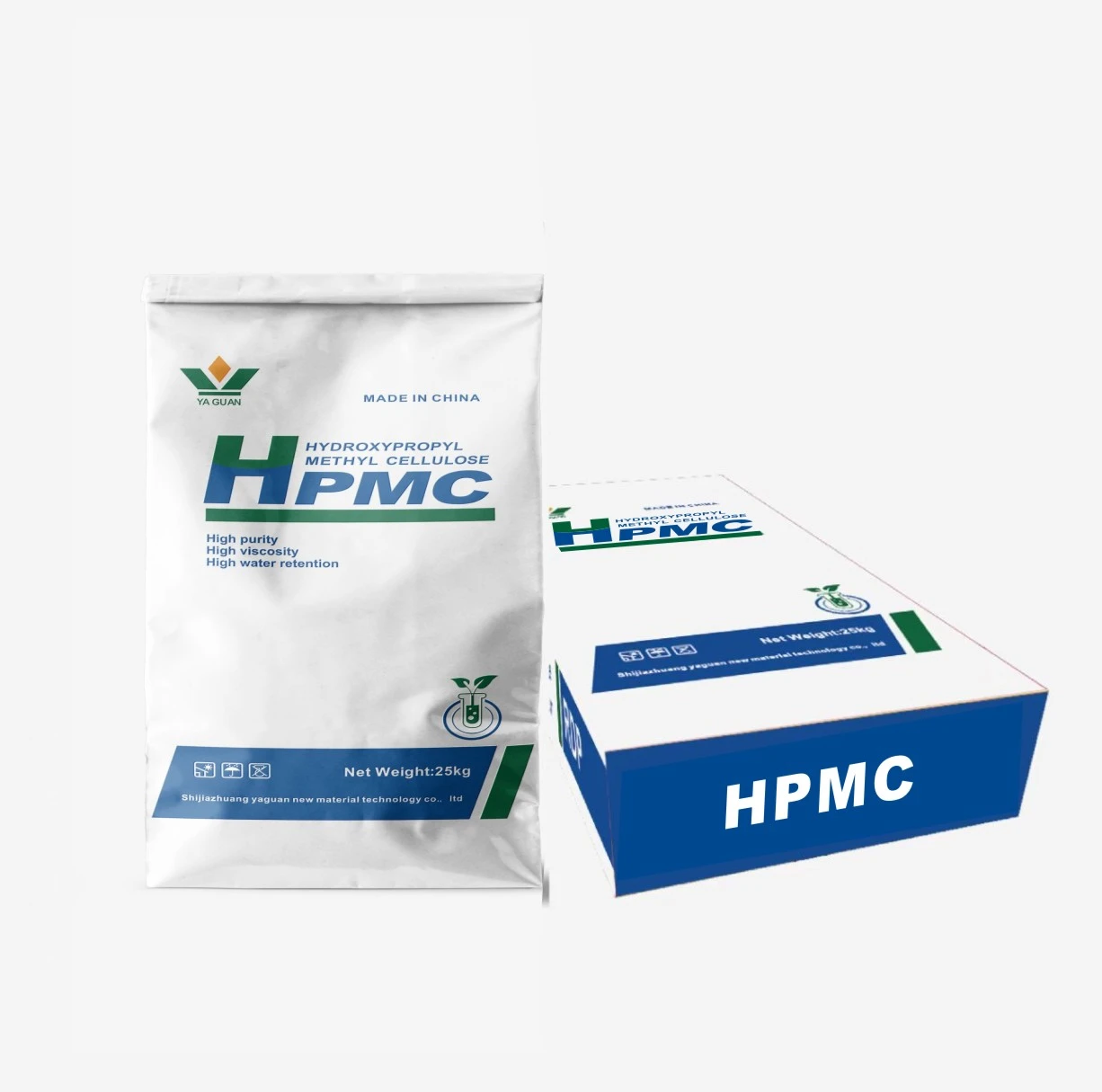
If you’ve ever pondered the humble detergent bottle under your sink, chances are you haven't thought about the stuff inside that gives it that smooth texture or keeps the ingredients from separating. One of those unsung heroes is Hydroxypropyl Methylcellulose (HPMC). It’s a bit of a mouthful, but HPMC uses in detergent have grown extensively in the global cleaning industry — and for compelling reasons. Globally, with the rise in demand for high-performance detergents that are both effective and eco-conscious, understanding HPMC's role unlocks a whole new appreciation for how detergents are formulated and optimized.
Why does this matter on a global scale? Well, detergents are essential commodities, touching billions of lives daily — from households in sprawling megacities to isolated communities. Improving detergent stability and performance while reducing environmental impact is a challenge. That challenge is exactly where HPMC comes in, helping manufacturers meet quality and sustainability goals at once.
Mini takeaway: HPMC isn’t just a technical additive; it’s a linchpin in making detergents more effective, stable, and environmentally friendly worldwide.
Detergent Industry Trends And The Growing Role of HPMC
To appreciate the rise of HPMC, it helps to look at the detergent industry’s global context. According to the World Bank and industry reports, the global detergent market size is projected to continue growing at roughly 5% annually, fueled by increasing urbanization and consumer demand for eco-friendly products. The International Organization for Standardization (ISO) also highlights stringent quality requirements driving innovation in detergent formulations.
But with innovation comes complexity. Detergents must maintain consistency, suspend dirt and oils, work across various water types, and still be gentle on fabrics and skin. Add to that the push towards biodegradable and sulfate-free formulations — the challenge gets real fast.
That’s where HPMC inserts itself as an enabling agent. It acts as a thickening, stabilizing, and film-forming agent — making detergent production both art and science. Plus, it can improve the shelf life without relying too heavily on synthetic chemicals.
Mini takeaway: As detergent makers race to balance performance with sustainability, HPMC’s role becomes increasingly vital in multiple markets and product types.
What Exactly Are HPMC Uses in Detergent?
Simply put, HPMC, or hydroxypropyl methylcellulose, is a cellulose derivative — a naturally sourced polymer modified to be water-soluble and functional under varied conditions. In detergents, it primarily acts as a rheology modifier (controlling viscosity), stabilizer, and film-former.
In detergent formulations, HPMC helps suspend particles, preventing sedimentation of heavier ingredients. It also controls pourability (so your detergent isn’t too runny or too thick) and influences foam characteristics. Because it’s derived from cellulose — the main structural component in plant fiber — HPMC appeals to manufacturers seeking renewable resources.
Interestingly, its connection to humanitarian needs comes into play during disaster relief or refugee operations where detergents must be sturdy, easy to ship, and safe — qualities boosted by HPMC.
Mini takeaway: HPMC’s multifunctionality, from thickening to stabilization, seamlessly integrates into detergents as both a technical and sustainable choice.
Key Components and Considerations for HPMC in Detergent
Viscosity Control
Viscosity is everything when it comes to detergent quality. HPMC provides consistent thickness, improving user experience and dosage accuracy. Without such control, detergents may feel watery or too paste-like.
Stability and Shelf Life
Detergents can separate over time, especially with varied storage conditions. HPMC prevents ingredient settling by suspending solids uniformly — crucial for quality and customer satisfaction.
Foam Regulation
While foam is often seen as a sign of cleaning power, too much can cause problems in some applications (like industrial washers). HPMC offers detergent formulators a way to calibrate foam density and longevity.
Eco-Friendliness
Being plant-derived and biodegradable, HPMC aligns with green chemistry principles, increasingly demanded by consumers and regulators alike.
Compatibility with Other Ingredients
HPMC harmonizes well with surfactants, enzymes, and perfumes, making it a versatile additive in complex formulations.
Mini takeaway: Understanding these core aspects helps formulators optimize detergents for performance and compliance.
Global Applications of HPMC in Detergent Formulations
From North America's household brands to Asia’s fast-growing detergent market, HPMC has a notable presence. In industrial contexts, such as textile washing or OEM cleaning solutions, HPMC's stabilizing effect ensures consistent results across batches and conditions.
For example, in remote industrial zones in Australia, detergent suppliers rely on HPMC to maintain formula integrity under extreme weather. Meanwhile, manufacturers in Europe are integrating HPMC to replace less sustainable thickeners, aligning with the European Green Deal's environmental standards.
In disaster relief scenarios, where large-scale laundry detergents are shipped to refugee camps, the stability and easy handling provided by HPMC are invaluable: keeping detergents effective despite prolonged storage or rough transport.
Mini takeaway: The versatility of HPMC covers everything from everyday homes to complex humanitarian logistics.
Advantages and Long-Term Value of Using HPMC in Detergent
- Cost Efficiency: While slightly pricier than some synthetic thickeners, the overall savings from improved formulation stability lead to less waste and returns.
- Environmental Impact: Its biodegradability and renewable origins contribute to reducing the detergent industry's carbon footprint.
- Improved Consumer Experience: Consistent texture and foam feel enhance brand loyalty.
- Innovation Catalyst: Enables manufacturers to develop “green” formulations without compromising on effectiveness.
- Reliability: Trusted across diverse climates and supply chains globally.
Frankly, this mix of benefits gives detergent brands both a tangible and intangible edge — customers feel like they’re buying something better and more responsible.
Product Specification Table: Typical HPMC Grades Used in Detergents
| Specification | Range/Value | Notes |
|---|---|---|
| Methoxy Substitution (%) | 19–24% | Affects solubility and viscosity |
| Hydroxypropyl Substitution (%) | 4–12% | Improves water retention |
| Viscosity (2% aqueous solution, cps) | 50–4000 | Adjustable by grade selection |
| Appearance | White to off-white powder | Typical |
Comparing Top HPMC Suppliers for Detergent Applications
| Vendor | Product Range | Sustainability Credentials | Global Reach | Support & Customization |
|---|---|---|---|---|
| Supplier A | Standard & premium grades | ISO 14001 certified | 100+ countries | Technical support teams worldwide |
| Supplier B | Specialty eco grades | Carbon-neutral manufacturing | Regional focus: Europe & Asia | Custom formulation support |
| Supplier C | Bulk industrial grades | Renewable raw materials | Global industrial markets | Limited customization, focusing on volume |
Looking Forward: Future Trends in HPMC and Detergent Innovation
Technology keeps marching forward, and HPMC’s role in detergents is evolving as well. Among the emerging trends, green energy-powered production processes are gaining steam — reducing the carbon footprint of HPMC manufacture itself. There's promising research into biodegradable blends and hybrid polymers that can further enhance detergent formulations while cutting waste.
Digital formulation tools powered by AI are helping chemists optimize HPMC levels with greater precision, minimizing trial and error. Automation in mixing and packaging also improves product consistency, which feels like a huge step for quality control.
Mini takeaway: Expect detergents with HPMC to become smarter, greener, and even more user-friendly as innovation accelerates.
Common Challenges & How Industry Innovates Around Them
Of course, no widespread solution is free of hurdles. Some challenges include:
- Cost Sensitivity: HPMC can be more expensive than alternatives, posing challenges in highly price-competitive markets.
- Formulation Complexity: Achieving the perfect balance in detergent formulations isn’t always straightforward.
- Supply Chain Dependencies: Sourcing consistent-quality cellulose can be vulnerable to agricultural shifts.
Experts advise continuous raw material quality testing, leveraging local supply chains, and investing in R&D for cost-effective production methods. Collaborative initiatives between manufacturers and suppliers are strengthening the entire ecosystem.
FAQs: Practical Questions About HPMC Uses in Detergent
- Q1: What exactly does HPMC do in detergent formulations?
- A1: HPMC acts primarily as a thickener and stabilizer, ensuring detergent ingredients remain evenly mixed, improving texture and performance.
- Q2: Are detergents with HPMC safer for sensitive skin?
- A2: Generally yes, because HPMC is non-ionic and gentle, it often helps reduce irritation linked with harsher synthetic thickeners.
- Q3: Can HPMC improve detergent shelf life?
- A3: Definitely. By suspending solid particles and maintaining viscosity, HPMC prevents separation, extending usability.
- Q4: Is HPMC environmentally friendly?
- A4: Yes. Derived from plant cellulose, it is biodegradable and aligns with sustainable manufacturing practices.
Wrapping It Up: Making Detergents Better With HPMC
To circle back, the significance of hpmc uses in detergent is not just about chemistry — it’s about how we deliver consistent quality, reduce environmental footprint, and ultimately meet both consumer expectations and global sustainability goals. Whether you’re a formulary engineer or just someone curious about what’s inside your cleaning products, HPMC’s role is worth a moment of appreciation.
If you want to dive deeper and see how HPMC can transform your detergent products, visit https://www.yaguanhpmc.com — the go-to site for cutting-edge insights and product details.
Sometimes, it's the little things — like a tiny powder additive — that make the biggest difference, isn't it?