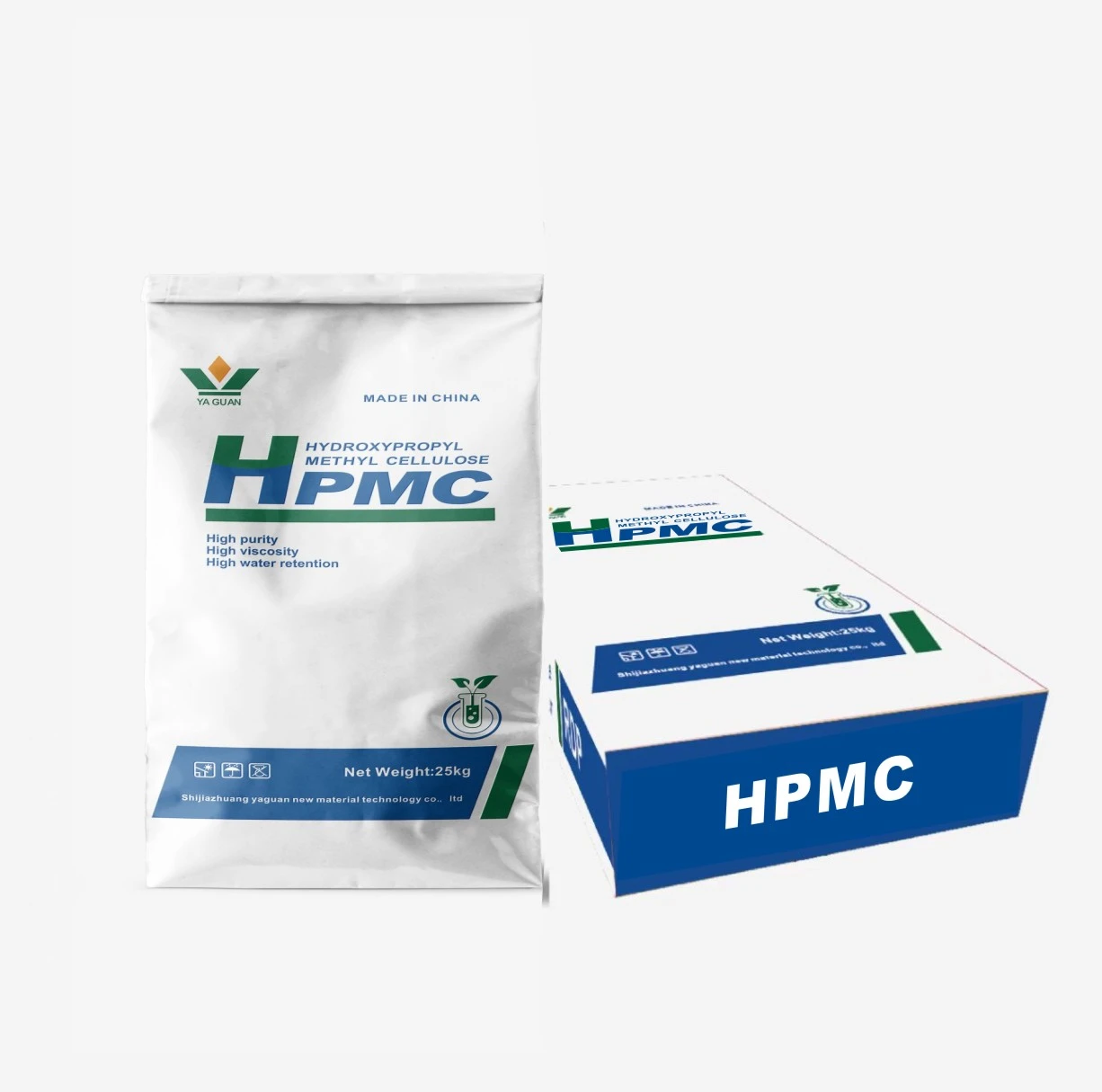
Understanding HPMC for Construction: A Vital Component in Modern Building
In the vast ecosystem of construction materials, HPMC for construction quietly but effectively plays one of the most critical supporting roles. What is HPMC exactly? Simply put, it’s a cellulose-based polymer additive commonly used to improve workability, water retention, and overall performance in cementitious mixtures. Globally, with urban development surging and sustainable construction advancing, understanding this material has never mattered more.
Why does that matter? Because behind the scenes, the quality and durability of countless buildings, roads, and infrastructures hinge on tiny details like additives. Grasping HPMC for construction is not just about chemistry — it’s about safer homes, smoother construction workflows, and greener methods worldwide.
Global Context: Why HPMC Matters in Construction Today
Construction is an industry powering over 10% of global GDP and responsible for a significant chunk of energy consumption and CO2 emissions — roughly 37% of total emissions, according to the United Nations. So, any material or technique that can optimize processes or enhance durability is a win on multiple fronts.
The challenge? Cement and plaster-based products often suffer from issues like shrinkage cracking, slow setting, and poor adhesion under extreme weather. Enter HPMC, a chemical additive helping builders improve slurry consistency, extend setting times for better workability, and reduce water evaporation to prevent premature drying.
This has become especially vital in regions with rapid urbanization — think India’s megacities, Africa’s developing infrastructure zones, or remote terrains in South America. So, it’s not just a technical fix but a pillar supporting economic and humanitarian progress.
What Is HPMC for Construction? Breaking It Down
Hydroxypropyl methylcellulose (HPMC) might sound like a mouthful, but it’s basically a plant-derived, water-soluble polymer. When mixed into plaster, cement, or tile adhesives, it acts as a binder and thickener.
Its role? Improving water retention — this is crucial because if water evaporates too quickly from a fresh plaster layer, cracks and weak bonds form. HPMC also boosts viscosity which helps materials stay in place and makes application smoother.
Interestingly, its makeup is friendly toward sustainable construction. Being cellulose-based means it’s renewable and biodegradable — unlike many synthetic additives.
Key Aspects of HPMC for Construction
1. Durability Enhancement
Many engineers appreciate HPMC because it improves the mechanical strength in the long run. By preventing rapid water loss, HPMC allows portland cement to hydrate properly and develop stronger bonds, reducing shrinkage cracks and increasing lifespan.
2. Improved Workability and Application
Without the right additive, plaster or mortar can slump or drip during application. HPMC’s gel-like texture keeps the mix stable even on vertical surfaces. This means faster, cleaner application with fewer mistakes.
3. Water Retention & Setting Time Control
The key function of HPMC is to hold water inside mixtures for the right duration. This helps prevent premature drying which is common in hot or arid climates — especially relevant in parts of the Middle East or Australia.
4. Compatibility & Versatility
Another advantage is that HPMC is compatible with various binders and cement types. It finds use in products ranging from gypsum plasters to tile adhesives and cement renders.
5. Environmental Sustainability
Being cellulose-derived, HPMC reduces dependency on synthetic chemicals, thus aligning well with greener building trends and regulations, such as ISO 14001.
Mini Takeaway: HPMC isn’t just a random additive. It serves multiple intertwined functions enhancing the durability, ease, and eco-friendliness of construction materials globally.
Practical Applications of HPMC in Global Construction Projects
The real charm of HPMC for construction lies in its diverse usage scenarios. In fast-growing Asian markets, for example, it stabilizes mortars used in high-rise building facades. In Europe, it facilitates thin-layer tile adhesives that require precision during installations.
Beyond traditional urban environments, HPMC has found favor in humanitarian and industrial contexts:
- Post-Disaster Relief: Temporary housing plaster and renders benefit from HPMC’s faster setting and reduced cracking, making shelters safer and more livable.
- Remote Industrial Zones: In mining or oil fields, where environmental conditions are harsh, HPMC-enhanced mortar provides resilience against temperature swings and wind.
- Green Renovations: Historical building restorations use HPMC formulations to gently reinforce old plaster while maintaining breathability.
All these examples underline that hpmc for construction isn’t niche but foundational in multiple construction sectors worldwide.
Essential Product Specifications of Standard HPMC for Construction
| Property | Typical Values | Importance |
|---|---|---|
| Methoxy Content | 19-30% | Affects solubility and viscosity |
| Hydroxypropyl Content | 4-12% | Impacts water retention and thickening |
| Viscosity (2% Solution) | 3000-15000 mPa·s | Determines slurry consistency |
| Appearance | White powder | Ease of handling and mixing |
| pH Value (1% Solution) | 7–9 | Compatibility with alkaline systems |
Comparing Vendors: What to Look for When Buying HPMC
| Vendor | Price (per kg) | Viscosity Range (mPa·s) | Eco Certification | Delivery Speed |
|---|---|---|---|---|
| Yaguan HPMC | $3.80 | 3000-12000 | ISO 14001 Certified | 2-4 Days |
| Sigma Aldrich | $5.20 | 2500-10000 | Partial Eco Certification | 5-7 Days |
| BASF | $4.60 | 3000-15000 | ISO 14001 Certified | 3-5 Days |
The Long-Term Advantages of Using HPMC-Based Materials
Switching to HPMC-enhanced mortars or plasters is more than a quick fix. It’s about reliability, sustainability, and professionalism on-site.
- Cost Efficiency: Fewer repairs and less material waste due to better curing and adhesion.
- Environmental Benefits: Supports greener construction practices with reduced synthetic chemical use.
- Social Impact: Stronger, safer buildings improve living standards and occupant confidence.
- Performance Consistency: HPMC stabilizes materials to perform consistently across climates and project scales.
It’s weird to think how one additive can sway so many moving parts of a project, but in real terms, it really does.
Future Trends & Innovations Around HPMC
Industry insiders are watching HPMC evolve alongside digital mixing tech, automated application tools, and new bio-based variants with even lower environmental footprints. There’s talk of hybrid cellulose polymers that boost adhesion further while integrating antimicrobial properties — think hospitals or schools wanting safer wall coverings.
Coupled with nationwide efforts to achieve Sustainable Development Goals (SDGs), additives like HPMC are quietly becoming green heroes.
Challenges and How to Overcome Them
Let’s not pretend it’s all sunshine. Some challenges persist:
- Cost Sensitivity: HPMC may increase upfront costs, which can deter smaller projects.
- Quality Variability: Not all suppliers ensure consistent purity or performance.
- Application Training: Workers sometimes need proper instruction to optimize HPMC benefits perfectly.
The solutions? Partner with reliable vendors, invest in workforce training, and adopt standardized testing protocols. Over time, these hurdles become minor compared to the gains.
FAQ: Common Questions About HPMC for Construction
Q1: What makes HPMC better than traditional plaster additives?
HPMC improves water retention and workability more effectively than common additives, reducing cracking and improving adhesion, especially under extreme weather conditions.
Q2: How long does HPMC-enhanced mortar last in harsh environments?
When properly formulated, HPMC-enhanced mortars can maintain integrity for decades, resisting shrinkage and degradation in both hot/dry and cold/wet climates.
Q3: Is HPMC safe and eco-friendly?
Yes, since it’s cellulose-based, HPMC is biodegradable and aligns with eco-certifications like ISO 14001, making it a sustainable choice.
Q4: Can HPMC products be sourced globally for large projects?
Absolutely. Many vendors, including Yaguan HPMC, offer bulk shipments worldwide with international quality certifications.
Q5: How do I ensure workers use HPMC-based mixes correctly?
Providing on-site training and clear mixing instructions maximizes benefits, ensuring consistent texture and curing times.
Wrapping Up: The Lasting Impact of HPMC on Construction
If you ask me, HPMC for construction is one of those underappreciated workhorses quietly shaping safer, greener, and more efficient building worldwide. Understanding its role explains why some projects withstand decades of wear while others fail quickly due to drying issues or poor adhesion.
The long-term benefits ripple out — better building quality supports better communities. So if you’re a builder, specifier, or materials engineer curious about optimizing your next project, delving into the world of HPMC might just change how you think about additives forever.
Curious to dive deeper and source quality material? Visit https://www.yaguanhpmc.com to explore trusted HPMC solutions.