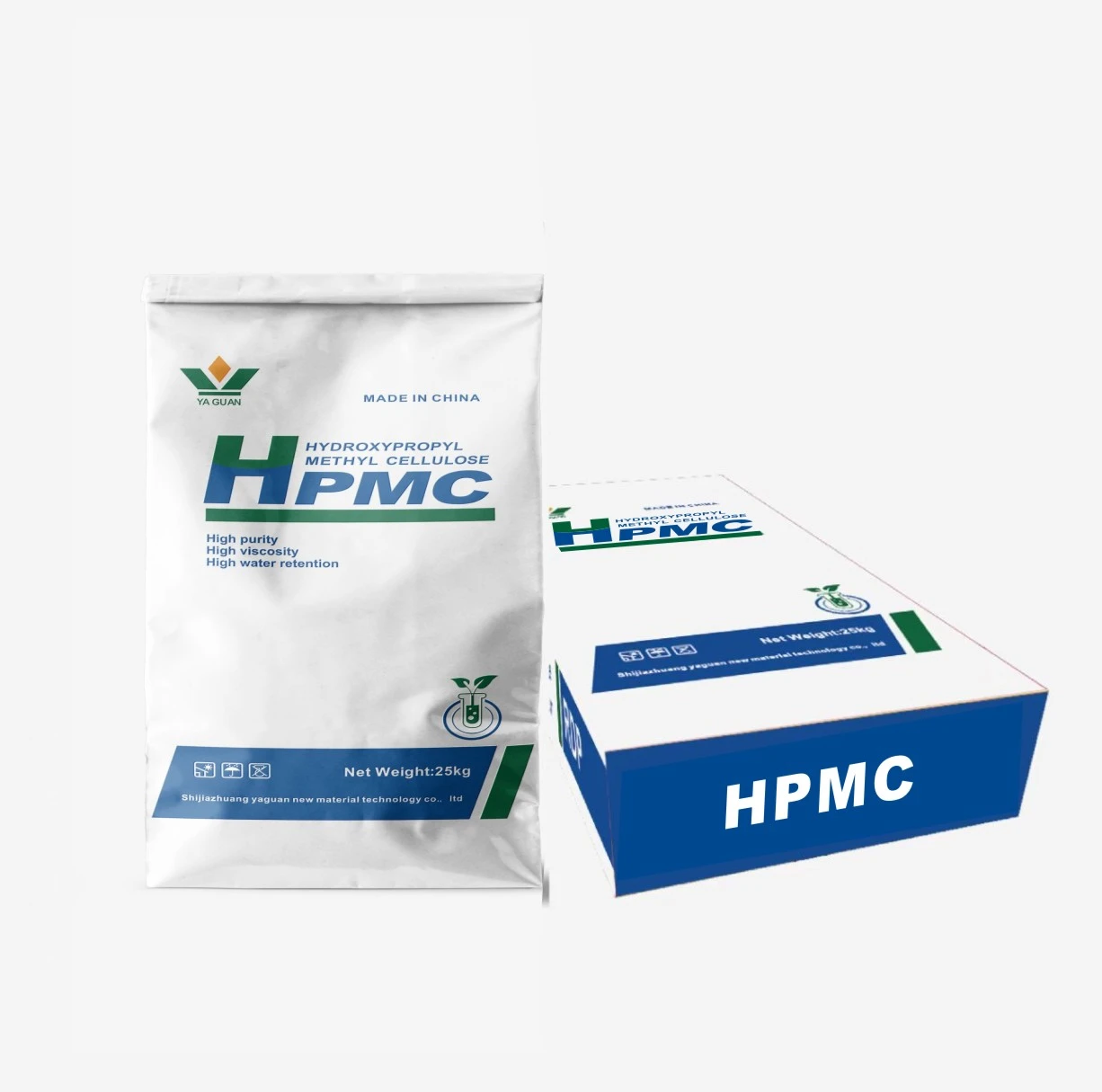

Understanding HPMC Uses: A Gateway to Modern Industrial and Humanitarian Solutions
Hydroxypropyl Methylcellulose, or HPMC, might sound like the name of a secret agent molecule, but it’s actually a versatile ingredient trusted worldwide. From construction to pharmaceuticals, understanding hpmc uses is more critical now than ever — especially as industries seek greener, more efficient, and sustainable alternatives. So why does this matter on a global scale? Well, according to the International Standards Organization (ISO), compounds like HPMC help reduce waste and improve durability in products that literally build daily life. Plus, organizations like the UN increasingly emphasize materials that support sustainable infrastructure, linking back to the smart use of ingredients such as HPMC.
At a glance, grasping the key benefits of hpmc uses unlocks a toolset for improving everything from water retention in cement to the consistency of medicines. It’s a kind of multi-tool in industrial chemistry, with ripple effects for eco-conscious development and social programs. But let’s peel back the layers.
The Global Context: Why HPMC Uses Are Gaining Traction
On a planetary scale, the construction and pharmaceutical industries — two giants in global trade — both heavily rely on efficient additives and binders. The World Bank reports that construction demands are expected to grow by nearly 70% globally by 2030, driven by urban expansion and infrastructure development in emerging economies. The challenge? Finding materials that improve product lifecycles without a hefty environmental toll.
Enter HPMC. This cellulose derivative is increasingly celebrated due to its biodegradability and non-toxic nature. In fact, when governments and corporations seek to meet ISO 14001 environmental management standards, they often prioritize such materials. It’s an answer to urgent questions: How can we build better, cleaner, smarter?
What Exactly Is HPMC and How Does It Fit In?
Simply put, HPMC is a semi-synthetic polymer derived from cellulose. It’s water-soluble, non-ionic, and adaptable — qualities that let it play countless roles. In construction, it acts as a thickener, stabilizer, and water-retention agent. In pharmaceuticals, it’s a film former and binder, ensuring tablets maintain integrity while dissolving at the right rate.
Kind of like the unsung hero who stabilizes the show without grabbing the spotlight.
Key Aspects That Define HPMC’s Practical Use
1. Water Retention and Workability
Many engineers swear by HPMC’s ability to keep cement and plaster moist enough during curing, preventing premature drying. This leads to stronger, longer-lasting walls. Without such agents, materials crack or crumble.
2. Durability Enhancement
By improving cohesion and flexibility, HPMC enhances material endurance — particularly important in climates prone to temperature swings. Roughly speaking, this means fewer repairs and longer intervals before reconstruction.
3. Cost Efficiency
Adding HPMC is relatively inexpensive, considering it reduces waste and improves handling. This translates directly into financial savings for builders or pharmaceutical manufacturers.
4. Versatility Across Industries
Its usage isn’t limited to just one sector. From food glazing agents to thickening in cosmetics, HPMC’s spectrum is vast. In humanitarian aid, it’s part of formulations for quick-setting mortars, supporting rapid infrastructure rebuilding after disasters.
Mini takeaway: HPMC proves valuable not because it’s flashy, but because it reliably solves real-world problems — especially where durability and sustainability are key.
Global Applications: From Remote Villages to High-Tech Labs
Take Asia, for example, where rapid urbanization demands speedy, efficient construction methods. Here, hpmc uses shine in drywall joint compounds, tile adhesives, and insulating mortars. In Europe, pharmaceutical firms count on HPMC as a safe excipient for controlled drug release. Meanwhile, humanitarian organizations deploy HPMC-based products to rebuild refugee camps quickly, benefiting from its water retention and stabilization properties.
One memorable case: after a cyclone hit Southeast Asia, engineers used HPMC-enhanced plaster mixes to rebuild homes resistant to future weather shocks. This kind of real-world impact... well, it speaks volumes to the power of such a humble substance.
Advantages and Long-Term Value of Choosing HPMC
- Cost-Effective Durability: Reduces maintenance by improving material strength.
- Eco-Friendly Profile: Biodegradable and less toxic than synthetic alternatives.
- Social Impact: Supports safer, faster construction in vulnerable areas.
- Reliable Performance: Maintains consistency even under challenging conditions.
Frankly, it’s the blend of logical benefits and the emotional peace of mind that makes HPMC appealing. When a building stands firm or a medication works as expected, trust builds — and so does progress.
Looking Ahead: Future Trends Impacting HPMC Uses
The global push toward sustainability means HPMC formulations are evolving. Researchers are exploring nano-enhanced cellulose derivatives to boost material properties while further reducing carbon footprint. Automation in pharmaceutical manufacturing also leans on HPMC’s consistent quality for scalable production.
And oddly enough, digital material science platforms are now enabling customized HPMC blends tailored to specific climates or structural needs — kind of like bespoke shirts, but for construction substances.
Challenges on the Horizon and How Innovation is Answering Them
Of course, it’s not all smooth sailing. Sourcing high-quality cellulose sustainably can be tricky, and processing standards vary globally. There’s also the occasional issue with shelf-life under extreme conditions.
Industry leaders are addressing these by investing in better supply chain transparency and enhanced stabilizers that prolong HPMC’s effectiveness. Partnerships between suppliers and end-users facilitate continuous feedback loops, leading to ever-better products — because, no surprise, feedback beats guesswork every time.
FAQ: Quick Answers About HPMC Uses
- Q: What exactly does HPMC do in construction materials?
A: It acts mainly as a water retention agent and thickener, improving the workability and durability of mortars and plasters without compromising setting times. - Q: Are HPMC-based pharmaceutical tablets safe?
A: Yes, HPMC is widely used as an inactive binder and film former with excellent safety profiles recognized by health authorities globally. - Q: Can HPMC improve production efficiency?
A: Definitely. By stabilizing mixtures and providing consistency, it reduces waste and ensures predictable product quality. - Q: Is HPMC environmentally friendly?
A: Yes, it is biodegradable and derived from renewable cellulose sources, aligning with green manufacturing principles.
Product Specification Overview
| Specification | Typical Value | Impact on Applications |
|---|---|---|
| Viscosity (mPa.s) | 1000–10000 | Controls thickening, workability |
| Moisture Content (%) | 5 max | Ensures stability during storage |
| pH Range | pH 5–8 | Compatibility with other additives |
| Solubility | Water soluble | Ease of mixing and application |
Vendor Comparison: Choosing the Right HPMC Supplier
| Vendor | Product Range | Sustainability Credentials | Global Reach | Technical Support |
|---|---|---|---|---|
| Yaguan HPMC | Wide (various viscosity grades) | ISO 14001 certified, biodegradable | Asia, Europe, Americas | 24/7 global customer service |
| CelluBind Corp | Medium range, pharma focus | Sustainably sourced fibers | Europe, North America | Dedicated technical teams |
| GreenCell HPMC | Focused on eco-grade products | 100% renewable raw materials | Local/regional suppliers | Limited, mostly online support |
Wrapping Up: The Quiet Power of HPMC in Modern Industries
So, here’s the thing. While it may not headline a news story, hpmc uses underpin many essential aspects of daily life and global progress. Whether in a patch of concrete holding a shelter upright or the tablet easing someone’s pain, it quietly delivers. The sustainability angle is no joke either – we need more materials that do this kind of heavy lifting without wrecking the environment.
If you’re exploring solutions for your products or projects, diving into the details of HPMC products can pay dividends. For a thorough look at premium options and cutting-edge applications, visit our website. It’s a decision that aligns with durability, cost-efficiency, and a greener tomorrow.
Mini takeaway: The future’s bright for HPMC — it simply adapts and keeps on going.