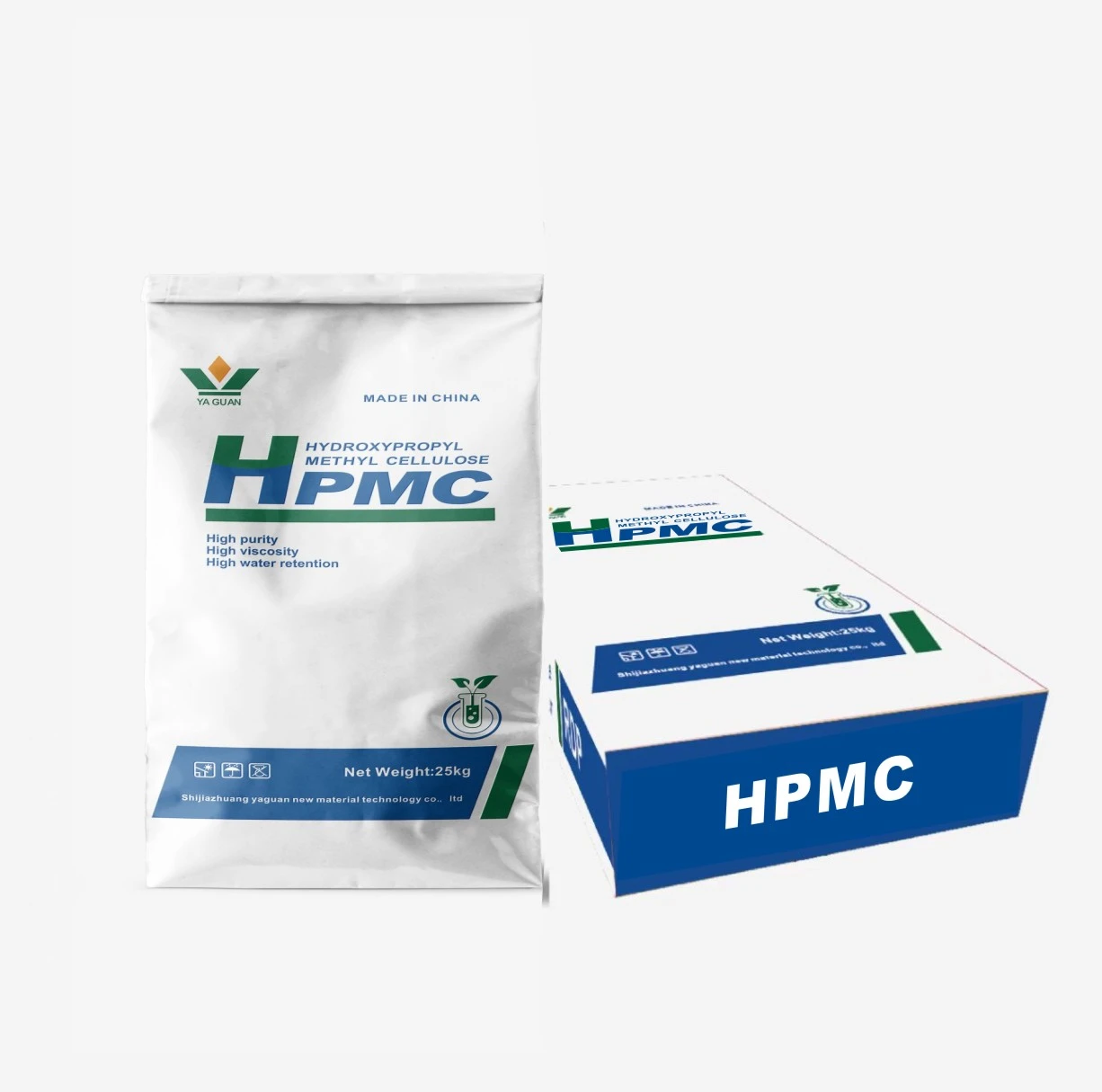

The Many Facets of HPMC Chemical Uses: Understanding a Vital Industry Component
Hydroxypropyl methylcellulose, or HPMC for short, is one of those unsung heroes in the chemical and industrial world that quietly makes life smoother—and sometimes safer. But what exactly is hpmc chemical uses, why does it matter globally, and why should industries, engineers, and even humanitarian agencies pay attention? Simply put, HPMC is a versatile compound with a broad palette of applications, from construction to pharmaceuticals, that helps solve pressing challenges around durability, sustainability, and cost efficiency. In a world hungry for innovative, reliable, and environmentally conscious solutions, understanding the dynamics of HPMC and its uses offers a window into a small but mighty piece of the global puzzle.
Setting the Stage: Why HPMC Chemical Uses Matter on a Global Scale
Globally, industrial efficiency and environmental responsibility have become near-obsessions—not surprising given the scale of supply chains and the push toward sustainable development goals outlined by the United Nations. According to recent ISO reports, compounds like HPMC are essential in enabling industries to mix sustainability into the technical performance of products.
For instance, the construction sector alone accounts for nearly 40% of global energy consumption and carbon emissions, and hpmc chemical uses in plaster, concrete admixtures, and paint have made material handling easier while improving the lifespan and environmental footprint of building materials. I’ve noticed time and again, especially during site visits, how HPMC-enhanced materials resist degradation better when exposed to harsh weather conditions, which eases maintenance — a real boon in developing regions, disaster zones, and even remote industrial sites.
But let’s be frank: challenges remain. Formulating cost-effective, reliable, and environmentally friendly products is a puzzle that HPMC helps solve, albeit it’s not the magic bullet. The efforts to understand HPMC’s full potential have ripple effects across sectors—from food to pharmaceuticals, aiming to enhance texture, durability, and delivery efficiency.
Defining HPMC Chemical Uses: What is It Exactly?
At its core, HPMC is a chemically modified cellulose polymer derived from natural wood pulp or cotton fibers. What makes it special is its unique combination of water solubility, film-forming ability, and thickening properties. In layman’s terms, it’s a "smart additive" that can change the texture or viscosity of products, improve bonding, or act as a protective barrier.
Within industry, its uses span:
- Construction: As a water retention agent and binder for mortars, plasters, and adhesives.
- Pharmaceuticals: Used as a binder in tablets and as a film former to control drug release.
- Food industry: As a thickener and stabilizer for gluten-free products.
- Cosmetics: To enhance product texture and stability.
It’s an interesting crossroads where natural materials meet modern engineering, satisfying both performance and regulatory standards. hpmc chemical uses touch many sectors that define human wellbeing, infrastructure, and commercial effectiveness.
Core Components of HPMC Chemical Uses
1. Durability & Water Retention
One of the main reasons HPMC shines in construction is its water retention capability. Mortars and plasters require optimal moisture conditions during curing; if too dry, the material cracks. HPMC retains moisture inside, allowing better crystal formation and longer-lasting walls. Oddly enough, small improvements here translate into years of lifespan gains in building structures.
2. Rheological Control (Viscosity & Flow)
In flooring compounds, adhesives, and paints, controlling how a liquid flows and sets is critical. HPMC modifies viscosity, preventing phase separation and improving workability. Many engineers say it means fewer headaches on site and smoother textures in final products.
3. Thermal & Chemical Stability
HPMC withstands a range of temperatures and resists breakdown from chemicals or microbes, making it versatile in harsh environments. This feature matters in pharmaceuticals where it acts as a protective coating, and in construction projects exposed to extreme weather.
4. Eco-Friendliness & Biodegradability
Derived from cellulose, HPMC is biodegradable and sourced from renewable materials. In a market often dominated by synthetic polymers, its green credentials are a selling point for sustainability-conscious manufacturers and users.
5. Compatibility & Customization
It mixes well with other ingredients, allowing formulation tweaking. Whether you need a thicker paint or a slower drug release, HPMC adapts, which explains why it’s so popular despite many alternatives.
Mini takeaway: HPMC’s unique physicochemical properties provide multiple benefits—water retention, viscosity control, stability, environmental friendliness—that together make it indispensable.
Global Applications & Use Cases of HPMC Chemical Uses
HPMC's versatility is reflected in its widespread adoption across continents:
- Asia: Rapid urbanization has spiked demand in construction mortars and dry mixes. India and China are huge consumers, pushing availability for both affordable housing and large infrastructure projects.
- Europe: Regulations push for greener products, and companies incorporate HPMC to meet tough sustainability and safety demands.
- North America: The pharmaceutical industry uses HPMC heavily for controlled drug release, tablet binding, and gluten-free food supplements.
- Africa & Latin America: In humanitarian relief operations, HPMC-containing products provide quick-setting adhesives and plasters, helping rebuild post-disaster housing swiftly and affordably.
For example, in post-earthquake Nepal, NGOs used mortar mixes enhanced with HPMC to rebuild homes faster while ensuring resilience to aftershocks and heavy rains.
Mini takeaway: From emergency relief zones to high-tech labs, HPMC serves industries and regions with distinct needs.
Advantages & Long-Term Value
It might sound technical, but the practical outcomes of HPMC use often boil down to tangible benefits:
- Cost Efficiency: Improved workability reduces labor and material waste.
- Sustainability: Natural source and biodegradability lower environmental impact.
- Durability: Structures and products last longer, preventing frequent repairs.
- Safety & Dignity: In humanitarian contexts, faster construction of shelters means safety and improved living conditions.
- Innovation: Its adaptability permits novel formulations, pushing industry boundaries.
It’s this blend — of logic and human impact — that explains why so much investment goes into optimizing HPMC-related technologies. Innovation isn’t always shiny gadgets; sometimes, it’s a polymer helping livelihoods.
Future Trends & Innovations in HPMC Chemical Uses
What’s coming next? Well, the push for green chemistry means suppliers are investigating new ways to source cellulose sustainably. Plus, nano-engineered HPMC variants promise enhanced performance — including better adhesion and even drug delivery control at the molecular level.
Digital transformation in manufacturing is enabling precise customization of HPMC blends for specific tasks, reducing trial-and-error in product development. Automated mixing processes and real-time quality controls are soon to become standard, improving consistency.
Policy-wise, stricter environmental laws globally might encourage wider adoption of HPMC over traditional petrochemical polymers, just as the EU’s chemical regulations (REACH) demand safer substances inside supply chains.
Challenges & How Industry is Responding
Despite its many strengths, using HPMC isn’t always plug-and-play. Challenges include:
- Cost fluctuations: Raw material supply depends on agricultural yields and pulp markets, affecting pricing.
- Performance limitations: In extremely alkaline or acidic environments, HPMC’s stability can falter.
- Regulatory hurdles: Different countries have varying standards regarding additives in food and pharmaceuticals.
Experts recommend blending HPMC with complementary polymers or chemically modifying it for enhanced performance. Collaboration between manufacturers ensures better quality control. For governments and NGOs, working closely with certified suppliers ensures compliance and safety.
Frequently Asked Questions About HPMC Chemical Uses
Q1: What are the main benefits of using HPMC in construction materials?
A1: HPMC improves water retention, controls viscosity, and enhances adhesion in mortars and plasters, resulting in stronger, longer-lasting structures that require less maintenance.
Q2: Can HPMC be safely used in food products?
A2: Yes, HPMC is approved as a food additive and acts as a thickener or stabilizer, especially in gluten-free recipes, improving texture and shelf-life without harmful effects.
Q3: How does HPMC help in pharmaceutical manufacturing?
A3: It acts as a binder and film former, facilitating controlled drug release and tablet stability, which enhances drug efficacy and patient compliance.
Q4: Is HPMC environmentally friendly compared to synthetic alternatives?
A4: Derived from natural cellulose, HPMC is biodegradable and renewable, making it a greener choice in various industrial and consumer applications.
Q5: Where can I learn more about sourcing high-quality HPMC?
A5: Leading manufacturers like Yaguan HPMC offer detailed product data and support for selecting formulations suited to your needs.
Product Specification Table for Typical HPMC Grades
| Property | Standard Grade | High Viscosity Grade | Low Substitution Grade |
|---|---|---|---|
| Viscosity (mPa·s) | 4000–6000 | 12000–18000 | 1500–3000 |
| Moisture Content (%) | 4.0 max | 5.0 max | 4.5 max |
| pH (2% Solution) | 5–8 | 5–8 | 5–7 |
| Substitution Degree | Methoxy 19–24% | Methoxy 20–25% | Methoxy 16–20% |
| Appearance | White Powder | White Powder | White Powder |
Vendor Comparison Table: Leading HPMC Suppliers
| Supplier | Product Range | Sustainability Focus | Global Reach | Certifications |
|---|---|---|---|---|
| Yaguan Chemical | Standard & Custom HPMC Grades | High (ISO 14001) | Asia, Europe, America | ISO 9001, FSC |
| Dow Chemical | Wide Range including Pharma Tools | Medium | Global | ISO 9001, REACH |
| Ashland Inc. | Pharma & Construction Grades | High | North America, Europe | ISO 14001, GMP |
Summary Thoughts + Final Call to Action
Understanding hpmc chemical uses is no small matter. It’s a nuanced subject with big implications—enhancing everything from concrete's longevity to the texture of gluten-free bread and the reliability of life-saving pharmaceutical tablets. I suppose that’s what keeps manufacturers and researchers intrigued: how a single compound, holistically integrated, can underpin safer, more sustainable, and cost-effective industries worldwide.
If you’re seriously considering incorporating HPMC into your product line or need tailored solutions for your manufacturing challenges, I recommend checking out expert resources like Yaguan Chemical. They combine quality, sustainability, and a global footprint that’s ready to meet your demands.
Cheers to smarter chemistry and the subtle but powerful role of HPMC—you never know when it’s quietly doing the heavy lifting behind the scenes.