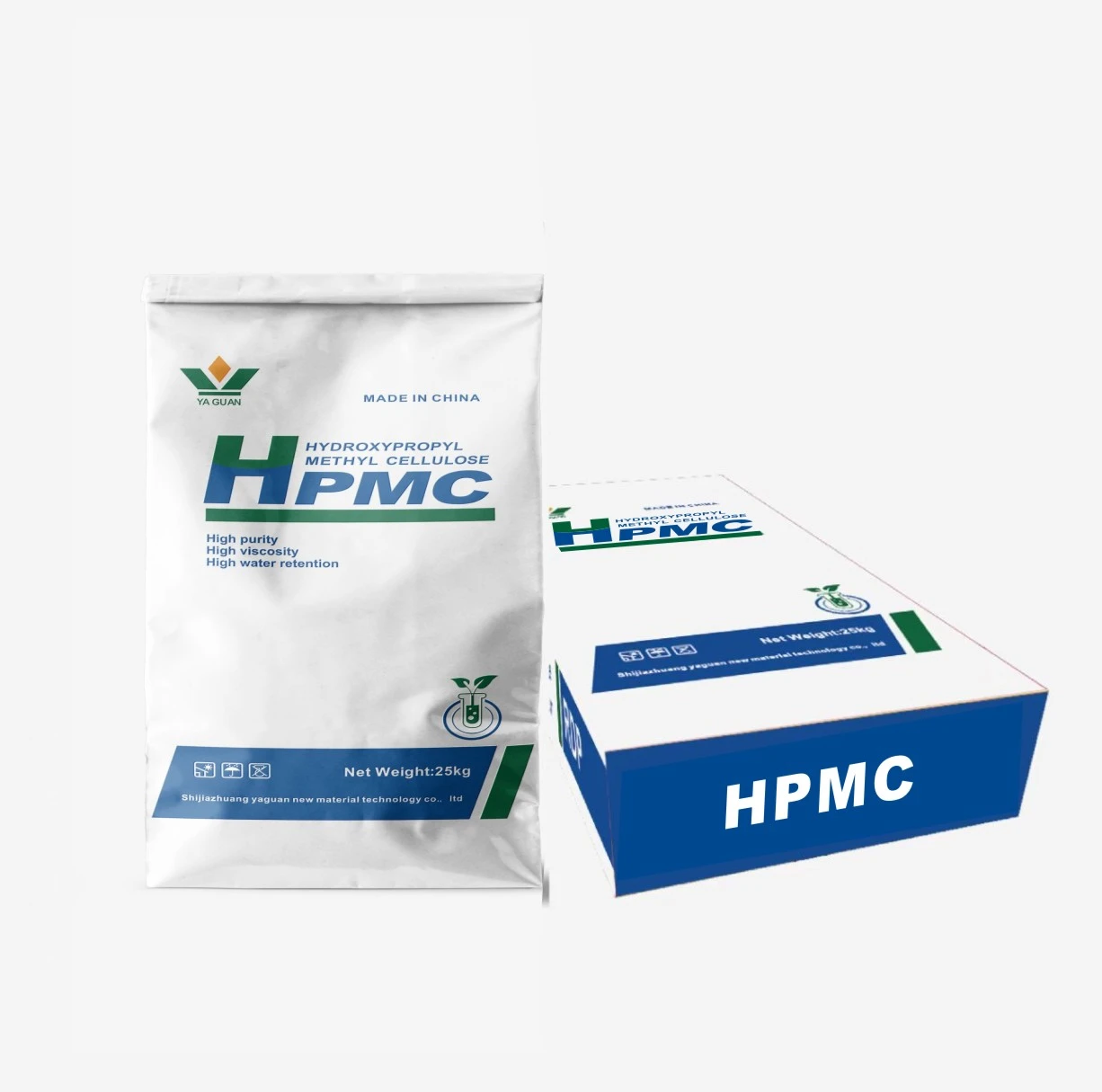
Unlocking the Role of Hydroxypropyl Methylcellulose in Tablets
If you've ever wondered what keeps that tablet from crumbling apart before you even pick it up, the secret often lies in hydroxypropyl methylcellulose (HPMC). Specifically, in tablet hydroxypropyl methylcellulose is used as a key excipient that makes all the difference between a powdery mess and a smooth, effective pill. Globally, understanding this compound is vital—not only to pharmaceutical manufacturers but to healthcare professionals and patients relying on consistent, safe medications.
### Global Context: Why This Matters More Than Ever
The healthcare industry is booming worldwide, expected to exceed $12 trillion by 2025, with oral solid dosage forms constituting a major chunk of all medicines consumed (source: WHO). In tablet manufacturing, excipients like hydroxypropyl methylcellulose play an indispensable role. Its use meets the ever-increasing demand for stable, repeatable, and effective formulations.
But there’s a catch: tablets often face challenges such as poor binding, delayed release, or incompatibility with active ingredients. This is where the versatile polymer, often referred to simply as HPMC, comes into play. It has become a global staple precisely because it solves many issues that manufacturers face—bringing uniformity, patient safety, and cost-effectiveness in an industry where these attributes count more than anything else.
### What Is Hydroxypropyl Methylcellulose — Simply Put?
Hydroxypropyl methylcellulose (HPMC) is a semi-synthetic, inert polymer derived from cellulose, the main structural component in plant cell walls. In the context of tablets, it’s used as a binder, film former, and controlled release agent. Translating that: it helps hold all the tablet’s ingredients together, controls the rate at which medicine is released into your body, and often forms the protective coating that makes swallowing easier.
In real-world terms, in tablet hydroxypropyl methylcellulose is used as a key building block to ensure dose accuracy and medication safety—two absolutely fundamental goals for any pharmaceutical product. And as the industry grows, so does the demand for excipients like HPMC that can fulfill a range of performance criteria.
### The Key Features Behind Its Popularity
Let’s break down why in tablets hydroxypropyl methylcellulose is used as a multifunctional ingredient, focusing on a few critical factors:
#### 1. Binding and Tablet Integrity
HPMC’s adhesive nature gives tablets the much-needed cohesion to withstand handling and transport. It prevents crumbling, which can lead to inaccurate dosing or patient dissatisfaction.
#### 2. Controlled Drug Release
One of HPMC’s standout traits is its ability to modulate how fast or slow an active pharmaceutical ingredient (API) dissolves. This makes it invaluable for sustained-release tablets, giving patients a more even therapeutic effect.
#### 3. Film Coating and Taste Masking
Because it forms a smooth film coating, HPMC improves patient compliance by masking unnecessary bitterness and facilitating easier swallowing.
#### 4. Compatibility and Safety Profile
HPMC is chemically inert and non-toxic, making it safe for a wide array of drugs and formulations without unexpected chemical reactions.
#### 5. Moisture Control
Oddly enough, it also helps moderate moisture uptake, which is crucial to maintaining tablet stability over shelf life.
Here’s a quick snapshot in a table for those who appreciate specs and numbers:
| Specification |
Details |
| Chemical Family |
Cellulose Derivative |
| Appearance |
White to Off-White Powder |
| Solubility |
Water-soluble; Insoluble in Alcohol |
| Viscosity Range |
3,000-100,000 mPa·s (varies per grade) |
| pH Stability |
Stable in pH 3 to 11 |
### How Is Hydroxypropyl Methylcellulose Actually Used Around the World?
In the pharmaceutical industry, in tablet hydroxypropyl methylcellulose is used as a binder and release modifier, but the scope extends beyond just small molecule pills. For example:
- In Europe and North America, it’s standard in controlled-release formulations for chronic illness medications.
- In Asia-Pacific, rapid growth in generic tablet production depends heavily on cost-effective yet reliable excipients like HPMC.
- In humanitarian aid efforts, tablets incorporating HPMC help ensure that medications maintain stability under challenging transport and storage conditions.
A little known story: During disaster relief operations, pills might be exposed to humidity or temperature fluctuations. HPMC’s moisture-retentive yet protective qualities have saved countless doses from becoming useless—crazy to think a polymer contributes so much to global health in these rugged conditions.
### The Benefits You Can Count On
Let’s be frank: cost matters to manufacturers, but end-users care about safety and consistency. Using hydroxypropyl methylcellulose in tablets aids both stakeholders by:
- Improving patient safety with predictable drug release
- Extending shelf life, reducing waste and lowering production costs
- Enhancing patient compliance via smooth tablet coatings
- Supporting sustainable manufacturing since cellulose derivatives are bio-based
It’s a rare win-win-win, honestly. The long-term impact is a broader public trust that medications will perform as promised.
### What’s Next? Future Trends in Tablet Formulations
Pharmaceutical innovation isn’t slowing down, and neither is the evolution of excipients like HPMC. Expect to see:
- More eco-conscious sourcing as manufacturers favor biodegradable and renewable excipients.
- Tailored viscosity grades for specialized drug delivery systems—including 3D-printed tablets.
- Integration with digital pharma tools to monitor release profiles more precisely.
- Hybrid excipients and coatings that combine HPMC with smart polymers for targeted therapies.
The exciting thing is how this well-understood compound can still evolve, meeting tomorrow’s pharma challenges—perhaps surprisingly transforming how we think about “simple” tablet ingredients.
### Challenges & Solutions in Tablet Manufacturing
One ongoing challenge is batch-to-batch consistency. Variations in HPMC viscosity or purity can affect tablet quality. Many companies solve this by:
- Sourcing from reputable suppliers with tight quality standards.
- Implementing rigorous in-house testing protocols.
- Combining HPMC with complementary binders to optimize performance.
Classic tech tips often come from industry forums or even user testimonials — oddly enough, experience trumps mere lab data sometimes.
### FAQ: Common Questions About Hydroxypropyl Methylcellulose in Tablets
Q1: What makes hydroxypropyl methylcellulose different from other binders?
A1: Unlike simple starch or cellulose powders, HPMC offers controlled release capabilities and film-forming properties that improve both tablet integrity and drug delivery.
Q2: Is HPMC safe for all patients?
A2: Yes. It’s non-toxic, non-irritant, and widely approved by regulatory agencies worldwide, including FDA and EMA.
Q3: Can HPMC be used in vegetarian or vegan formulations?
A3: Absolutely. Derived from plant cellulose, HPMC is fully plant-based and suitable for vegetarian and vegan products.
Q4: How does HPMC affect tablet shelf life?
A4: Its moisture-stabilizing role helps maintain tablet hardness and prevents premature degradation, extending overall shelf life.
Q5: Where can I learn more about hydroxypropyl methylcellulose suppliers?
A5: Industry websites, pharmaceutical trade shows, and supplier platforms like
in tablet hydroxypropyl methylcellulose is used as provide comprehensive listings.
### Vendor Comparison: Spotlight on Leading HPMC Suppliers
| Supplier |
Viscosity Grades Offered |
Regulatory Approvals |
Global Reach |
Special Features |
| Supplier A |
3,000 – 50,000 mPa·s |
FDA, USP, EP |
North America, Europe, Asia |
Custom milling and particle sizes |
| Supplier B |
5,000 – 100,000 mPa·s |
FDA, ISO 9001 |
Global |
Eco-friendly sourcing and packaging |
| Supplier C |
Varied custom grades |
USP, EP, Halal Certified |
Asia Pacific focus |
Tailored polymers for controlled release |
### Wrapping It Up: Why It’s Worth Knowing About HPMC
In tablet hydroxypropyl methylcellulose is used as more than just a filler or binder; it’s a cornerstone material that shapes patient outcomes, manufacturing ease, and pharmaceutical innovation alike. From its humble cellulose origins to its modern-day applications, HPMC stands as a trusted partner in global health. If you want to dig deeper into this fascinating compound or explore sourcing options, don’t hesitate to visit
our website.
---
### Mini Takeaways:
- HPMC is a versatile excipient essential for tablet cohesion and controlled drug release.
- Global demand is driven by the pharmaceutical industry's growth and the need for quality drugs.
- Its safety, plant-based nature, and role in moisture control make it indispensable.
- Future trends lean toward eco-friendly, customizable grades meeting evolving drug delivery needs.
### References:
1. Wikipedia contributors. “Hydroxypropyl methylcellulose.” Wikipedia. https://en.wikipedia.org/wiki/Hydroxypropyl_methylcellulose
2. World Health Organization, “Global report on traditional and complementary medicine,” 2019.
3. ISO standards for pharmaceutical excipients (ISO 11135:2014).