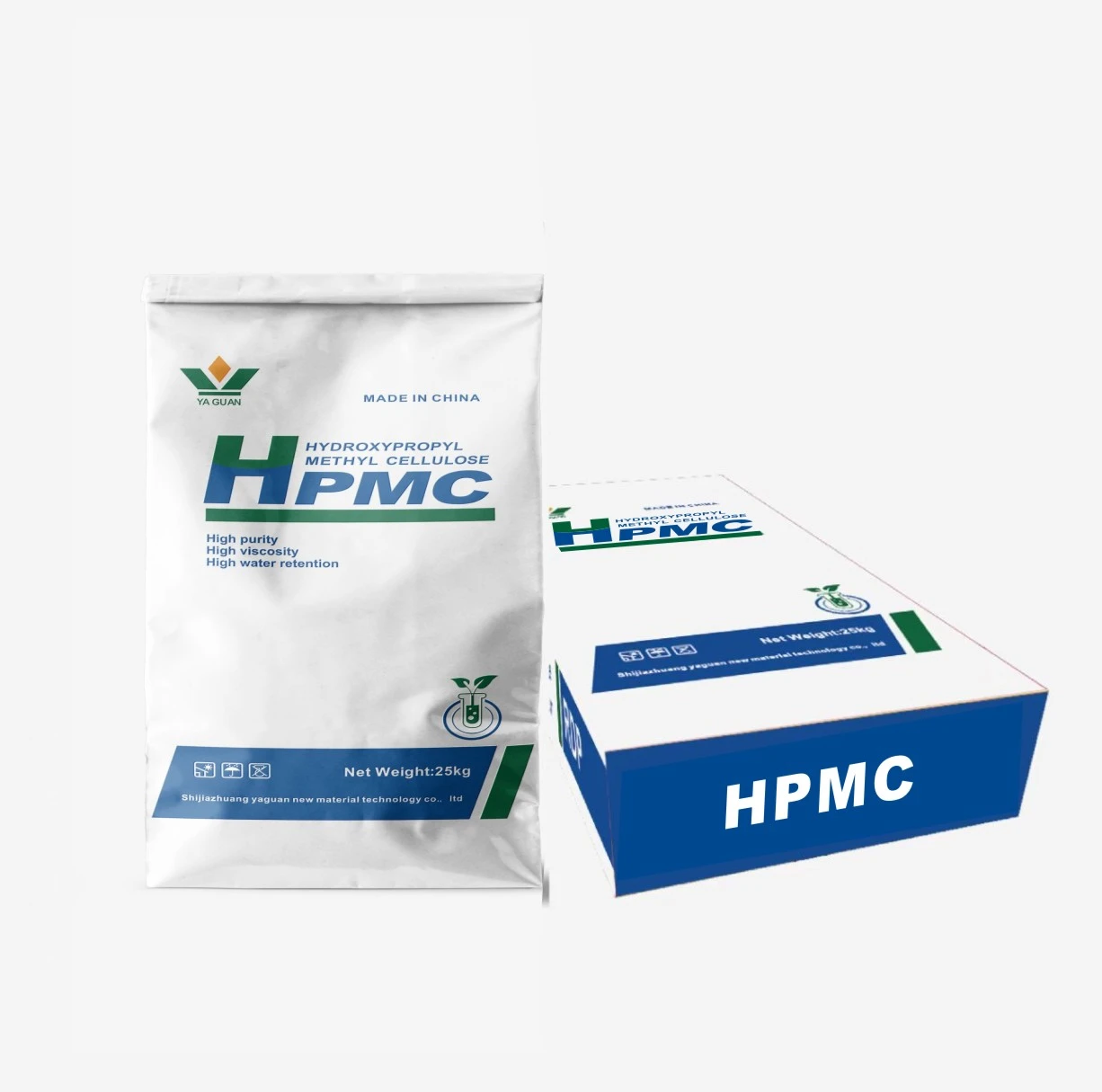

Understanding Hydroxypropyl Methylcellulose Uses in Cosmetics: What’s the Buzz About?
If you've ever skimmed the label on your favorite lotion or makeup product, you might have come across a mouthful: hydroxypropyl methylcellulose (HPMC). Don’t worry—it's not just a random science term tossed in to sound fancy. This ingredient quietly powers the texture, stability, and usability of countless cosmetic products worldwide. The global cosmetics market, worth over $400 billion as of 2023 (Statista), increasingly relies on such multifunctional compounds that not only enhance product performance but also meet evolving consumer demands for sustainability and safety.
So, why do hydroxypropyl methylcellulose uses in cosmetics matter globally? Simply put: HPMC addresses the tricky challenge of making products that feel good on the skin, last longer on the shelf, and play nice with sensitive users—all while manufacturers seek eco-conscious ingredients. If you care about what goes on your skin or work in product formulation, knowing HPMC’s role is like having a key to a neatly organized toolbox.
The Global Context: A Cosmetic Ingredient That Crosses Borders
Globally, the beauty and personal care industry has been evolving rapidly with consumers demanding cleaner, safer, and more effective products. The World Bank reports rising disposable incomes in emerging markets, fueling demand for premium and specialty cosmetics. Meanwhile, ISO has established multiple standards around cosmetic safety and raw material sourcing, reflecting the pressure for higher quality and transparency. Against this backdrop, the use of hydroxypropyl methylcellulose in cosmetics plays a quiet but important role.
Why? Because formulating cosmetics that deliver consistent texture, enhance ingredient dispersion, and maintain product stability—especially those claiming “natural” or “organic” status—can be tricky. HPMC steps in as a plant-derived cellulose ether that can thicken, emulsify, and stabilize without the usual synthetic baggage. This helps manufacturers meet regulations and consumers’ desires alike.
Mini takeaway:
Hydroxypropyl methylcellulose’s global appeal isn’t just about chemistry; it’s about meeting rising expectations for quality and ethics in cosmetics.
Breaking It Down: What Exactly Is Hydroxypropyl Methylcellulose in Cosmetics?
At its core, hydroxypropyl methylcellulose is a chemically modified cellulose—a polymer chain derived from the structural component of plants. Unlike plain cellulose, which is insoluble in water, HPMC dissolves readily to create a gel-like consistency. This makes it a superb thickening agent, film former, and stabilizer in cosmetic formulations. Cosmetics manufacturers lean on it to control viscosity (how thick or runny a product feels), improve the spreadability, and prevent ingredients from separating over time.
The fact that it’s plant-based means it aligns nicely with the modern push for sustainable, renewable resources in the beauty world. And though it goes by several names, its aliases like E464 (in food and cosmetics) don’t hide the same multifunctional properties.
Mini takeaway:
Hydroxypropyl methylcellulose is essentially plant cellulose designed to lend texture and stability, making products pleasant and reliable.
Key Properties Driving Hydroxypropyl Methylcellulose’s Cosmetic Value
1. Viscosity Control
In cosmetics, a product’s thickness profoundly impacts user experience. HPMC allows formulators to dial up or down this thickness with precision, creating lotions that feel silky or gels with a pleasant firmness. It also helps keep powders suspended, avoiding clumps.
2. Film-Forming Capability
HPMC can create a thin, breathable film on the skin, which is useful in products like facial masks or sunscreens. This film helps lock in moisture while delivering actives evenly.
3. Stability and Compatibility
It stabilizes emulsions by preventing oil and water phases from separating—crucial for creams. Also, it is compatible with various pH levels and other ingredients, reducing the risk of irritation.
4. Water Retention
Because HPMC binds water, it enhances moisturization. This is why it’s prevalent in lotions and hydrating serums.
5. Safety and Biodegradability
Recognized as safe by ISO and FDA guidelines, and biodegradable, HPMC fits into the sustainability story on multiple levels.
| Property | Description | Typical Cosmetic Use |
|---|---|---|
| Viscosity Control | Adjusts thickness from thin lotions to thick creams | Creams, lotions, gels |
| Film-Forming | Creates thin, protective skin films | Masks, sunscreens |
| Stabilizing Emulsions | Prevents phase separation | Creams, lotions |
| Hydration | Retains moisture on skin surface | Hydrating serums, lotions |
| Biodegradability | Eco-friendly, renewable polymer | All cosmetic types |
Mini takeaway:
HPMC’s versatility is why many formulators consider it an essential toolkit ingredient — balancing texture, skin feel, and stability.
How Hydroxypropyl Methylcellulose Is Applied Globally
Whether you’re in Europe, North America, or Asia, HPMC appears in everything from moisturizing creams in Paris to sunscreen formulations in Australia. Emerging markets like India and Brazil also show a huge surge in incorporating HPMC to meet both modern standards and local preferences.
In real terms, companies leverage HPMC’s compatibility with natural and organic cosmetic lines—aligning with consumer demands documented by the UN Environment Programme’s promotion of sustainable production. Cosmetic giants partner with suppliers to ensure source traceability, as increasingly sophisticated supply chains use HPMC as a cornerstone ingredient.
Surprisingly, this ingredient also finds its way into specialty products for sensitive skin and baby care, underlining its gentle profile.
Comparing Industry Vendors: Key Players in HPMC Supply
| Vendor | Product Grades Offered | Sustainability Credentials | Global Reach | Price Range (per kg) |
|---|---|---|---|---|
| Company A | Pharma & Cosmetic grades | ISO 14001 certified, biodegradable | Worldwide (100+ countries) | $15–$25 |
| Company B | Cosmetic & Food grades | Non-GMO, renewable sourcing | Asia, Europe, Americas | $18–$27 |
| Company C | High-purity cosmetic grades | Vegan, cruelty-free certified | Global plus emerging markets | $20–$30 |
Long-Term Benefits: Why Should We Care?
Beyond its practical uses, hydroxypropyl methylcellulose embodies a broader story of innovation aligned with responsibility. It helps brands reduce reliance on synthetic polymers that may be less eco-friendly. For manufacturers, it offers product reliability, reducing waste from failed batches or unstable formulations.
Emotionally, products feel more trustworthy when they perform consistently without harsh effects—especially for sensitive or aging skin. Socially, using biodegradable and plant-based ingredients helps advance sustainability goals that matter more every year in climate conversations.
Looking Ahead: Trends Shaping Hydroxypropyl Methylcellulose in Cosmetics
The future feels promising. Green chemistry innovations focus on improving HPMC’s functional properties even more, enhancing its biodegradability and reducing the environmental footprint of production. Digital formulation tools—powered by AI—are helping chemists design cosmetics that optimize HPMC concentrations perfectly for specific skin types or climates.
Meanwhile, regulatory pressures continue to push for transparency and clean label certifications, a trend pushing more brands to include HPMC as their go-to cellulose ether over synthetics.
Challenges & Solutions
Of course, no ingredient is perfect. Some formulations can suffer from sensitivity to mechanical shear or temperature fluctuations affecting HPMC performance. Also, sourcing sustainably with consistent quality poses supply chain challenges.
Industry experts suggest blending HPMC with complementary natural polymers or tweaking modification degrees to boost resilience. Meanwhile, investment in reliable supplier partnerships ensures traceability and quality over time.
FAQs About Hydroxypropyl Methylcellulose Uses in Cosmetics
- Q: Is hydroxypropyl methylcellulose safe for sensitive skin?
- A: Yes, it’s widely regarded as safe and gentle. Due to its neutral chemical nature and pH compatibility, many sensitive skin and baby products use HPMC as a thickener and stabilizer.
- Q: Can hydroxypropyl methylcellulose replace synthetic thickeners?
- A: Often, yes. While synthetic polymers can offer certain strengths, HPMC offers a biodegradable and plant-based alternative that performs comparably in viscosity and stability.
- Q: How does hydroxypropyl methylcellulose impact product shelf life?
- A: HPMC helps maintain emulsion stability, reducing ingredient separation and degradation. This improves shelf life by keeping formula integrity intact.
- Q: Is hydroxypropyl methylcellulose vegan and cruelty-free?
- A: Since it’s plant-derived, HPMC fits vegan criteria and is generally accepted by cruelty-free certifications, though always verify specific formulations.
Wrapping Up: Why Hydroxypropyl Methylcellulose Uses in Cosmetics Matter Long-Term
From thickening lotions to forming delicate protective films, hydroxypropyl methylcellulose quietly supports modern cosmetic innovation in a way that’s thoughtful about health, performance, and planet. As consumers increasingly seek products that balance efficacy with environmental values, HPMC’s role only deepens.
For formulators and product developers, brushing up on this ingredient’s capabilities ensures smarter, more reliable creations. And for curious consumers? It’s just nice to know what’s behind that silky feel.
Interested in learning more or sourcing high-quality hydroxypropyl methylcellulose? Visit our website: hydroxypropyl methylcellulose uses in cosmetics.