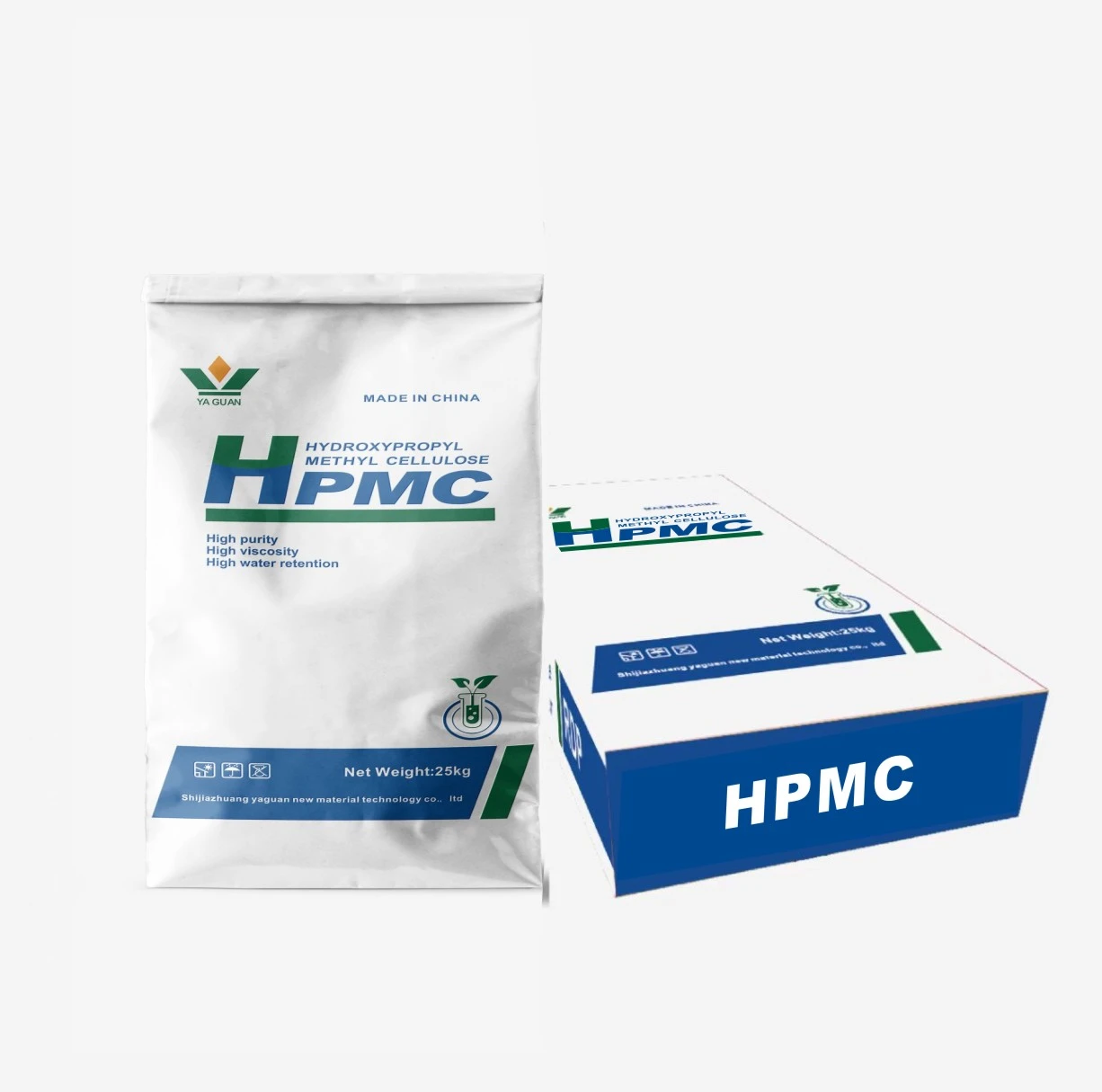
What is Hydroxypropyl Methylcellulose Used For and Why It Matters Today
Hydroxypropyl methylcellulose (HPMC) might sound like a mouthful, but it quietly plays a starring role across various global industries. If you’re unfamiliar, this compound is a versatile, cellulose-derived polymer used widely as a thickener, binder, and film former. Its importance is truly global — from construction sites in Europe to food processing factories in Asia and pharmaceutical labs worldwide.
Understanding what hydroxypropyl methylcellulose is used for helps shed light on how it supports sustainability, innovation, and product quality in modern manufacturing. Whether you’re in construction, food, cosmetics, or even medicine, HPMC likely shapes the products and services you rely on daily.
The Global Context: Why Hydroxypropyl Methylcellulose Usage is Expanding
Globally, industries are steadily shifting toward eco-friendly and efficient materials. According to the International Organization for Standardization (ISO), demand for sustainable additives that reduce harmful emissions and waste is rising. Hydroxypropyl methylcellulose fits the bill perfectly.
It’s also worth noting that the food and pharmaceutical sectors, driven by rising health awareness and regulatory standards (e.g., WHO guidelines), increasingly rely on safe, non-toxic stabilizers and binders like HPMC. In many developing economies, the material’s affordability and multifunctionality address challenges ranging from food shelf-life to drug delivery mechanisms.
But there’s a catch: meeting the unique requirements of diverse regions — from humid tropical climates to arid zones — calls for customized HPMC grades. This creates a growing market but also some fresh challenges in formulation, logistics, and quality control.
Breaking It Down: What Exactly Is Hydroxypropyl Methylcellulose?
Put simply, hydroxypropyl methylcellulose is a chemically modified natural polymer. Derived from cellulose— the structural component in plants — it is treated to gain water solubility and enhanced stability. This makes it an excellent emulsifier, thickening agent, and film former.
Think of HPMC as a chameleon polymer. It adapts its behavior under different conditions, meaning it can stabilize a lotion, control the texture of gluten-free bread, or improve the workability of cement pastes and plasters. In humanitarian terms, this flexibility means it can be used in everything from affordable construction materials for disaster relief shelters to moisture retention in food aid packages.
Main Characteristics of Hydroxypropyl Methylcellulose
1. Versatile Rheology Control
Hydroxypropyl methylcellulose efficiently adjusts viscosity — whether thinning liquids or thickening pastes. This rheology control is key in manufacturing where product consistency is non-negotiable.
2. Thermal Gelation
HPMC gels upon heating, which is valuable in food processing or pharmaceutical capsule making, where precise thermal control matters.
3. Film-Forming Ability
Its capacity to create a strong, transparent film is exploited in coatings, adhesive formulations, and protective layers on tablets.
4. Non-Toxic and Biodegradable
Derived from natural cellulose and modified without harmful chemicals, it’s safe for human consumption and degrades in the environment — a huge plus in today’s sustainability-conscious world.
5. Stability in Variable pH
HPMC remains stable over a wide pH range, making it suitable for applications from acidic foods to alkaline construction mixtures.
Mini takeaway:
- Hydroxypropyl methylcellulose is a multifaceted, eco-friendly polymer that regulates texture, stability, and structure across many sectors.
- Its unique gelation and film-forming properties enable innovation in food, pharma, and construction industries globally.
Global Applications: How Industries Use Hydroxypropyl Methylcellulose
HPMC’s reach is truly international and diverse:
- Food Industry: Acts as a thickener, emulsifier, and gluten substitute in bakery, dairy, and sauces. For example, European gluten-free bread producers rely on HPMC to improve texture and shelf life.
- Pharmaceuticals: Used as a tablet binder, film coating, and controlled-release matrix. Many drug manufacturers in North America and India use it for extended-release medications.
- Construction: Improves workability and water retention in cement, mortar, and plasters. NGOs involved in housing projects in sub-Saharan Africa use HPMC-enhanced plasters for durable, sustainable shelters.
- Cosmetics: Thickens shampoos and creams while providing a smooth feel. Japanese and Korean beauty brands frequently include HPMC for natural texture enhancement.
Oddly enough, it even finds its way into oil drilling fluids to adjust viscosity and protect equipment, reinforcing its versatility.
Mini takeaway:
- From food to pharma and construction to cosmetics, hydroxypropyl methylcellulose sustains quality and safety.
- Its global use touches everything from luxury skincare lines in Asia to affordable housing projects in Africa.
Hydroxypropyl Methylcellulose Product Specifications
| Property | Typical Range | Implication |
|---|---|---|
| Methoxy Content (%) | 19.0 – 24.0 | Controls hydrophobicity |
| Hydroxypropoxy Content (%) | 4.0 – 12.0 | Adjusts solubility & viscosity |
| Viscosity (mPa·s, 2% solution) | 100 – 4000 | For different thickening needs |
| PH Stability Range | 4 – 11 | Keeps properties stable |
| Appearance | White Powder | Easy to handle & mix |
Comparing Top Hydroxypropyl Methylcellulose Vendors
| Vendor | Product Range | Certifications | Price Level | Global Reach |
|---|---|---|---|---|
| Vendor A | Wide (Food, Pharma, Construction) | ISO 9001, FDA Approved | Mid-High | Worldwide |
| Vendor B | Niche (Construction mostly) | ISO 14001 | Budget-friendly | EMEA focus |
| Vendor C | Pharma & Cosmetics | GMP, NSF Certified | Premium | Global with strong APAC presence |
Long-Term Advantages of Hydroxypropyl Methylcellulose
In real terms, the long-lasting advantages of using hydroxypropyl methylcellulose are not just technical — they inspire confidence and innovation. Its biodegradability and non-toxicity mean industries can develop products that are safer for consumers and less damaging to the environment. For businesses, when you add ease of processing, cost efficiency, and a wide range of customization, the picture gets pretty clear.
Many formulators, engineers, and product managers will tell you: HPMC is reliable. It’s the kind of material that doesn’t suddenly change its behavior mid-production or cause unexpected failures. That kind of trust is priceless — especially in industries where health, safety, and quality standards are strict.
The Future of Hydroxypropyl Methylcellulose: Innovations and Trends
Looking ahead, R&D teams are advancing HPMC grades tailored for green construction, like carbon-capturing cement mixes. Innovations also focus on improving bioavailability in pharmaceutical applications, lowering dosage while maintaining effectiveness.
Digitization and automation in quality control mean consistent HPMC performance with less variability. Meanwhile, sustainability continues to guide material choices — so expect HPMC derived from even more renewable sources, cutting carbon footprints further.
Challenges and Solutions in Using Hydroxypropyl Methylcellulose
Challenges? Like anything, there are a few. For one, suppliers must often contend with batch-to-batch variability if raw cellulose sources differ. Also, manufacturing conditions — temperature, pH, mixing speed — influence its behavior quite a bit.
Expert formulators tackle this through rigorous quality control and formulation testing. Some companies use blended grades to offset inconsistencies, while others invest in process automation for repeatability.
Then there’s the logistical side. Shipping powder safely and ensuring moisture protection means smart packaging is a must, especially when exporting internationally.
FAQ: Frequently Asked Questions About Hydroxypropyl Methylcellulose Used For
- What industries most commonly use hydroxypropyl methylcellulose?
- HPMC is prevalent in food, pharmaceuticals, construction, and cosmetics. Each sector values it for its thickening, binding, and film-forming properties, tailored to specific product requirements.
- How does hydroxypropyl methylcellulose improve gluten-free baking?
- It mimics gluten’s viscoelastic properties, improving dough structure and moisture retention, leading to bread that is less crumbly and has a better shelf life.
- Is hydroxypropyl methylcellulose safe for human consumption?
- Yes, it is non-toxic and approved by regulatory bodies like the FDA and EFSA for use in food and pharmaceutical products.
- Can hydroxypropyl methylcellulose be customized for specific applications?
- Definitely. Manufacturers adjust viscosity, solubility, and degree of substitution to meet unique needs across industries.
- How do I choose a reliable vendor for hydroxypropyl methylcellulose?
- Look for certifications like ISO, FDA approval, consistent quality control, and global reach. Vendor expertise in your industry is a bonus for technical support.
Conclusion: Why Hydroxypropyl Methylcellulose Used For Will Keep Growing
To wrap it up, hydroxypropyl methylcellulose is more than just a chemical additive — it’s a backbone for innovation and sustainability in many modern industries. Its diverse applications support quality, safety, and eco-consciousness across global markets.
Curious to learn more or source high-quality HPMC? Visit https://www.yaguanhpmc.com for in-depth info and product solutions tailored for your industry.