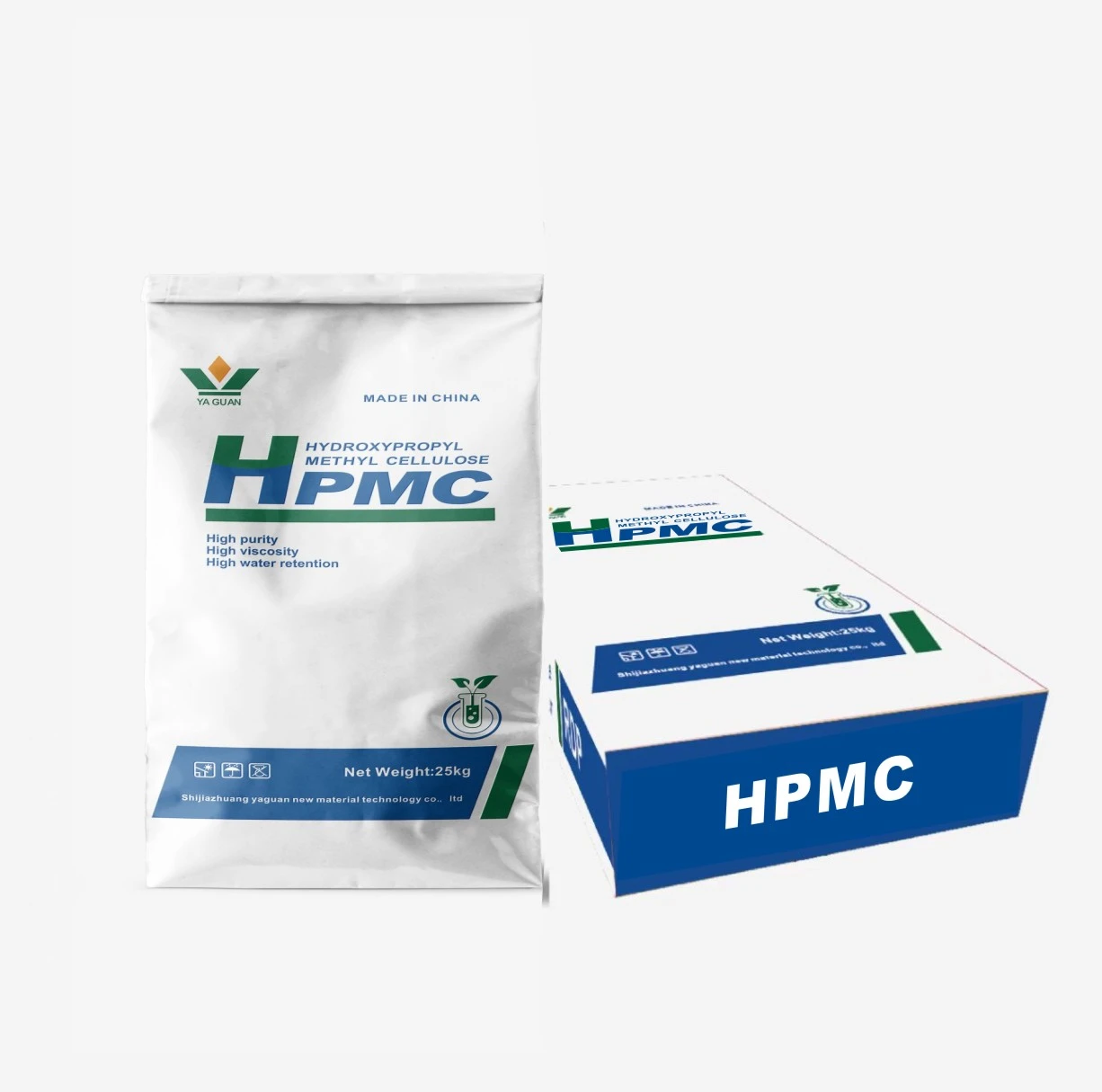
Hydroxypropyl Methylcellulose Is Used In: A Global Perspective
Hydroxypropyl methylcellulose, or HPMC for short, might not be a household name, but it’s quietly pivotal in many industries worldwide. This fascinating cellulose derivative serves countless roles—from food additives to construction materials, pharmaceuticals to personal care. It’s the kind of ingredient that quietly improves quality of life across continents, helping both industry and humanitarian efforts flourish.
Understanding where hydroxypropyl methylcellulose is used in today’s world means recognizing its broad versatility and impact. As global population growth intensifies demands on food production, medicine, and infrastructure, substances like HPMC help meet these challenges by improving product stability, sustainability, and safety.
Mini takeaway: Hydroxypropyl methylcellulose is more than just a chemical; it’s a vital, multi-functional element supporting global industry and humanitarian progress.
Global and Industry Context: Why Hydroxypropyl Methylcellulose Matters
The global market for hydroxypropyl methylcellulose is booming — analysts expect steady growth notably fueled by the pharmaceutical and construction sectors. According to industry reports cited by bodies like the United Nations Industrial Development Organization (UNIDO), the demand for sustainable, safe materials is skyrocketing. Around 250 million tons of cellulose derivatives are produced annually worldwide, and HPMC makes up a significant share.
One challenge that hydroxypropyl methylcellulose tackles is product consistency in harsh or variable environments — think construction in tropical humidity or tablet manufacturing where binders must perform reliably. In humanitarian contexts, HPMC’s role in food texture stabilization and slow-release medications is notable. These uses contribute to improved health outcomes even in resource-limited areas.
Mini takeaway: The growing global push for sustainability and efficiency has put hydroxypropyl methylcellulose at the heart of several critical manufacturing and humanitarian solutions.
What Exactly Is Hydroxypropyl Methylcellulose?
Simply put, hydroxypropyl methylcellulose is a water-soluble polymer derived from cellulose — the main structural component of plants. By chemically modifying cellulose with hydroxypropyl and methyl groups, manufacturers create a compound that dissolves in water, forms gels, and acts as an emulsifier, film-former, or thickener depending on the application.
Its connection to modern industry lies in this versatility. Pharmaceutical tablets use HPMC as binders and controlled-release agents, construction uses it as a water-retention additive or adhesive, and in food production, it stabilizes emulsions and textures. On a humanitarian front, its role in ensuring stable drug delivery and safe food preservation can be life-changing in remote or crisis areas.
hydroxypropyl methylcellulose is used in so many surprising ways that its impact often goes unnoticed until you need it.
Key Factors Driving Hydroxypropyl Methylcellulose Usage
1. Versatility
Depending on formulation, HPMC can act as a thickener, binder, film former, or emulsifier. This versatility allows it to meet diverse industry needs.
2. Safety and Biocompatibility
It’s non-toxic and generally recognized as safe (GRAS) for food and pharmaceuticals, making it ideal for sensitive applications. This ensures a wide range of global regulatory acceptance.
3. Water Retention and Stability
Especially in construction and personal care products, HPMC extends moisture retention, improving material lifespan and performance.
4. Processability and Scalability
HPMC’s composition allows it to be tailored easily in particle size and solubility — crucial for scaling production without compromising quality.
5. Environmental Sustainability
Displacing synthetic or petroleum-based binders, HPMC offers a biodegradable, plant-based alternative, aligning with green industry trends.
Mini takeaway: The blend of safety, functionality, and eco-friendliness makes hydroxypropyl methylcellulose a top choice in multiple sectors.
Real-World Applications Around the Globe
Here’s where it gets interesting: hydroxypropyl methylcellulose is deeply embedded in industries and regions worldwide.
- Pharmaceuticals: Used globally as a tablet binder and controlled-release agent, ensuring consistent medication delivery from Germany to India’s pharma hubs.
- Food Industry: Stabilizes sauces and bakery items in North America and Europe, helping manufacturers maintain product freshness.
- Construction: In places like Australia and the Middle East, HPMC enhances wall plaster, tile adhesives, and cement-based materials, improving durability under extreme temperatures.
- Cosmetics: Personal care brands in Japan and South Korea rely on HPMC for smooth gel formulations.
- Humanitarian Aid: NGOs producing nutrient-dense foods or controlled-release medicines in Africa and Southeast Asia use HPMC to ensure consistency under transport stresses.
One example: A disaster relief organization recently deployed food supplements with HPMC-stabilized textures to refugee camps, significantly reducing spoilage.
Product Specification Table
| Property | Specification | Application Relevance |
|---|---|---|
| Appearance | White to off-white powder | Easy mixing, consistent quality |
| Viscosity (2% solution) | 1000 - 20,000 mPa·s | Controls thickness in coatings, food |
| pH Value (2% sol.) | 5.0 - 8.0 | Compatible with various formulations |
| Moisture | ≤5% | Ensures shelf life stability |
| Solubility | Water-soluble | Essential for food & pharma applications |
The Tangible Advantages of Hydroxypropyl Methylcellulose
Companies and communities worldwide appreciate HPMC because it delivers more than technical specs. The benefits extend into cost savings due to its multifunctionality—reducing the need for multiple additives. It also improves product longevity and reduces waste, critical in sustainability-focused projects.
From an emotional standpoint, you could say HPMC contributes to trust and safety. For example, patients relying on consistent medication dosing or families consuming stable, nutritious food are indirectly benefiting from this ingredient’s reliability.
Its biodegradable nature also means users can feel good about choosing ingredients that reduce environmental impact, aligning with values increasingly important across industries.
Looking Ahead: Future Trends and Innovations
Hydroxypropyl methylcellulose usage aligns well with advancing concepts like green chemistry and digital manufacturing. Researchers are experimenting with HPMC derivatives combined with nanomaterials to improve strength and biodegradability further.
There’s also growing interest in tailoring HPMC grades for smart-release pharmaceuticals and 3D-printed food items. With automation streamlining production, scalability and customization of HPMC-based solutions promise exciting breakthroughs.
Governments and standards bodies are pushing for certifications ensuring plant-based, sustainable additives—essentially formalizing the place for compounds like HPMC in a greener future.
Challenges and Clever Solutions
While hydroxypropyl methylcellulose is versatile, certain challenges remain. Handling and dust control during manufacturing call for strict quality controls. Also, its performance can vary depending on raw material source and processing conditions.
Innovative solutions include encapsulation technologies to improve solubility and blending with complementary polymers to expand its application scope. Many manufacturers invest in quality audits and multi-source supply chains to ensure consistency and reliability.
Vendor Comparison Table
| Vendor | Product Range | Global Reach | Price Range | Special Features |
|---|---|---|---|---|
| Yaguan HPMC | Standard to custom grades | Asia, Europe, N.A. | $$ | Sustainable sourcing, quality control |
| Dow Chemical | Wide industrial portfolio | Global | $$$ | High purity, research support |
| CP Kelco | Specialty polymers | Global | $$$ | Customized formulations |
FAQs: What People Ask About Hydroxypropyl Methylcellulose Usage
Q1: What makes hydroxypropyl methylcellulose preferable in tablet manufacturing?
A1: Hydroxypropyl methylcellulose acts as a binder and controlled-release agent, ensuring tablets are stable, dissolve properly, and release medication steadily. Its safety and compatibility make it ideal for pharma products worldwide.
Q2: Can HPMC improve eco-friendliness in construction materials?
A2: Yes, by replacing synthetic polymers, HPMC introduces a biodegradable, plant-based additive that enhances moisture retention and adhesion without harsh chemicals, lowering environmental impact.
Q3: How does hydroxypropyl methylcellulose stabilize food products?
A3: It acts as an emulsifier and thickener, maintaining texture and shelf life. For example, sauces stay smooth and bakery items retain moisture longer.
Q4: Is hydroxypropyl methylcellulose widely accepted by international standards?
A4: Generally yes. It’s recognized by organizations like FDA and EFSA as safe for food and pharmaceutical use, facilitating global trade and application.
Q5: How can NGOs source hydroxypropyl methylcellulose for aid projects?
A5: NGOs can partner with reliable manufacturers such as Yaguan HPMC to secure consistent supplies tailored for humanitarian needs, often navigating import regulations with vendor support.
Wrapping Up: Why Hydroxypropyl Methylcellulose Will Remain a Staple
Looking back, it’s clear that hydroxypropyl methylcellulose’s broad usage stems from its unique ability to adapt to varied and evolving industry needs. From improving medication delivery to making food safer, from eco-friendlier building materials to aiding humanitarian causes — it’s woven into countless success stories worldwide.
If you’re interested in exploring how hydroxypropyl methylcellulose is used in your sector or project, don’t hesitate to visit our website. There’s always more to discover about this versatile, plant-based workhorse.
Mini takeaway: Hydroxypropyl methylcellulose isn’t just a material – it’s a quietly powerful enabler of innovation and sustainability across industries globally.