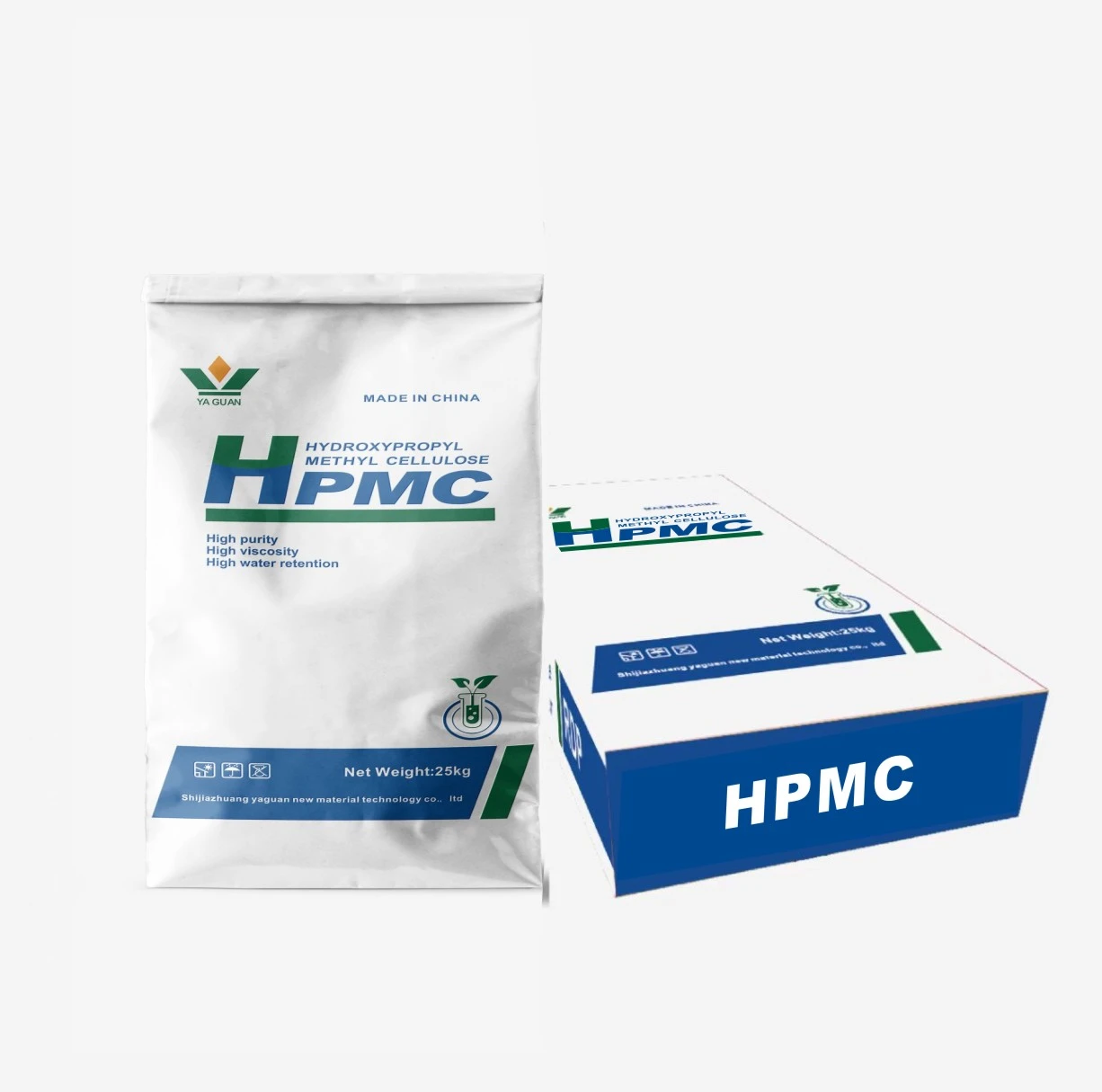

What Is HPMC Used As and Why Does It Matter?
If you’ve ever wandered through the vast world of industrial chemicals, construction materials, or even pharmaceuticals, you might have bumped into the term HPMC used as—a phrase that broadly covers how Hydroxypropyl Methylcellulose, or HPMC, performs in various applications. Now, why should we care? Because this compound silently powers so many things from building smoother walls to helping tablets dissolve just right, meeting global demands for sustainability and efficiency.
Globally, the market for cellulose ethers like HPMC is expected to soar, partly because buildings need better materials, and industries crave greener, safer additives. Plus, when you consider humanitarian efforts in disaster zones or remote areas, fast and reliable solutions involving HPMC become pretty crucial too. It’s like the silent hero in the background, supporting innovation and practicality everywhere.
The Global Context of HPMC in Industry and Beyond
Across continents, the demand for performant, environmentally friendly additives is rising. According to the International Organization for Standardization, cellulose derivatives like HPMC are increasingly regulated due to their broad impact in construction, food, and pharma. Meanwhile, reports from the United Nations Conference on Trade and Development note the growing quest for versatile chemical solutions that simultaneously uphold safety, durability, and biodegradability.
But here’s the snag: many industries struggle with materials that either perform poorly under tough conditions or generate excessive waste. Enter HPMC, which helps bridge that gap by enhancing product stability and usability while aligning with stricter global sustainability goals.
Breaking Down HPMC: What Exactly Is It?
Hydroxypropyl Methylcellulose sounds complicated, but it’s basically a chemically modified cellulose—a naturally sourced polymer extracted from wood pulp or cotton. When chemically tweaked, it becomes this excellent water-soluble film-former and thickener. Think of it as a chameleon: it can act as glue, stabilizer, or moisture manager depending on what’s needed.
Industries use HPMC because it’s safe, non-toxic, and versatile. For example, in pharma, it capsules meds or controls release. In construction, it modifies mortar and plaster to improve workability and resistance. And in cosmetics, it keeps products smooth and consistent.
So this simple cellulose derivative echoes throughout modern life, sometimes invisibly, but always with a purpose.
Core Features that Make HPMC a Go-To Choice
1. Durability & Water Retention
When used as an additive in construction, HPMC improves moisture retention, which prevents premature drying and cracking in plaster or mortar. This longevity translates to stronger walls and fewer repairs down the line — something beloved by builders worldwide.
2. Thermal Stability
HPMC maintains its properties over a wide temperature range, making it ideal for products used outdoors or under variable conditions. It doesn’t degrade easily, which engineers appreciate for consistent performance.
3. Cost Efficiency
While it might seem like an extra cost, HPMC often reduces overall expenses by lowering the need for rework, enhancing product lifespan, and cutting waste.
4. Environmentally Friendly
HPMC is biodegradable and derived from renewable resources, aligning with green manufacturing trends. This is key for companies aiming to reduce their carbon footprint.
5. Versatility and Solubility
Its ability to dissolve in cold water and form gels or films puts it in many sectors, enabling flexible formulation designs that meet different market needs.
Global Applications Where HPMC Really Shines
- Construction: In Europe and Asia, HPMC is widely used in tile adhesives and thinset mortars, where precise consistency is mandatory.
- Pharmaceuticals: In the US and Japan, HPMC capsules are preferred for their inert nature.
- Food Industry: Around the world, it stabilizes sauces and frozen desserts, thanks to its gel-forming traits.
- Disaster Relief Housing: In post-disaster shelters in Southeast Asia, HPMC-enhanced materials help build faster, more resilient walls.
- Cosmetics: Globally adopted to keep lotions and creams smooth and appealing.
For instance, many NGOs delivering quick housing solutions rely heavily on HPMC-reinforced plasters, as the material retains moisture better and resists cracking even in humid climates. That durability can mean the difference between a shelter that lasts months and one that fails early.
Product Specification Table: Typical HPMC Grades
| Specification | Grade A | Grade B | Grade C |
|---|---|---|---|
| Methoxy Content (%) | 19.0 - 24.0 | 22.0 - 26.0 | 21.0 - 25.0 |
| Hydroxypropyl Content (%) | 4.0 - 12.0 | 5.0 - 13.0 | 3.5 - 10.5 |
| Viscosity (mPa·s) | 100,000 - 400,000 | 50,000 - 200,000 | 20,000 - 100,000 |
| Moisture (%) | 4.0 max | 5.0 max | 5.5 max |
Advantages & Long-Term Value of Using HPMC
Let’s get a little personal here. Many engineers I spoke with often mention how much easier their work becomes with HPMC in their mix. There’s a satisfying reliability, almost like a safety net against surprises — whether it’s a hot summer day drying a mortar too fast or a cold winter risking brittleness.
Plus, using HPMC blends logic with conscience. It cuts costs by reducing waste and extends product lifecycle, which translates into fewer repairs and replacements. On the emotional side, it supports dignity — especially in humanitarian projects by ensuring shelters stand firm, giving people security in troubled times.
Looking Ahead: Trends and Innovations in HPMC Applications
Roughly speaking, the future of HPMC might just grow greener and more connected. Researchers are developing bio-based modifications to tailor HPMC’s properties for next-gen waterproof coatings or even smart drug delivery systems that adjust release based on body temperature.
Also, digitization plays a role. IoT sensors embedded in construction materials incorporating HPMC can monitor drying, humidity, and stress levels — improving quality control immensely. Automation means batch consistency improves, reducing human error.
Environmental policy worldwide favors biodegradable additives, so expect tighter regulations phasing out less eco-friendly alternatives in favor of cellulose ethers like HPMC. It’s a classic case of technology meeting sustainability head-on.
Challenges and How the Industry Is Tackling Them
Of course, no product is without quirks. HPMC can be sensitive to extreme pH levels and some solvents, which limits its use in certain chemical environments. Also, standardizing quality globally remains a hurdle because impurities or variations in raw cellulose sources affect results.
Experts recommend rigorous quality testing and supplier audits, while advances in chemical engineering are creating more robust derivatives that resist harsh conditions better. Companies are also investing in improving supply chain transparency to ensure material consistency.
Vendor Comparison: Choosing Your HPMC Supplier
| Vendor | Product Range | Lead Time (days) | Certifications | Price Level |
|---|---|---|---|---|
| AlphaCell | Narrow, focused on pharma-grade | 7-10 | GMP, ISO 9001 | High |
| BetaChem | Wide, construction and food grades | 5-7 | ISO 14001, Halal | Medium |
| Gamma Solutions | Standard grades with custom options | 10-14 | ISO 9001, Kosher | Low |
FAQ: Your Top Questions About HPMC Used As
Q1: What types of products benefit most from HPMC additives?
A1: Products like tile adhesives, plasters, pharmaceuticals, and cosmetics often rely on HPMC for improved viscosity, moisture retention, and stability. It works best where consistent texture and durability matter.
Q2: Is HPMC suitable for eco-conscious product lines?
A2: Absolutely. Since HPMC is non-toxic, biodegradable, and sourced from renewable cellulose, it aligns well with eco-friendly product goals, often used in green construction and organic cosmetics.
Q3: How does HPMC improve pharmaceutical formulations?
A3: It acts as a binder and film-coating agent, ensuring tablets release their active ingredients effectively and safely while improving shelf life and patient compliance.
Q4: Can I source HPMC for international humanitarian projects?
A4: Yes. Many vendors offer export services with appropriate certifications to simplify compliance and import procedures. It’s best to check with suppliers about shipping and documentation.
Q5: Are there alternatives to HPMC?
A5: There are other cellulose ethers like hydroxyethyl cellulose (HEC) and carboxymethyl cellulose (CMC), but HPMC stands out for its combination of solubility, stability, and application range.
Wrapping It Up: Why Understanding HPMC Used As Is a Smart Move
Putting it all together, the phrase “hpmc used as” opens doors to a realm of material science and industrial applications that quietly support billions of products daily. From making walls more resilient against weather’s quirks to keeping your meds safe and effective, HPMC’s role is vast and growing, driven by global sustainability demands and innovation.
If you’re curious or on the lookout for reliable HPMC sources and advice, feel free to explore more at our dedicated site — a gateway to quality, knowledge, and forward-looking solutions.
Thanks for sticking through the deep dive! Sometimes the smallest ingredients pack the biggest punch...