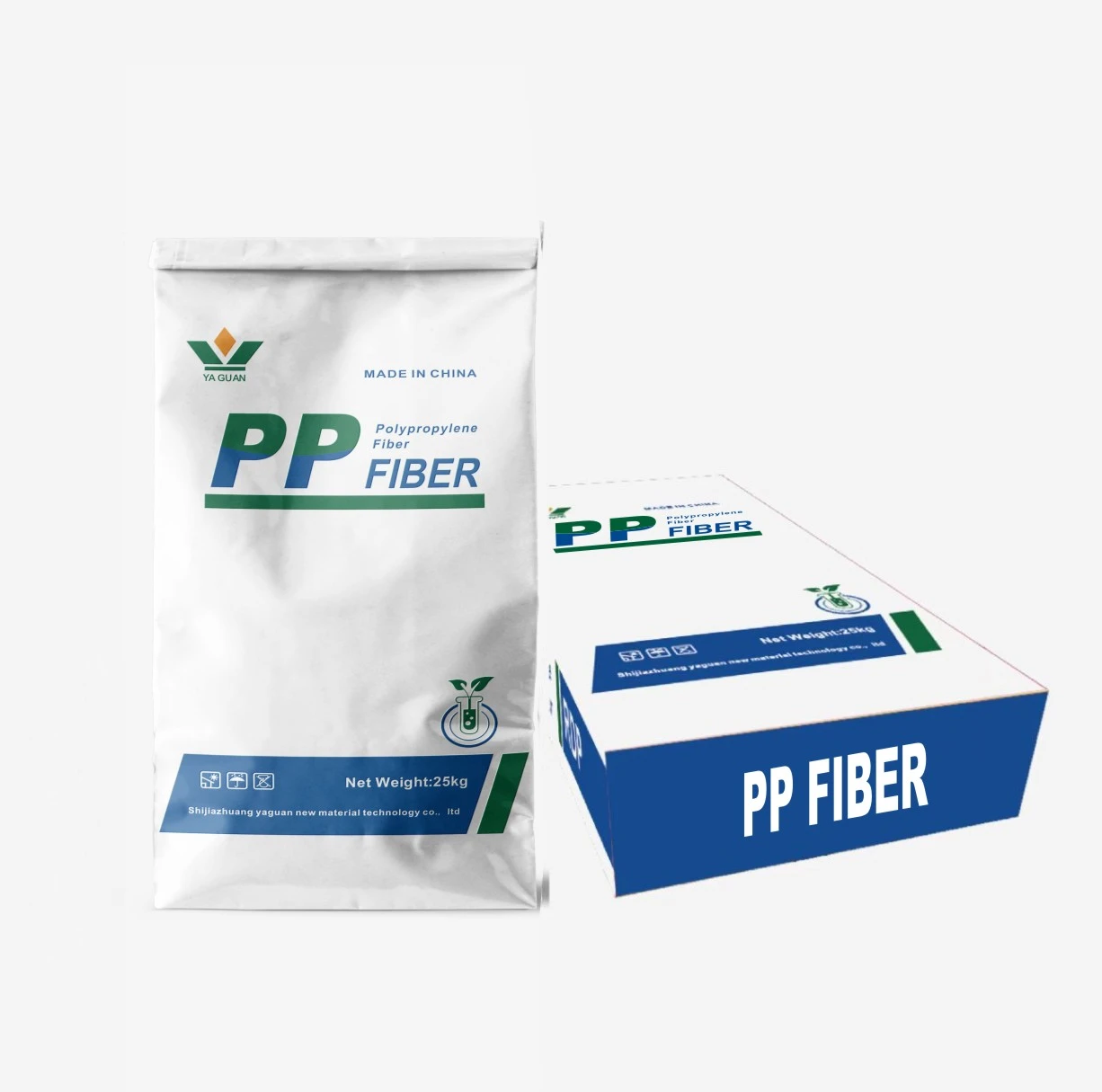

Understanding Polypropylene Fibre Cost: Why It Matters Globally
When you first hear about polypropylene fibre cost, it might sound like a pretty dry topic, maybe even niche. But in reality, it forms a crucial pillar behind many industries that keep our world running smoothly — from construction to textiles, from medical supplies to packaging. This fibre is loved for its durability and affordability, but knowing its cost details can unlock smarter budgeting, eco-friendly choices, and better performance in key applications. Global demand keeps surging, so it’s worthwhile to understand what factors shape polypropylene fibre pricing and what that means for businesses worldwide.
Polypropylene Fibre Cost in the Global Context
Polypropylene is one of the most widely produced plastics worldwide (over 70 million tonnes annually, according to Wikipedia). It’s cheap, versatile, and recyclable, making it a cornerstone for sustainable development goals promoted by the UN and other agencies. Since polypropylene fibre is extensively used in packaging and construction, its cost directly affects sectors critical for economic stability.
But the sharp swings in raw material prices, largely impacted by oil and gas markets, create challenges. For instance, a World Bank report notes that fluctuations in polypropylene fibre cost cloud forecasting and budgeting for manufacturers globally. These pricing instabilities hinder investment in emerging markets and complicate disaster response planning, where quick material procurement is vital for shelter or medical equipment.
Mini takeaway: Understanding the global trends and cost volatility in polypropylene fibre can help industry players and humanitarian agencies anticipate expenses and plan accordingly.
What Exactly is Polypropylene Fibre Cost?
Simply put, polypropylene fibre cost is the total expense involved in producing or purchasing polypropylene fibres. This includes raw material price, manufacturing processes such as extrusion or drawing, transportation, and sometimes tariffs or taxes. Polypropylene fibres are synthetic and used widely due to their strength, chemical resistance, and light weight—think of items like geotextiles, carpets, ropes, or even surgical masks.
Costing directly links to how accessible this fibre is for industries and aid organizations. When costs are favorable, industries can innovate or scale production; when prices spike, it can slow or halt critical projects.
Key Factors Influencing Polypropylene Fibre Cost
1. Raw Material Prices
Polypropylene is derived from propylene monomers largely produced from petroleum or natural gas. So, global oil price shifts ripple directly through fibre costs. For example, when crude oil prices rose sharply in 2022, polypropylene fibre costs followed suit, leaving many manufacturers scrambling.
2. Production Technology
The efficiency and scale of manufacturing—things like advanced extrusion methods, automation, and quality control—can reduce unit cost significantly. Facilities investing in modern equipment often offer more competitive pricing due to higher throughput and less waste.
3. Supply Chain and Logistics
Transportation bottlenecks or port delays can add unexpected surcharges. In the pandemic era, many firms noticed polypropylene fibre cost fluctuated not because of raw materials but because of container scarcity or shipping costs.
4. Demand and Market Competition
Rapid urbanization, infrastructure development, and consumer shift to plastics for sustainability have all driven demand up. But increased competition among suppliers also encourages price wars, which can be beneficial for end users.
Real-World Applications of Polypropylene Fibre Cost Insights
Knowing about polypropylene fibre costs isn’t just for accountants and procurement specialists. It shapes how projects get executed on the ground. For example, in post-disaster zones in Southeast Asia, relief agencies determine whether they can afford quick-deploy geotextiles or tarps based on fibre costs. In remote industrial zones, low-cost but durable polypropylene ropes mean safer operations without sky-high budgets.
Even in advanced economies, construction companies leverage polypropylene fibres as economical reinforcements in concrete, where slight fluctuations in fibre cost can mean the difference between sticking green budgets or pushing deadlines.
Mini takeaway: Polypropylene fibre cost influences choices in diverse industries worldwide, impacting quality, availability, and timing.
Advantages and Long-Term Value of Polypropylene Fibre
- Cost Efficiency: Compared to natural fibers, polypropylene provides more strength per dollar spent.
- Durability: Resistant to moisture, chemicals, and wear, lasting years in harsh conditions.
- Sustainability: Recyclable and lighter, reducing transport emissions.
- Social Impact: Affordable fibres enhance life-saving products like masks or temporary shelters.
These factors aren't just technical notes; they represent trust and security to users from factory floors to refugee camps. It feels like polypropylene fibre cost encapsulates a promise of reliability that few materials can match.
Product Specification Table: Typical Polypropylene Fibre Attributes
| Specification | Value | Unit |
|---|---|---|
| Fibre Diameter | 12–25 | microns |
| Tensile Strength | 350–500 | MPa |
| Density | 0.91–0.93 | g/cm³ |
| Melting Point | 160–170 | °C |
| Typical Cost Range | $1.2–1.8 | per kg |
Vendor Comparison: Polypropylene Fibre Suppliers Overview
| Supplier | Price/kg (USD) | MOQ | Quality Grade | Lead Time |
|---|---|---|---|---|
| GlobalFibres Inc. | $1.25 | 500 kg | High | 2 weeks |
| EcoFibre Supplies | $1.40 | 300 kg | Premium (Recycled) | 3 weeks |
| AsiaPolymer Ltd. | $1.10 | 1000 kg | Standard | 1 week |
Looking Ahead: Innovations Impacting Polypropylene Fibre Costs
Oddly enough, as much as polypropylene is mature technology, emerging trends are shaking things up. Biopolymer blends, green energy-powered production plants, and digitalized supply chains promise to reduce costs and environmental footprints. Automation is improving quality consistency, pushing vendors to offer premium yet affordable fibres. Meanwhile, policy shifts toward circular economy models incentivize recycled polypropylene fibres, which may initially cost more but could bring long-term savings and better brand positioning.
Common Challenges and How Experts Suggest Overcoming Them
One persistent hurdle is the price volatility caused by global petroleum market ups and downs. Suppliers advise multi-year contracts and diversified sourcing to hedge risks. Some engineers recommend switching to hybrid fibres where feasible, to mitigate cost spikes. Also, investments in local production can reduce logistics costs — but these require upfront capital and stable demand. It’s kind of a balancing act between smart procurement and agile manufacturing.
FAQ: Practical Questions About Polypropylene Fibre Cost
Q1: Why does polypropylene fibre cost fluctuate so much?
Polypropylene is derived from petrochemical sources, so its price tracks changes in crude oil and natural gas markets. Supply chain disruptions and demand surges also add to the volatility. Manufacturers try to manage this through long-term contracts or inventory buffers.
Q2: How does the cost impact the choice of polypropylene fibre in construction?
Cost influences whether fibres are used as standard reinforcement or replaced by cheaper alternatives. Lower-cost polypropylene fibres help maintain project budgets without compromising durability or compliance with engineering standards.
Q3: Are recycled polypropylene fibres more expensive?
Generally, recycled polypropylene can be pricier due to processing and quality control, but it aligns with sustainability goals. Prices are gradually coming down as technologies improve and demand increases.
Q4: Can NGOs reliably purchase polypropylene fibres during emergencies?
It depends on regional availability and current market prices. Large humanitarian organizations often pre-negotiate contracts with suppliers to secure steady pricing and supply during crises.
In Conclusion: Why Keep an Eye on Polypropylene Fibre Cost?
To sum it up, polypropylene fibre cost isn’t just a number on a spreadsheet—it’s a key indicator of supply chain health, affordability in essential sectors, and sustainability progress. Whether it’s for industrial innovation or life-saving relief work, tracking and understanding these costs leads to smarter decisions that ripple across economies and communities. If you want to dig deeper on pricing trends or sourcing options, visit our website for detailed insights: polypropylene fibre cost.
Mini takeaway: The cost of polypropylene fibre is more than expense; it represents opportunity and responsibility in a rapidly changing global market.