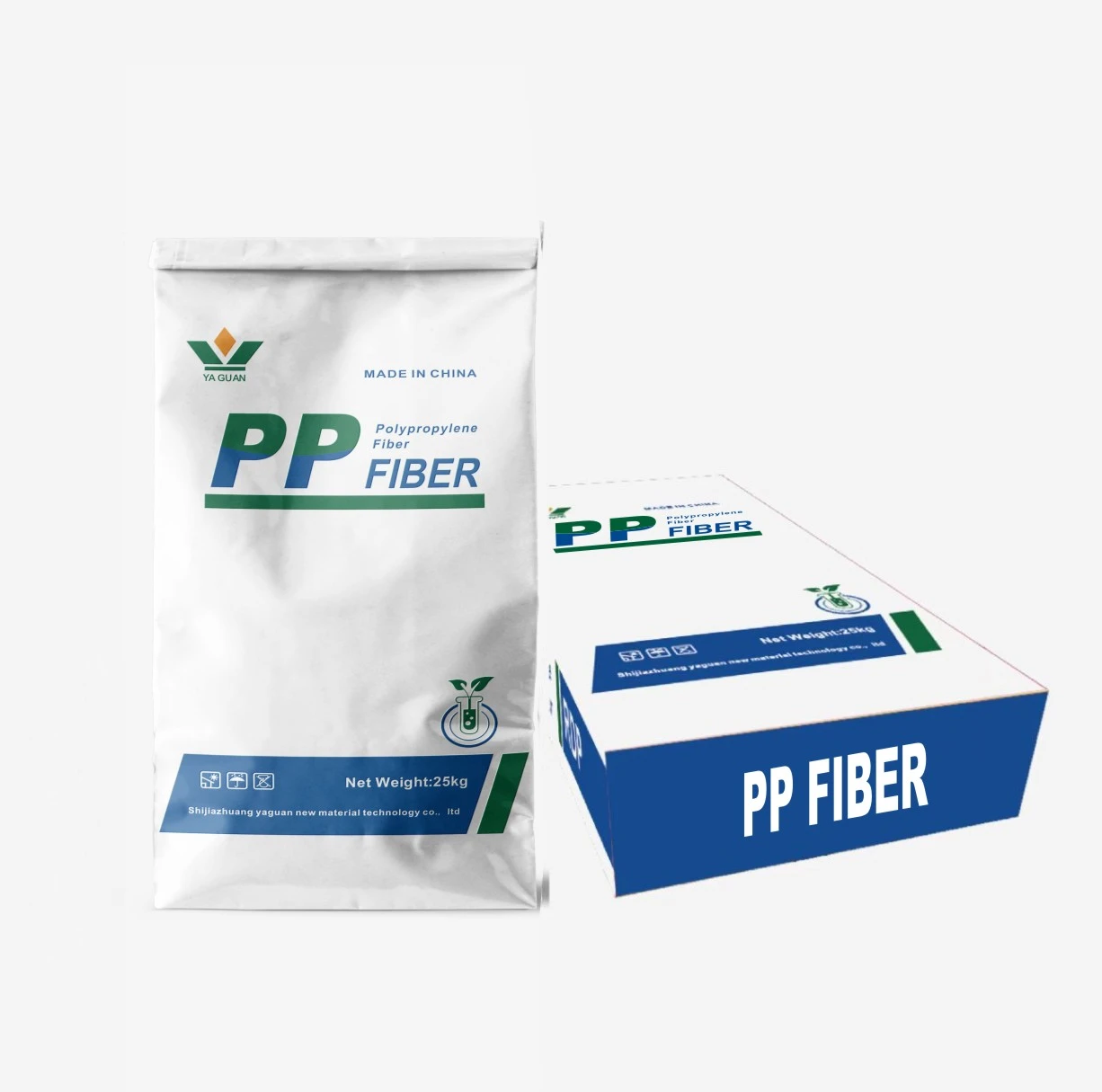
Why Polypropylene Fiber Manufacturers Matter Today
Polypropylene fibers might not be the star players in everyday conversations, but for industries ranging from construction to textiles, they’re absolute workhorses. Manufacturers of these fibers have gained global relevance as the demand for lightweight, durable, and cost-effective materials rises. As economies modernize and sustainability becomes more than a buzzword, understanding polypropylene fiber manufacturers offers insight into an essential building block fueling innovation and humanitarian efforts worldwide.
Why does this matter globally? Well, consider that polypropylene fiber production affects everything from geotextiles stabilizing roads to medical fabrics and even sustainable packaging. A grasp on how these fibers are made and by whom helps us appreciate the complex supply chains humming just beneath the surface of everyday products. Plus, in emerging economies, polypropylene fiber manufacturers are catalysts for growth, providing affordable materials crucial for infrastructure and health sectors.
A Worldwide Perspective: The Global Footprint of Polypropylene Fiber Manufacturing
Let’s zoom out to the bigger picture. According to recent ISO standards and reports by the World Bank, polypropylene accounts for a significant share in synthetic fiber production worldwide. Asia-Pacific leads the charge, especially countries like China and India, who combine scalable manufacturing with growing domestic demand. Europe and North America follow with a stronger emphasis on specialty fibers tailored for technical uses and environmental compliance.
The challenge? Polypropylene fiber manufacturers face increasing pressure to reduce environmental footprints while meeting rising product standards. The fossil-fuel origin of polypropylene and its non-biodegradable nature call for innovation in recycling and green chemistry. This balancing act is driving industry dynamics on a global scale.
Defining Polypropylene Fiber Manufacturers: Who They Are and What They Do
In plain terms, polypropylene fiber manufacturers produce synthetic fibers made from polypropylene polymer—essentially a plastic compound known for toughness and flexibility. These fibers are spun or drawn into strands that find their way into everything from carpets and ropes to filtration fabrics and geotextiles. Manufacturers encompass everything from large-scale plants producing massive rolls of fiber to smaller units specializing in niche or specialty grades.
But their role goes beyond production. They’re integral in adapting polypropylene fibers for modern industrial and humanitarian needs—think disaster-relief shelters made from durable fabric or moisture-wicking medical textiles that protect frontline workers. The relevance of these manufacturers is woven into the fabric of modern life, quite literally.
Key Aspects of Polypropylene Fiber Manufacturing
1. Durability and Chemical Resistance
Polypropylene fibers are well-known for resisting chemicals, moisture, and even mold. This makes them ideal for outdoor applications or harsh environments. Many engineers praise the fiber's ability to maintain integrity when exposed to acids, alkalis, or salty conditions—which explains their popularity in geotextiles and packaging.
2. Scalability of Production
One remarkable feature is how scalable polypropylene fiber manufacturing is. Whether producing small specialized lots for medical textiles or millions of meters for industrial fabric, modern plants can ramp up or tailor output with relative agility, given the right technology.
3. Cost Efficiency
Compared to natural fibers or other synthetics, polypropylene is cost-effective, making it attractive for exporters and end-users in price-sensitive markets. This affordability comes partly because polypropylene is lightweight and requires relatively less energy in processing.
4. Versatility in Applications
Polypropylene fibers can be engineered into a variety of forms—monofilaments, multifilaments, staple fibers—serving different purposes. This versatility means manufacturers need solid R&D to meet diverse industry standards from automotive to consumer goods.
5. Environmental Considerations
While polypropylene fibers excel in durability, their environmental impact is a concern. Modern manufacturers are experimenting with recycled polypropylene or bio-based polymers to reduce carbon footprints and advance a circular economy.
Real-World Applications of Polypropylene Fiber Manufacturers
- Construction and Infrastructure: Geotextiles made from polypropylene fibers reinforce roads, prevent soil erosion, and stabilize embankments in areas like Southeast Asia and Sub-Saharan Africa.
- Medical and Hygiene: Nonwoven polypropylene fabrics are worldwide standards for surgical masks, gowns, and sanitary products. During the COVID-19 pandemic, manufacturers’ agility proved vital.
- Automotive Industry: Interior carpets, upholstery, and filtration elements benefit from polypropylene’s lightweight and stain-resistant properties, especially in Europe and North America.
- Disaster Relief: Durable tents and shelters use polypropylene fibers that resist water and mold, providing fast deployment solutions in crisis zones.
- Textile and Consumer Goods: Polypropylene fibers lend themselves to sportswear and outdoor gear, favored for moisture management and durability.
Oddly enough, many NGO procurement officers swear by polypropylene fiber products for their balance of cost, availability, and functional longevity.
Product Specification Table
| Specification | Typical Range | Notes |
|---|---|---|
| Fiber Diameter | 15–50 microns | Depends on intended use |
| Tensile Strength | 30–50 cN/tex | Measured under ISO 2062 |
| Elongation at Break | 10–25% | Higher for staple fibers |
| Melting Point | 160–170 °C | Good thermal stability |
| Moisture Absorption | Very hydrophobic |
Comparing Top Polypropylene Fiber Manufacturers
| Vendor | Production Capacity (tons/year) | Specialty Focus | Environmental Initiatives |
|---|---|---|---|
| Yagua HPMC | 45,000 | Recycled content fibers, nonwovens | Advanced recycling tech, ISO 14001 certified |
| Polyfibres Global | 60,000 | Technical textile fibers | Green process optimization ongoing |
| AsiaTex Fiber Co. | 55,000 | Mass-market polypropylene fibers | Partial bio-based polymer R&D |
Why Investing in Polypropylene Fibers Makes Sense
The logical perks of polypropylene fibers are obvious: low cost, resistance to chemicals and moisture, and high productivity. On a deeper level though, there’s the emotional side—the trust engineers and designers place in these fibers to keep structures stable, households safe, or medical areas sterile. It’s about dignity and safety as well as efficiency.
Long term, adopting polypropylene fibers helps leverage circularity—especially as polypropylene fiber manufacturers invest in recycling and new eco-material blends. From both an economic and social viewpoint, these materials redefine responsible innovation.
The Road Ahead: Innovations in Polypropylene Fiber Manufacturing
Industry watchers note several promising trends. For instance, digital technology is enabling smarter quality control and custom blend designs tailored to specific climate or usage conditions. Automation in fiber extrusion is reducing waste and improving consistency.
Moreover, eco-conscious “green polypropylene” fibers fueled by bio-mass derivatives—and increasing regulatory support for sustainability—hint at a transforming manufacturing landscape. It’s not just about making fibers cheaper and better anymore, but making them kinder to the planet.
Common Challenges and How Industry Leaders Respond
Challenges remain significant. Polypropylene's non-biodegradability raises disposal concerns. Manufacturing scale sometimes strains supply chains, especially under global disruptions (think pandemics or raw material shortages). Quality consistency can also vary widely.
In response, many manufacturers invest heavily in R&D for recycled content fibers, develop closed-loop systems, and collaborate on supply chain resilience initiatives. Experts emphasize that cooperation between manufacturers, regulatory bodies, and customers is key to long-term solutions.
FAQ: Your Top Questions on Polypropylene Fiber Manufacturers
- What differentiates polypropylene fibers from other synthetic fibers?
- Polypropylene fibers are uniquely lightweight, moisture-resistant, and cost-efficient compared to alternatives like nylon or polyester. While they may have slightly lower tensile strength, their chemical resistance and low moisture absorption make them ideal for specific industrial uses.
- How environmentally friendly are polypropylene fibers?
- Traditional polypropylene fibers are petroleum-based and not biodegradable. However, ongoing advances in recycling technologies and bio-based feedstocks are improving their sustainability profile. Choosing manufacturers focused on eco-initiatives can significantly reduce environmental impact.
- Can polypropylene fibers be customized for specialized applications?
- Absolutely. From fiber diameter to tensile strength and additives like UV stabilization, manufacturers offer extensive customization tailored to industries like automotive, construction, and healthcare, ensuring optimal performance for each use case.
- Where are most polypropylene fiber manufacturers located?
- Asia-Pacific houses the largest number of manufacturers due to cost advantages and demand. However, Europe and North America have several specialized producers focusing on high-performance and sustainable fibers.
- How can I find reliable polypropylene fiber manufacturers?
- Starting with industry directories, trade fairs, or trusted online platforms like polypropylene fiber manufacturers listings helps. Look for certifications such as ISO 9001 and ISO 14001 to verify quality and environmental standards.
Wrapping Up: The Long-Term Promise of Polypropylene Fiber Manufacturers
To put it simply, polypropylene fiber manufacturers are quietly powering industries and innovations that shape our daily lives. Their fibers hold up roads, protect patients, and fuel new technologies while confronting environmental challenges head-on. For businesses and project leaders looking to combine performance, value, and responsible sourcing, partnering with reputable polypropylene fiber manufacturers — like those you can discover at Yagua HPMC — opens doors to ongoing opportunity and impact.
Takeaway? Polypropylene fibers aren’t just threads or filaments—they’re threads connecting progress, sustainability, and the future.