PVA Emulsion Uses: A Comprehensive Guide
Polyvinyl Acetate (PVA) emulsion is a versatile polymer with a remarkably broad range of applications across various industries. Its excellent adhesive properties, film-forming capabilities, and cost-effectiveness make it a staple in numerous products. This article will delve into the diverse PVA emulsion uses, exploring its applications in adhesives, paints, textiles, paper, and more. Understanding the properties and applications of PVA emulsion is key to optimizing its use and achieving desired results. We will also touch on the factors influencing its performance and how to select the appropriate grade for specific needs.
Understanding PVA Emulsion: Properties and Characteristics
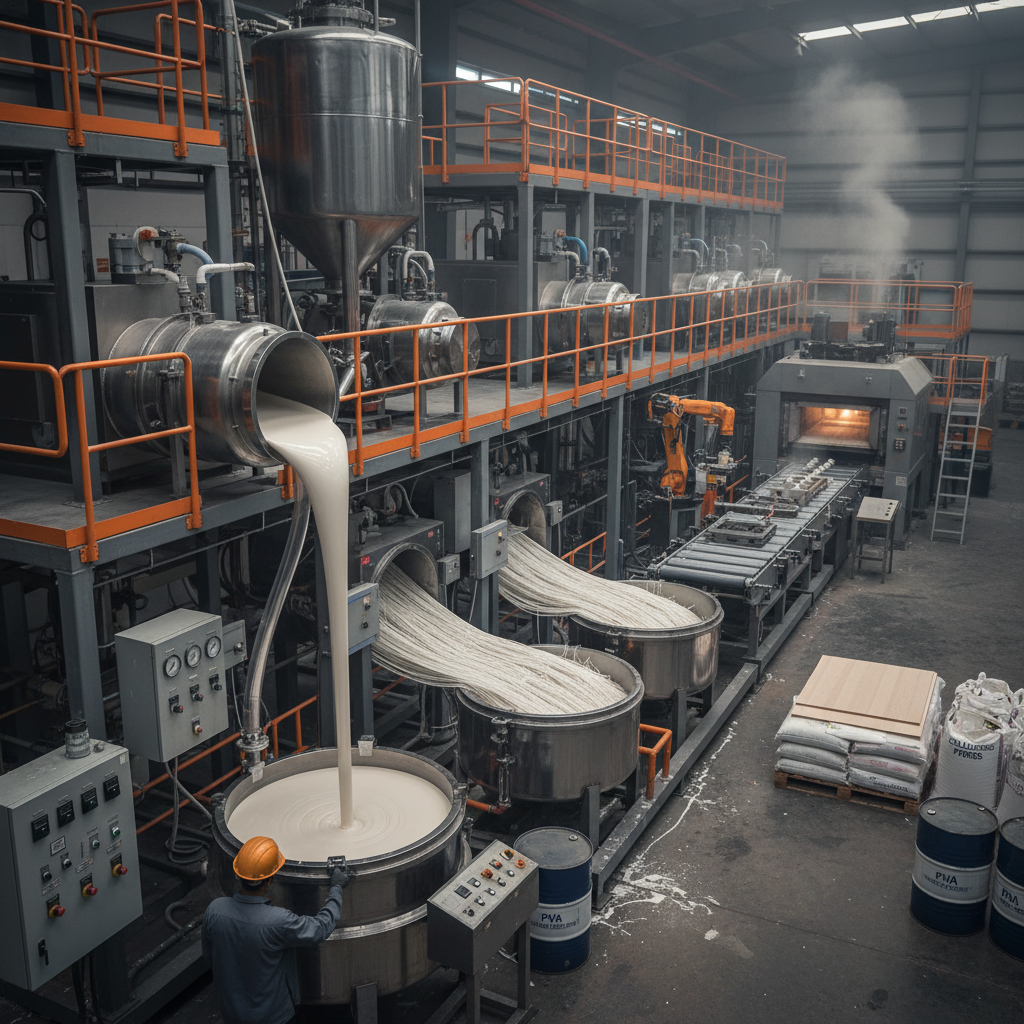
PVA emulsion is a water-based dispersion of polyvinyl acetate polymer. It's valued for its non-toxicity, ease of use, and environmental friendliness. Key properties include excellent adhesion to various substrates like paper, wood, and fabrics, good film-forming ability, flexibility, and water resistance (although not completely waterproof). The properties of PVA emulsion can be tailored by adjusting the molecular weight, particle size, and degree of hydrolysis during the manufacturing process. These adjustments influence factors like viscosity, adhesion strength, and flexibility. Proper understanding of these parameters is crucial for selecting the right PVA emulsion for a specific application.
Key Highlights: PVA emulsion is non-toxic, easy to use, and environmentally friendly, boasting excellent adhesion, film-forming ability, flexibility, and tunable properties.
PVA Emulsion Uses in the Adhesives Industry
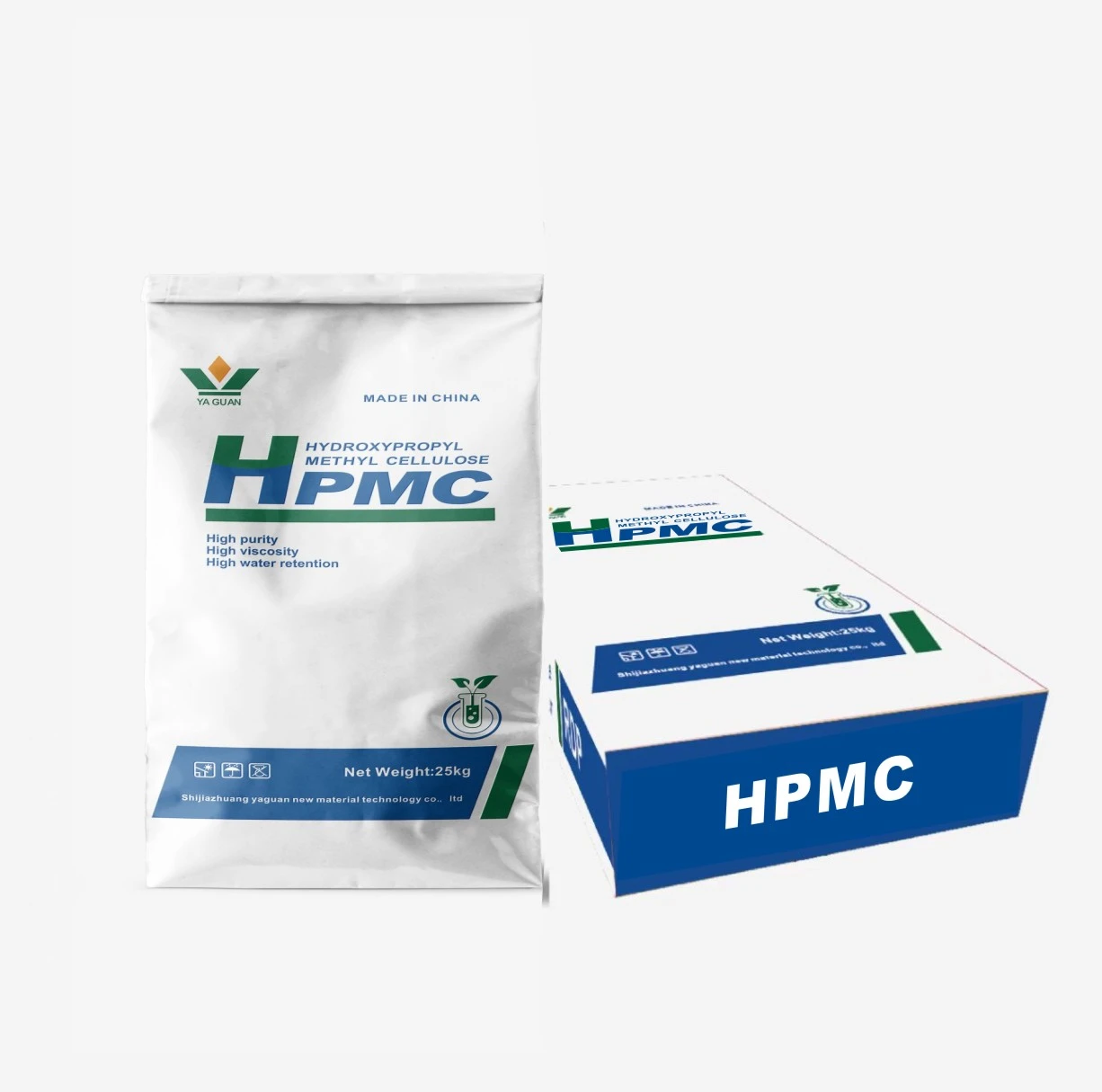
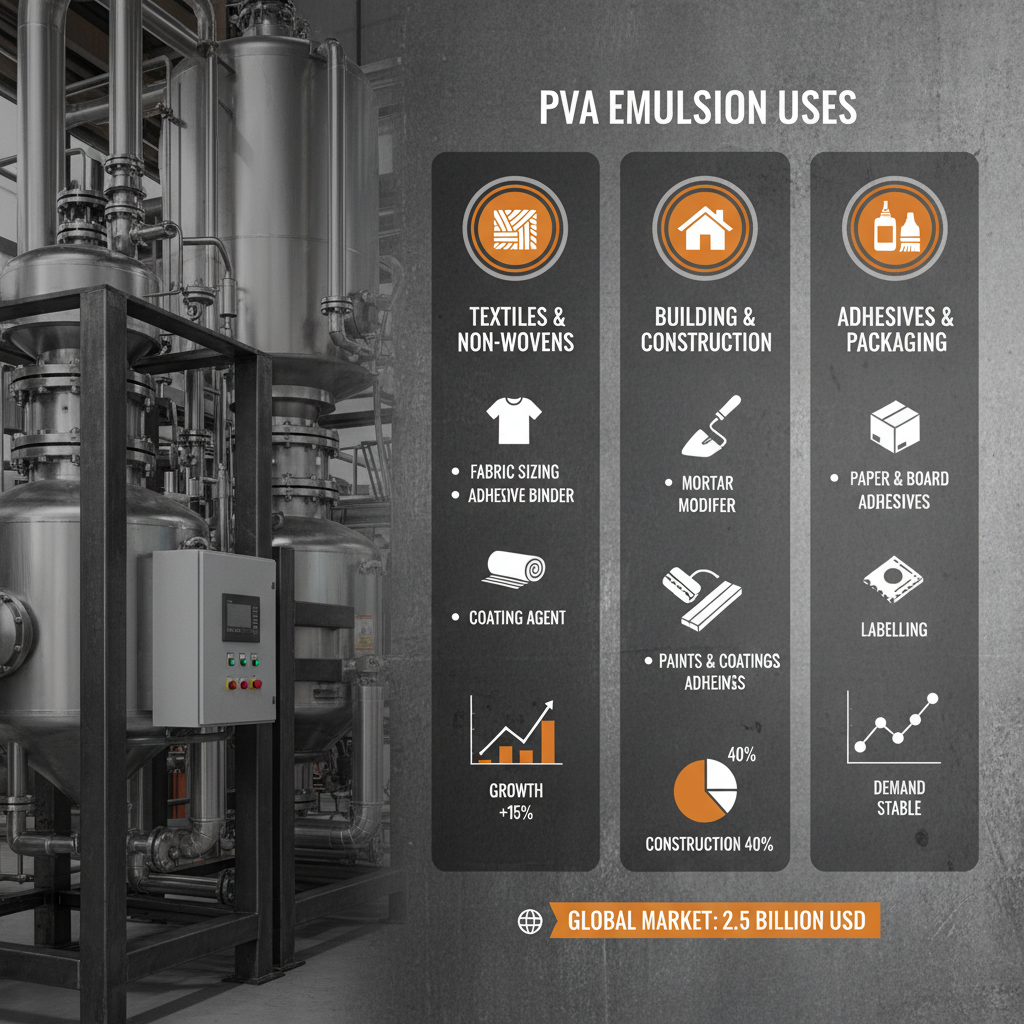
The adhesives industry is a major consumer of PVA emulsion. It’s a primary component in wood glues, paper adhesives, packaging adhesives, and bookbinding adhesives. Its strong bonding capabilities, fast setting time, and relatively low cost make it an ideal choice for these applications. Different grades of PVA emulsion are utilized depending on the specific requirements. For example, higher molecular weight emulsions provide stronger bonds, while lower molecular weight emulsions offer better penetration into porous materials. Yaguan HPMC provides a range of PVA emulsions tailored for adhesive applications, ensuring optimal performance.
Adhesive Applications Benefits:
• Strong Bonding
• Fast Setting Time
• Cost-Effective
• Versatile for Wood, Paper, and Packaging
PVA Emulsion in Paints and Coatings
PVA emulsion is widely used as a binder in paints, especially interior paints. It improves paint adhesion, flexibility, and scrub resistance. It’s often combined with other polymers like acrylics to enhance performance characteristics. PVA emulsion-based paints are known for their ease of application, low odor, and easy cleanup with water. Furthermore, it contributes to the film’s gloss and leveling properties. The concentration of PVA emulsion in the paint formulation impacts the paint's durability and its ability to withstand wear and tear.
Other Notable PVA Emulsion Uses
Beyond adhesives and paints, PVA emulsion finds applications in numerous other areas. In the textile industry, it’s used as a sizing agent to improve yarn strength and weaveability. It’s also utilized in paper coatings to enhance printability and surface smoothness. Furthermore, PVA emulsion is found in construction materials like cement modifiers and concrete additives to improve workability and adhesion. The versatility of PVA emulsion continues to drive innovation and new applications across diverse sectors.
Selecting the Right PVA Emulsion Grade
Choosing the appropriate PVA emulsion grade is critical for achieving optimal performance. Factors to consider include the desired adhesion strength, flexibility, water resistance, and application method. Yaguan HPMC offers a wide range of PVA emulsions with varying properties to meet specific needs. Consulting with a technical expert can help you select the best grade for your application, ensuring successful results. Considering the end-use requirements, substrate characteristics, and processing conditions is essential for making an informed decision.
Conclusion: The Enduring Value of PVA Emulsion
PVA emulsion remains a cornerstone polymer across numerous industries due to its versatility, cost-effectiveness, and excellent performance characteristics. From adhesives and paints to textiles and construction, its applications are extensive and continue to grow. By understanding its properties and selecting the right grade for specific needs, businesses can leverage the full potential of PVA emulsion to achieve superior results.
Frequently Asked Questions (FAQs)
What is the shelf life of PVA emulsion?
PVA emulsion typically has a shelf life of 6-12 months when stored properly in a cool, dry place away from direct sunlight. However, it's essential to check the manufacturer's specifications as shelf life can vary depending on the specific formulation. Over time, PVA emulsion can undergo changes in viscosity and stability. Signs of degradation include thickening, sedimentation, or the formation of lumps. It's best to use the product within the recommended shelf life to ensure optimal performance.
Is PVA emulsion waterproof?
While PVA emulsion exhibits some water resistance, it is not fully waterproof. It can withstand some exposure to moisture, but prolonged contact with water can cause it to soften and lose its adhesive properties. For applications requiring complete waterproofness, it’s often combined with other polymers or additives that provide enhanced water resistance. Modifications like the addition of acrylic polymers can significantly improve water resistance.
Can PVA emulsion be diluted with water?
Yes, PVA emulsion can be diluted with water, but it’s important to do so carefully. Dilution reduces the solids content and can affect the adhesive strength and film-forming properties. The amount of dilution should be determined based on the specific application requirements and the manufacturer’s recommendations. Over-dilution can lead to weak bonds and poor performance. Always add water slowly and mix thoroughly to ensure a homogeneous solution.
What safety precautions should be taken when using PVA emulsion?
PVA emulsion is generally considered non-toxic, but it’s always advisable to take basic safety precautions. Avoid contact with eyes and skin, and wear appropriate personal protective equipment such as gloves and safety glasses. Ensure adequate ventilation during use. If contact occurs, rinse thoroughly with water. Refer to the Safety Data Sheet (SDS) for detailed safety information and handling instructions.