
PVA for Walls: A Comprehensive Guide to Applications and Benefits
Polyvinyl Alcohol (PVA) is a versatile synthetic polymer finding increasing use in construction and renovation projects, particularly as a cost-effective and efficient solution for wall treatments. This article delves into the applications of PVA for walls, its benefits, how it compares to other wall coatings, and important considerations for successful application. Understanding these aspects will empower you to make informed decisions about utilizing PVA in your projects. We’ll cover everything from priming to sealing, highlighting why PVA is a go-to choice for many professionals.
Understanding PVA and its Properties
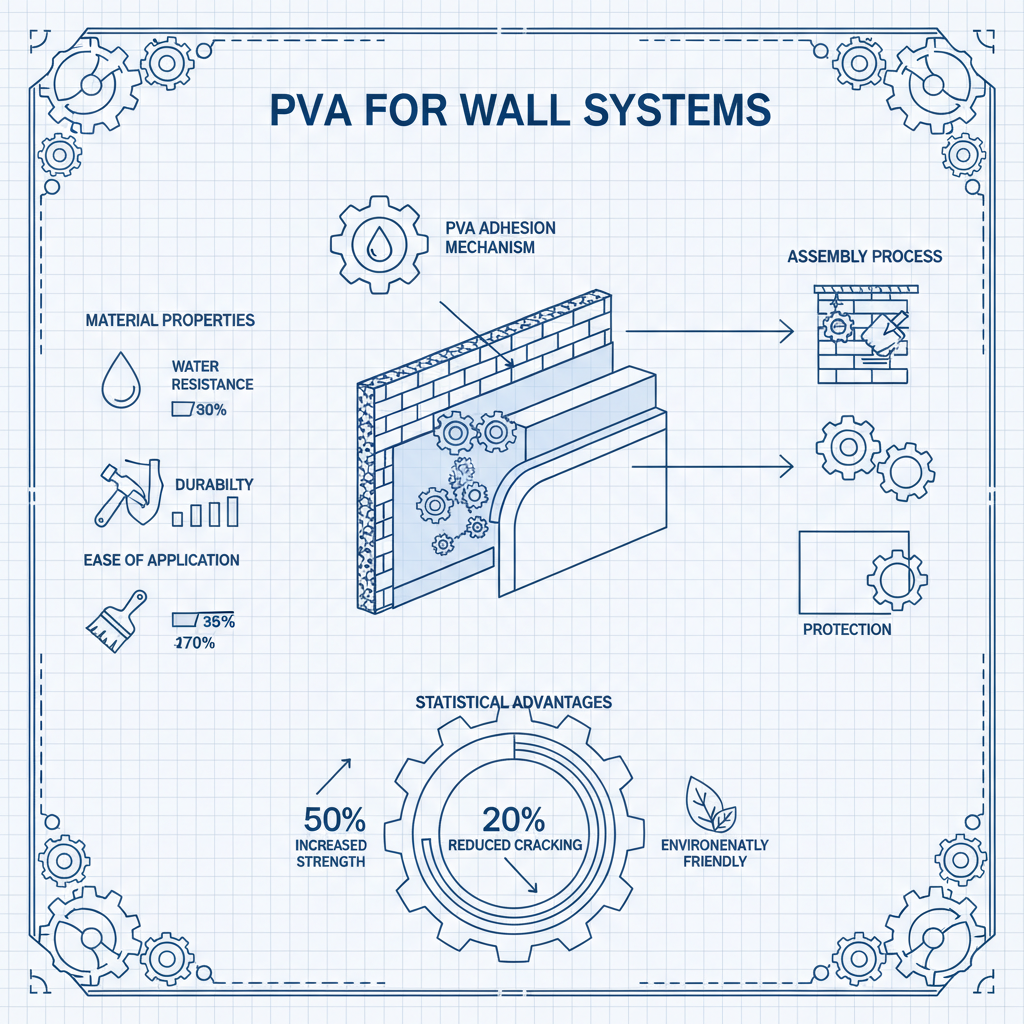
PVA is a water-soluble synthetic polymer produced from vinyl acetate through hydrolysis. It's prized for its excellent film-forming capabilities, adhesion, and flexibility. Crucially, PVA is non-toxic and environmentally friendly, making it a sustainable option for wall treatments. It has a slightly tacky feel when wet, which contributes to its excellent binding properties, helping it adhere strongly to various surfaces. Furthermore, PVA dries to form a clear, flexible film that is resistant to abrasion and cracking. This makes it ideal for preparing walls for painting or wallpapering. You can explore a wider range of PVA products and technical specifications at Yaguan HPMC.
Key Highlights: PVA is water-soluble, non-toxic, provides excellent adhesion, and forms a flexible, durable film. It's a cost-effective solution for wall preparation and sealing.
Common Applications of PVA for Walls
PVA serves several critical functions in wall preparation and finishing. The most common applications include:
- Priming: PVA acts as an excellent primer, sealing porous surfaces like plasterboard or brickwork. This improves paint adhesion and reduces paint consumption.
- Sealing: It seals dusty or chalky surfaces, preventing the paint from being absorbed unevenly and ensuring a smooth, uniform finish.
- Diluting Paints: PVA can be used to dilute paints, extending their coverage and improving their workability.
- Adhesive Additive: Adding PVA to adhesive mixtures can enhance their bonding strength, particularly for wallpaper application.
- Size for Wallpapering: Historically, PVA was a common substitute for traditional wallpaper sizing, providing a stable base for wallpaper adhesion.
PVA vs. Other Wall Coatings: A Comparison
While various wall coatings exist, PVA offers a unique balance of performance and cost-effectiveness. Here’s how it stacks up against some common alternatives:
Applying PVA to Walls: A Step-by-Step Guide
Proper application is key to maximizing PVA’s benefits. Follow these steps for optimal results:
- Surface Preparation: Ensure the wall is clean, dry, and free of loose paint, dust, and debris.
- Dilution: PVA is usually diluted with water (typically 1 part PVA to 1-2 parts water). Follow the manufacturer’s instructions on the product label.
- Application: Apply the diluted PVA evenly using a brush, roller, or spray applicator.
- Drying Time: Allow the PVA to dry completely before applying paint or wallpaper (usually 2-4 hours, depending on temperature and humidity).
- Second Coat (Optional): For particularly porous surfaces, a second coat of PVA may be beneficial.
Safety Precautions and Considerations
While PVA is generally considered safe, it’s important to observe basic safety precautions. Work in a well-ventilated area, and avoid prolonged contact with skin and eyes. Wear gloves and eye protection during application. Consult the safety data sheet (SDS) for detailed handling and disposal information. Also, store PVA in a cool, dry place away from direct sunlight and freezing temperatures to maintain its quality and effectiveness. Explore Yaguan HPMC’s resources for detailed product information and safety guidelines.
Conclusion: Harnessing the Power of PVA for Superior Wall Finishes
PVA is an invaluable tool for achieving professional-quality wall finishes. Its versatility, affordability, and excellent properties make it a staple in both DIY and professional projects. By understanding its applications, benefits, and proper application techniques, you can leverage the power of PVA for walls to create durable, beautiful, and long-lasting results.
Frequently Asked Questions (FAQs)
Can PVA be used on exterior walls?
While PVA offers some water resistance, it’s generally not recommended for direct application on exterior walls exposed to harsh weather conditions. Exterior surfaces require specialized coatings designed to withstand UV radiation, temperature fluctuations, and prolonged moisture exposure. PVA can be used as a primer underneath an exterior-grade coating to improve adhesion, but should not be used as the final, exposed layer.
How much PVA do I need for a standard-sized room?
The amount of PVA required depends on the size of the room and the porosity of the walls. As a general guideline, one liter of PVA (diluted as per the manufacturer’s instructions) typically covers around 8-12 square meters. It's always best to overestimate slightly to ensure you have enough. Consider purchasing a 5-liter container for larger rooms or multiple projects. It’s a good practice to calculate the total wall area (length x height) and add 10-15% for wastage.
Can PVA be tinted with paint?
Yes, PVA can be tinted with small amounts of paint to help identify areas that have been treated. However, it's important to use a compatible paint type and avoid adding excessive amounts, as this can affect the PVA's properties. A small amount of paint is enough to provide a visual indicator without compromising the PVA’s adhesion or sealing capabilities. Always test the tinted PVA in an inconspicuous area first to ensure compatibility.
What is the shelf life of PVA?
The shelf life of PVA is typically 12-24 months, provided it’s stored correctly in a cool, dry place, away from direct sunlight and freezing temperatures. Over time, PVA can thicken or develop lumps, indicating it may have deteriorated. While it might still be usable in some cases, it’s generally recommended to discard PVA that shows signs of significant degradation for optimal performance.