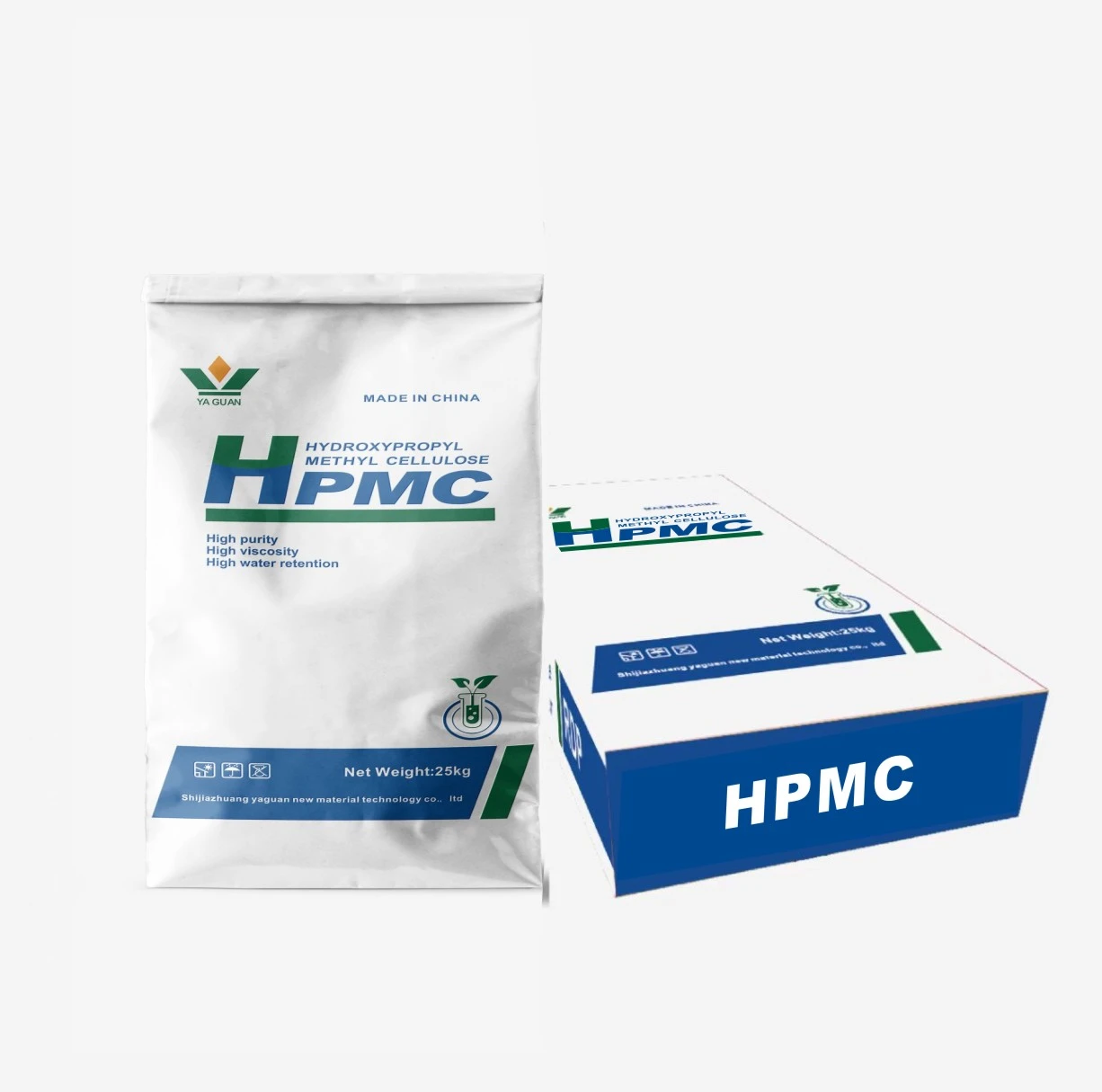

Understanding Vinyl Alcohol and Its Global Importance
Vinyl alcohol might not be a term on everyone’s lips, but it quietly powers a lot of the modern world’s chemistry and materials science. At its core, vinyl alcohol is a building block for polymers—those versatile substances that stretch from everyday plastics to high-tech coatings. Grasping what vinyl alcohol is and how it’s used globally unlocks insights into sustainable materials, industrial innovation, and even humanitarian technologies. Why does this matter? Because with growing environmental challenges, industries are seeking smarter, eco-friendlier materials. Vinyl alcohol and related compounds stand at the crossroads of these changes.
Oddly enough, vinyl alcohol itself is somewhat evasive in pure form — it tautomerizes to acetaldehyde quite rapidly — but its derivatives like polyvinyl alcohol (PVA) have seen a surge in demand worldwide. According to the International Union of Pure and Applied Chemistry (IUPAC), and verified industrial reports from the World Bank on chemical manufacturing trends, global production volumes of vinyl alcohol-based polymers have increased steadily over the last decade, particularly in Asia and Europe.
The Global Context: Why Vinyl Alcohol is More Relevant Than Ever
Globally, the pace of urbanization and industrial growth has pushed material demand sky-high. The UN reports that over 55% of the world’s population now lives in urban areas, driving a need for durable, versatile, and sustainable industrial materials. Vinyl alcohol-based polymers step in to meet this demand in fields such as packaging, textile coatings, adhesives, and even in medical products. More importantly, vinyl alcohol compounds align with circular economy principles — biodegradable, water-soluble, and easily recyclable — which is a game-changer worldwide.
But the challenge is steep. Governments and industries alike grapple with balancing cost, environmental impact, and performance. The use of vinyl alcohol derivatives holds promise for reducing reliance on fossil fuel–based plastics, serving as part of the solution to global plastic pollution.
What Exactly Is Vinyl Alcohol?
Vinyl alcohol (chemical formula CH2=CHOH) is a simple organic compound featuring a carbon–carbon double bond adjacent to a hydroxyl group (-OH). While one can’t quite bottle up pure vinyl alcohol for long — it rapidly converts to acetaldehyde through a process called tautomerization — its importance lies in the polymers crafted from its derivatives.
Polyvinyl alcohol (PVA), for example, is a synthetic polymer derived from the acid-catalyzed hydrolysis of polyvinyl acetate. This polymer is water-soluble, biodegradable, and highly adhesive, making it valuable for paper coatings, textile sizing, and even packaging applications that demand environmentally friendly solutions.
In humanitarian efforts, PVA films are used for water-soluble packaging, which reduces solid waste while improving safety and hygiene standards.
Key Characteristics of Vinyl Alcohol-Based Polymers
1. Durability and Flexibility
Polymers derived from vinyl alcohol tend to be surprisingly tough for their weight. They combine strength with softness, providing flexibility without cracking. This makes them ideal for flexible packaging, adhesives, and coatings.
2. Water Solubility
Unlike most plastics, PVA dissolves readily in water, which is invaluable in applications like detergent pods or agricultural films that disappear after use, minimizing environmental impact.
3. Biodegradability
Actually, this is a big deal. Biodegradable polymers are the future, and vinyl alcohol derivatives often fit or contribute to this category, especially when combined with other biodegradable substances.
4. Chemical Resistance
Vinyl alcohol polymers resist oils, greases, and many solvents, making them practical in industrial coatings and protective layers.
5. Scalability and Cost Efficiency
The production processes are well established, allowing vinyl alcohol polymers to be made at scale without outrageous cost. That means wide accessibility globally, from developed to developing markets.
| Feature | Specification | Application Examples |
|---|---|---|
| Molecular Weight | 10,000 - 100,000 g/mol | Adhesives, Textile Coatings |
| Solubility | Water-soluble | Packaging Films, Detergent Pods |
| Tensile Strength | 40-60 MPa | Coatings, Membranes |
| Melting Point | 180 - 230 °C | Industrial Processes |
| Biodegradability | Partially Biodegradable | Eco-friendly Packaging |
Mini Takeaway: Vinyl alcohol derivatives blend durability with sustainability — a rare and much-needed combo today.
How Vinyl Alcohol Polymers Are Used Around the World
From Asia's booming manufacturing hubs to Europe’s green innovation zones, vinyl alcohol has found applications everywhere.
- Packaging Industry: Food-safe, water-soluble films are a hit for single-use packaging in Japan and South Korea, allowing waste reduction.
- Medical Field: Vinyl alcohol-based hydrogels stabilize wound dressings and pharmaceutical capsules, critical in remote healthcare settings.
- Agriculture: Water-soluble seed coatings and pesticide pods make distribution easier in developing countries in Africa and Latin America.
- Textiles: Coatings to enhance water repellency and durability trickle down from European industrial sectors to export markets globally.
Take a relief NGO responding to flooding: quick-dissolving, non-toxic packaging for water purification tablets uses PVA films that simplify logistics and safety, reducing environmental impact post-disaster. Real-world, real impact.
Comparing Major Vendors for Vinyl Alcohol Products
| Vendor | Product Range | Price per kg (USD) | Sustainability Features | Global Reach |
|---|---|---|---|---|
| Yaguan HPMC | PVA Films, Coatings, Adhesives | 1.50 - 2.00 | Biodegradable formulations available | Asia, Europe, North America |
| Sigma Aldrich | PVA Powders, Polymer Blends | 2.10 - 3.00 | Samples certified for food industry | Worldwide |
| Chang Chun Group | Industrial PVA, Specialty Polymers | 1.20 - 1.80 | Focus on circular materials | Predominantly Asia |
Why Industries Choose Vinyl Alcohol Polymers: Benefits & Long-Term Value
Vinyl alcohol and its polymer forms perfectly showcase how innovation doesn’t have to come at the environment’s expense.
- Cost Efficiency: Lower production complexities and raw material accessibility keep pricing competitive. This is key for emerging markets building infrastructure today.
- Sustainability: Its water solubility and biodegradability mean less long-term waste cluttering the planet — a crucial edge over traditional plastics.
- Social Impact: Used in medical and hygiene products, vinyl alcohol derivatives improve health outcomes, especially in low-resource environments.
- Reliability & Safety: Many industries rely on precise performance — from food packaging to construction — where PVA-based materials deliver consistent safety standards.
Honestly, it feels like vinyl alcohol polymers carry a quiet dignity: unobtrusive champions of smarter living.
Exciting Innovations and Future Trends
The future of vinyl alcohol polymers seems tied to greener chemistry and smart materials. Researchers are developing bio-based monomers to reduce dependence on petroleum, and additive manufacturing techniques now increasingly incorporate PVA as a support material for 3D printing, breaking new ground in rapid prototyping.
Digital transformation also plays a role — improved formulation databases help companies tweak polymer blends for specific environmental or performance criteria with unprecedented speed.
Moreover, as sustainability policies tighten globally, corporations incorporating vinyl alcohol derivatives with certified eco-labels can expect stronger market access and consumer trust.
Challenges and Practical Solutions in Handling Vinyl Alcohol
That said, challenges remain. The tautomerization of vinyl alcohol complicates pure compound handling. Stability and shelf life for some PVA products can vary, depending on humidity and temperature.
Innovative solutions include advanced encapsulation techniques to improve durability and mixing PVA with complementary polymers to enhance mechanical properties. Many engineers also emphasize tailored machining and processing protocols to optimize material use.
While price competitiveness is relatively strong, global supply chain constraints — as with many polymers — require diversification of sourcing.
FAQs About Vinyl Alcohol
- What industries benefit most from vinyl alcohol derivatives?
- Packaging, textile coatings, medical, and agriculture sectors are top beneficiaries, as vinyl alcohol polymers offer water solubility and biodegradability key for sustainable materials.
- Is vinyl alcohol or its polymers biodegradable?
- Polyvinyl alcohol is partially biodegradable under specific conditions, especially when blended with other biodegradable materials, helping reduce plastic waste.
- Can vinyl alcohol-based products be used in food packaging?
- Yes, many vinyl alcohol derivatives are FDA-approved for food contact, commonly used for films and coatings that are water-soluble and safe.
- How do manufacturers control the stability of vinyl alcohol polymers?
- By adjusting polymerization conditions, using stabilizers, and controlling environmental factors like humidity and temperature during storage and transport.
- Where can I find a reliable supplier for high-quality vinyl alcohol derivatives?
- Reputable vendors like Yaguan HPMC provide wide ranges of eco-friendly polyvinyl alcohol products. Checking certifications and global reach helps in selecting a supplier.
Wrapping Up: The Vinyl Alcohol Advantage
To sum it all up, vinyl alcohol and its polymer derivatives are quietly shaping a greener, safer, and more innovative future for materials science worldwide. Their balance of cost, performance, and sustainability makes them invaluable across industries and continents.
If you want to dive deeper, explore sources, or consider specific products for your business or research, visit our website and get in touch. The possibilities here are exciting — and frankly, we’re only scratching the surface.
Mini takeaway: Vinyl alcohol’s story is one of transformation — both chemical and industrial — guiding us toward smarter materials that won’t cost the earth.
References: