
Understanding Poly Alcohol: A Versatile Material Shaping Our World
Poly alcohol might not be a household name — but globally, it plays a quietly vital role in everything from medical supplies to packaging. Understanding this class of compounds helps us appreciate the nuanced chemistry behind everyday materials and the innovations driving sustainability. Why does this matter? Well, as the world pushes for greener, safer, and more efficient products, poly alcohols are often at the heart of these solutions — delivering durability, flexibility, and environmental friendliness intertwined.
The Global Context: Where Poly Alcohol Fits in Today’s Industry
When you zoom out to a global scale, poly alcohol’s impact becomes clearer. According to ISO standards and production data, the demand for poly alcohols like polyvinyl alcohol (PVA) and polyethylene glycol is climbing steadily — not surprising given the surge in biodegradable plastics and pharma applications. The United Nations also highlights sustainable materials as a critical factor in meeting environmental goals (UN Sustainable Development Goal 12). Yet, the challenge remains: How do manufacturers produce and apply poly alcohols without depending heavily on fossil fuels or creating waste?
Mini takeaway: Poly alcohols are central to a sustainable industrial future, helping tackle pollution and resource management while meeting complex product demands worldwide.
What Exactly Is Poly Alcohol?
Simply put, poly alcohols are polymers with repeating units containing multiple hydroxyl (-OH) groups. The “poly” means many, and “alcohol” refers to those reactive OH groups. This chemical structure gives poly alcohols their signature hydrophilicity, solubility, and biodegradability. Polyvinyl alcohol, for example, is widely used in textile sizing or paper coatings. It’s not just lab jargon — it’s a substance feeding critical uses: sanitary goods, adhesive products, and even components in biomedical devices.
Oddly enough, many of the polymers we encounter daily have poly alcohol backbones or derivatives — so it’s one of those things that quietly impact hygiene, safety, and product performance.
Core Characteristics of Poly Alcohol That Matter
1. Durability
Despite their water affinity, many poly alcohols exhibit excellent mechanical strength and resistance to wear — making them staples in packaging, coatings, and membranes. This durability often translates to longer-lasting products with improved lifecycle.
2. Scalability
Production processes for poly alcohols have matured to a point where bulk manufacturing is cost-effective and consistent. This makes poly alcohols suitable for industries ranging from small-scale pharmaceuticals to massive food packaging operations.
3. Environmental Compatibility
One of the biggest draws is biodegradability or easy recyclability. Many poly alcohols break down under natural conditions or can be chemically recycled, which is huge for circular economy ambitions.
4. Versatility
Whether as emulsifiers, adhesives, or gelling agents, poly alcohols adapt well chemically. This versatility means suppliers can tweak formulations to meet specific needs — tailored viscosity, flexibility, or water-resistance, for instance.
5. Cost Efficiency
Relative to specialty polymers, poly alcohols often hit a sweet spot between performance and price — an appealing factor for many manufacturers balancing quality and cost constraints.
Real-World Uses: How Poly Alcohol Drives Innovation Globally
From Japan’s advanced biodegradable films to humanitarian aid kits using water-soluble poly alcohol pouches, the variety of applications is staggering. In remote industrial zones, poly alcohol-based materials provide lightweight, durable, and eco-friendly alternatives for packaging and sealing hazardous substances. Medical fields benefit from hydrogel dressings and controlled drug release systems made possible by polyvinyl alcohol derivatives.
Governments and NGOs in regions prone to natural disasters increasingly rely on poly alcohol-based solutions for sterile, single-use items — improving safety during emergency relief efforts. These materials’ adaptability also means small- and medium-sized enterprises across Europe, Asia, and America can implement environmentally sound practices without a steep learning curve.
Mini takeaway: Poly alcohol’s real-world applications span industries, improving product safety, sustainability, and operational efficiency in diverse settings.
Advantages and Why They Stick Around
Beyond biodegradability, key advantages include less toxic production, reduced energy inputs, and enhanced shelf life. On a social level, poly alcohol’s role in healthcare promotes patient dignity — providing better wound care and medical packaging that reduces contamination risks. It’s a small thing, but I find the human angle fascinating; technology often feels cold, but here it’s saving lives simply by being better suited.
Economically, many brands see long-term value through reduced disposal costs and consumer preference for greening products. Environmentally, poly alcohols contribute to lower microplastic pollution and better waste recovery — a win-win that technology rarely achieves so neatly.
Product Specification Table
| Property | Polyvinyl Alcohol (PVA) | Polyethylene Glycol (PEG) | Sorbitol (Sugar Alcohol) |
|---|---|---|---|
| Molecular Weight | 13,000–23,000 | 400–20,000 | 182.17 g/mol |
| Solubility | Water-soluble | Water-soluble | Water-soluble |
| Typical Use | Textile, Adhesives | Pharma, Cosmetics | Food, Pharmaceutical sweetener |
| Biodegradability | High | Moderate | High |
| Typical Price Range | $2–$4/kg | $3–$6/kg | $1.5–$3/kg |
Upcoming Trends and Innovations
Innovation corridors for poly alcohol revolve largely around sustainable sourcing and enhanced recyclability. For instance, companies are exploring biomass-derived poly alcohols to reduce carbon footprints radically. Digital transformation in polymer synthesis means faster scaling and customized molecular structures tailored with AI assistance.
Additionally, in green energy sectors, poly alcohols serve as binders in batteries and fuel cells — a subtle nod to their importance beyond packaging and medical uses. Automation in manufacturing also promises consistency, reducing waste and energy consumption, aligning perfectly with circular economy models.
Challenges and Solutions Worth Noting
Like every material, poly alcohols have their sticking points. For starters, water solubility is a double-edged sword — great for biodegradability but tricky for durability in moist environments. Then there’s the cost of sourcing truly sustainable feedstocks, which still can be prohibitive for smaller producers.
Experts suggest layered composite materials combining poly alcohols with hydrophobic components to boost water resistance without sacrificing eco benefits. And collaborations across industries are pushing towards full lifecycle assessments ensuring responsible design from raw materials to disposal.
Vendor Comparison: Poly Alcohol Suppliers at a Glance
| Supplier | Key Product | Global Reach | Sustainability Initiatives | Custom Formulation | Average Lead Time |
|---|---|---|---|---|---|
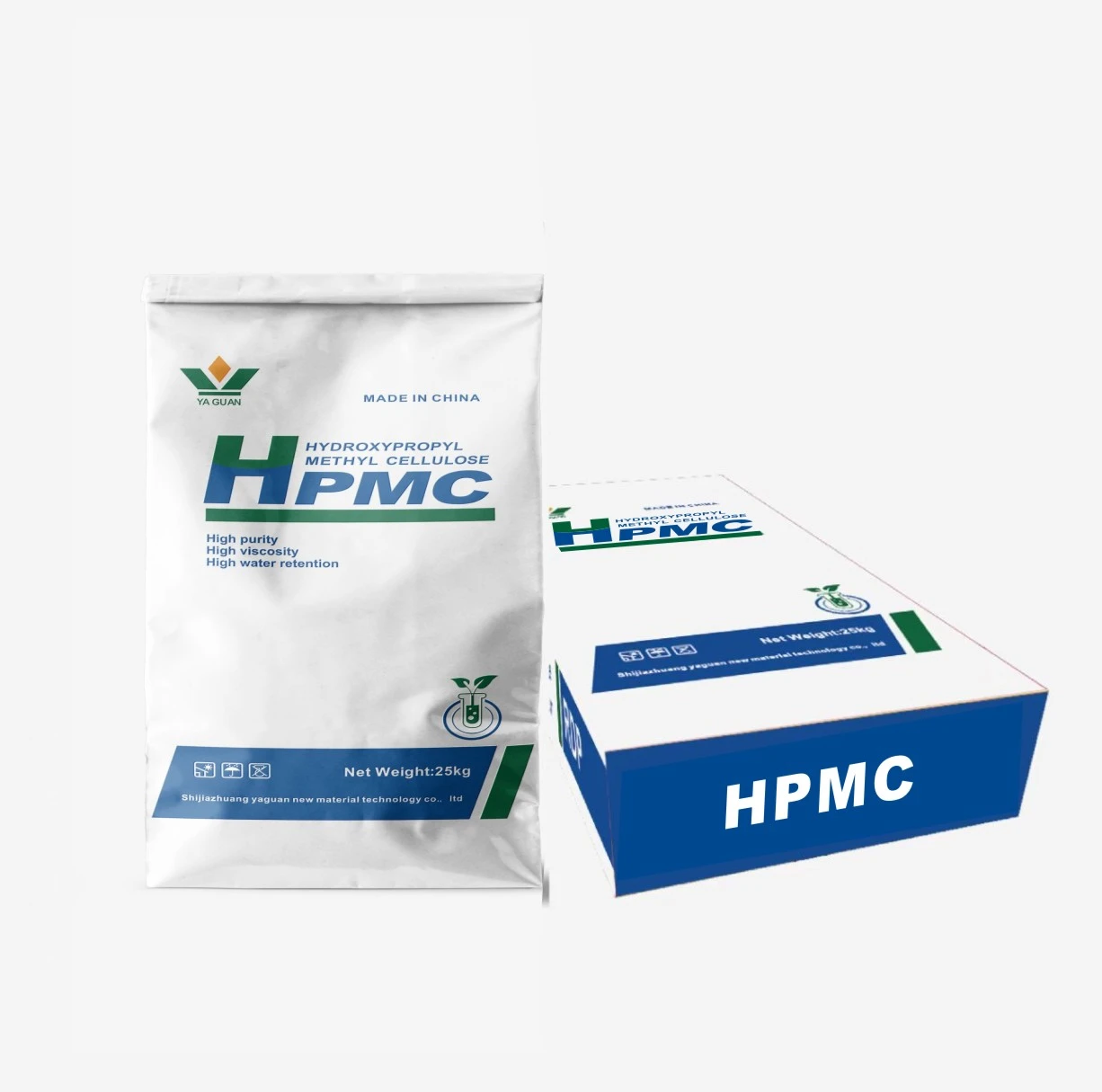
| Yaguan HPMC | Polyvinyl Alcohol (Industrial Grade) | Asia, Europe | Bio-based feedstocks, Waste reduction | Available | 3-4 weeks |
| Dow Chemical | Polyethylene Glycol | Global | Renewable energy use | Limited | 2-3 weeks |
| BASF | Polyvinyl Alcohol (Specialty Grades) | Europe, Americas | Eco-friendly processes | Custom blends | 4-6 weeks |
FAQs About Poly Alcohol
Q: What makes poly alcohol-based materials preferable for eco-friendly packaging?
A: Their biodegradability and water solubility allow poly alcohol materials to break down faster in natural environments, reducing plastic pollution. Plus, they can be sourced from renewable raw materials, making the packaging lifecycle more sustainable.
Q: Is polyvinyl alcohol (PVA) safe for medical applications?
A: Yes, PVA is biocompatible with minimal toxicity and is commonly used in wound dressings, drug delivery, and hydrogels. Its water solubility allows controlled release of medications, improving patient outcomes.
Q: How do companies customize poly alcohol formulations for different industries?
A: Customization is achieved by varying molecular weights, degree of polymerization, and blending with additives. This tailoring adjusts properties like viscosity, solubility, or mechanical strength to suit demands ranging from adhesives to pharmaceuticals.
Q: Can poly alcohol products be scaled rapidly for emergency use?
A: Yes, large-scale production is well-established, and many suppliers prioritize fast lead times for critical applications such as medical kits or disaster relief packaging.
Wrapping Up: Why Poly Alcohol Deserves Your Attention
It’s tempting to overlook poly alcohol because it sounds technical, but its widespread adoption and green credentials make it a cornerstone of modern manufacturing and sustainability. Whether you care about environmental impact, product reliability, or innovation, poly alcohol has a stake in that story. For a deeper dive, or if you’re scouting suppliers, visit poly alcohol — there’s a lot more beneath the surface.