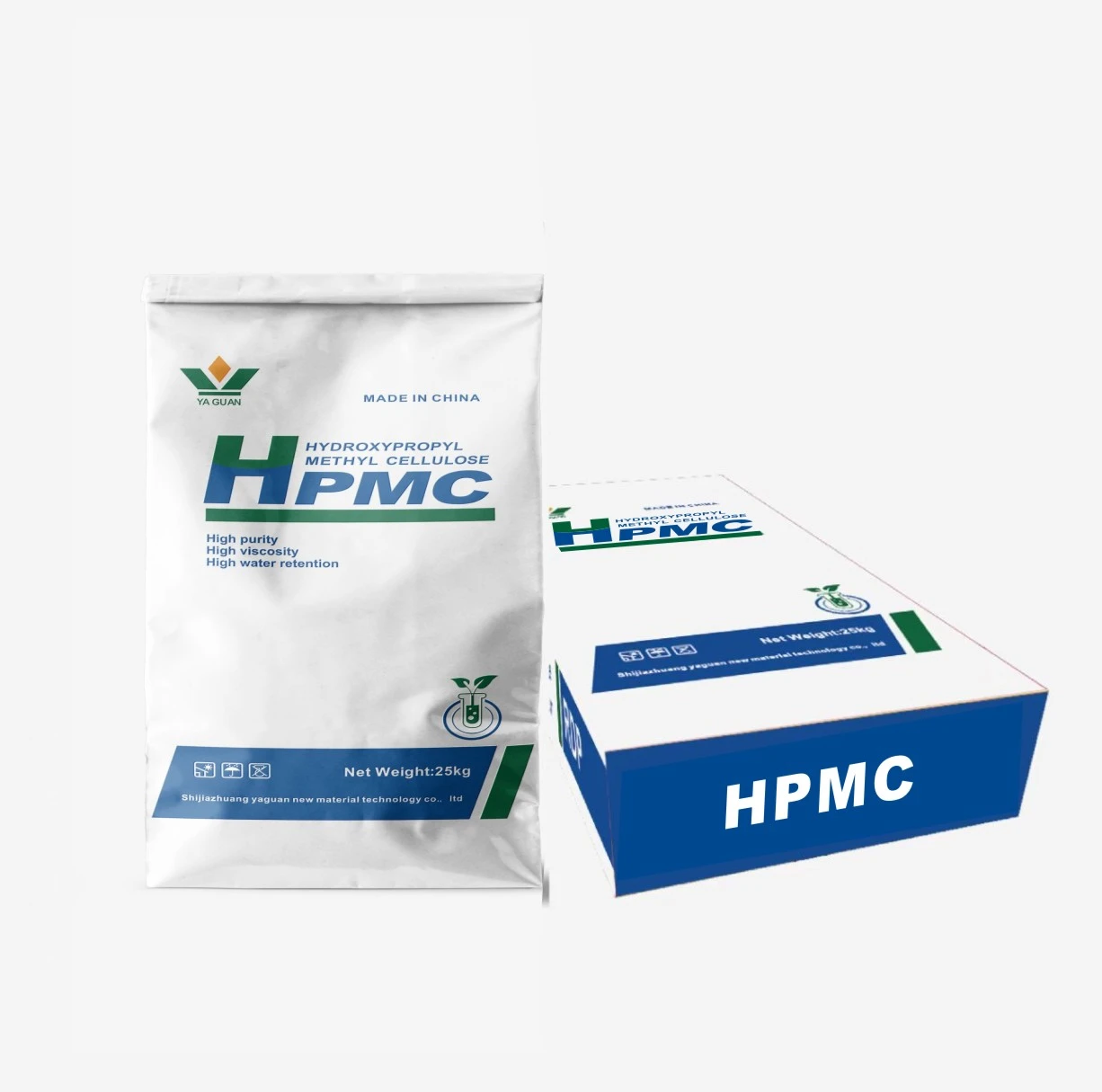

Why Understanding Hydroxypropyl Methyl Cellulose Uses Matters Globally
Hydroxypropyl methyl cellulose, or HPMC for short, might not be a household name, but its uses ripple across industries worldwide. From pharmaceuticals to construction, and even food technology, this versatile compound plays a quiet yet vital role in improving product quality, sustainability, and efficiency. Understanding hydroxypropyl methyl cellulose uses is more than just a chemistry lesson; it’s a window into how modern manufacturing balances innovation with environmental responsibility.
Globally, industries face mounting pressure to develop materials that meet safety standards, reduce waste, and support economic growth sustainably. HPMC fits neatly into this puzzle by offering multifunctional properties that solve many industrial challenges. Whether enabling better drug delivery or enhancing building materials' durability, the benefits ripple out to consumers, manufacturers, and the planet alike.
Mini takeaway: Hydroxypropyl methyl cellulose serves as a multipurpose building block, impacting economic and environmental fronts across diverse industries.
Hydroxypropyl Methyl Cellulose Uses in a Global Industry Context
On a global scale, the adoption of HPMC links tightly with trends documented by bodies like the ISO and the United Nations’ Sustainable Development Goals. For example, the global pharmaceutical excipients market, wherein HPMC takes a critical role, is expected to grow by over 6% annually through this decade.
Moreover, the construction sector, responsible for nearly 40% of global carbon emissions, increasingly relies on innovative additives like HPMC to create greener, longer-lasting materials. Industries across Asia, Europe, and North America incorporate HPMC to meet both performance standards and stricter environmental regulations.
Challenges related to raw material sourcing, product consistency, and environmental impact often get raised. Hydroxypropyl methyl cellulose uses address these by offering a non-toxic, biodegradable option with robust functional qualities. In disaster-prone regions, for example, construction materials enhanced with HPMC improve resistance to moisture and cracking — a game-changer for lasting infrastructure.
Mini takeaway: HPMC’s global relevance grows hand-in-hand with industry needs for sustainability, safety, and adaptability, backed by international standards and market data.
Defining Hydroxypropyl Methyl Cellulose Uses
Simplifying the science a bit, hydroxypropyl methyl cellulose is a chemically modified cellulose derived from plant fibers. This modification gives it unique properties: it dissolves in water, swells up to form gels, and stabilizes mixtures — perfect for many practical uses.
In essence, the uses of HPMC span:
- Thickening and stabilizing liquids in food and cosmetics.
- Serving as a binder and film-former in pharmaceuticals.
- Enhancing workability and moisture retention in construction materials.
- Acting as a lubricant or protective layer in industrial applications.
This means HPMC connects deep into modern manufacturing—helping products meet strict safety requirements while maintaining an eco-conscious profile, which is becoming an ever more important industrial cornerstone.
Mini takeaway: Hydroxypropyl methyl cellulose is a flexible, bio-based additive with crucial roles in creating consistent, sustainable products across sectors.
Key Properties that Define Hydroxypropyl Methyl Cellulose Uses
1. Water Solubility and Gel Formation
Arguably the hallmark of HPMC is its ability to dissolve cleanly in cold water, transforming into a gel that adds viscosity without compromising clarity or safety. This feature finds use in food thickeners and topical creams, where smooth texture and consistent dosing matter.
2. Thermal Stability
Unlike many cellulose derivatives, HPMC withstands moderate heat without degradation. Construction admixtures benefit from this stability, which helps maintain strength and flexibility in materials exposed to temperature fluctuations.
3. Non-Toxic and Biodegradable Nature
Because it's derived from natural sources, HPMC complies with strict food and pharmaceutical regulations worldwide—making it a greener alternative to synthetic polymers and reducing environmental footprints.
4. Film-Forming and Binding Capacity
Its film-forming ability makes HPMC indispensable in pharmaceutical tablet coatings and controlled-release drug formulations. Similarly, it binds cement particles effectively in mortars, improving cohesion and workability.
5. Compatibility with Other Materials
HPMC blends well with a wide range of polymers and fillers, boosting the performance of composite materials without unwanted interaction—a crucial attribute for optimized product development.
Mini takeaway: These core properties position HPMC as a versatile ingredient across industries, balancing performance with safety and sustainability.
Real-World Applications of Hydroxypropyl Methyl Cellulose Uses
Let’s take a quick tour to see where HPMC is making waves, starting with food technology. In many processed foods, HPMC acts as a stabilizer, thickener, or fat replacer — contributing to product consistency without artificial additives. In the pharmaceutical world, it’s a go-to excipient that controls drug release and protects active compounds.
Construction arguably gets one of the biggest benefits. Mortars and plasters enhanced with HPMC show better water retention, improved adhesion, and delayed setting times. This not only increases durability but also helps in regions where climate extremes are common, such as parts of the Middle East or South Asia.
Example case: In post-disaster rebuilding efforts in Southeast Asia, HPMC-enhanced materials have enabled faster construction cycles with improved weather resistance — crucial when speed and reliability mean everything for displaced communities.
Industrial sectors use it as a lubricant in ceramic manufacturing and as a protective agent in paper coatings. Across all these domains, HPMC’s unique combination of safety and performance opens doors to innovation.
Mini takeaway: Hydroxypropyl methyl cellulose is a multi-industry hero, from kitchens to construction sites, enhancing quality and sustainability globally.
Product Specification Table for Hydroxypropyl Methyl Cellulose (HPMC)
| Specification | Typical Value | Notes |
|---|---|---|
| Appearance | White to off-white powder | Free-flowing |
| Methoxy Content | 19–24% | Affects solubility |
| Hydroxypropyl Content | 4–12% | Modulates gel strength |
| Viscosity (2% solution) | 50–4000 mPa·s | Product-dependent |
| pH (2% solution) | 5.5–8.0 | Near neutral |
| Moisture Content | ≤5% | Storage factor |
Vendor Comparison: Leading Hydroxypropyl Methyl Cellulose Suppliers
| Supplier | Global Reach | Product Range | Sustainability Practices | Typical Lead Time |
|---|---|---|---|---|
| Company A | Global (Asia, Europe, Americas) | Broad (50+ grades) | ISO 14001 certified, bio-based sourcing | 4-6 weeks |
| Company B | Asia and Europe focus | Mid-range (20+ grades) | Recycling initiatives ongoing | 3-5 weeks |
| Company C | Regional (North America) | Specialty grades | Focus on low carbon footprint | 6-8 weeks |
Long-Term Value and Advantages of Hydroxypropyl Methyl Cellulose Uses
When you peel back the layers, HPMC’s advantages feel both tangible and reassuring. For one, it offers cost-effective ways to enhance product stability and shelf life – meaning less product waste and fewer quality claims. In a world where sustainability is not just a buzzword but a survival strategy, the biodegradability of HPMC addresses environmental concerns proactively.
Emotionally, companies gain peace of mind: formulations remain consistent, and construction materials stay resilient over time—this translates to safety for end-users and trust in suppliers. Socially, faster roll-outs of HPMC-reinforced building materials in vulnerable areas can improve living conditions, contributing to dignity and well-being.
Mini takeaway: Hydroxypropyl methyl cellulose delivers a blend of economic, ecological, and ethical advantages, bridging innovation and responsibility.
Emerging Trends and Innovations Around Hydroxypropyl Methyl Cellulose
Looking ahead, it’s clear that hydroxypropyl methyl cellulose uses will evolve alongside green initiatives and digitization. Research into nano-structuring HPMC to further optimize drug delivery systems is underway, with potential to revolutionize medications’ effectiveness.
In construction, HPMC is combining with recycled materials, circular economy models, and smart sensors to create adaptive building compounds that respond to environmental changes. Oddly enough, I find this mix of chemistry and tech downright exciting.
Additionally, policies encouraging biodegradable additives in packaging and cosmetics push HPMC’s adoption even further—a trend I expect to accelerate globally.
Mini takeaway: HPMC’s future is tied to sustainability and digital innovation, promising smarter, greener solutions across sectors.
Common Challenges and How Industry Experts Address Them
While HPMC boasts many strengths, it’s not without its hurdles. High viscosity grades can sometimes complicate processing or require precise temperature control. Also, sourcing consistent raw materials amid fluctuating cellulose supply chains can pose challenges.
Experts counter these by advances in manufacturing controls, blending HPMC grades, and partnering closely with sustainable forestry programs to secure cellulose inputs. Customized formulations tailored to client needs also help overcome compatibility or performance concerns — in short, there’s usually a fix, though it might take some patience and know-how.
Mini takeaway: Challenges around HPMC use and sourcing exist but are being tackled with technology, expertise, and sustainable practices.
FAQ: Practical Questions About Hydroxypropyl Methyl Cellulose Uses
- Q: What makes HPMC better than traditional cellulose additives?
- A: HPMC’s chemical modification enhances solubility, thermal stability, and film-forming capabilities, making it more versatile and reliable for pharmaceuticals, food, and construction compared to unmodified cellulose.
- Q: How long can HPMC-enhanced construction materials last in harsh climates?
- A: When properly formulated, mortars with HPMC additives can maintain structural integrity for decades even in moist or temperature-variable environments, slowing degradation and improving durability.
- Q: Is HPMC an eco-friendly option for food and cosmetic products?
- A: Yes, HPMC is derived from renewable plant sources, is biodegradable, and complies with strict food-safety regulations, making it an environmentally sound choice.
- Q: How can smaller companies access quality HPMC suppliers internationally?
- A: Many suppliers offer flexible order sizes and support with import documentation; building a strong supplier relationship and understanding sourcing logistics is key to smooth international procurement.
- Q: Are there new innovations in HPMC formulations for drug delivery?
- A: Research on nanoparticle-enhanced HPMC and controlled-release tablets is ongoing, aiming to improve medication efficacy and reduce dosing frequency.
Wrapping Up: The Lasting Impact of Hydroxypropyl Methyl Cellulose Uses
Hydroxypropyl methyl cellulose quietly powers a wide range of modern products—from the plaster on building walls to pills that improve our health. Over time, it’s becoming clear just how indispensable this material is, thanks to its adaptability, safety, and sustainability credentials.
Curious to learn more or explore tailored solutions? Feel free to visit our website for comprehensive insights and product options: https://www.yaguanhpmc.com.
In the end, knowing about hydroxypropyl methyl cellulose uses is more than a technicality—it’s a way to stay ahead in a fast-evolving, eco-conscious world.