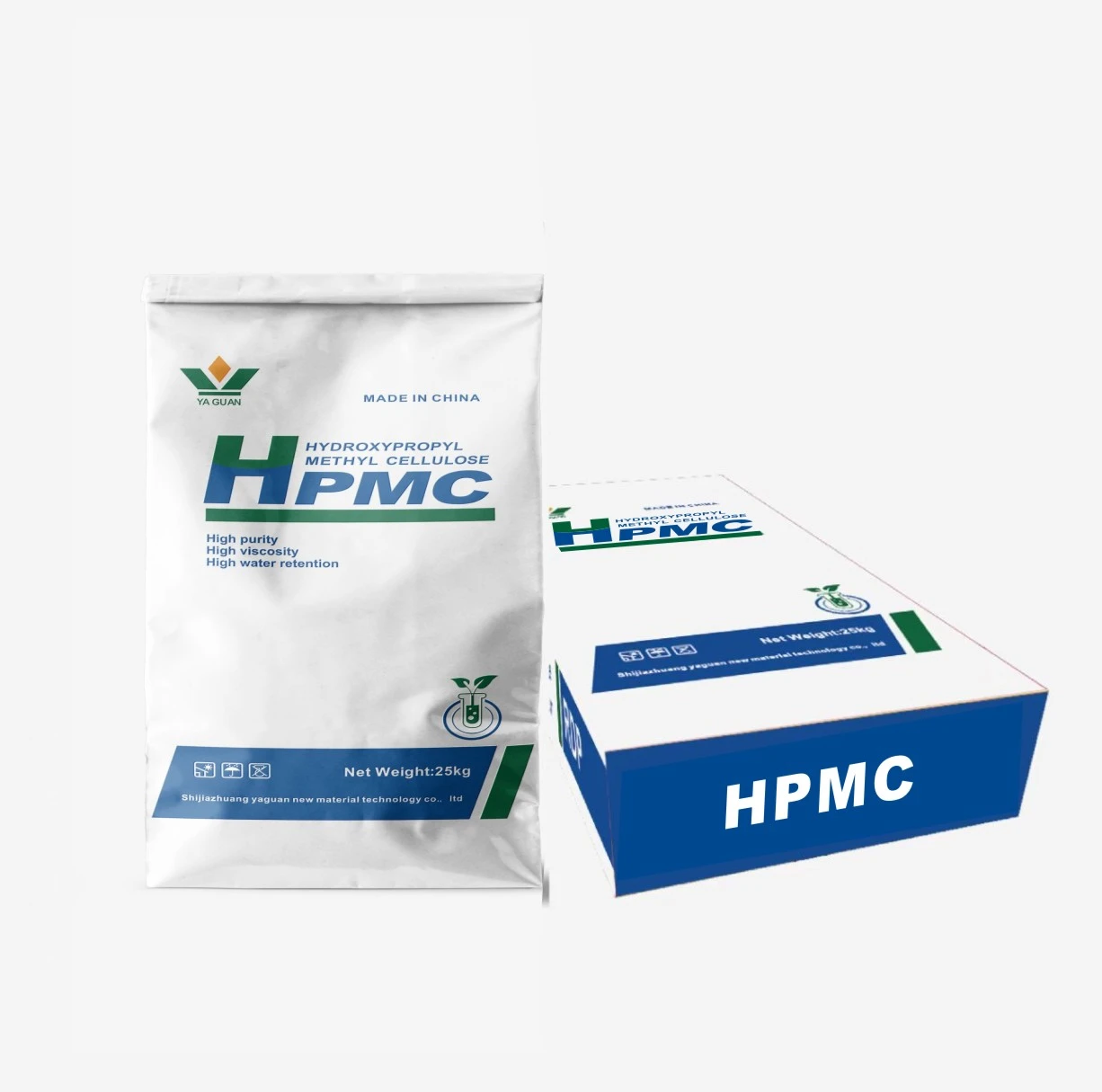

Understanding HPMC Hydroxypropyl Methyl Cellulose: A Versatile Industrial Marvel
Industries worldwide increasingly rely on specialty compounds that blend functionality with accessibility. Among these, hpmc hydroxypropyl methyl cellulose stands out as a highly adaptable ingredient, quietly powering applications from construction to pharmaceuticals. Why does it matter? Because understanding this material helps businesses sharpen their product designs, reduces costs, and, frankly, contributes to a more sustainable future in manufacturing.
Take a moment: whether you’re involved in coatings, adhesives, or even food processing, HPMC is probably somewhere behind the scenes—holding things together, controlling texture, or improving durability. This naturally leads to the question: what exactly is it, and why should we care?
The Global Context: Why HPMC Hydroxypropyl Methyl Cellulose Matters Worldwide
On a global scale, the demand for versatile and reliable chemical additives like HPMC has skyrocketed. According to data reported by the International Organization for Standardization (ISO) and market research from the World Bank, the specialty cellulose ethers market—of which HPMC is a significant part—is growing by roughly 6% annually, driven largely by booming construction and pharmaceutical sectors in Asia-Pacific and Europe.
This growth reflects underlying challenges industries face: the need for materials that are both performance-oriented and environmentally considerate. HPMC, with its non-toxic nature and tailorability, offers a solution to these often-conflicting demands.
For example, post-disaster rebuilding efforts often require fast-setting, water-retentive mortars. Here, hpmc hydroxypropyl methyl cellulose improves mortar workability and durability—a small but vital part of keeping communities safe and rebuilding quicker.
What Is HPMC Hydroxypropyl Methyl Cellulose?
Simply put, HPMC is a chemically modified cellulose derivative, extracted primarily from wood pulp or cotton linters. It’s a white, odorless powder that dissolves in water to form clear, viscous solutions. The “hydroxypropyl” and “methyl” parts refer to specific chemical groups added to the cellulose chain, enhancing solubility and flexibility.
This chemical tweak opens a world of utility, enabling HPMC to act as a thickener, film-former, binder, or protective colloid. Industries spanning from tile adhesive formulations to eye drops rely on these properties.
In modern industry, that means one material can replace several less eco-friendly options while maintaining performance. Frankly, it’s becoming the Swiss Army knife of cellulose derivatives.
Key Properties of HPMC Hydroxypropyl Methyl Cellulose
- Water Retention: Avoids premature drying in cementitious mixtures, improving strength.
- Thermal Stability: Maintains properties from subzero to 150°C.
- Non-Toxicity: Approved for food and pharmaceutical applications.
- Viscosity Modulation: Adjustable to fit specific rheological needs.
- Film Formation: Creates durable, flexible films suitable for coatings.
Each of these factors translates into practical benefits — for example, water retention improves workability in construction mortars, meaning fewer cracks and longer-lasting walls. Viscosity control allows product engineers to fine-tune textures in personal care products.
Global Applications of HPMC Hydroxypropyl Methyl Cellulose
The flexibility of HPMC means it finds homes in quite distinct contexts:
- Construction: Used extensively as a thickener and workability enhancer in tile adhesives, repair mortars, and gypsum plasters worldwide, especially in fast-growing markets like China and India.
- Pharmaceuticals: Serves as a tablet binder, sustained-release agent, and eye drop viscosity enhancer.
- Food Industry: Acts as a stabilizer and thickener in dressings, bakery fillings, and gluten-free products.
- Cosmetics: Improves texture and stability of lotions and creams.
- Paints and Coatings: Provides film formation and thickening without compromising clarity or environmental safety.
For instance, in rural electrification projects in Africa, the cementitious materials used to build solar panel supports commonly incorporate HPMC to prevent premature cracking in harsh weather. These small details matter enormously for long-term infrastructure reliability.
HPMC Hydroxypropyl Methyl Cellulose Specification Overview
| Property | Typical Range | Units | Remarks |
|---|---|---|---|
| Substitution Degree (Methoxy %) | 19 - 30 | % | Affects solubility and viscosity |
| Hydroxypropyl Content | 4 - 12 | % | Enhances chemical stability |
| Viscosity (2% in water at 20°C) | 1000 - 50000 | mPas | Adjustable to application needs |
| Bulk Density | 0.25 - 0.40 | g/cm³ | Affects transport & storage |
Mini takeaway: The variability inherent in HPMC allows manufacturers to fine-tune products for distinct niche requirements—something many plastics or synthetic polymers struggle to match sustainably.
Comparing Vendors: What to Consider When Choosing Your HPMC Supplier
| Vendor | Range of Grades | Sustainability Certification | Lead Times | Global Reach |
|---|---|---|---|---|
| Yaguan | 30+ (various viscosities) | ISO 14001 Certified | 2-4 weeks | Asia, Americas, EU |
| Ashland | 20+ (focus on pharma) | Sustainable Forestry Initiative | 3-6 weeks | Global |
| Dow Chemical | Wide range (multiple industries) | No specific cert | 4-8 weeks | North America, EU, Asia |
Advantages & Long-Term Value of HPMC Hydroxypropyl Methyl Cellulose
Why are so many industries adopting HPMC? It boils down to a combination of tangible and intangible benefits:
- Cost Efficiency: Its versatility cuts down the need for multiple additives.
- Sustainability: Derived from renewable plant cellulose, it reduces reliance on petrochemical alternatives.
- Reliability: Offers consistent performance under varied environmental conditions.
- Social Impact: Enables better quality construction in disaster recovery, promoting safety and dignity.
- Innovation: Supports product differentiation via customizable viscosities and film properties.
There’s a certain peace of mind knowing a product is not just functional but supports environmental and social initiatives. That’s why manufacturers in multiple sectors often prefer HPMC—because it balances trust and technology.
Future Trends & Innovations Around HPMC Hydroxypropyl Methyl Cellulose
Looking ahead, the spotlight falls on green chemistry and digital transformation:
- Biobased Sourcing: Enhanced cellulose extraction techniques boost purity and reduce energy use.
- Nano-Cellulose Hybrids: Combining HPMC with nanocellulose fibers to improve mechanical properties.
- Smart Formulations: Incorporating sensors or responsive additives to create ‘intelligent’ materials.
- Automation in Production: More precise viscosity control through AI-optimized manufacturing processes.
It keeps evolving, and as regulatory frameworks tighten on sustainability, hpmc hydroxypropyl methyl cellulose looks like a material with staying power.
Challenges & Innovative Solutions in Working with HPMC
Nothing’s perfect. Common challenges include batch-to-batch viscosity variations and sensitivity to temperature during processing. Some formulations also face difficulties with freeze-thaw stability in aqueous systems.
Experts suggest pretesting formulations with various HPMC grades, using stabilizers, or blending with complementary cellulose ethers. Also, suppliers like Yaguan provide tailored grades addressing these issues head-on, leveraging long-term technical support.
FAQ: Practical Questions About HPMC Hydroxypropyl Methyl Cellulose
- Q1: What makes HPMC preferable over other cellulose ethers in construction?
- A1: HPMC balances water retention, thickening, and film formation better than many alternatives, making mortars easier to work with and more durable once set.
- Q2: Can HPMC be used in vegan or gluten-free food products?
- A2: Yes, as a plant-based cellulose derivative, HPMC is suitable for vegan and gluten-free formulations, often used as a gluten substitute to improve texture.
- Q3: How long does an HPMC-containing plaster typically last in exterior applications?
- A3: With proper formulation, HPMC-enhanced products can last 10-15 years outdoors, resisting cracking and weathering effectively.
- Q4: Is it complicated to import HPMC internationally?
- A4: While paperwork and regulations exist, many suppliers provide export documentation and logistics support to simplify international shipments.
- Q5: How customizable is HPMC’s viscosity for different industries?
- A5: Very customizable—viscosity ranges from 1000 mPas to 50,000 mPas or more, making it suitable for everything from injectable pharmaceuticals to thick construction admixtures.
Conclusion: The Long-Term Value of Choosing HPMC Hydroxypropyl Methyl Cellulose
In real terms, investing in hpmc hydroxypropyl methyl cellulose means tapping into a material that’s proven, sustainable, and adaptable. From strengthening construction to enabling biocompatible medicines, it’s a quiet but critical backbone in many industries’ futures.
Considering how our world increasingly prioritizes eco-friendly yet efficient solutions, this isn’t just a passing trend. It’s a genuine shift in how we approach materials science—factoring in lifecycle impacts without sacrificing performance.
If you’re curious to explore what this versatile cellulose derivative can do for your projects, feel free to visit our site for detailed product info and tailored advice.
References:
1. Wikipedia: Hydroxypropyl methylcellulose
2. ISO Committees on Cellulose Ethers
3. World Bank Industry Reports