
Understanding Methyl 2 Hydroxyethyl Cellulose: Why It Matters Today
You might not realize it, but methyl 2 hydroxyethyl cellulose (often seen in technical specs or ingredient lists) plays a surprisingly broad role across several industries worldwide. It’s a versatile polymer derivative rooted in cellulose, the most abundant organic biopolymer on Earth. Its importance spans from manufacturing construction materials to food production and pharmaceuticals, reflecting the growing push for sustainable, eco-friendly alternatives in an era craving reliability and efficiency.
With global markets aiming to meet ever-stringent standards for safety, environmental impact, and cost efficiency — understanding methyl 2 hydroxyethyl cellulose is more than just a curious exercise. It’s central to innovation in creating better adhesives, coatings, binders, and thickeners, all while addressing global challenges like resource constraints and environmental regulations.
The Global Context: Why Methyl 2 Hydroxyethyl Cellulose is Gaining Traction
On a bigger scale, methyl 2 hydroxyethyl cellulose resonates with international markets increasingly bound by strict regulations from organizations such as ISO and directives on sustainable manufacturing from the United Nations Environment Programme (UNEP). Between 2015 and 2022, the global cellulose ethers market (which includes derivatives like methyl 2 hydroxyethyl cellulose) grew annually by roughly 6%, driven by demand in Asia-Pacific, Europe, and North America.
One key driver? The shifting consumer and industrial preference for biodegradable, non-toxic ingredients. Construction industries, for instance, are leaning heavily on cellulose ethers to improve plaster and cement mortar consistency while reducing water usage — a critical factor in regions suffering water scarcity.
However, certain challenges like ensuring product scalability and meeting varying regional standards remain, pushing manufacturers into continual innovation.
What Exactly Is Methyl 2 Hydroxyethyl Cellulose?
It’s a cellulose ether compound, modified by methyl and hydroxyethyl groups to improve solubility and bonding properties. Put simply: it’s a modified, water-soluble cellulose polymer used to thicken, stabilize, and bind various mixtures without harmful chemicals or synthetic plasticizers.
This material’s versatility comes from its surface chemistry. It can be reactive yet stable, compatible with wide pH ranges, and adaptable to different viscosities and textures. It’s perfectly suited to industries that prioritize natural raw materials but need tailored performance — like pharmaceuticals, cosmetics, food, and even rapidly developing green building products.
Why is that important?
Because, in a world leaning away from petroleum-derived polymers, methyl 2 hydroxyethyl cellulose is a bridge. It leverages nature’s most abundant polymer — cellulose — but tweaks it just enough to fulfill modern tech demands. And it does so with relatively low environmental impact.
The Core Characteristics Making It Indispensable
1. Water Solubility and Viscosity Control
This polymer dissolves easily in cold water while controlling thickness or gel formation — a quality prized in paints, adhesives, and food thickeners where consistency matters. Manufacturers love that they can fine-tune the product easily by adjusting chemical ratios.
2. Thermal Resistance and Stability
Methyl 2 hydroxyethyl cellulose withstands moderate heat without breaking down, which is essential in construction materials exposed to temperature fluctuations and in pharmaceutical formulations needing long shelf lives.
3. Non-Toxic and Biodegradable
Oddly enough, many synthetic polymers can pass off as convenient until their disposal becomes problematic. This cellulose derivative, however, breaks down naturally, which is why it’s favored in food-grade products or eco-conscious cosmetics.
4. Compatibility with Other Materials
Whether mixed with cement, latex, or dietary supplements, it doesn’t simply blend but improves adhesion and stability, facilitating more effective product formulations.
5. Cost Efficiency
While not the absolute cheapest additive, its performance and sustainability justify initial costs by enabling longer-lasting, safer, and less resource-intensive material mixes.
Worldwide Uses and Examples
From Asia’s booming construction markets to Europe’s cosmetic industries, methyl 2 hydroxyethyl cellulose continues to prove its worth:
- Construction and Building Materials: Used as a thickener and water retention agent in plaster, concrete, and mortars. Helps reduce cracking and improve surface finish.
- Food Industry: Acts as a stabilizer and emulsifier in dairy, baked goods, and processed foods — especially useful in gluten-free recipes.
- Pharmaceuticals: Employed as a binder in tablets and to control viscosity in topical creams or liquid medicines.
- Personal Care Products: Enhances texture and stability of lotions, shampoos, and makeup.
- Disaster Relief and Remote Infrastructure: In areas with limited water or supply chains, it helps create durable construction materials for quick shelters or emergency repairs.
Remarkably, some NGOs have started integrating methyl cellulose-based materials in frameworks of temporary housing, as these help maintain integrity without costly additives.
Advantages and Long-Term Value of Methyl 2 Hydroxyethyl Cellulose
On the logical side, payoffs include lower water consumption in production, fewer chemical contaminants, and enhanced product lifespan. Emotionally, it’s reassuring to know that a product works with nature, not against it, supporting sustainability and human safety.
Many manufacturers testify that switching to methyl 2 hydroxyethyl cellulose reduced waste, cut regulatory hassles, and improved consumer trust — especially in personal care and food segments. For industrial buyers, it’s an efficient, multi-functional ingredient that simplifies formulations.
Product Specifications
| Specification | Typical Values |
|---|---|
| Appearance | White to Off-white Powder |
| Viscosity (2% solution, 20°C) | 1000 – 25000 mPa·s |
| pH (1% solution) | 6.5 – 8.0 |
| Moisture Content | ≤ 6% |
| Methoxy Content | 20 – 30% |
Vendor Comparison: Leading Methyl 2 Hydroxyethyl Cellulose Suppliers
| Vendor | Product Range | Industry Focus | Sustainability Practices | Pricing (Indicative) |
|---|---|---|---|---|
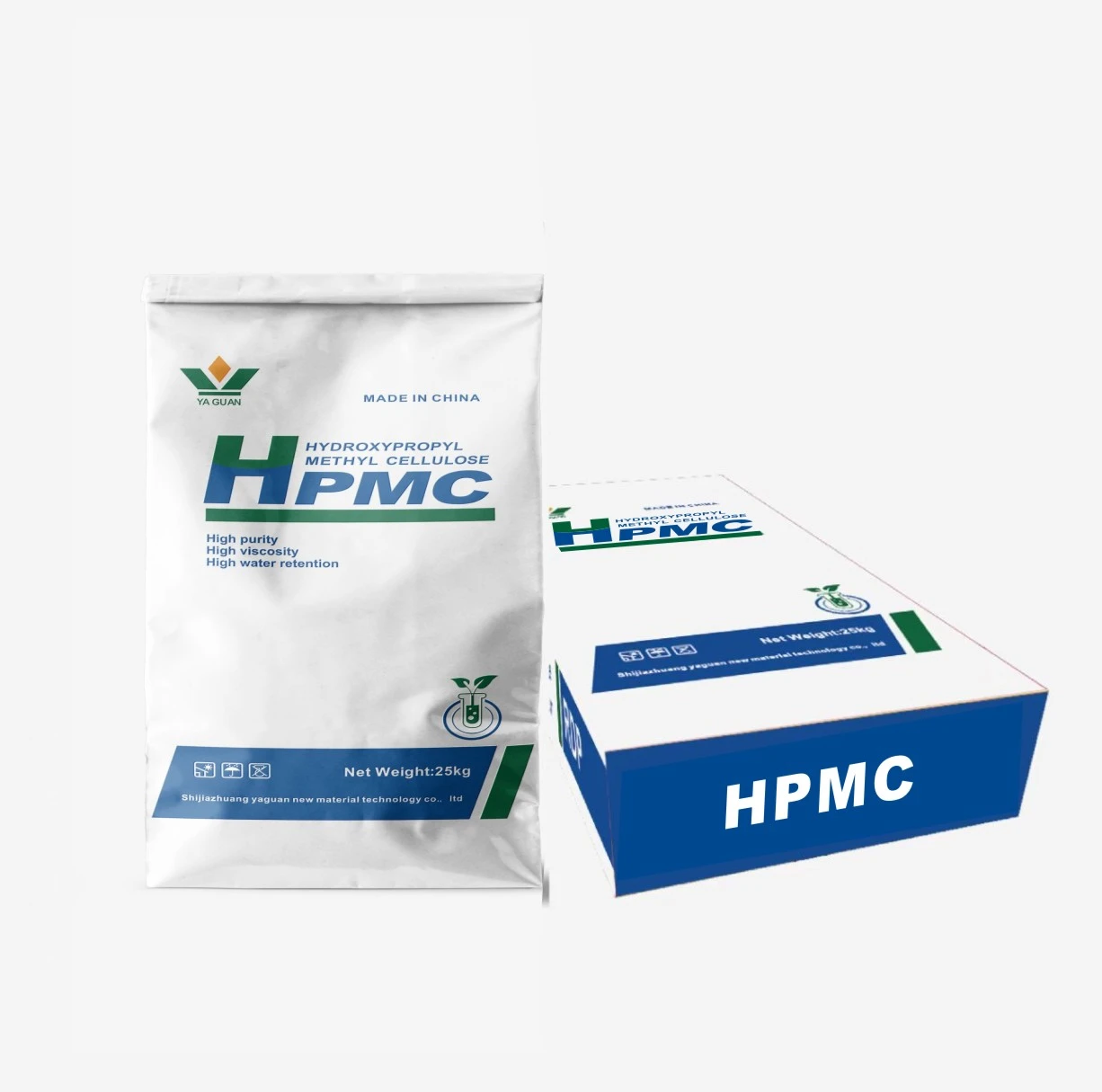
| Yaguan HPMC | Wide viscosity range | Construction, Pharma, Food | ISO 14001 certified, renewable sourcing | Competitive pricing, volume discounts |
| Cellufix Ltd. | Specialized pharma grades | Pharmaceuticals, Cosmetics | Focus on green chemistry | Premium pricing |
| EcoCell Polymers | Eco-friendly, biodegradable lines | Agriculture, Food, Consumer Goods | 100% renewable feedstocks | Mid-range pricing |
The Road Ahead: Innovations and Trends to Watch
The future of methyl 2 hydroxyethyl cellulose is closely intertwined with sustainability and advanced material science. Scientists are developing nanocellulose hybrids, improving water retention abilities further, and enhancing biodegradability.
Digitally, formulations incorporating methyl 2 hydroxyethyl cellulose are being optimized via machine learning models to reduce trial-and-error in R&D. Automation in production affords tighter quality control as well — crucial for pharmaceutical or food-grade applications.
Green energy movements are also pushing research into sourcing the raw cellulose more efficiently and reducing processing emissions. I’d say the next decade will see this polymer become even more foundational — quietly powering innovations and eco-solutions around us.
Challenges & Solutions
Some common limitations include batch-to-batch viscosity variability and sensitivity to extreme pH or ionic environments. Plus, scaling consistently without loss of performance remains tricky for some manufacturers.
Yet progressive suppliers use modern analytical methods and hybrid polymer blends to mitigate issues. Collaborative R&D and certifications ensure greater product reliability. For users, simple tips like controlling storage conditions and mixing protocols can substantially improve outcomes.
Frequently Asked Questions About Methyl 2 Hydroxyethyl Cellulose
- What industry is methyl 2 hydroxyethyl cellulose most commonly used in?
- It’s widely used across construction (especially mortars and plasters), food production as a stabilizer, and pharmaceuticals for tablet binding or topical creams. Its versatility translates to many sectors needing natural, biodegradable additives.
- How does methyl 2 hydroxyethyl cellulose improve the durability of building materials?
- It enhances water retention and adhesion in cement mixes, reducing cracks and improving surface finish under variable weather conditions, thus prolonging the lifecycle of plaster and mortar applications.
- Is it safe to use in food and cosmetic products?
- Yes, it is non-toxic, approved for food contact, and widely used as a thickener or stabilizer, complying with safety regulations globally.
- Can methyl 2 hydroxyethyl cellulose be considered environmentally friendly?
- Indeed. Derived from natural cellulose, it biodegrades efficiently and allows manufacturers to reduce synthetic polymer use, aligning with sustainability goals.
- Where can I find reliable suppliers for methyl 2 hydroxyethyl cellulose?
- Vendors like Yaguan HPMC offer wide ranges suitable for different industries, backed by certifications and sustainable sourcing. Check supplier credentials and product specs before purchasing.
Conclusion: The Long-Term Gains
Methyl 2 hydroxyethyl cellulose remains a quietly transformational material, balancing sustainability, performance, and cost. Whether your focus is industrial innovation, eco-friendly product design, or compliance with demanding regulations, it offers a dependable solution with rich versatility.
If you’re curious to explore product options or want to see detailed specifications, I highly recommend visiting methyl 2 hydroxyethyl cellulose suppliers like Yaguan HPMC — they combine quality with eco-conscious practices.
1. ISO 9001 & ISO 14001 Certification Standards
2. United Nations Environment Programme (UNEP) Reports on Sustainable Materials
3. Wikipedia: Cellulose Ethers