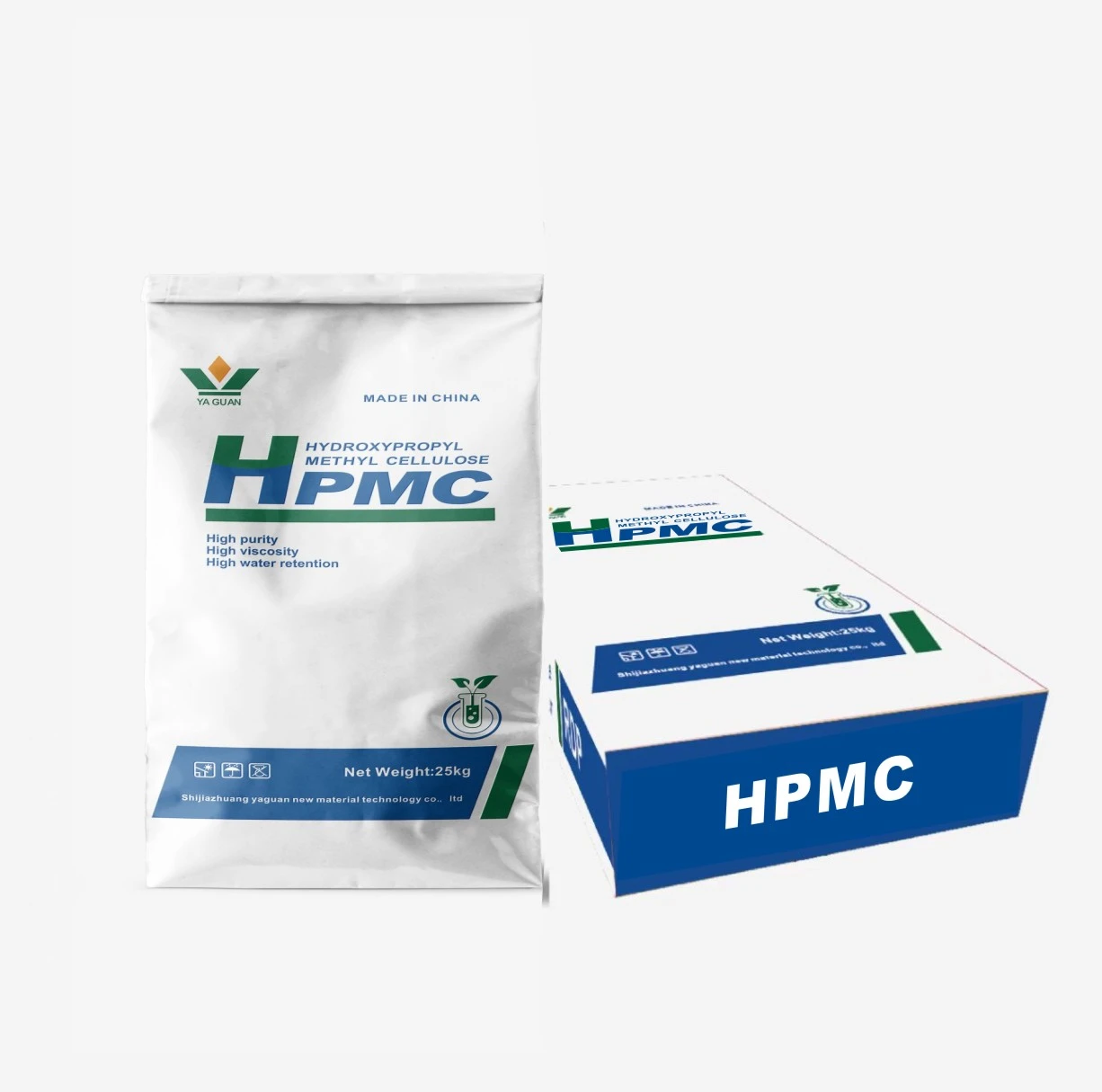

Understanding Mecellose Cellulose Ether: Why It Matters Today
At first glance, mecellose cellulose ether might sound like another dry chemical term tossed around by material scientists. But in reality, this versatile compound touches countless industries globally—from construction to pharmaceuticals—and promises sustainable solutions for pressing challenges. With advances in eco-friendly materials and rising demand for efficient industrial additives, getting familiar with mecellose cellulose ether opens doors to better manufacturing, improved product longevity, and even impactful humanitarian use.
Globally, cellulose ethers are poised to grow at a solid clip. According to the Statista report, the cellulose ether market is expected to reach multi-billion dollar figures by 2028, primarily driven by regulatory pushes towards bio-based products and growing end-user applications. Frankly, it’s one of those materials that quietly upgrades daily life, especially in regions where robustness and sustainability are non-negotiable.
What Is Mecellose Cellulose Ether Anyway?
Simply put, mecellose cellulose ether is a modified, water-soluble polymer derived from cellulose—the most abundant organic polymer on Earth, sourced mainly from plant fibers. Think of it as cellulose that’s been tweaked chemically to behave differently, mainly to improve viscosity, bind materials, and provide moisture retention.
This tweak makes mecellose cellulose ether invaluable in modern industries. It’s like the unsung hero helping paint stick better, foods maintain texture, medicines deliver effectively, and even construction materials perform under tough conditions. Its versatility stems from tweaking the chemical groups attached to the cellulose backbone, giving manufacturers the freedom to tailor properties to specific needs.
Key Factors Behind Mecellose Cellulose Ether’s Success
1. Water Retention & Thickening Ability
One of the core traits, and honestly the feature that sets it apart, is its impressive water-binding capacity. This means products incorporating mecellose cellulose ether can maintain moisture for longer, which proves critical in industries like cement admixtures or cosmetics where texture and application stability are essential.
2. Stability Across pH Levels and Temperatures
Many engineers I spoke to emphasize how remarkably stable this ether is, even when exposed to varying pH environments or temperature swings. This stability expands where it can be used—from acidic cleaning products to heat-exposed adhesives.
3. Safety and Sustainability
Derived from natural cellulose, this ether is biodegradable and nontoxic. As sustainability moves from buzzword to business imperative, materials like mecellose cellulose ether increasingly attract industrial attention because they marry performance with environmental responsibility.
4. Versatility in Formulation
Because manufacturers can tailor its molecular weight and substitution degree, mecellose cellulose ether adapts well across an impressive range of viscosities, solubilities, and even sensory profiles—think skin creams or dough conditioners.
5. Cost Efficiency
Its supply chain benefits from being cellulose-based, making raw materials fairly affordable. Producers balance this with relatively low processing costs, meaning end products maintain competitive price points, a key factor in global markets with tight margins.
Mini Takeaway:
Mecellose cellulose ether isn’t just another additive. It’s a tailored, eco-friendly polymer with a uniquely broad application spectrum, thanks to its water retention, stability, and customization potential.
Real-World Applications: Where Mecellose Cellulose Ether Shines
From industrial backbones to humanitarian efforts, this cellulose ether finds itself at the crux of innovation worldwide:
- Construction Industry: Used extensively as a thickener and water retention agent in mortars and plasters—especially in fast-paced urban developments in Asia and Europe.
- Pharmaceuticals & Cosmetics: Employs mecellose cellulose ether as a stabilizer or binder, improving drug delivery systems or moisturizing skin creams prevalent in North American and European markets.
- Food Sector: Acts as a texture improver and stabilizer in gluten-free baking or low-fat products, increasingly popular in health-conscious communities globally.
- Post-disaster Relief: It’s quite interesting how some NGOs have started integrating modified cellulose ethers in fast-curing, lightweight construction materials to help communities rebuild—especially noted in Southeast Asia after cyclones.
- Industrial Applications: Used as a lubricant thickener or paper coating agent in countries prioritizing heavy manufacturing like Germany and China.
Mini Takeaway:
The beauty of mecellose cellulose ether is in its flexibility—across industries and continents—with a somewhat understated but pivotal role in modern manufacturing and relief efforts alike.
Advantages & Long-Term Value of Mecellose Cellulose Ether
Let’s get practical. When engineers choose materials, it’s often a mix of factors: cost, durability, ease of use, and sustainability.
- Cost-Effective Performance: It cuts down raw material wastage by improving product consistency—saving money in the long run.
- Improved Sustainability: Bio-based and biodegradable, it lowers the ecological footprint compared to synthetic polymers.
- Enhanced Product Reliability: Waterproofing, thickening, or stabilizing effects mean products last longer, perform better.
- Social Impact: In humanitarian settings, faster construction and safer products preserve dignity and bolster recovery.
- Innovation Driver: Continuous R&D around cellulose ethers leads to breakthrough formulas, supporting brand reputation and customer trust.
Product Specification Table
| Property | Typical Range | Unit | Notes |
|---|---|---|---|
| Viscosity (2% solution) | 100 - 800 | mPa·s (Brookfield) | Depends on grade |
| pH Stability Range | 4 - 11 | - | Application-dependent |
| Moisture Content | 5 - 8 | % | As received |
| Bulk Density | 350 - 450 | kg/m³ | Packaging varies |
| Substitution Degree | 0.2 - 1.2 | - | Influences solubility |
Comparing Leading Mecellose Cellulose Ether Vendors
| Vendor | Product Grade Range | Price (per ton) | Sustainability | Global Reach |
|---|---|---|---|---|
| CelluTech Industries | Low to High Viscosity | $1800 - $2200 | Certified Bio-based | Europe, Asia |
| GreenFiber Materials | Mid Viscosity Focus | $1700 - $2100 | Recycled Sourcing | North America, EU |
| EcoCell Polymers | Custom Grades Available | $1900 - $2400 | 100% Biodegradable | Global |
Emerging Trends and Innovations Around Mecellose Cellulose Ether
Innovation never stands still. Researchers now experiment with nano-cellulose derivatives, hybrid blends combining mecellose cellulose ether with bio-based polymers, and digital formulation tools powered by AI to optimize performance faster than ever before. Green energy initiatives also nudge production methods towards using renewable feedstocks and cleaner processes.
Oddly enough, these newer materials aren’t just “better for the planet.” They unlock properties that enable 3D printing of bio-based composites or self-healing coatings—concepts that felt futuristic only a few years ago.
Challenges & Smarter Solutions
Despite the promise, mecellose cellulose ether is not without hitches. For instance, product consistency varies with raw cellulose source quality, and there are processing complexities around dispersibility. Moisture sensitivity during storage can cause caking if not managed correctly.
Industry experts recommend tight quality controls and partnering with suppliers who offer customized grades to overcome such issues. Additionally, technological advances in encapsulation and powder handling reduce these problems, ensuring the material performs reliably on-site—even in remote or challenging environments.
FAQ: Frequently Asked Questions About Mecellose Cellulose Ether
- What makes mecellose cellulose ether better than other cellulose derivatives?
- Its superior water retention, stability across pH ranges, and customizable viscosity distinguish it. This flexibility allows formulations to be fine-tuned for specific industrial or pharmaceutical needs, making it more adaptable and reliable.
- How sustainable is mecellose cellulose ether in large-scale production?
- Being plant-based and biodegradable inherently gives it a lower environmental impact than synthetic polymers. Many producers now implement renewable energy and green chemistry in manufacturing, further improving sustainability.
- Can mecellose cellulose ether be used in extreme climates?
- Yes, its chemical stability offers resistance to temperature and pH fluctuations, making it suitable for products deployed in harsh industrial or field conditions worldwide.
- Is it possible to customize viscosity and other properties?
- Definitely. By adjusting the degree of substitution and molecular weight, suppliers tailor the viscosity, solubility, and other features to fit diverse applications exactly.
- How quickly can industries switch to mecellose cellulose ether from synthetic alternatives?
- While many can integrate it quickly due to similar handling and performance traits, some adaptation in processing and formulation is usually needed. Experienced suppliers help smooth this transition.
Conclusion: Why Mecellose Cellulose Ether Could Be Your Next Game-Changer
In real terms, mecellose cellulose ether offers an elegant blend of performance, sustainability, and adaptability that’s hard to beat. Whether building safer homes, improving pharmaceutical products, or pushing innovation in food technology, it supports long-term value well beyond cost alone.
If you’re curious to explore how mecellose cellulose ether can elevate your products or projects, why not take a closer look at trusted sources and suppliers? Visit our website for detailed technical info, samples, and expert advice: https://www.yaguanhpmc.com