
Why Methyl Cellulose Ether Matters Worldwide: A Quick Dive
In the vast world of industrial additives and chemical compounds, methyl cellulose ether sometimes flies under the radar. But understanding it — frankly — unlocks a lot of insights on sustainability, construction innovation, and even food technology. This versatile chemical, derived from cellulose, shows up in everything from modern building composites to everyday household products, making it a quiet but vital player in global industry. Knowing its advantages can feel like unlocking a secret: better performance, eco-friendliness, and cost-efficiency all rolled into one.
Global Snapshot: How Methyl Cellulose Ether Fits In
Across the globe, industries scramble to meet rising regulations on eco-friendly materials and efficiency. According to the International Organization for Standardization (ISO), sustainable building materials will see a growth rate of roughly 10% annually through 2030. Within this context, methyl cellulose ether assists manufacturers in adapting quickly—improving water retention in cement or stabilizing food emulsions. Studies from the United Nations Environment Programme (UNEP) highlight that adhesives and sealants, where methyl cellulose ethers often serve, contribute to both longevity and waste reduction in construction and packaging sectors.
But there’s a catch — traditional additives often come with pollution trade-offs or cost spikes. Enter methyl cellulose ether, a chemical that’s not just effective but often biodegradable, easing environmental burdens.
Defining Methyl Cellulose Ether in Simple Terms
At its core, methyl cellulose ether is a chemically modified derivative of cellulose, the fibrous substance found in plant cell walls (you know, the stuff that makes paper and cotton). By replacing some hydroxyl groups with methyl groups, it gains water-solubility and thickening properties that are super useful in manufacturing. Think of it as cellulose’s clever cousin: it dissolves in cold water, forms gels when heated, and helps control viscosity without toxic residues.
Industries that use it span from construction and pharmaceuticals to food — wherever there’s a need for binding, thickening, or film-forming agents. And oddly enough, this kind of chemical innovation feeds directly into humanitarian needs, such as stronger building materials after natural disasters or safer, more nutritious food packaging.
Key Factors Behind Methyl Cellulose Ether’s Popularity
1. Water Retention & Durability
One of the standout qualities is its ability to hold water, which in construction means cement spreads smoothly without cracking as it dries. This ensures longevity and weather resistance — a major boon for buildings in harsh climates.
2. Non-Toxic & Biodegradable Nature
Unlike some synthetic additives, methyl cellulose ether is non-toxic and eventually breaks down naturally, qualifying it for “green” product certifications. This is increasingly important with carbon footprint regulations tightening worldwide.
3. Versatility Across Temperatures
It thickens solutions when hot but dissolves cold, a unique property allowing it to adapt across various process conditions — from food manufacturing to adhesives for extreme environments.
4. Scalability for Industrial Use
Available in multiple grades and viscosities, it scales well from tiny batches for specialty cosmetics to massive bulk orders needed in infrastructure projects, making it a favorite among procurement teams.
5. Cost Efficiency Without Sacrificing Quality
Compared to alternatives, this compound hits a sweet spot. You get reliable performance at a predictable and competitive cost — critical in industries with tight margins.
Mini takeaway: Methyl cellulose ether’s durability, eco profile, and versatility make it a cornerstone industrial ingredient, especially where precision and sustainability matter.
Real-World Applications Spanning Continents and Industries
From Europe to Asia and the Americas, methyl cellulose ethers play starring roles:
- Construction & Building Materials: Enhances tile adhesives, plaster, and cement-based mortars, especially in earthquake-prone regions like Japan and California.
- Food Industry: Used to stabilize sauces and control moisture in bakery goods, from artisanal bakeries in France to large-scale US food plants.
- Pharmaceuticals: Acts as a binding agent in tablets and helps produce controlled-release drug formulations globally.
- Paper & Textile Finishing: Improves paper coatings and textile printability, supporting manufacturers in countries striving for sustainability compliance.
Notably, in post-disaster relief, methyl cellulose ether enables quick-curing, durable building supplies that local workers can apply with minimal training — helping rebuild safer, faster.
| Property | Typical Value | Unit | Usage Notes |
|---|---|---|---|
| Degree of Substitution | 1.4 – 1.6 | - | Controls solubility & viscosity |
| Viscosity (2% solution at 20°C) | 1000 – 25,000 | mPa·s | Adjusts flow characteristics |
| pH (1% solution) | 6.0 – 8.0 | - | Neutral to mildly alkaline |
| Appearance | White Powder | - | Standard form for most applications |
The Advantages of Choosing Methyl Cellulose Ether
Cost-wise, this ingredient is like that quiet, reliable colleague who delivers steady results without drama. With lifecycle cost reductions — less maintenance on structures, improved shelf life on products — it pays for itself. Socially, it supports safer building environments (reducing collapse risks) and boosts product quality, which consumers trust.
Environmentally, its biodegradability aligns with consumer demand for greener products and tightening international regulations.
Emotionally, knowing a home or a pharmaceutical contains trustworthy, safe additives can’t be overstated — it instills a lot of consumer confidence. Innovation-wise, companies using methyl cellulose ether find they can tweak formulations quickly, keeping pace with markets.
Looking Ahead: Innovations and Trends
Researchers explore bio-derived or hybrid cellulose ethers that blend methyl cellulose with other eco-polymers. Digital tools now assist in fine-tuning compound viscosities in real time, saving material waste. And with green energy initiatives, the production of methyl cellulose ether is increasingly moving toward lower-carbon methods — aligned with global climate goals.
Automation in application processes, particularly in 3D printing of concrete and food processing, also promises new ways to leverage methyl cellulose ether’s thermal properties.
Facing Challenges and How the Industry Adapts
Of course, no material is perfect. Some formulations can experience gelation issues or incompatibilities in extreme pH environments. Scaling production to very specific viscosities sometimes hits bottlenecks due to raw material variability. Supplying globally can also encounter regulatory hurdles depending on chemical safety classifications.
To tackle these, many suppliers collaborate closely with users to customize grades — and there’s a growing trend toward enhanced quality control and ISO-certified production lines, keeping batches consistent and clients happy.
Vendor Comparison: Key Players in Methyl Cellulose Ether Market
| Vendor | Grade Variety | Global Reach | Sustainability Practices | Typical Pricing Tier |
|---|---|---|---|---|
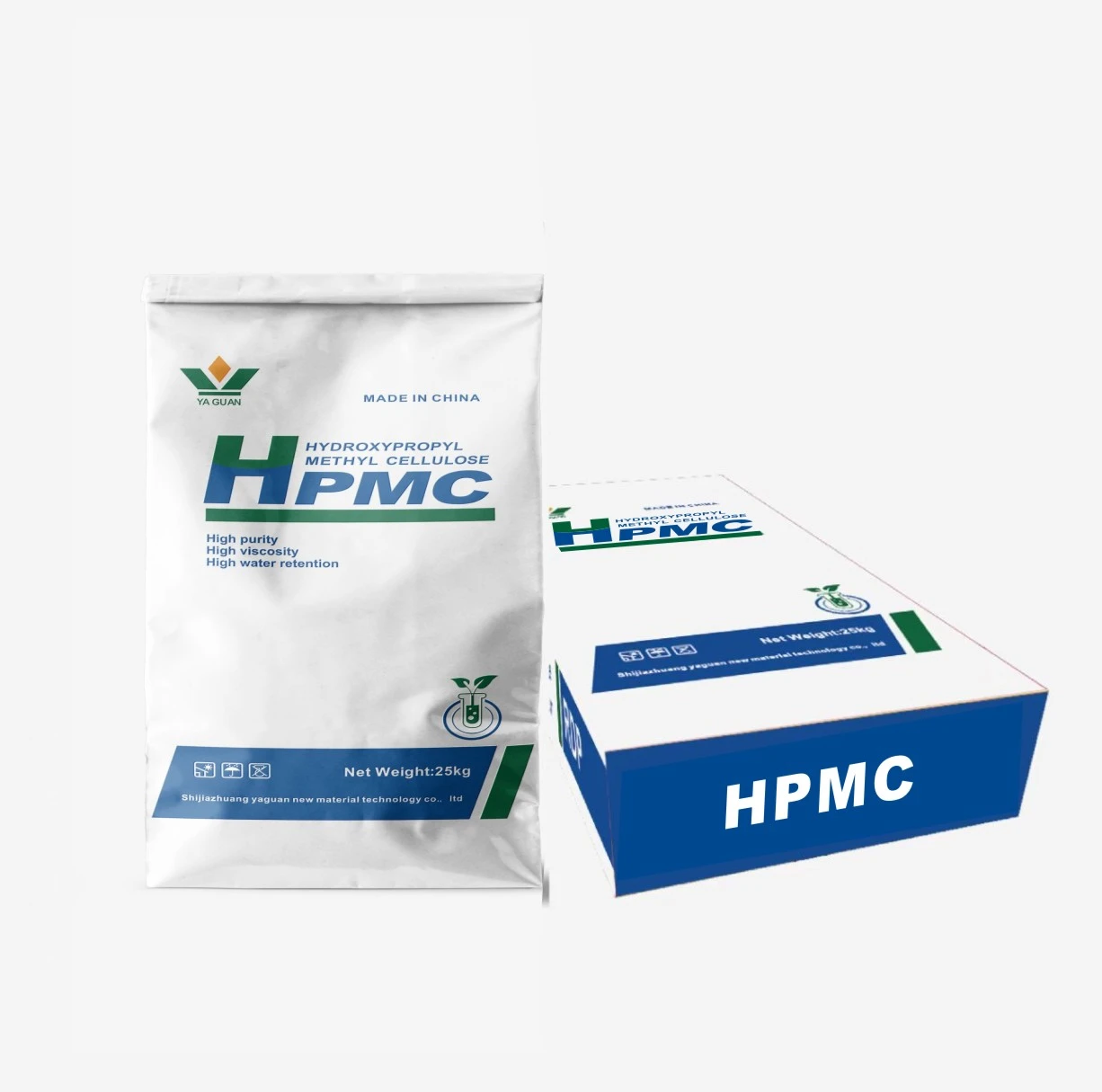
| Yaguan HPMC | High control, pharma & construction | Asia, Europe, Americas | Eco-certified, low emissions focus | Mid-range |
| DOW Chemical | Broad, industrial scale | Global | Strong sustainability programs | Mid to high |
| Ashland | Specialty & food grade | North America, Europe | Focus on renewables | Premium |
FAQ: What Do People Usually Ask About Methyl Cellulose Ether?
Q1: What is the main difference between methyl cellulose ether and other cellulose ethers?
A1: Methyl cellulose ether is unique because of its ability to dissolve in cold water and gel upon heating, unlike some cellulose ethers that behave oppositely. This property makes it ideal for applications requiring temperature-sensitive viscosity control.
Q2: Can methyl cellulose ether be considered environmentally friendly?
A2: Yes, it is generally biodegradable and non-toxic, derived from natural cellulose, making it more eco-friendly compared to synthetic polymers. However, environmental impact also depends on production practices.
Q3: How does it improve cement or mortar mixes?
A3: By increasing water retention and improving workability, methyl cellulose ether allows cement and mortar to set more evenly without drying cracks, enhancing durability and lifespan of construction projects.
Q4: Is it safe for food applications?
A4: Absolutely. Methyl cellulose ether is FDA-approved for certain food uses and helps improve texture and shelf life in baked goods, sauces, and ice creams.
Q5: How easily can I source methyl cellulose ether internationally?
A5: Many global suppliers offer international shipping, though customs regulations vary. Partnering with industry-focused vendors, like methyl cellulose ether specialists, can ease import logistics.
Wrapping Up: The Lasting Value of Methyl Cellulose Ether
In real terms, methyl cellulose ether quietly drives advancements across multiple sectors, supporting better, greener, and safer solutions worldwide. For businesses aiming to stay on the cutting edge of sustainability and product quality, it’s an ingredient worth exploring sooner rather than later.
If you're curious or ready to source your next batch, consider checking out methyl cellulose ether vendors with a proven reputation for quality and environmental responsibility. There’s plenty to gain once you have the right partner.
References:
- ISO Sustainable Construction Materials Report, 2023
- United Nations Environment Programme, Chemical Industry Guide, 2022
- Wikipedia - Methylcellulose