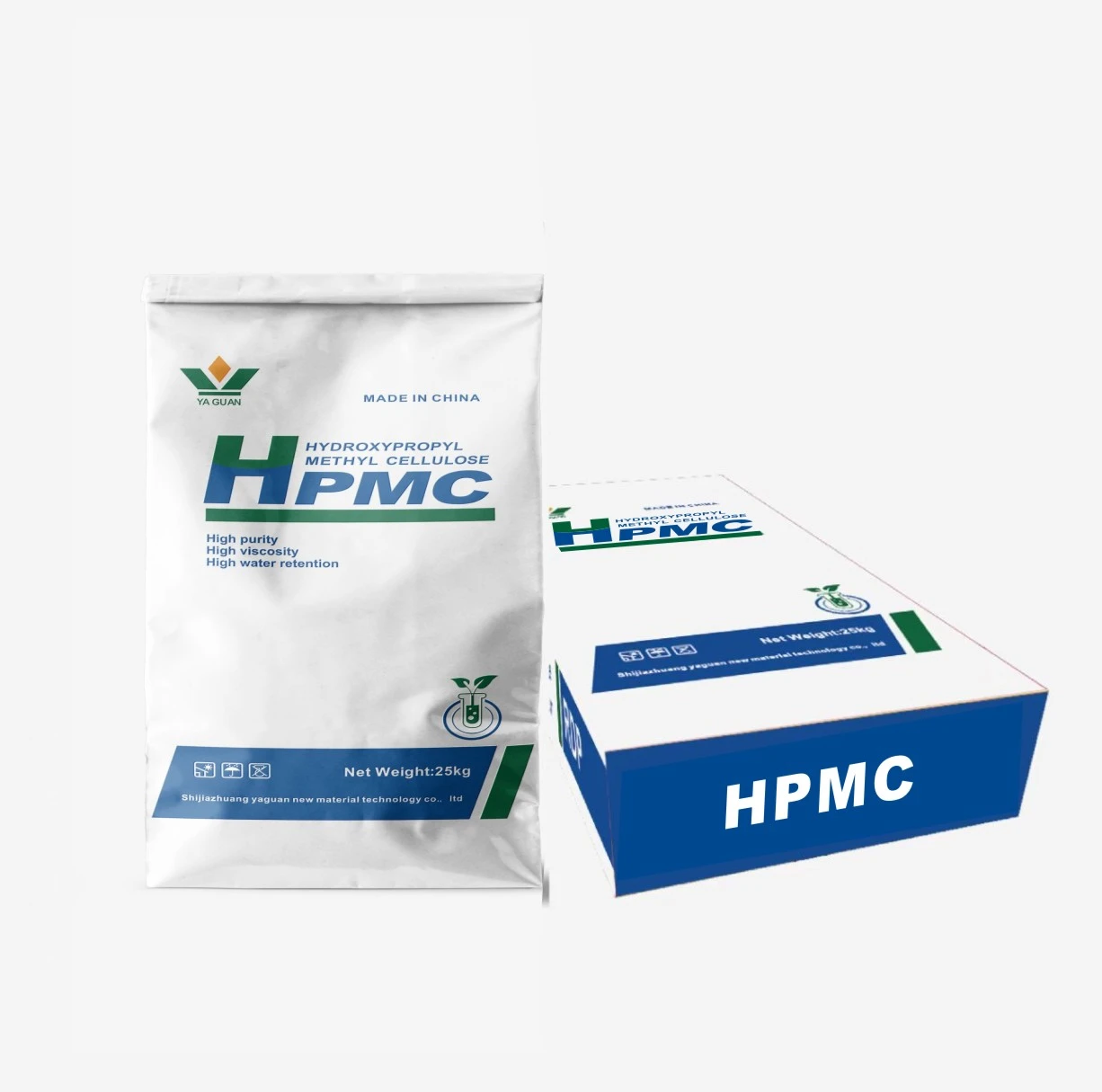

Understanding Hydroxypropyl Methyl Cellulose (HPMC): Why It Matters Today
If you’re anywhere near construction, pharmaceuticals, or even food industries, chances are you’ve bumped into the term hydroxypropyl methyl cellulose (HPMC) before. But why is this polymer so critical globally? In a nutshell, HPMC is a versatile, water-soluble cellulose ether that’s quietly changing how we formulate products, from paints to tablets, and even modern building materials. Why does it matter? Well, global challenges like sustainable infrastructure, accessible medications, and environmentally friendly construction demand innovative raw materials—and HPMC fits right in.
Understanding this compound isn’t just technical jargon; it’s a window into how materials science progresses to meet worldwide needs. HPMC’s adaptability offers cost-effective solutions, improving durability and sustainability across sectors. It’s a story you might not read in the daily headlines but one that impacts everything from your morning medicine to the buildings you walk past.
Why Hydroxypropyl Methyl Cellulose (HPMC) Holds Global Importance
The world’s demand for better, safer, and greener materials is climbing fast. According to the International Standards Organization (ISO), sustainable industrial inputs have become a linchpin in cross-sector innovation. For example, the global construction chemicals market alone, where HPMC is a key player, is expected to surge over 7% annually over the next five years. The United Nations’ Sustainable Development Goals prioritize responsible consumption, urging industries to pivot toward eco-friendly materials—something HPMC inherently supports.
Interestingly, many developing regions face challenges sourcing reliable additives due to cost or supply chain gaps. HPMC helps bridge this by being relatively affordable and multifunctional. It’s not a miracle bullet but rather a clever material that supports critical areas like:
- Enhancing tablet binding and controlled release in pharma, supporting health in low-resource settings.
- Improving workability and water retention in dry-mix mortars, reducing resource waste in construction.
- Creating biodegradable films and coatings that lessen environmental footprints.
In other words, HPMC is quietly helping industries tackle problems ranging from sustainability to accessibility—making it a global material worth understanding.
Hydroxypropyl Methyl Cellulose (HPMC): What Is It Exactly?
Let’s break it down simply. HPMC is a chemically modified cellulose — cellulose being the structural component of plant cell walls. By attaching hydroxypropyl and methyl groups onto cellulose fibers, manufacturers transform it into a powdery polymer that can dissolve in cold water, thickening solutions without needing heat.
This modification gives HPMC its characteristic features: it’s non-ionic (neutral charge), biocompatible, and highly versatile. That’s why it’s perfect for applications in pharmaceuticals as a tablet binder or in construction as a thickener and water retention agent. Oddly enough, what starts as tree pulp eventually becomes a crucial player in medicine and building—linking nature and industry gracefully.
So, next time you swallow a slow-release tablet or admire a smooth plaster wall, you might have HPMC to thank.
Core Characteristics Shaping HPMC’s Utility
1. Water Retention & Rheology Control
One of HPMC’s standout qualities is its ability to hold moisture and control viscosity. In construction, this reduces cracking and improves workability, especially in hot or dry climates. Many engineers swear by its performance when mixing mortars or cement plasters—it stabilizes consistency so the application feels smoother, lasts longer.
2. Thermal Gelation
Curiously, HPMC solutions thickens when warmed, unlike many polymers. This “thermal gelation” property means it sets under heat but remains flexible at room temperature—handy for controlled drug release or paint stability. It’s almost like it “knows” when to firm up, depending on the environment.
3. Biocompatibility & Safety
Since it’s non-toxic and non-irritating, HPMC is widely used in food and medicine. Capsules and tablets often use it as a binder or coating, guaranteeing safer ingestion compared to synthetic alternatives.
4. Eco-Friendly & Renewable
Derived from cellulose, HPMC is sustainable by nature. It biodegrades, making it attractive for industries looking to cut down plastic waste or chemical pollution.
5. Shelf-Stability & Ease of Use
As a dry powder, it stores well without special conditions and dissolves readily, saving manufacturing time and costs. This is a solid bonus for mass production and distribution.
Where Does Hydroxypropyl Methyl Cellulose (HPMC) Shine?
Its global footprint touches many industries:
- Construction: Enhancing cement, tile adhesives, plaster, and gypsum products. It improves workability, reduces water demand, and extends durability, vital in regions with harsh climates.
- Pharmaceuticals: Used as a binder, thickener, and controlled release agent in tablets and capsules worldwide. Companies in India, China, and Europe rely on high-purity HPMC grades.
- Food Industry: Acts as a stabilizer and thickener in baked goods, sauces, and vegan products (notably as a vegan egg substitute).
- Cosmetics & Personal Care: Used in shampoos, creams, and lotions for texture and moisture retention.
- Paints & Coatings: Provides stability, controls viscosity, and improves finish quality.
For example, in post-disaster construction zones in Southeast Asia, quick-setting mortars with HPMC allow faster rebuilding. Similarly, pharmaceutical firms in Europe trust its consistency to create reliable, fast-dissolving tablets for patients worldwide.
Hydroxypropyl Methyl Cellulose (HPMC) Specifications At a Glance
| Specification | Typical Range | Unit |
|---|---|---|
| Methoxy Content | 19–24 | % w/w |
| Hydroxypropyl Content | 4–12 | % w/w |
| Viscosity (2% solution, 20°C) | 5,000–100,000 | mPa·s (cP) |
| pH (2% solution) | 5.0–8.0 | – |
| Moisture Content | ≤5.0 | % w/w |
Comparing Leading HPMC Suppliers
| Supplier | Key Strengths | Typical End-Use | Global Reach |
|---|---|---|---|
| Supplier A | High-purity, pharma-grade HPMC | Pharmaceutical tablets & capsules | Asia, Europe, N.America |
| Supplier B | Economical grades for construction | Dry-mix mortars, adhesives | Global, with distribution hubs |
| Supplier C | Custom formulations & blending | Food additive, vegan products | Europe, N.America |
What Makes HPMC Truly Valuable in the Long Run?
When I think about the advantages of HPMC, a few things stand out: affordability meets sustainability without sacrificing performance. It’s not just a cost-saving ingredient; it reduces resource waste and environmental impact. For manufacturers, reliability means fewer production headaches and consistently high-quality output.
From a social perspective, especially in pharmaceuticals, HPMC lets companies provide safer medications with more predictable absorption—key for patient health and trust. In construction, better water retention means stronger, longer-lasting buildings, contributing deeply to community resilience.
And emotionally, it’s reassuring to know that something derived from plant cellulose is backing products around us—offering a subtle sense of green innovation and trustworthiness.
The Road Ahead: Innovations and Emerging Trends in HPMC
The future of hydroxypropyl methyl cellulose looks exciting. Researchers are exploring nano-engineered grades offering superior binding or moisture control with less product. There’s a rising demand for bio-based polymers, and HPMC fits right in as industry shifts toward green chemistry.
Automation and digital transformation mean manufacturers can customize HPMC grades more precisely for each need, reducing waste and speeding up R&D cycles. Plus, regulatory frameworks worldwide push for safer, non-toxic materials—which again gives HPMC an edge.
In construction, coupling HPMC with novel bio-cement or recycled materials could reshape eco-friendly building. In pharma, combining HPMC with AI-driven formulation design might expand personalized medicine.
So yes, it feels like HPMC’s story is just beginning, riding the wave of sustainability, innovation, and science.
Challenges in Using Hydroxypropyl Methyl Cellulose—and How They’re Tackled
But not everything is perfect. HPMC can be sensitive to variations in water quality, and improper handling may affect product consistency, especially in pharmaceuticals.
Moreover, its thermal gelation can sometimes pose challenges during processing—requiring careful temperature control.
Yet, the industry responds robustly. Advanced testing equipment and robust quality control help manufacturers maintain tight specifications. Plus, blending HPMC with complementary additives or upgrading supplier partnerships ensures better batch uniformity.
Frankly, as materials become more complex, innovative formulation strategies and supplier collaboration remain key to overcoming these hurdles.
FAQ: Frequently Asked Questions About Hydroxypropyl Methyl Cellulose (HPMC)
- 1. What are the primary benefits of using HPMC in construction materials?
- HPMC improves water retention, workability, and adhesion in dry mix mortars and plasters. This results in stronger, longer-lasting surfaces, reduced cracking, and easier application, particularly in warm or arid environments.
- 2. How is HPMC used in pharmaceutical formulations?
- It serves as a binder, film former, and controlled-release agent in tablets and capsules. Because it’s biocompatible and non-toxic, it ensures stable drug delivery and enhances patient safety.
- 3. Can HPMC be considered eco-friendly?
- Yes, since it is cellulose-derived and biodegradable, HPMC is a sustainable alternative compared to many synthetic polymers. It helps reduce plastic waste and can support environmentally conscious product development.
- 4. Is it difficult to source HPMC internationally?
- Not typically. Many global suppliers offer logistics support and quality certifications, making it relatively straightforward for companies worldwide to import HPMC. Working with experienced vendors helps ease regulatory and customs processes.
Wrapping Up: Why Hydroxypropyl Methyl Cellulose Deserves Your Attention
Hydroxypropyl methyl cellulose hpmc might not be flashy, but it’s indispensable to industries aiming for a sustainable and efficient future. Its blend of natural origin, technical flexibility, and proven performance continues to open doors in construction, pharma, food, and beyond.
If you want to dive deeper into products or explore custom solutions tailored to your needs, I suggest visiting hydroxypropyl methyl cellulose hpmc manufacturer sites for detailed specs and insights.
It’s fascinating how something so fundamental—cellulose, after all—can be transformed into a versatile workhorse supporting innovation globally. So the next time you see a plaster wall, or take a tablet, there’s a good chance HPMC helped make it better.