Understanding Polybond PVA: A Vital Material in Modern Industry and Beyond
If you’ve ever wondered what keeps certain industrial adhesives, coatings, or even construction materials bonded together so reliably, you might want to keep an eye on polybond PVA. This term floats around a lot in manufacturing, environmental engineering, and humanitarian supply chains — and for good reason. Simply put, polybond PVA is a polymer adhesive solution that’s changing how industries approach durability, cost-efficiency, and sustainability globally.
In an age where supply chains stretch across continents and sustainable materials are more than buzzwords, knowing what polybond PVA is and where it fits can be surprisingly impactful. Whether you’re involved in infrastructure development, disaster relief, or even packaging, this material's versatility and benefits are worth understanding.
Why Polybond PVA Matters Globally: The Industry Context
Global manufacturing produces trillions of dollars worth of goods yearly and depends heavily on reliable adhesives and bonding agents to hold everything together — literally. The International Organization for Standardization (ISO) places a strong focus on adhesion in quality control because failures can lead to costly downtime or safety risks.
According to recent reports from the UN Conference on Trade and Development, industrial materials that combine durability with eco-friendliness will accelerate development goals. Polybond PVA fits this mold as it is water-based, biodegradable under the right conditions, and can reduce volatile organic compounds (VOCs) – a win-win for environmental and safety standards.
Still, globally, industries face challenges like unreliable materials in harsh climates, expensive synthetic replacements, and slow curing times that hold back progress. Polybond PVA addresses some of these pain points in a practical way — but there’s a lot to unpack.
Breaking It Down: What Exactly Is Polybond PVA?
At heart, polybond PVA is a polyvinyl acetate-based adhesive solution. For the non-chemists among us, that means it’s essentially a type of polymer glue that acts like a strong but flexible binder. It’s used widely in woodworking, paper lamination, textile coatings, and even some construction composites. You might recognize it as a common “white glue” variant but in its industrial form, it’s smarter, tougher, and made to meet precise engineering needs.
This material’s connection to modern industry is profound. Its water-based formula offers safer handling and less environmental impact, which makes it crucial for sectors moving toward greener manufacturing. From humanitarian aid packaging to construction panels, polybond PVA factors into both daily life and critical tasks.
Key Features That Make Polybond PVA Stand Out
Durability & Strength
Polybond PVA offers a balance of strong adhesion with flexibility, so it resists cracking under stress or temperature shifts. Manufacturers often praise its tensile strength and long-term bond stability.
Cost Efficiency
Compared to specialized synthetic adhesives, polybond PVA is generally more affordable, reducing overhead costs while maintaining quality — essential for large-scale applications.
Environmental Friendliness
Since it’s water-based and emits fewer VOCs, polybond PVA aligns well with tightening industrial eco-regulations, mitigating both workplace and environmental hazards.
Versatility
It works with multiple substrates: wood, paper, fabric, and lightweight plastics, which explains its widespread use in packaging, furniture, and textiles.
Ease of Use and Scalability
Its relatively fast curing time and straightforward application processes have made it a favorite in automated production lines, allowing scalability without sacrificing performance.
Mini Takeaway:
In real terms, polybond PVA is a smart material choice that bridges affordability, environmental responsibility, and technical performance, meeting a blend of modern industrial demands.
How Polybond PVA Is Changing Global Applications
From Asia’s booming manufacturing hubs to Europe’s eco-conscious factories, polybond PVA has found a niche. In the woodworking industry of Scandinavia, it’s standard for crafting furniture that withstands cold, dry climates without delamination. In African regions with post-disaster rebuilding programs, its use in constructing modular shelters shows off its quick curing and weather resilience.
Even in remote industrial zones — mining outposts in Australia, for example — polybond PVA’s chemical stability helps protect equipment by bonding insulating layers, reducing corrosion damage. NGOs distributing aid packages increasingly prefer polybond PVA-based coatings on fiberboard containers: they’re lightweight, durable, and safer for communities and the environment.
| Specification | Standard Polybond PVA | Enhanced Polybond PVA |
|---|---|---|
| Viscosity (mPa·s) | 800 - 1200 | 900 - 1300 |
| Solids Content (%) | 50 - 55 | 55 - 60 |
| pH | 4.5 - 5.5 | 4.3 - 5.2 |
| Shelf Life (months) | 6 - 9 | 9 - 12 |
| Temperature Resistance (°C) | -10 to 70 | -15 to 90 |
Mini Takeaway:
Its global role stretches from mundane everyday uses to critical infrastructure projects — proving how versatile polybond PVA really is.
Advantages & Lasting Value of Polybond PVA
- Cost-Effective Performance: Unlike many adhesives that hold a premium price, polybond PVA blends economy and reliability.
- Environmental Harmony: Its waterborne chemistry supports safer workplaces and less environmental footprint.
- Safety & Trust: Using materials with proven low hazard builds confidence among workers and clients alike.
- Innovation Ready: Adaptability to automated systems means it won’t slow modern production lines.
There’s an emotional component too. Knowing the materials that protect your home furniture or the packaging carrying vital supplies are safer and greener everybody loves — it feels good, frankly.
Looking Ahead: Trends and Innovation in Polybond PVA Development
Research teams worldwide are now tinkering with nano-enhancements and bio-based additives that may push polybond PVA’s resistance limits even further while enhancing biodegradability. Digital fabrication platforms are incorporating polybond PVA-compatible resins for 3D printing composites, which is pretty exciting for custom manufacturing.
Policy shifts toward circular economies are also fueling innovations around recycling bonded materials and reducing waste in production, where polybond PVA’s water-based nature offers a big plus. Automation in adhesive application helps with precision and reduces material waste, a trend that looks set to grow.
Common Challenges and Expert Solutions
Despite many benefits, polybond PVA isn’t perfect. Humidity sensitivity during curing and lower heat resistance than some synthetic adhesives can limit its use in extreme environments. However, additive-modified versions with improved thermal profiles, alongside controlled curing environments, have helped mitigate these drawbacks.
Experts suggest training frontline workers on optimal storage and handling, too — sometimes these “small” factors make the biggest difference in final product performance.
| Vendor | Product Line | Special Features | Typical Price Range (USD/kg) | Lead Time |
|---|---|---|---|---|
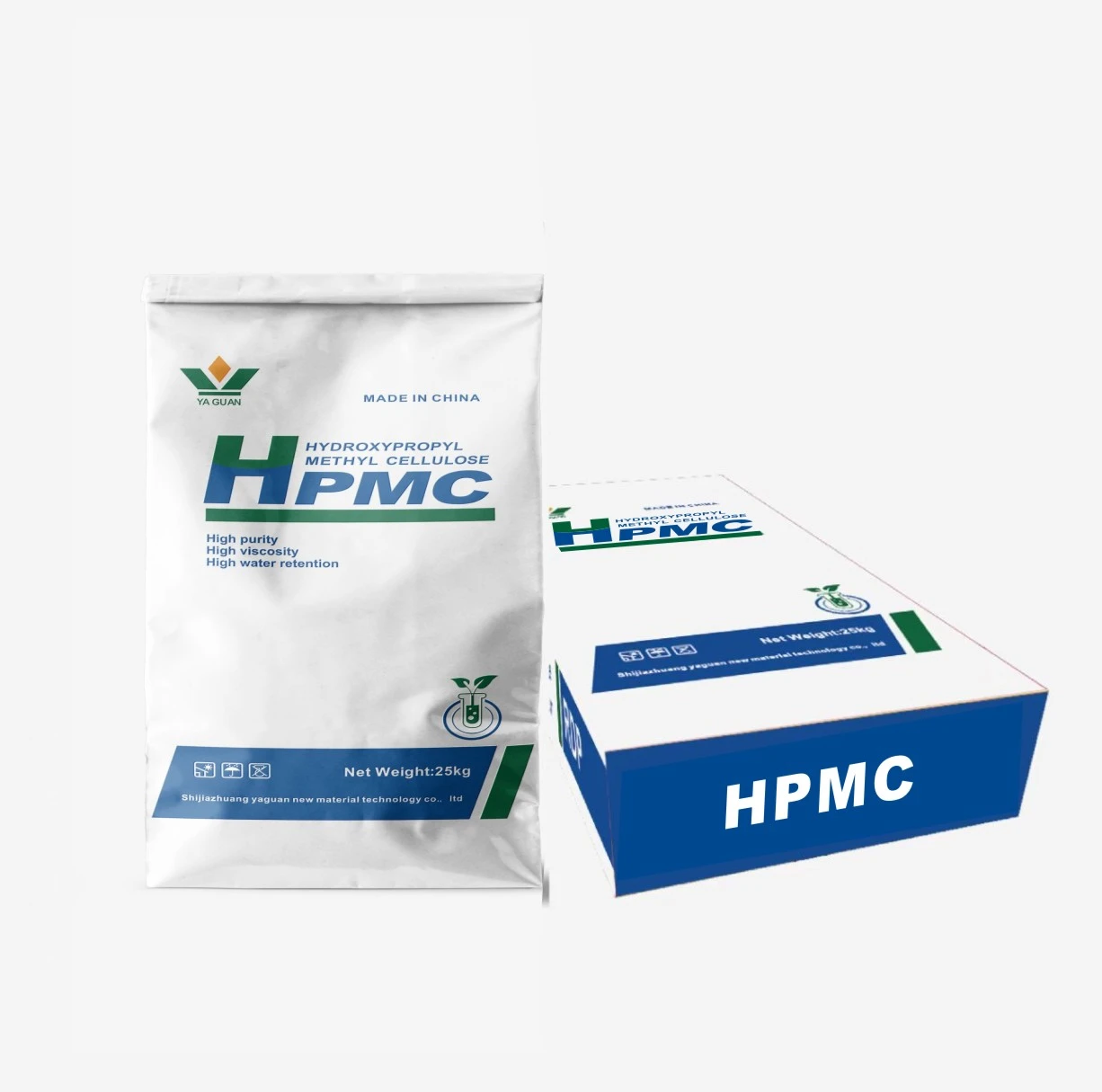
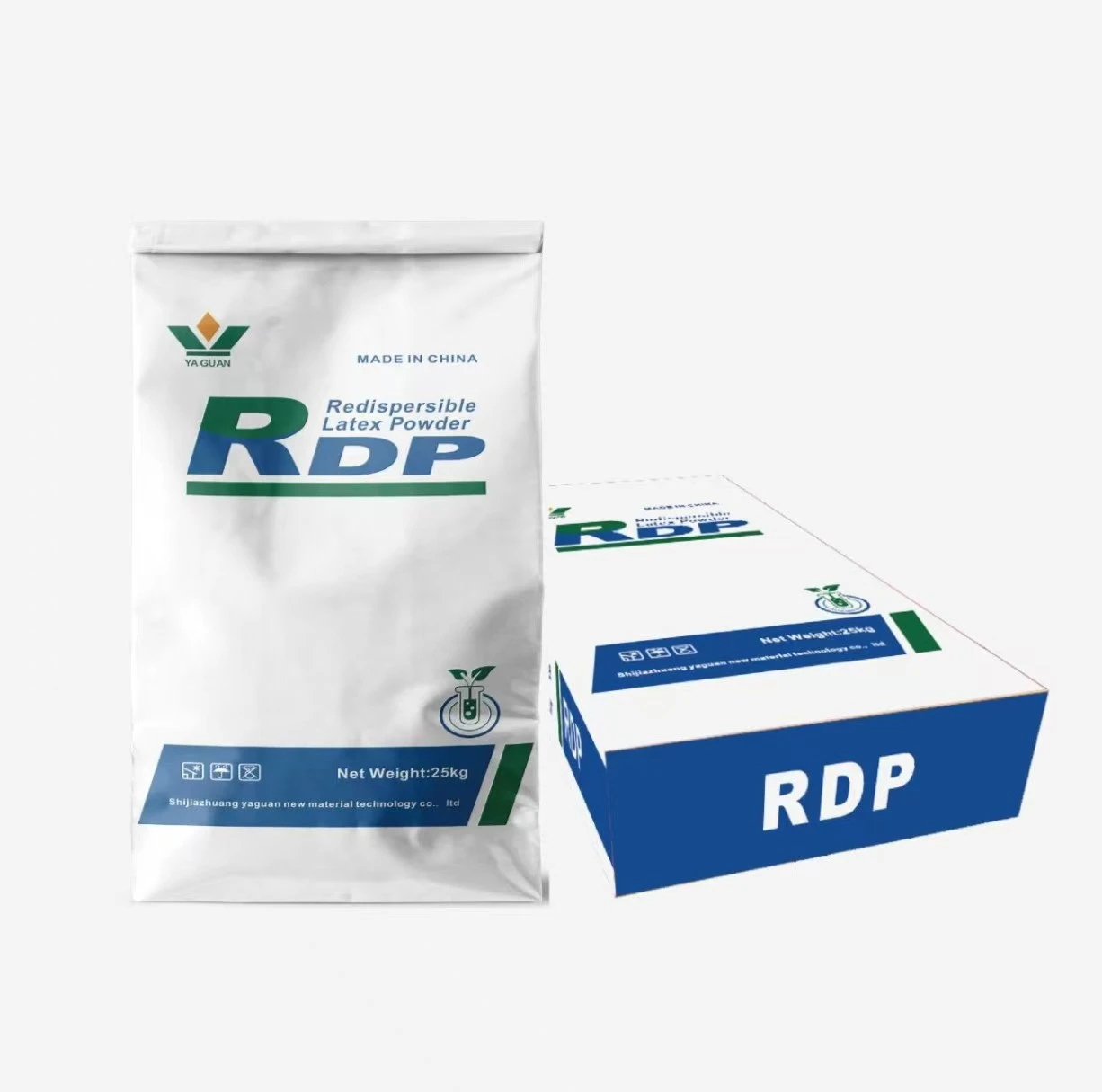
| Yaguan HPMC | EcoPoly PVA Series | Low VOC, high strength, fast curing | 1.8 - 2.5 | 2 weeks |
| Alpha Adhesives | Thermoflex PVA | Enhanced heat and moisture resistance | 2.0 - 2.8 | 3 weeks |
| BioBond Ltd. | GreenLine PVA | Bio-based raw materials, recyclable | 2.2 - 3.0 | 4 weeks |
FAQ: Common Questions About Polybond PVA
Q1: How does polybond PVA compare in environmental impact to synthetic adhesives?
A: Polybond PVA is water-based and generally emits fewer hazardous VOCs, making it a greener alternative to many solvent-based synthetic adhesives. It can help meet stricter environmental regulations and improve workplace safety.
Q2: Can polybond PVA be used in outdoor applications prone to moisture?
A: Standard formulations have some moisture sensitivity, but modified polybond PVA with additives can enhance water resistance, making them suitable for outdoor or humid environments. Always check product specs for suitability.
Q3: What industries benefit most from using polybond PVA?
A: Woodworking, textile coatings, packaging, and some construction sectors rely heavily on polybond PVA for its versatile adhesion, cost efficiency, and environmental benefits.
Q4: Is polybond PVA suitable for automation in high-volume production?
A: Yes, its fast curing time and ease of application make it ideal for automated lines, improving efficiency while maintaining product quality.
Q5: How can companies source high-quality polybond PVA internationally?
A: Partnering with reputable suppliers specialized in industrial adhesives, like Yaguan HPMC, ensures compliance with international standards and reduces logistical issues.
Conclusion: Why Polybond PVA Should Be on Your Radar
Ultimately, polybond PVA represents more than just a glue — it’s a cornerstone in the push toward smarter, greener, and more reliable industrial materials. Whether you’re crafting fine wood furniture, developing durable packaging, or rebuilding communities, this adhesive polymer offers a balance of innovation, sustainability, and cost-effectiveness that most industries need — now and in the future.
If you want to explore tailored polybond PVA products or learn more about how this material could fit your projects, I suggest visiting Yaguan HPMC’s website. Sometimes it pays to pick a partner that blends technical know-how with real-world experience.