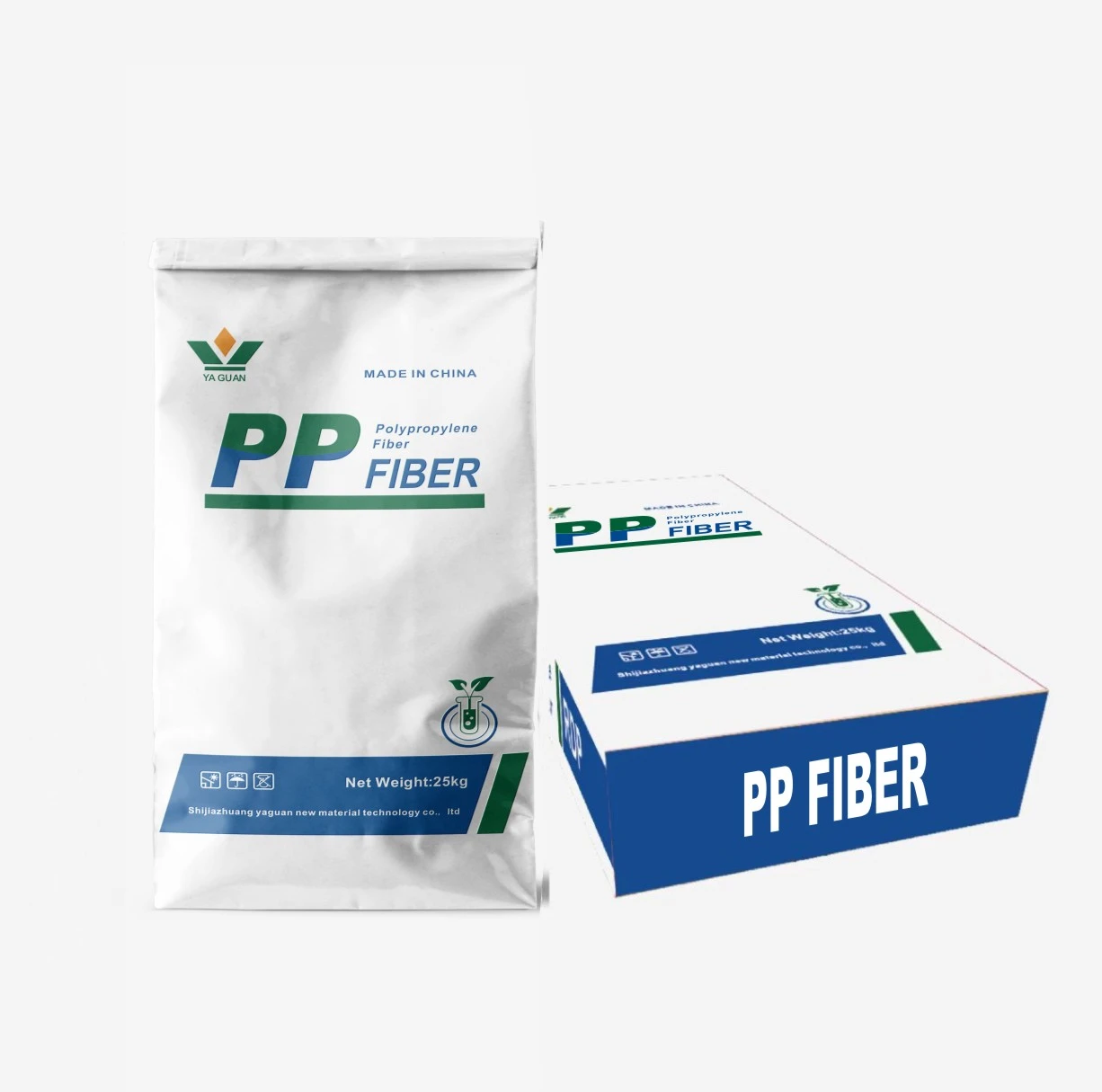

Why Understanding PP Macro Fiber Matters Globally
If you’ve ever walked on a concrete floor, you might not think twice about the hidden heroes inside it — the reinforcements that prevent cracks and wear. Among those, pp macro fiber stands out as an increasingly vital material worldwide. But why does it matter? For starters, these polypropylene fibers enhance the durability and resilience of concrete structures in everything from high-rise buildings to disaster relief shelters. As urbanization and infrastructure pressure grow, so does the need for cost-effective, reliable solutions in construction. Plus, with global initiatives pushing for more sustainable materials, pp macro fiber offers an intriguing mix of performance and environmental benefits.
Globally, billions of tons of concrete are poured annually, yet premature cracking and structural weaknesses often lead to costly repairs or even unsafe conditions. By incorporating pp macro fibers, engineers are extending the life and safety of concrete — which means less waste, fewer emissions from repairs, and safer communities. Quite the triple win, if you ask me.
The Rising Global Importance of PP Macro Fiber
Recent reports from the United Nations and the World Bank highlight that urban populations will swell to nearly 70% by 2050. That means more buildings, roads, and bridges — all demanding resilient materials. Concrete cracking not only causes structural headaches but also accelerates carbon emissions since repairs and rebuilds consume energy and resources. This is where the significance of pp macro fiber really kicks in.
As per ISO standards on concrete durability, traditional reinforcement methods sometimes fall short in handling shrinkage and impact stresses. Uneven drying, temperature shifts, and mechanical loads can cause micro-cracks, eventually morphing into bigger problems. Adding macro fibers helps mitigate these stresses by distributing forces more evenly within the concrete mass.
Oddly enough, while we’ve relied on steel rebar for decades, fiber technology like polypropylene offers lightweight, corrosion-resistant alternatives that don’t demand heavy, costly installations. Especially in developing economies or disaster-stricken areas, this simplicity and speed can be a game-changer.
What Exactly Is PP Macro Fiber?
Put simply, pp macro fibers are synthetic, chopped strands of polypropylene — a type of plastic — designed specifically to be mixed into concrete before it sets. Unlike microfibers (which are thinner and designed for controlling plastic shrinkage cracks), macro fibers are thicker and provide structural reinforcement that helps concrete resist cracks caused by mechanical stress or temperature changes.
Think of it like tiny steel cables woven invisibly inside the concrete, except they’re inert, flexible, and won’t rust. They bond with the concrete matrix and transform brittle slabs into more ductile, impact-resistant surfaces. This innovation matches the needs of modern construction, where faster builds and longer lifespans are in demand — from large-footprint industrial floors to post-disaster shelters that have to hold up under tough conditions.
Key Properties That Make PP Macro Fiber Indispensable
Durability and Chemical Resistance
Polypropylene fibers don’t corrode like steel. In aggressive environments — think coastal areas or chemical plants — this resistance eliminates a big failure mode of traditional reinforcement. It’s why so many engineers specify them for infrastructure exposed to harsh conditions.
Easy Integration and Scalability
One remarkable fact is how easily these fibers mix into standard concrete batches without requiring special equipment. This ease allows for scalable solutions, from small home projects to massive industrial slabs. The fibers also reduce the need for expensive post-installation reinforcement.
Cost Efficiency
By preventing cracks early on, pp macro fibers cut maintenance and repair costs over a structure’s lifetime. While the initial material price may be slightly higher than plain concrete, contractors often find long-term savings worth the investment—especially in climates where freeze-thaw cycles cause frequent cracks.
Improved Impact and Fatigue Resistance
Many industrial floors face repetitive loading from heavy machinery. PP macro fibers add the flexibility required to absorb impact energy, reducing micro-damage accumulation.
Sustainability and Reduced Carbon Footprint
Since pp macro fiber extends a concrete’s lifespan, it indirectly reduces the carbon footprint tied to frequent replacements. Plus, polypropylene can be recyclable in some contexts — an increasingly important factor as the construction industry embraces greener practices.
Practical Applications Around the World
- Disaster Relief and Emergency Shelters: In earthquake-prone or flood-affected zones, shelters made of fiber-reinforced concrete can be assembled quickly, offer more safety, and last longer under adverse conditions.
- Industrial Flooring: Heavy machinery demands tough, crack-resistant surfaces; fiber-reinforced concrete is a popular choice in factories worldwide.
- Marine and Coastal Infrastructure: Saltwater corrodes steel rebar quickly. PP macro fiber concrete performs reliably in piers, docks, and seawalls.
- Mass Housing Developments: Fast construction timelines demand concrete with integrated reinforcement, reducing labor and time.
- Remote Construction Sites: Where skilled labor or rebar logistics are limited, using pre-mixed fibers simplifies construction.
Typical Product Specifications at a Glance
| Specification | Typical Value | Notes |
|---|---|---|
| Fiber Length | 19 mm to 60 mm | Longer fibers for structural reinforcement |
| Diameter | 0.8 mm to 1.2 mm | Thicker than microfibers for added toughness |
| Tensile Strength | 350 to 650 MPa | High strength impact resistance |
| Dosage Rate | 0.9 to 1.2 kg/m³ of concrete | Varies depending on application |
| Melting Point | 160 to 170 °C | Safe under typical concrete curing temperatures |
Comparing Leading PP Macro Fiber Vendors
| Feature | Vendor A | Vendor B | Vendor C |
|---|---|---|---|
| Fiber Length Range | 19-50 mm | 25-60 mm | 18-40 mm |
| Tensile Strength | 380 MPa | 550 MPa | 420 MPa |
| Pricing per kg | $5.80 | $6.30 | $5.50 |
| Availability | Global | Limited in Asia | Regional - Europe/US |
| Sustainability Certifications | ISO 14001 | None | ISO 14001, LEED Credit |
Advantages & Long-Term Value of Using PP Macro Fibers
Honestly, one of the biggest draws I’ve heard about pp macro fiber is its balance of pragmatic value and environmental consideration. By reducing crack formation, structures maintain integrity longer — that means fewer repairs, less concrete waste (which is a massive source of CO₂ emissions), and greater safety for users. From an emotional lens, building with these fibers feels like investing in peace of mind — for families in earthquake zones, for factories bustling 24/7, or for communities relying on reliable infrastructure.
Cost-wise, the upfront bump is offset by lower maintenance down the line. You avoid costly downtime from repairs and extend service life significantly. Socially, it supports trust in infrastructure, contributes to sustainability goals, and aligns with rising regulations on building resilience. In short, it’s not just a material—it’s a long-term strategy for smart construction.
What’s Next? Innovations and Market Trends
The magic of pp macro fiber doesn't stop here. Recent advances show promising steps toward integrating fibers with bio-based plastics for even greener concrete composites. Automated mixing and placement technologies combined with digital concrete monitoring promise to optimize fiber dosing, ensuring every batch performs exactly as needed.
Meanwhile, governments worldwide are adopting stricter building codes emphasizing durability and sustainability — a nudge that encourages adoption of fiber-reinforced concretes. Oddly enough, as infrastructure becomes smarter and more connected, embedding fiber composites with sensors could enable real-time health monitoring of structures.
Challenges and How Industry Experts Are Overcoming Them
Like any technology, pp macro fiber has its hurdles. One persistent issue is uniform distribution within large concrete pours—clumping can reduce performance. Progressive mixers and dosing machines now help manage this better. Additionally, the fibers can sometimes slightly reduce concrete’s workability, but admixtures and mix adjustments typically fix that.
Another challenge is educating clients and specifying engineers — many still default to traditional steel reinforcement out of habit. However, with clear case studies and demonstrated ROI, fiber reinforcement is gaining ground. You can find growing resources and technical guidelines online (hello, ISO 13270).
FAQ: Your PP Macro Fiber Questions Answered
- Why choose pp macro fiber over steel rebar in certain projects?
- PP macro fiber offers corrosion resistance, ease of mixing, and faster application, especially in thin slabs or where weight reduction is critical. It complements or sometimes replaces rebar depending on structural needs.
- How long does pp macro fiber reinforced concrete last?
- With proper mix design and curing, lifespan often exceeds 50 years — equal or better than traditional reinforced concrete, thanks to less crack propagation and corrosion.
- Is using these fibers cost-effective for small-scale builders?
- Yes, although fibers add initial material cost, savings in reduced labor, maintenance, and faster construction make them worthwhile even for smaller projects.
- How can international NGOs source pp macro fibers for rebuilding after disasters?
- Many suppliers have global distribution channels, and international trade agreements facilitate importation; NGOs should partner with local distributors or manufacturers like those available at pp macro fiber providers.
- Do these fibers affect the finish or appearance of concrete?
- Generally, no noticeable difference when properly mixed and finished; some specialized fibers can even improve surface wear resistance.
Wrapping It All Up
To sum it up, pp macro fiber may seem like a niche additive, but it’s quietly revolutionizing how the world builds durable, cost-effective, and sustainable concrete structures. From industrial floors to emergency shelters, the ability to reduce cracking and extend lifespan impacts economies and lives daily. The market is evolving with greener materials, smarter construction methods, and expanded global availability poised to push fibers into the mainstream.
If you’re exploring or specifying construction materials, I’d say pp macro fiber deserves a serious look. The long-term benefits pay dividends you might not immediately see—sort of like an investment in trust and resilience.
Interested? Visit https://www.yaguanhpmc.com to learn more and discover the world of innovative fiber-reinforced concrete solutions.
1. United Nations, World Urbanization Prospects, 2018 Edition
2. ISO 13270:2017 - Fibres for Concrete - Definitions, specifications and conformity
3. World Bank Infrastructure Report, 2020