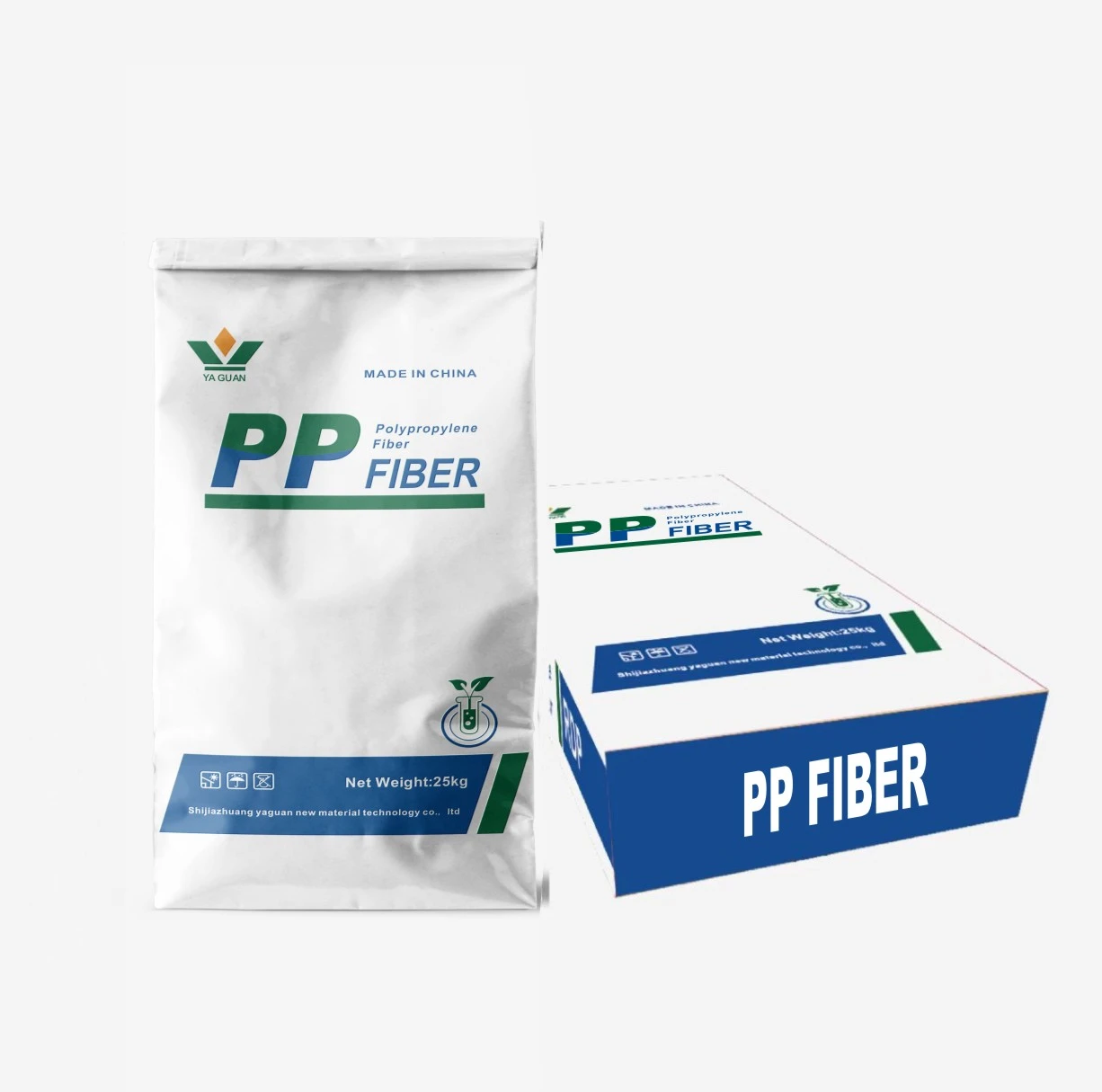

Understanding PP Glass Fiber: A Backbone of Modern Industry
When you hear pp glass fiber, you might first think of some obscure technical jargon. But truthfully, it’s one of those unsung heroes powering everything from automotive parts to sustainable construction. Today, understanding what this material is and why it matters can open doors—not just for industry pros but also for anyone curious about how the modern world holds itself together.
Globally, advanced composites including polypropylene (PP) reinforced with glass fiber are becoming crucial. The demand for lightweight, durable, and cost-effective materials is soaring, especially in sectors like automotive, aerospace, and civil engineering. This article unpacks the nuts and bolts of pp glass fiber, highlighting why it commands attention and how it’s reshaping industries worldwide.
The Global Context: Why PP Glass Fiber Resonates Worldwide
International organizations like the International Organization for Standardization (ISO) emphasize composite materials in their evolving standards. According to a 2023 World Bank report, demand for lightweight composite materials in manufacturing is expected to grow at nearly 5% annually through 2030. This is closely tied to global efforts to lower emissions, improve fuel efficiency, and reduce raw material consumption.
However, industries face challenges: traditional metals are heavy, corrosion-prone, and costly to process, which limits design flexibility and sustainability efforts. Here’s where pp glass fiber steps in, offering a composite that’s lighter and more adaptable without compromising strength. It’s a practical solution—albeit not a perfect one—to some serious global engineering challenges.
What Exactly Is PP Glass Fiber?
Simply put, pp glass fiber refers to a composite material where polypropylene, a common thermoplastic polymer, is reinforced with fine strands of glass fiber. This combination fuses polypropylene’s chemical resistance and moldability with glass fiber’s strength and stiffness. The result is a material that’s lightweight but surprisingly durable.
This composite is widely used where high strength-to-weight ratios are required. Automakers, for instance, employ it for bumpers and interior parts; in construction, it’s used for panels and insulation systems; manufacturers use it for consumer goods and durable goods that need both resilience and affordability.
Core Properties of PP Glass Fiber You Should Know
Durability
Glass fiber reinforcement significantly enhances the mechanical strength of polypropylene, making it resistant to impacts and fatigue. For products exposed to weather or physical stress, this means longer-lasting performance without brittleness.
Lightweight
Compared to metals like steel or aluminum, pp glass fiber composites weigh roughly 30–50% less, which translates into energy savings during transportation and less structural load in assemblies.
Cost Efficiency
While more expensive than pure polypropylene, this composite still undercuts metal components in cost. Manufacturing methods such as injection molding speed up production and reduce waste, making it ideal for high-volume applications.
Chemical & Thermal Resistance
PP inherently resists many chemicals and is tolerant to moisture, while glass fiber adds thermal stability. This blend fares well under varied temperatures and corrosive environments.
Design Versatility
One of the perks is the ease of molding complex shapes, allowing engineers to innovate beyond traditional constraints.
Mini Takeaway:
Understanding these basic properties helps explain why so many sectors are pivoting towards pp glass fiber composites as a smarter alternative to metals or pure plastics.
Real-World Applications: From Automobiles to Infrastructure
In the automotive sphere, manufacturers like Volkswagen and Toyota adopt pp glass fiber composites for components that reduce vehicle weight to enhance fuel efficiency without sacrificing safety.
Construction firms in Europe and Asia use these composites for lightweight wall panels, roofing, and insulation that withstand harsh weather and reduce building energy consumption. Oddly enough, aid organizations have even started experimenting with pp glass fiber materials to produce modular shelters that can be swiftly deployed post-disaster—combining durability with portability.
Industrial equipment manufacturers rely on this material for housings and shields that must resist chemical corrosion and endure tough environments, often in places ranging from Middle Eastern oil fields to North American factories.
| Property | Typical Value | Unit |
|---|---|---|
| Glass Fiber Content | 20 - 40 | % by weight |
| Tensile Strength | 280 - 400 | MPa |
| Density | 1.1 - 1.3 | g/cm³ |
| Heat Deflection Temperature | 90 - 110 | °C |
| Impact Resistance (Notched Izod) | 30 - 50 | J/m |
Advantages & Long-Term Value of PP Glass Fiber Composites
- Cost Savings: Reduces overall manufacturing and transport costs due to lower weight and energy use.
- Sustainability: Lower fuel consumption in vehicles and longer product lifespan reduce environmental impact.
- Social Impact: Durable materials mean safer cars, safer buildings, and innovation in disaster relief.
- Reliability: Less corrosion and wear translate into trust and reduced maintenance.
Frankly, many engineers say the emotional piece is surprisingly critical—users feel confident when products “just work” without catastrophic failures, especially in safety-critical contexts like transportation or emergency shelters.
Future Trends: Innovations on the Horizon
Looking ahead, the integration of recycled glass fibers and bio-based polypropylene variants are creating composites that are not only tough but greener. There’s also growing interest in smart composites that incorporate sensors to monitor strain or damage in real time, aiding preventive maintenance.
Automation in manufacturing allows for quicker, more precise molding of complex parts, reducing waste and cost. Regulations aimed at reducing carbon footprints push sectors to adopt higher-performance, lightweight composites like pp glass fiber—and honestly, it feels like this is just the start of a broader transformation.
Challenges & Solutions
Though promising, pp glass fiber composites struggle with some limitations: fiber-matrix interface issues can affect mechanical properties, and recycling post-use isn’t straightforward. Also, achieving consistent fiber dispersion during manufacturing can be tricky.
Innovative coupling agents and compatibilizers improve bonding between polypropylene and glass fiber, enhancing strength. Research into chemical recycling methods and thermoplastic composite remelting is underway to address waste concerns.
In real terms, these breakthroughs will matter a lot for industries wanting to balance performance, cost, and environmental impact.
Vendor Comparison: What to Look for When Choosing Your PP Glass Fiber Supplier
| Vendor | Fiber Content Range (%) | Typical Applications | Lead Time | Sustainability Initiatives |
|---|---|---|---|---|
| FiberTech Innovations | 15 – 40 | Automotive, Construction | 4–6 weeks | Recycled fiber programs |
| GlassPro Composites | 20 – 45 | Consumer Goods, Industrial | 2–4 weeks | Energy-efficient production |
| EcoFibers Ltd. | 10 – 35 | Packaging, Automotive | 6–8 weeks | Bio-based polypropylene options |
FAQs: Quick Answers About PP Glass Fiber
Q1: How does PP glass fiber improve automotive parts?
A1: By reinforcing polypropylene with glass fibers, parts gain higher strength and stiffness while staying lightweight, which improves fuel efficiency and safety without adding cost.
Q2: Can PP glass fiber composites be recycled?
A2: Recycling is challenging due to fiber-matrix bonding, but advances in chemical recycling and remelting techniques offer promising solutions for the future.
Q3: Are PP glass fiber materials suitable for outdoor construction?
A3: Yes, their chemical resistance and durability make them an excellent choice for exterior panels and insulation that resist weather-induced degradation.
Q4: What industries are adopting PP glass fiber fastest?
A4: Automotive and consumer goods sectors are leading, followed closely by construction and industrial equipment manufacturing, driven by sustainability and performance needs.
Q5: Where can I source high-quality PP glass fiber composites?
A5: Reputable suppliers like FiberTech Innovations and GlassPro Composites offer a range of specifications and sustainable options tailored to different needs.
Final Thoughts: Why PP Glass Fiber Is More Than Just a Composite
In essence, pp glass fiber is a quietly powerful material, mixing innovation and practicality. It’s helping industries cut costs, reduce emissions, and build smarter. Whether you're an engineer, product designer, or sustainability strategist, embracing this composite means stepping into a future where function meets responsibility.
Curious to explore more? Visit our partner site for in-depth solutions and supplies at pp glass fiber.