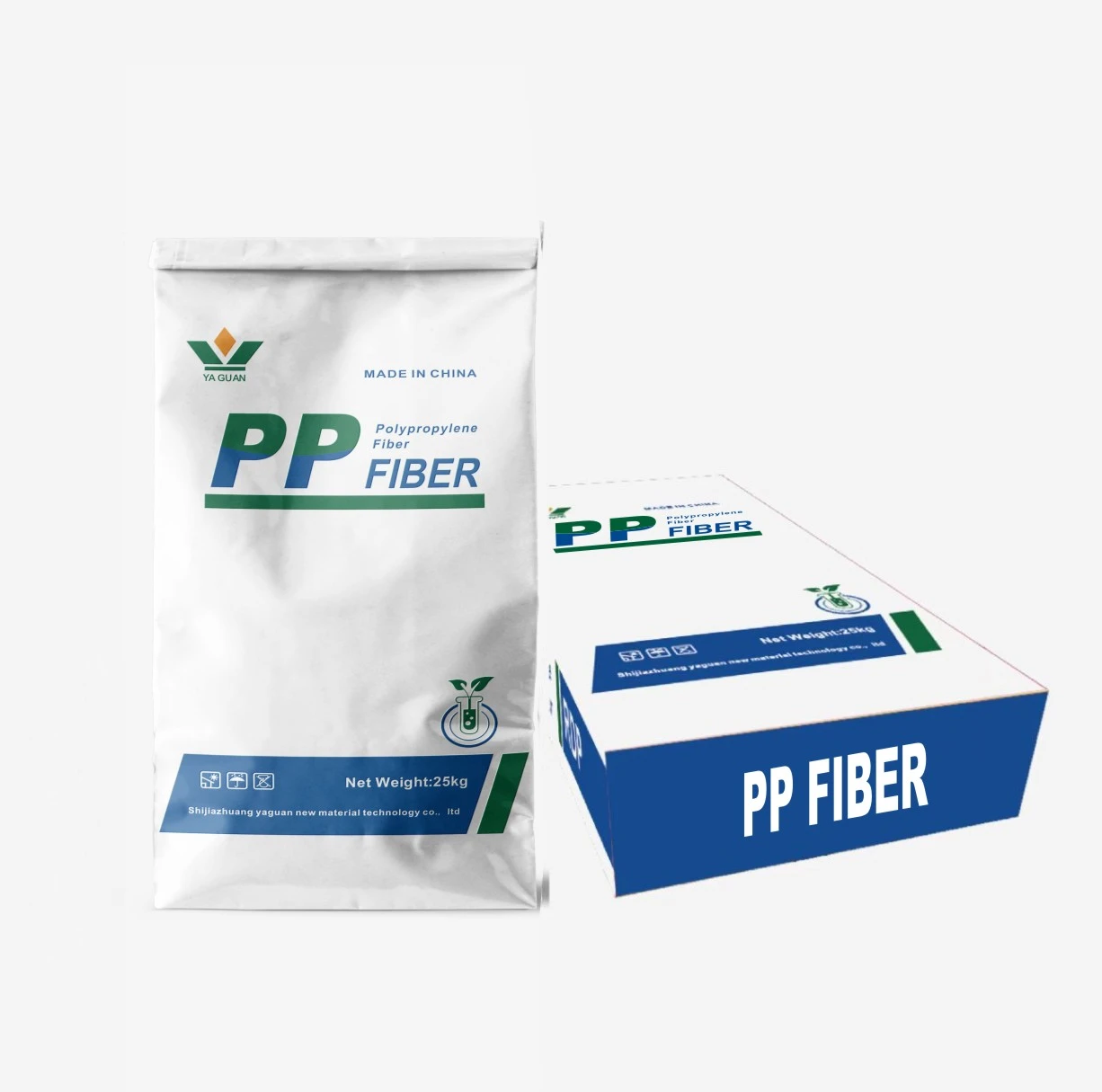

What Is PP Concrete and Why It Matters Globally
If you've ever passed a construction site or looked at modern infrastructure, chances are you've encountered pp concrete, a fascinating material that’s quietly shaping the future of building worldwide. But what exactly is pp concrete, and why should we care beyond the confines of engineering labs? For starters, it promises improved durability, sustainability, and scalability — vital assets as we tackle urban expansion, climate change, and the urgent need for resilient structures in disaster-prone regions. In a nutshell: understanding pp concrete is about grasping a key piece of tomorrow's global infrastructure puzzle.
Setting the Scene: Why pp Concrete Has Global Relevance
Let’s face it, the world is building faster than ever. According to the World Bank, nearly 1.5 billion people currently live in inadequate housing, and that number is swelling. Concrete remains the backbone of construction — responsible for roughly 8% of global CO2 emissions according to the International Energy Agency (IEA). Enter pp concrete: a material innovation designed to reduce environmental impact while enhancing performance.
Many governments and NGOs look to adopt pp concrete for its unique ability to address issues like infrastructure durability in developing nations, and rapid housing deployment after natural disasters. Frankly, it's one of those advances that feels quietly revolutionary — a bit like discovering a new tool in your workshop you didn't realize you'd been missing.
What Exactly Is PP Concrete?
In straightforward terms, pp concrete refers to concrete reinforced with polypropylene (PP) fibers. These synthetic fibers are added during mixing to improve the material’s structural properties — including crack resistance, toughness, and impact absorption.
The idea goes beyond just strengthening: it’s about creating concrete that performs better under stress, lasts longer, and resists damage from harsh environments. This has huge implications for everything from highways and bridges to modular housing and industrial plants. In humanitarian and industrial zones, pp concrete is increasingly the go-to choice because it balances durability with cost-efficiency.
Core Components and What Makes PP Concrete Special
1. Durability
Polypropylene fibers create micro-reinforcements that minimize cracking. Simply put, the fibers help prevent the little fractures that develop over time and can lead to catastrophic failure. Think of it as giving concrete a subtle but effective immunity boost.
2. Cost Efficiency
While fiber additives add to the initial cost, they reduce long-term repair expenses. Many engineers say the lifecycle savings more than justify the investment — especially in infrastructure that demands minimal maintenance.
3. Lightweight Characteristics
Adding PP fibers doesn't significantly increase the concrete's weight, keeping it manageable for different construction methods, including precast panels and modular housing units.
4. Resistance to Chemical and Environmental Damage
PP fibers are chemically inert, improving concrete’s resistance to aggressive agents like chlorides and sulfates common in coastal or industrial regions.
5. Scalability and Versatility
From tiny housing panels to massive industrial floors, pp concrete scales well across applications, keeping quality consistent.
Real-World Applications of PP Concrete
The beauty of pp concrete is its widespread use. In Southeast Asia, where monsoons batter infrastructure yearly, pp concrete roads and water-retaining structures have shown much-improved lifespan and reduced maintenance cycles. Meanwhile, NGOs working in post-disaster relief — like the Red Cross — use pp concrete modular panels for quick-deploy, robust emergency shelters that offer displaced families safety and dignity.
Industrial zones in remote locations favor it for flooring systems resistant to heavy machinery vibrations and thermal shock. Even airports are hybridizing their runways with pp concrete mixes to better cope with dynamic stresses unrelated to standard asphalt.
Advantages and Long-Term Value
- Lower Maintenance Costs: Fewer cracks mean structures last longer without expensive fixes.
- Sustainability: Reduced need for frequent repairs lowers resource use and environmental footprint.
- Social Impact: Safer, more durable housing improves quality of life, especially in challenging environments.
- Emotional Assurance: Knowing buildings can handle adversity builds community trust and confidence.
Adopting pp concrete is not just a practical choice but also an ethical one. In real terms, it's about creating lasting, reliable spaces for future generations.
What’s Next? Future Trends in PP Concrete
Looking ahead, research on pp concrete is increasingly focused on embedding smart sensors within fiber-reinforced mixes for real-time structural health monitoring. This digital transformation could mean bridges and buildings that literally tell maintenance crews when and where to focus attention.
Additionally, “green PP fibers” sourced from recycled plastics are seeing development, enhancing sustainability. Combinations with bio-based binders and carbon capture technologies are on the horizon too, pointing toward a future where pp concrete is not just durable but also carbon negative.
Common Challenges and Innovative Solutions
One challenge with pp concrete is achieving perfect fiber dispersion to avoid clumping, which can weaken structural qualities. Advanced mixing techniques and patented fiber blends are helping, but the cost of quality PP fibers remains a barrier for some projects.
Also, while pp fibers improve toughness, they don’t replace steel reinforcement altogether — so combining them smartly is key. Engineers often run layered simulations and stress tests to optimize mixtures, balancing cost and performance.
Quick FAQ: Your Questions on PP Concrete
Q1: How does pp concrete improve crack resistance compared to traditional mixes?
A: Polypropylene fibers distribute throughout the concrete matrix, bridging microcracks as they form and preventing them from spreading, leading to enhanced toughness and less structural failure over time.
Q2: Is pp concrete suitable for rapid-housing programs in disaster zones?
A: Absolutely. Its fast-setting properties and resistance to environmental stresses make it ideal for modular panels in emergency shelters, supporting quick yet durable reconstruction efforts.
Q3: How eco-friendly is pp concrete compared to standard concrete?
A: While still reliant on cement, pp concrete's durability drastically reduces the frequency of repairs and rebuilds, translating into lower overall carbon emissions during a structure's lifespan.
Q4: Can pp concrete be customized for different climates?
A: Yes, engineers can adjust fiber content and mix ratios to optimize performance for cold, hot, humid, or chemically aggressive environments — making it versatile globally.
Product Specification Table: Typical Properties of PP Concrete Mix
| Property | Specification | Units |
|---|---|---|
| Compressive Strength | 40 – 50 | MPa |
| Fiber Content | 0.9 – 1.1 | kg/m³ |
| Tensile Strength Improvement | 15 – 25% | % |
| Flexural Toughness | Increased by 20% | N/A |
| Thermal Resistance | Up to 120 | °C |
Vendor Comparison Table for PP Concrete Suppliers
| Supplier | Fiber Quality | Price Range (USD/ton) | Customization Options | Delivery Time |
|---|---|---|---|---|
| Yaguan HPMC | Premium, uniform fibers | 950 - 1100 | Yes, mix design & fiber blends | 2-3 weeks |
| FibraTech Solutions | Standard industrial grade | 850 - 1000 | Limited | 3-4 weeks |
| Global Fibre Corp | High durability fibers | 1000 - 1150 | Custom formulations | 2-3 weeks |
Wrapping It Up: Why PP Concrete Deserves a Spot at Your Next Project
Ultimately, investing in pp concrete means betting on resilience, long-term savings, and sustainability. Whether you're an NGO deploying housing in crisis zones or a construction firm pushing the envelope on infrastructure innovation, pp concrete offers a compelling toolkit that blends science and practicality.
Of course, the world of materials is always evolving. Staying curious and open-minded is key. If you want to dive deeper into what pp concrete can do for your project — or simply want to explore the latest in fiber-reinforced concrete tech — don’t hesitate to visit us. Sometimes, that one material change can make all the difference.