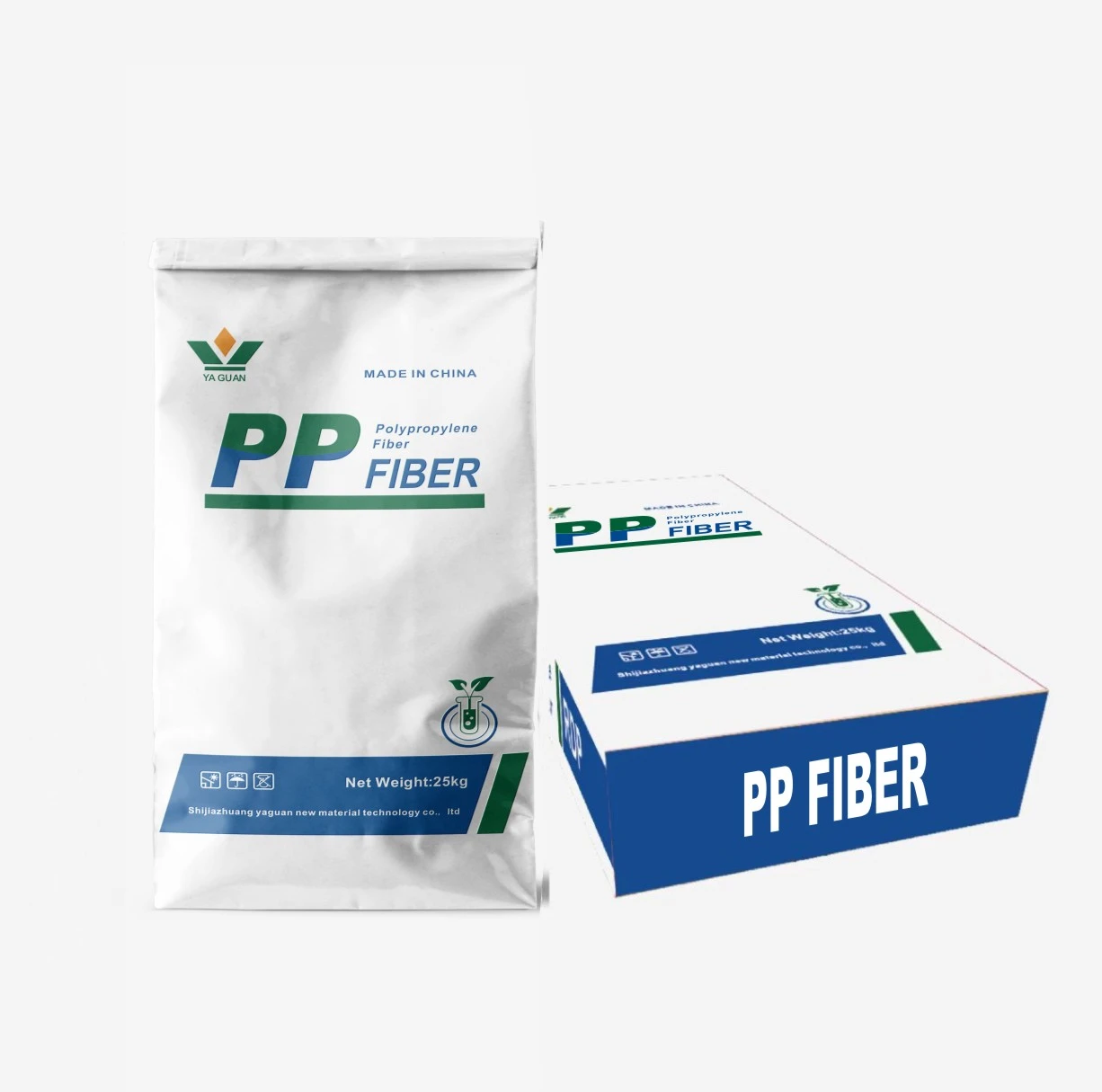

Understanding PP Carbon Fiber: A Game Changer in Lightweight Industrial Materials
If you've ever wondered how industries are pushing the limits on weight reduction without sacrificing strength, then pp carbon fiber might be on your radar. This composite material blends polypropylene's versatility with carbon fiber's strength—resulting in components that are not only lighter but surprisingly durable. In a world that's racing toward sustainability, faster production, and high-performance applications, grasping this material's potential is becoming essential.
The Global Relevance of PP Carbon Fiber: Why It Matters Now
Globally, the demand for lightweight, high-strength materials has skyrocketed in sectors like automotive, aerospace, and construction. According to the International Organization for Standardization (ISO), lightweight composites account for over 30% of automotive material use by volume in 2023, aiming to reduce emissions and improve fuel efficiency. Yet, challenges remain — traditional carbon fiber composites are often pricey and complicated to recycle.
This is where pp carbon fiber steps in. By combining polypropylene—which is cheaper, more recyclable, and lighter—with carbon fiber, manufacturers are addressing a pressing industrial challenge: How can we build strong, sustainable, and cost-effective materials at scale?
What Exactly is PP Carbon Fiber?
Simply put, pp carbon fiber is a composite material made primarily by reinforcing polypropylene (PP) with carbon fibers. Polypropylene is a common thermoplastic, known for its affordability and chemical resistance. When combined with carbon fibers, the resulting material harnesses the best of both worlds: the flexibility and ease of processing from PP and the exceptional tensile strength and rigidity from carbon fibers.
Think of it as the industrious marriage between a practical plastic and a high-performance reinforcing agent — a combo that's getting serious attention for everything from car parts to sporting goods. It's not just a technical novelty—it’s becoming an integral player in industries requiring a balance of lightness and durability.
Key Characteristics of PP Carbon Fiber
1. Durability and Strength
Despite polypropylene’s modest strength on its own, reinforcing it with carbon fibers drastically increases mechanical performance. This material withstands wear, pressure, and even moderate impacts — making it attractive for components that must endure stress without added weight.
2. Lightweight Advantage
In applications like automotive manufacturing, every gram counts. PP carbon fiber composites weigh less than many metal alternatives, which supports fuel savings and reduces emissions. Simply put: lighter parts, greener vehicles.
3. Cost Efficiency and Recycling Potential
One of the biggest obstacles with traditional carbon fiber composites is cost and end-of-life disposal. In contrast, polypropylene is inexpensive and highly recyclable. When combined, pp carbon fiber strikes a good balance — enabling manufacturers to adopt composite technologies more widely while addressing sustainability concerns.
4. Thermal and Chemical Resistance
PP carbon fiber materials tolerate elevated temperatures and many chemical environments, making them suitable for automotive under-hood parts or even consumer electronics.
5. Compatibility with Mass Production
Many engineers highlight that pp carbon fiber composites can be processed using common thermoplastic methods (like injection molding), speeding up production runs without expensive tooling changes.
Global Applications: How PP Carbon Fiber is Used Around the World
The rise of pp carbon fiber isn’t just theory — it’s happening in practical, high-stakes sectors. For instance:
- Automotive Industry (Europe, North America): Lightweight door panels, seatbacks, and engine covers are increasingly made using PP carbon fiber composites to improve fuel economy.
- Aerospace (Japan, USA): Interior cabin panels and non-structural components leverage this material’s strength-to-weight ratio.
- Consumer Goods (China, South Korea): Sporting equipment and durable protective cases use pp carbon fiber composites for their resilience and light feel.
- Post-Disaster Infrastructure: Some NGOs experiment with lightweight modular shelters using pp carbon fiber components for rapid deployment in remote or disaster-prone areas.
If you look closely, these composites are quietly weaving through countless industries — from protecting fragile electronics to cutting vehicle emissions.
Advantages & Long-Term Value of PP Carbon Fiber
Why bother embracing pp carbon fiber? It's not just about specs. There’s a real emotional and economic case:
- Cost Savings: Lower material costs and efficient processing mean products are cheaper to build.
- Sustainability: Enhanced recyclability taps into global circular economy goals, reducing landfill waste.
- Innovation: Designers can push creative boundaries with a material that's light yet tough.
- Trust & Safety: Durable parts mean longer-lasting, safer products for consumers.
It’s one thing to list features, and another to feel confidence in a material that balances these emotional and technical demands.
Product Specification Table: Typical PP Carbon Fiber Composite
| Property | Typical Value | Unit |
|---|---|---|
| Tensile Strength | 120 - 160 | MPa |
| Density | 1.2 - 1.4 | g/cm³ |
| Flexural Modulus | 7 - 10 | GPa |
| Elongation at Break | 2 - 4 | % |
| Max Operating Temperature | 120 - 140 | °C |
Vendor Comparison Table: Leading PP Carbon Fiber Suppliers
| Supplier | Specialization | Approx. Cost/kg | Lead Time | Recycling Options |
|---|---|---|---|---|
| Yaguan HPMC | Injection-molded composites & custom grades | $15 - 18 | 2-4 weeks | Full polypropylene recycling supported |
| CarbonWeave Corp | High-modulus fiber composites | $20 - 25 | 3-5 weeks | Limited recycling |
| EcoFiber Solutions | Eco-friendly composites & bio-based PP | $17 - 22 | 4-6 weeks | Advanced recycling & compostability |
Future Trends: What’s Next for PP Carbon Fiber?
It feels like we’re just scratching the surface with pp carbon fiber. Innovations on the horizon include:
- Bio-based Polypropylene: Imagine composites made from renewable plant sources paired with carbon fiber—further shrinking the carbon footprint.
- Improved Recycling Techniques: Researchers are developing chemical recycling to recover fibers and polymers more efficiently.
- Digital Manufacturing Integration: Using AI and IoT to optimize composite mix ratios and molding parameters for precision parts.
- Hybrid Composites: Mixing carbon fiber with other fibers (like glass or natural fibers) to tailor strength, cost, and environmental profiles.
It’s a curious time in composites, with sustainability and innovation both pulling hard.
Challenges & How Industry is Overcoming Them
Of course, nothing’s perfect. PP carbon fiber composites face some challenges:
- Fiber Dispersion: Uniformly dispersing carbon fibers in polypropylene matrix is tricky and directly impacts strength.
- Interface Adhesion: The bond between carbon fibers and PP can be weak without proper surface treatment or compatibilizers.
- High-Performance Limits: For ultra-structural uses, pure PP carbon fiber might lag behind advanced thermoset composites.
But new surface treatments and nano-enhancements are promising to fix adhesion issues. Plus, hybrid composites help fill performance gaps without big cost hikes.
FAQ: Your Top Questions About PP Carbon Fiber
Q1: How does pp carbon fiber compare to traditional carbon fiber composites?
A: Traditional carbon fiber composites often use epoxy matrices, which provide higher stiffness but are harder to recycle and more costly. PP carbon fiber composites trade some strength for better cost-effectiveness, impact resistance, and recyclability, making them ideal for mass-market applications.
Q2: Can PP carbon fiber components withstand high temperatures?
A: Typically, pp carbon fiber composites operate effectively up to about 120–140°C. While that’s sufficient for many automotive and consumer parts, applications requiring extreme heat resistance might need alternative materials.
Q3: Are products made from pp carbon fiber recyclable?
A: Yes. Since polypropylene is thermoplastic, components can be reground and remelted. The challenge lies in recovering and reusing the carbon fibers efficiently, but ongoing recycling research is improving this process.
Q4: How scalable is the production of PP carbon fiber composites?
A: Very scalable. The adaptability of PP to injection molding and extrusion methods makes it compatible with current industrial production lines, supporting high-volume manufacturing without huge new investments.
Q5: Where can I find reliable PP carbon fiber suppliers?
A: Reputable suppliers include Yaguan HPMC and other specialized composites manufacturers focused on thermoplastic reinforcements. It's wise to compare specs, recyclability options, and lead times before deciding.
Wrapping Up: Why PP Carbon Fiber is Worth Watching
It’s kind of fascinating: we’ve gone from heavy, brittle parts to these lightweight, tough composites that feel just right for today’s sustainability and efficiency challenges. PP carbon fiber stands out as a material that can genuinely shift industrial norms—making products better, greener, and sometimes even more affordable.
If you’re curious to explore this further or want to see how it could fit your production needs, as always, visit Yaguan HPMC for detailed info and to start a conversation.
Mini Takeaway:
If your production calls for lightweight, cost-effective, and recyclable composites, pp carbon fiber could be the smart choice waiting to transform your products. Stay tuned — the materials world moves fast.