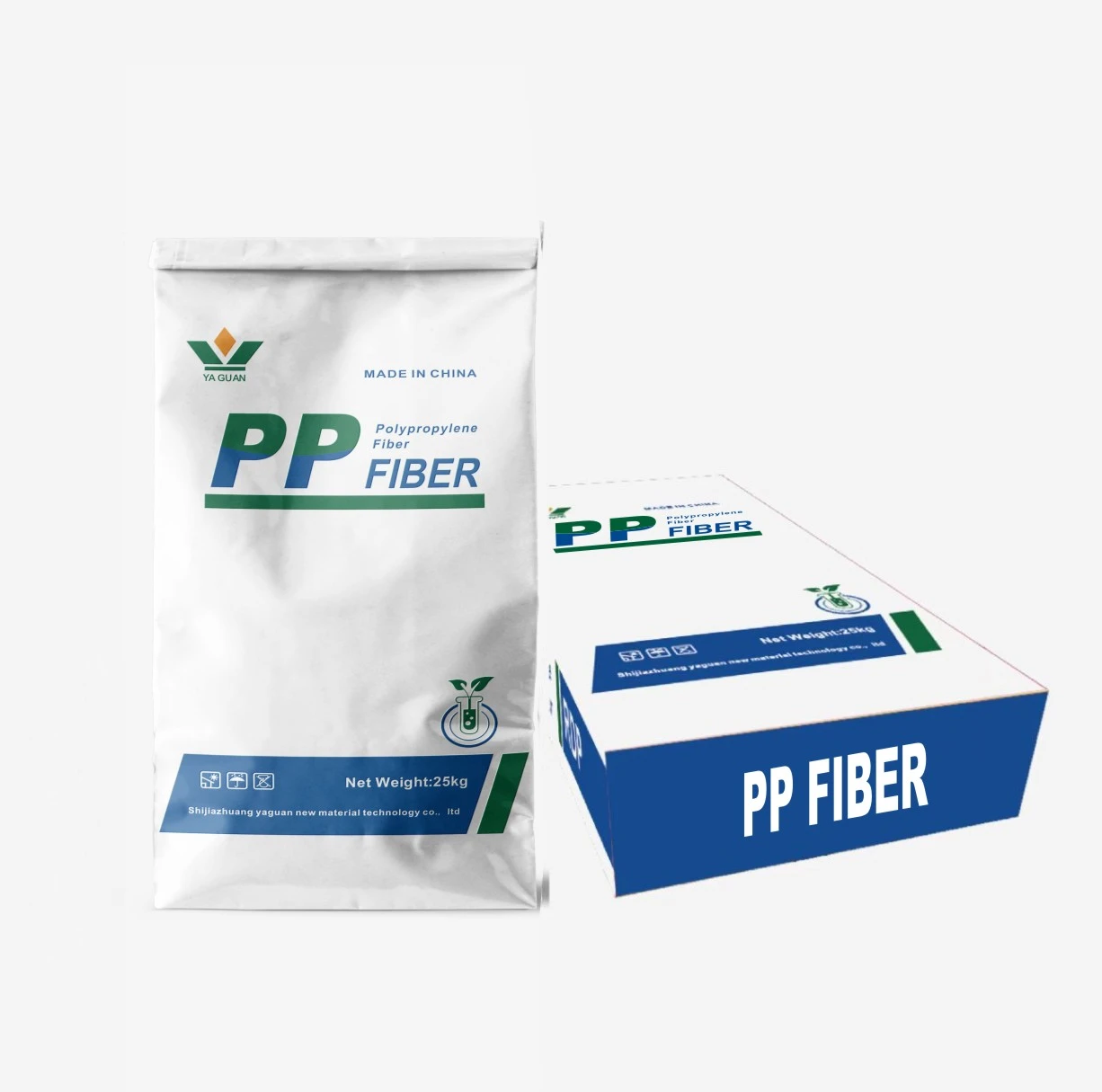
Polypropylene Synthetic Fiber: A Global Game-Changer
Polypropylene synthetic fiber — it might sound like a mouthful, but this material quietly powers so many facets of modern life. From durable home textiles to complex industrial composites, this fiber is more than just a thread in the fabric of industry. Understanding what it is, why it matters globally, and its key advantages can unlock insights into sustainable manufacturing, humanitarian aid, and innovation in material science.
Why Polypropylene Synthetic Fiber Matters on a Global Scale
Global production of synthetic fibers is soaring, and polypropylene stands out due to its unique blend of affordability and functionality. According to the International Organization for Standardization (ISO), polypropylene fibers make up a significant share of non-woven fabrics worldwide, critical in sectors ranging from automotive to healthcare. It tackles challenges like cost constraints, durability demands, and environmental sustainability. Plus, in regions vulnerable to climate change and natural disasters, these fibers help in producing lightweight, resilient materials for relief efforts — from tents to hygiene products.
That’s pretty compelling when you think that by 2025, global demand for such fibers might nearly double due to rising urbanization and eco-conscious manufacturing.
Defining Polypropylene Synthetic Fiber
Simply put, polypropylene synthetic fiber is a man-made filament derived from the polymer polypropylene — a thermoplastic polymer commonly used in packaging, textiles, and automotive parts. The fiber form is spun into threads or yarns and then woven or non-woven into fabrics.
What makes these fibers especially interesting is their low weight, resistance to moisture, and chemical stability, which tie neatly into modern industry needs, especially where durability meets economy. On a humanitarian front, they’re key ingredients in creating affordable, long-lasting materials that uphold safety and dignity — think of flood-resistant textiles or reusable medical masks.
Key Factors Behind Polypropylene Synthetic Fiber’s Success
1. Durability and Moisture Resistance
One of the most praised traits is how polypropylene fibers resist water absorption. Unlike natural fibers that soak up moisture and degrade, synthetic polypropylene keeps its strength even when wet. That’s enormous for outdoor gear or industrial filters.
2. Cost Efficiency
Raw polypropylene is relatively inexpensive due to abundant availability and efficient production processes. This makes the synthetic fiber economically attractive, especially for applications requiring mass production — from geotextiles used in construction to disposable hygiene products.
3. Lightweight Nature
Despite being tough, these fibers are incredibly light. This quality benefits everything from automotive interiors — where weight reduction equals fuel saving — to fast deployment shelters in disaster zones.
4. Scalability and Versatility
Polypropylene fibers can be manufactured in various finenesses and blends, adaptable to different needs. They fit easily into conventional textile machinery, which helps in scaling production without massive retooling.
5. Chemical and UV Resistance
Thanks to their molecular structure, these fibers withstand many chemicals and UV exposure better than many alternatives, giving them longer service lives outdoors or in harsh environments.
Mini Takeaway:
Polypropylene synthetic fiber combines low cost with practical durability, making it a versatile choice across industries. It’s no wonder manufacturers from textile mills to automakers keep turning to it.
Real-World Applications: Where Polypropylene Fibers Shine
The fiber’s versatility has led to a surprising range of uses. Here are a few highlights:
- Post-Disaster Relief: Emergency shelters and geotextiles made from these fibers are lightweight yet tough — ideal when rapid deployment and durability are critical.
- Medical Sector: The production of non-woven fabrics for surgical gowns, masks, and wipes depends heavily on polypropylene fiber for hygiene and disposable comfort.
- Automotive Industry: Interiors and trunk liners use these fibers to reduce weight while maintaining durability.
- Consumer Goods: Carpets, upholstery, and outdoor furniture fabrics benefit from their stain resistance and easy cleaning.
- Agriculture: Shade nets and crop covers employ polypropylene fibers for UV resistance and strength.
Regions like Southeast Asia, Europe, and North America lead in application diversity, often guided by environmental policies and industrial capacities.
Advantages That Make Sense, Long-Term
What’s striking is the blend of logical benefits and emotional value:
- Cost-effective: Affordable production means more people and industries can access quality textiles without breaking budgets.
- Sustainable edge: Using recyclable thermoplastics aligns with circular economy goals, reducing waste footprints.
- Reliability: Resistance to chemical damage and moisture even in challenging climates earns trust from users worldwide.
- Safety and dignity: In humanitarian contexts, materials made from polypropylene fibers ensure populations affected by crises receive durable yet light protective coverings and hygienic products.
You get a tangible, long-lasting solution that’s practical yet also mindful of broader social impact.
Product Specification Table
| Specification | Details |
|---|---|
| Fiber Diameter | 1.5 - 10 denier |
| Tensile Strength | 400 - 600 MPa |
| Moisture Absorption | |
| Melting Point | 160 - 170°C |
| UV Resistance | Good (stable up to 500 hours exposure) |
| Typical Applications | Non-woven fabrics, carpets, automotive textiles |
Vendor Comparison for Polypropylene Synthetic Fiber Providers
| Vendor | Product Range | Price per Kg | Global Reach | Sustainability Certification |
|---|---|---|---|---|
| Yaguan HPMC | High-tenacity & standard fibers | $1.80 - $2.10 | Asia, Europe, Americas | ISO 14001 |
| FiberTech Corp | Specialty fibers for automotive | $2.05 - $2.50 | North America & Europe | OEKO-TEX |
| SyntheFab Ltd | Standard & eco-friendly blends | $1.70 - $2.00 | Global | Global Recycled Standard |
Future Trends & Innovations in Polypropylene Fibers
As if polypropylene fibers weren’t versatile enough, the horizon looks promising. Industry insiders talk about bio-based polypropylene variants made partly from renewable sources, which cutting-edge research says can reduce carbon footprints by up to 30%. Add in advances in fiber modification — like enhanced UV stabilizers and nano-enhanced coatings — and you get materials designed for longer lifespans in harsh environments.
Also worth watching are digitized manufacturing processes leveraging AI to tweak fiber properties on the fly, based on specific end-use requirements. This kind of custom tailoring feels almost sci-fi compared to the one-size-fits-all approach of decades ago.
Challenges & Practical Solutions
Polypropylene synthetic fiber isn’t perfect. It’s known for low moisture absorbency, which is great for weather resistance but can pose comfort issues in textiles worn next to skin — leading to innovations combining it with more absorbent fibers.
Additionally, while recycling polypropylene is technically possible, contamination and economic factors limit widespread reuse. Industry groups are collaborating on improved sorting and purification tech to close the recycling loop.
Frequently Asked Questions About Polypropylene Synthetic Fiber
- Q1: How does polypropylene synthetic fiber compare to polyester or nylon?
- A1: Polypropylene fibers often weigh less and have better moisture resistance than polyester or nylon, making them ideal for outdoor and industrial applications. However, they may be less durable under prolonged UV exposure compared to some nylons.
- Q2: Is polypropylene synthetic fiber recyclable? How eco-friendly is it?
- A2: Yes, polypropylene fiber can be recycled. Still, challenges like collection and fiber contamination limit large-scale recycling efforts. Innovations in biodegradable additives and bio-based alternatives aim to improve sustainability.
- Q3: Can polypropylene fibers be used in medical textiles?
- A3: Absolutely. Their chemical resistance and low moisture absorption make them excellent for disposable medical masks, gowns, and wipes — helping maintain hygiene and safety.
- Q4: Are there special handling requirements for polypropylene fibers during manufacturing?
- A4: Generally, polypropylene is easy to process with standard textile machinery. However, its low melting point requires careful temperature control during melting or extrusion to avoid degradation.
- Q5: How long can polypropylene-based products last in harsh outdoor use?
- A5: Typically, polypropylene materials last several years outdoors, benefiting from their chemical and UV resistance. Nonetheless, exposure to extreme UV or physical wear will eventually degrade them, prompting maintenance or replacement.
Conclusion
Frankly, polypropylene synthetic fiber is a quietly powerful material shaping much of what we use every day — cheap yet reliable, adaptable yet tough. Its global importance will only grow as sustainability and innovation guide manufacturing’s future. For businesses or humanitarian groups looking to leverage solid, cost-effective fiber technology, it’s worth exploring further.
Curious to dive deeper or source your polypropylene fibers? Visit Yaguan HPMC’s polypropylene synthetic fiber page for detailed specs and expert support.