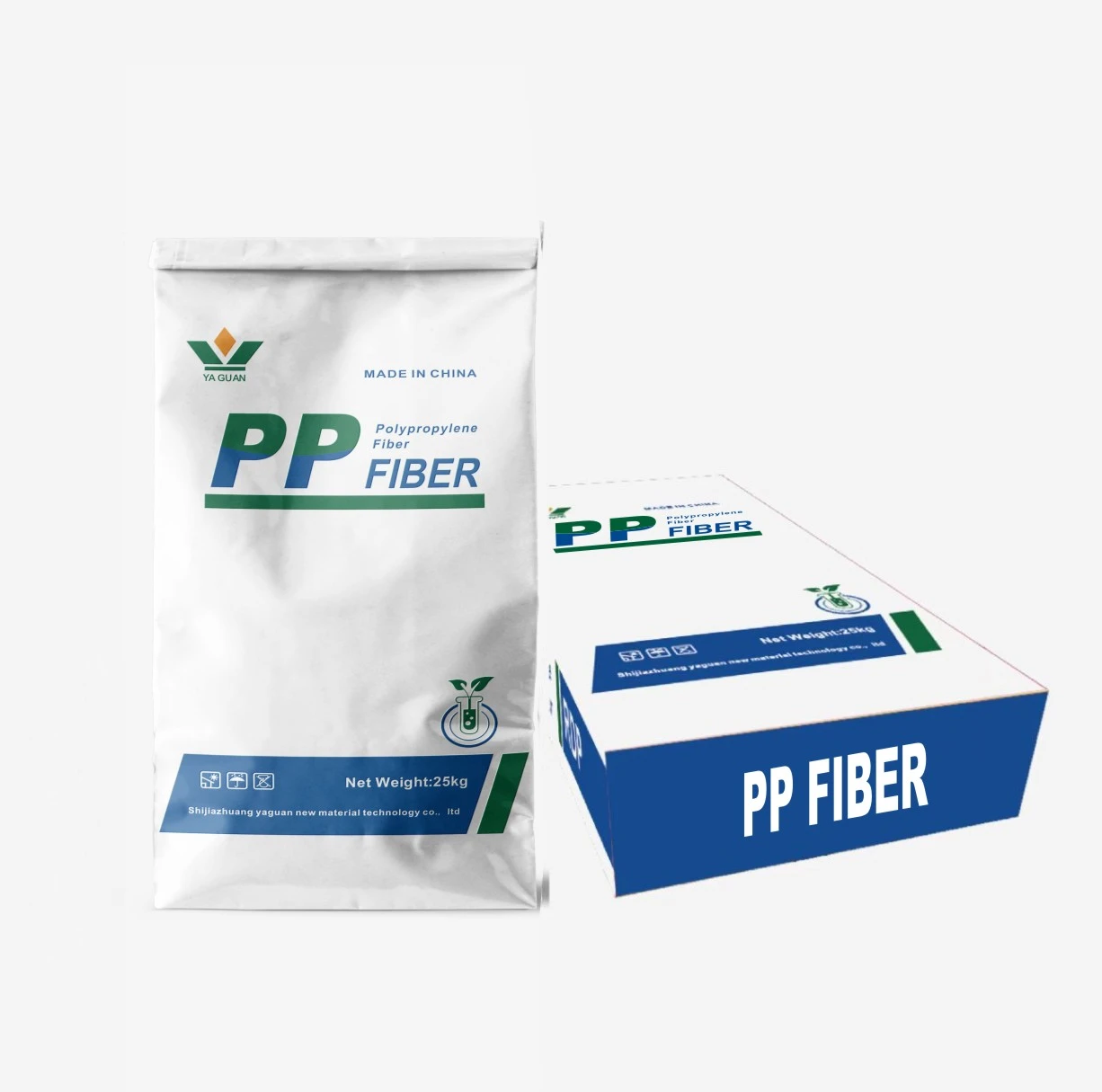

Polypropylene Reinforced Concrete: Why It’s Gaining Global Attention
Concrete is, no doubt, one of the most widely used construction materials on the planet. But if you’ve ever worked on a construction site or studied infrastructure durability, you might already sense the inherent challenges it faces — cracking, brittleness, or environmental sensitivity to name a few. Enter polypropylene reinforced concrete — a fascinating innovation quietly transforming the way engineers approach resilience and sustainability worldwide.
At its core, this material blends conventional concrete with polypropylene fibers or mesh to enhance performance. Globally, this has huge implications: from making roads safer in harsh climates to providing more durable housing where conventional materials fall short. Understanding its benefits could be a game-changer for engineers, architects, urban planners, and disaster response teams alike.
Looking at the Big Picture: Global Context for Polypropylene Reinforced Concrete
Construction and civil infrastructure consume an estimated 30% of global raw materials and contribute substantially to CO₂ emissions, according to the International Energy Agency (IEA). With the ever-growing urban populations and climate unpredictability flagged by the United Nations, materials that offer durability and sustainability together are more critical than ever.
Polypropylene reinforced concrete addresses key problems like cracking from temperature swings and resistance to chemical exposure, translating to safer roads, longer-lasting dams, and even disaster-resilient shelters. Regions highly vulnerable to natural disasters, such as Southeast Asia and parts of Africa, are already adopting this technology to rehabilitate infrastructure faster and with fewer resources.
In real terms, one might consider the delay and cost reductions for a municipality that opts for polypropylene reinforcement in bridge decks or airport runways. It’s not perfect, but the evidence suggests a promising step forward.
What Exactly is Polypropylene Reinforced Concrete?
Simply put, this concrete type incorporates small polypropylene fibers or meshes into the concrete mixture before it sets. Polypropylene is a lightweight, thermoplastic polymer known for its chemical resistance and tensile strength.
When embedded within concrete, the fibers help control shrinkage cracking, improve toughness, and increase impact resistance. This doesn’t replace steel reinforcement entirely but complements it, enhancing the composite material’s overall performance.
Today, engineers employ polypropylene reinforced concrete not only in highways and slabs but increasingly in modular construction and even post-disaster rebuilding, where rapid deployment and durability are paramount.
Core Characteristics That Make It Work
Durability and Crack Resistance
Cracks in concrete are a silent enemy — they invite moisture and chemicals that gradually degrade the structure. Polypropylene fibers act like tiny bridges inside the material, distributing stresses and limiting crack formation.
Cost Efficiency
While polypropylene reinforcement adds some upfront cost, it reduces maintenance and repair expenses substantially. In practice, less cracking means less water ingress, corrosion, and ultimately longer service life.
Lightweight and Workability
Unlike steel mesh or rebar, polypropylene fibers are lightweight. This eases handling and mixing on-site, improving scalability and speeding up construction times, which is vital for remote or resource-scarce projects.
Corrosion Resistance
Polypropylene doesn’t corrode like steel. This means durability in chemically aggressive environments such as wastewater treatment plants, coastal infrastructure, or industrial floors.
Sustainability Angle
Some manufacturers recycle polypropylene post-industrial waste for fiber production, reducing environmental footprint. Plus, longer-lasting concrete means less frequent rebuilds, which aligns well with green building principles.
Mini takeaway: Polypropylene reinforced concrete’s mix of durability, cost savings, and environmental benefits makes it a compelling choice for modern builders facing diverse challenges.
Real-World Applications Across the Globe
This innovation isn’t just lab talk. You’ll find polypropylene reinforced concrete in:
- Southeast Asia: Roadways and flood barriers designed to withstand monsoons and saltwater exposure.
- Europe: Tunnel linings and airport runways benefitting from enhanced durability and crack control.
- Post-disaster Zones: Temporary to permanent housing constructions in earthquake-affected regions thanks to rapid curing and toughness.
- Industrial Floors: Chemical plants using it to resist corrosion from harsh substances.
Organizations like the UN Habitat Program and various NGOs have started advocating for polypropylene reinforced concrete in affordable housing projects, especially when speed and longevity both matter.
Advantages and Long-Term Value of Polypropylene Reinforced Concrete
The benefits span tangible and intangible territories:
- Financial: Lower life-cycle costs due to reduced maintenance.
- Environmental: Less material waste and longer-lasting structures reduce overall carbon footprint.
- Social Impact: Safer, more resilient buildings support community stability and dignity, especially after disasters.
- Reliability: Increased toughness means structures better withstand unexpected stresses and loads.
Frankly, it’s not just about stronger concrete but a more responsible, future-aware building practice.
A Closer Look at Product Specifications
| Specification | Typical Values |
|---|---|
| Fiber Length | 12–19 mm |
| Fiber Diameter | 15–40 microns |
| Dosage Rate | 0.5–2.0 kg per cubic meter of concrete |
| Tensile Strength of Fibers | 300–400 MPa |
| Improved Toughness in Concrete | Up to 20% increase |
Vendor Comparison: Leading Providers of Polypropylene Reinforced Concrete
| Vendor | Pricing (per kg) | Delivery Time | Custom Fiber Options | Notable Projects |
|---|---|---|---|---|
| FiberTech Industries | $15–$18 | 2–4 weeks | Yes (length, dosage) | Southeast Asia Highways |
| Polyfiber Solutions | $12–$16 | 3–5 weeks | Limited | European Tunnels |
| GreenBuild Polymers | $14–$17 | 1–3 weeks | Yes (recycled fibers) | Disaster Relief Housing |
Looking Ahead: Future Trends in Polypropylene Reinforced Concrete
The trajectory for polypropylene reinforced concrete includes better fiber engineering — think nano-enhanced fibers, improved bonding agents, even hybrid composites mixing natural fibers and polymers for extra eco-friendly recognition.
Digital integration with Building Information Modeling (BIM) tools is becoming more common, allowing engineers to simulate fiber-reinforced concrete performance precisely before casting. And as sustainability mandates grow stricter worldwide, expect higher demand for recycled polypropylene inputs and lifecycle assessments.
Automation in production and spraying techniques also promises faster projects, especially for remote or emergency construction fields.
Challenges and How Industry is Overcoming Them
It’s not all sunshine. One challenge is ensuring uniform fiber dispersion — clumping can reduce effectiveness. Skilled mixing and quality control are non-negotiable, though machines and sensors are improving this hurdle.
Some skeptics point to cost, especially since polypropylene fibers still add upfront expenses. However, better client education and demonstration projects often shift opinions toward the life-cycle benefits.
Occasionally, the fibers slightly affect concrete finish texture, which can be tricky for decorative or architectural pours, but advances in fiber design are mitigating that.
FAQ: What You Really Want to Know About Polypropylene Reinforced Concrete
Q1: How does polypropylene reinforcement compare to traditional steel rebar?
A1: Polypropylene fibers don’t replace steel rebar but enhance concrete toughness and control micro-cracking better. They’re lightweight and corrosion-resistant, reducing maintenance needs especially in chemically aggressive or moisture-exposed environments.
Q2: Can polypropylene reinforced concrete be used in cold climates?
A2: Absolutely. The fibers improve crack resistance caused by freeze-thaw cycles common in colder regions, which can otherwise degrade conventional concrete rapidly over time.
Q3: Is polypropylene reinforced concrete eco-friendly?
A3: Polypropylene is a synthetic polymer, but many manufacturers use recycled sources. Plus, the material’s longevity reduces waste and rebuild frequency — overall making it a relatively green solution compared to traditional mixes.
Q4: What industries benefit most from this concrete type?
A4: Industries like infrastructure, disaster relief, wastewater treatment, industrial floors, and modular housing see major benefits due to added durability, faster construction, and chemical resistance.
Q5: How can I source polypropylene reinforced concrete products internationally?
A5: Many vendors offer global shipping with customizable fiber options. Engaging early with suppliers about project specs, delivery timelines, and certification standards is key to smooth international procurement.
Wrapping It Up: Why Polypropylene Reinforced Concrete Matters for Tomorrow
Weaving polypropylene fibers into concrete is more than a technical trick—it’s turning a centuries-old material into a smarter, tougher, and greener solution. Whether you’re rebuilding after a natural disaster or upgrading critical infrastructure, this composite’s long life, reduced costs, and sustainable edge make it a strong contender for the future.
If you want to dive deeper or explore suppliers and detailed specs, polypropylene reinforced concrete products can offer the tailored performance your projects demand.
Mini takeaway: As demands on infrastructure intensify, polypropylene reinforced concrete offers a practical yet innovative path forward. Worth a closer look, I’d say.