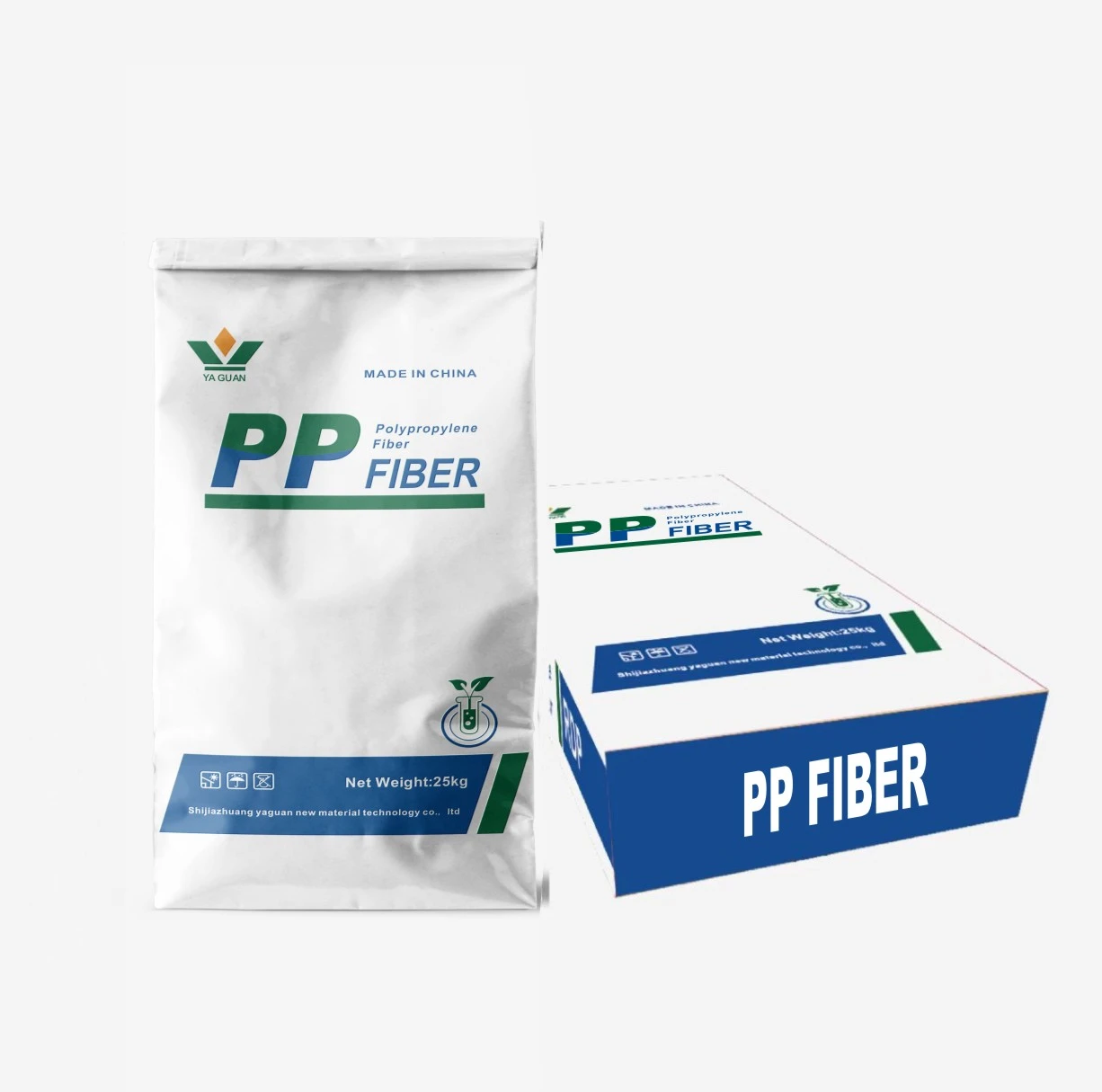

Understanding Polypropylene Microfibers: Tiny Fibers with a Big Global Impact
Polypropylene microfibers might sound like a mouthful of jargon, but these tiny strands are quietly reshaping multiple industries worldwide. At their core, they’re ultra-fine fibers made from polypropylene—a versatile plastic known for its resilience and low cost. What makes them truly fascinating, though, is the breadth of their applications, from improving construction materials to aiding emergency humanitarian relief.
With growing global challenges—ranging from climate change-induced disasters to the fast pace of industrial innovation—understanding polypropylene microfibers and their benefits has become more than academic. Their role in durability, cost efficiency, and sustainability can’t be overlooked. So whether you’re in manufacturing, disaster response, or sustainable building design, these fibers matter.
The Global Context: Why Polypropylene Microfibers Matter Now More Than Ever
On a global scale, the demand for materials that are lightweight, durable, and cost-effective is rising rapidly. The World Bank estimates that urban populations will grow by 2.5 billion by 2050, pushing the need for smarter construction materials and sustainable infrastructure.
Polypropylene microfibers have caught the spotlight because they help reduce material waste while improving performance—two goals that align perfectly with the UN’s Sustainable Development Goals (SDGs), especially Goal 9: Industry, Innovation, and Infrastructure. However, the challenge remains: how to produce such materials at scale without compromising quality or affordability?
Oddly enough, these microfibers also address some pressing issues like erosion control, dust suppression, and even post-disaster shelter enhancement. From remote industrial zones in Asia to refugee camps in the Middle East, their applications are truly global.
Mini Takeaway:
Polypropylene microfibers are a key innovation at the intersection of global industrial demand and humanitarian needs.
What Exactly Are Polypropylene Microfibers?
Simplified, polypropylene microfibers are ultra-thin threads made from polypropylene polymers. Imagine a length of thread so fine it’s measured in microns rather than millimeters. These fibers are produced using advanced spinning and extrusion techniques that create a fabric or reinforcement material with a unique mix of lightness and strength.
The connection to modern industry comes from their ability to reinforce concrete, fabrics, and composites, improving tensile strength, crack resistance, and durability. For humanitarian efforts, these fibers often reinforce building materials in makeshift shelters or improve insulation — helping vulnerable populations face harsh weather with dignity.
Mini Takeaway:
Polypropylene microfibers are microscopic threads that enhance strength and durability for industrial and humanitarian use.
Key Characteristics of Polypropylene Microfibers
Durability & Chemical Resistance
Polypropylene microfibers resist acids, alkalis, and moisture. This chemical resilience makes them ideal in harsh environments like industrial waste sites or flood-prone areas. Many engineers say that embedding these fibers into materials extends product life by 20-30% roughly, cutting down replacements and maintenance.
Lightweight Nature
Oddly enough, despite their strength, these fibers weigh almost nothing. This property is crucial for construction materials where weight reduction means faster assembly, easier transport, and ultimately lower carbon emissions.
Cost Efficiency
Polypropylene is one of the most affordable plastics available. By integrating microfibers, companies can enhance product performance without increasing overall costs significantly—a big win for sectors with tight budgets.
Thermal Stability
These fibers maintain structural integrity in a wide temperature range (from about -20°C to 120°C), allowing them to be used in both cold storage applications and hot industrial machinery parts.
Scalability & Versatility
Producers can customize fiber length and diameter depending on application—from fine textile reinforcement to rough concrete mixtures. This flexibility not only makes polypropylene microfibers versatile but also easier to standardize for different industries.
Mini Takeaway:
Durability, lightweight, and affordability make polypropylene microfibers a smart choice with practical benefits across applications.
Global Applications: Where Polypropylene Microfibers Are Making a Difference
- Construction Industry: Reinforcing concrete and mortar for bridges, tunnels, and housing. Instead of traditional steel reinforcement, these fibers minimize spalling and microcracks.
- Geotextiles and Soil Stabilization: Used in erosion control mats especially in flood-prone or mountainous regions of Europe and the Americas.
- Disaster Relief: Emergency shelters often mix these fibers into fabric walls or roofing to increase durability without adding weight.
- Automotive and Aerospace: Lightweight composite parts incorporate polypropylene microfibers for enhanced strength and reduced fuel consumption.
- Textiles: Workwear and filtration fabrics use them to improve durability and chemical resistance, popular in industrial zones in South Asia.
For example, after the 2018 floods in Kerala, India, relief agencies incorporated polypropylene microfiber-reinforced fabrics in temporary shelters, significantly reducing wear and tear during prolonged monsoon rains.
Mini Takeaway:
Applications range from high-tech aerospace to grassroots humanitarian efforts — these fibers flexibly support diverse global needs.
Advantages and Long-Term Value of Polypropylene Microfibers
When you add polypropylene microfibers to a product, you’re effectively future-proofing it. Here’s a quick look at why:
- Cost Savings: Less material use and fewer repairs translate directly into budget relief, especially vital in low-income regions.
- Environmental Impact: Lightweight products reduce transportation emissions; durability means fewer replacements, cutting landfill waste.
- Social Benefits: In humanitarian contexts, stronger and more reliable shelters mean safety, dignity, and hope during crisis.
- Reliability: Consistent performance in diverse environments builds trust among users and engineers alike.
You can’t underestimate the peace of mind these fibers bring when your infrastructure or humanitarian aid is literally holding lives together.
Emerging Trends and Innovations
The future feels exciting. Innovations in polypropylene microfiber production now focus on bio-based polypropylene, reducing reliance on fossil fuels. Automation and digital quality control—think in-line fiber diameter sensors and AI-driven quality assurance—are making high-volume production more consistent and eco-friendly.
Additionally, hybrid fibers combining polypropylene with renewable materials like hemp show promise for “greener” composites with even better insulation and strength.
Challenges and How We’re Overcoming Them
Of course, nothing’s perfect. Current challenges include:
- Recycling Complexity: Polypropylene composites are tough to recycle separately without contamination.
- Production Consistency: Achieving uniform fiber diameter at scale is tricky, requiring tech investments.
- Environmental Concerns: Although better than many plastics, polypropylene still relies on petroleum feedstocks.
Experts suggest that improved fiber separation technologies, circular economy policies, and bio-polymer R&D are crucial to overcoming these hurdles.
FAQ: Polypropylene Microfibers Explained
- What makes polypropylene microfibers better than traditional reinforcing fibers?
- Polypropylene microfibers combine chemical resistance, lightweight properties, and affordability, unlike many traditional fibers such as glass or steel. This leads to easier handling, cost savings, and improved durability over time.
- How long can polypropylene microfiber-reinforced materials last?
- With proper integration, these materials often extend lifespan by 20–30%, lasting several decades in stable environments. Factors like exposure to UV or extreme temperatures can affect durability, so design matters.
- Are polypropylene microfibers environmentally sustainable?
- While polypropylene is a petroleum derivative, recent advances include bio-based polypropylene and recycling programs. Their lightweight nature also reduces transportation emissions, offering a smaller overall footprint compared to heavier alternatives.
- How do NGOs source polypropylene microfiber-based materials internationally?
- Many reputable vendors offer bulk shipping and custom orders. NGOs typically work with suppliers complying with ISO standards, ensuring quality and facilitating smooth customs clearance.
- Can polypropylene microfiber products be customized for different climates?
- Absolutely. Fiber length, density, and blending with other materials can be tailored to suit specific environmental conditions—from Arctic cold to tropical humidity.
Product Specification Table
| Specification | Typical Values | Units |
|---|---|---|
| Fiber Diameter Range | 10–30 | microns |
| Tensile Strength | 350–450 | MPa |
| Melting Point | 160–170 | °C |
| Density | 0.91 | g/cm³ |
| Elongation at Break | 10–20 | % |
Vendor Comparison: Leading Polypropylene Microfiber Suppliers
| Supplier | Product Range | Global Reach | Pricing | Certifications |
|---|---|---|---|---|
| FiberTech Inc. | Standard & custom microfibers | North America, Europe | Mid-range | ISO 9001, REACH |
| PolyFibers Ltd. | Bio-based polypropylene fibers | Asia, Europe | Premium | ISO 14001, Oeko-Tex |
| GreenFiber Solutions | Hybrid polypropylene blends | Global | Competitive | ISO 9001, LEED |
Wrapping It All Up
So, what’s the takeaway here? Polypropylene microfibers, while tiny, pack a mighty punch in modern materials science and humanitarian applications. Their unique combination of durability, lightness, and affordability makes them an easy choice for industries and organizations looking to build stronger, smarter, and more sustainable products.
If you’re curious or working with polypropylene microfibers—or just want to explore the possibilities—don’t forget to check out polypropylene microfibers from reputable suppliers. It’s a small investment in fibers with big potential.