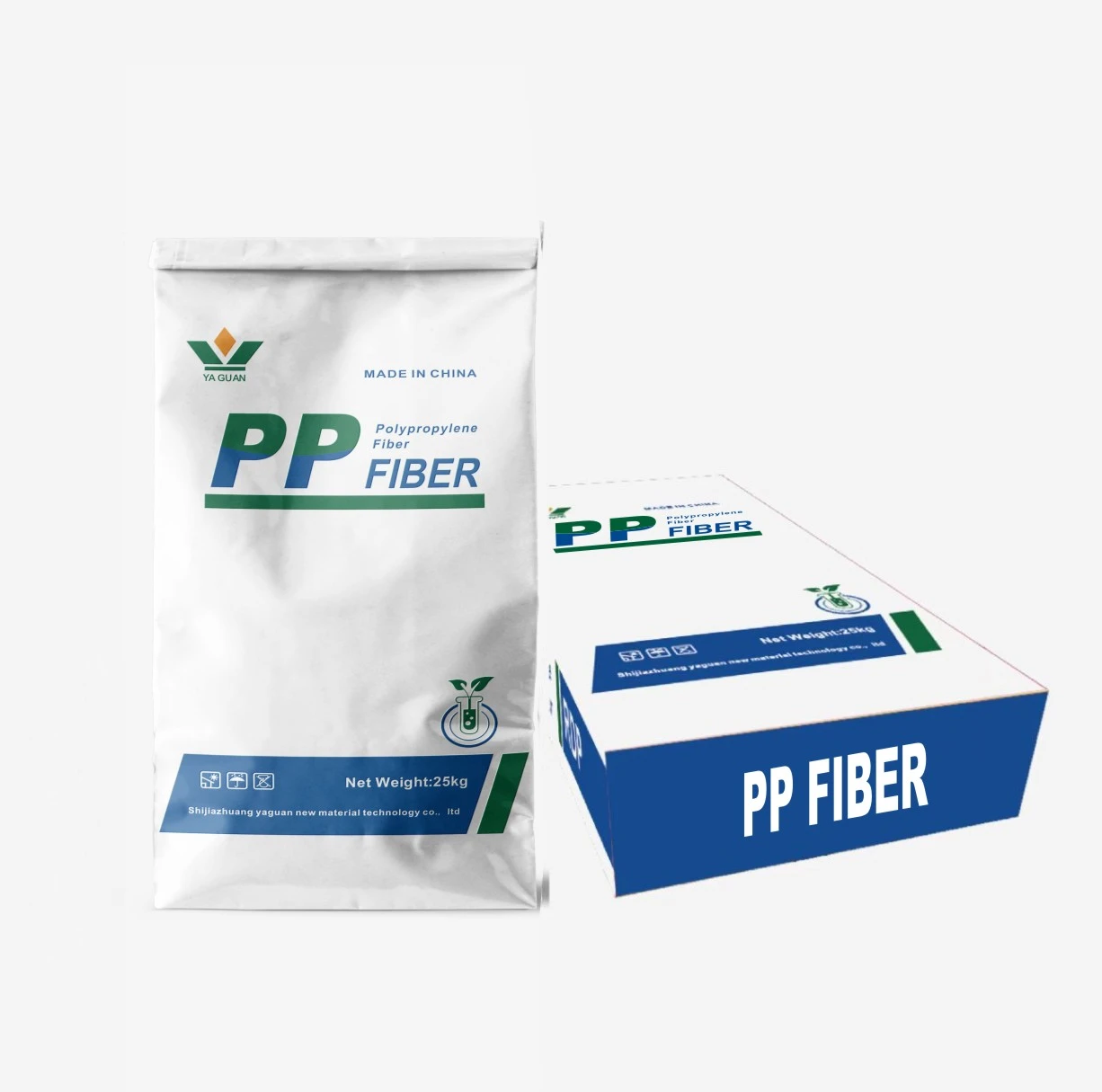

Understanding Polypropylene Fibres for Screed: What You Need to Know
Polypropylene fibres for screed are quietly revolutionizing concrete work worldwide. They might sound like just another construction add-on, but their role is surprisingly vital — improving durability, reducing cracking, and enhancing longevity in a subtle yet impactful way. The global demand for stronger, more sustainable building solutions has pushed this product into the spotlight, especially in sectors where safety and longevity truly matter.
Why Polypropylene Fibres for Screed Matter in Today's Global Market
Construction is one of the largest industries worldwide, contributing up to 13% of global GDP according to the World Bank. Yet it faces persistent challenges — shrinkage cracking, poor impact resistance, and durability issues in concrete screeds cause billions in maintenance costs yearly. That’s where polypropylene fibres for screed come in. Globally recognized standards like ISO 13888 advocate fibre reinforcement to help mitigate these problems. Plus, modern urban development and post-disaster rebuilding efforts stress out material suppliers to find cost-effective, fast-curing options that hold strong under pressure. Polypropylene fibres address many of these concerns by ensuring more resilient concrete layers without the complications of steel reinforcement.
Mini takeaway:
- Construction’s global scale highlights a real need for advanced materials.
- Polypropylene fibres improve structural integrity and operational cost-effectiveness.
Defining Polypropylene Fibres for Screed
At heart, polypropylene fibres are tiny strands of synthetic polymer — usually milled or extruded — designed to distribute evenly through screed or concrete mixes. When added, these fibres form a microscopic mesh that holds the mix together, preventing micro-cracks from growing into bigger issues. Unlike steel fibres, they don’t rust, don’t react chemically, and don’t compromise the screed’s workability or finish. In industrial or humanitarian construction, this means stronger floors and pavements that hold steadfast in tough conditions — essential when rapid deployment and longevity are non-negotiable.
Key Features that Define Polypropylene Fibres for Screed
1. Durability
The chief appeal of polypropylene fibres lies in their ability to vastly increase screed’s resistance to cracking caused by shrinkage, thermal changes, or impact. Many engineers note that floors reinforced with these fibres tend to maintain better surface integrity over time, reducing maintenance needs and premature failures.
2. Cost Efficiency
Adding polypropylene fibres typically costs far less than traditional mesh or steel reinforcement methods. Plus, the fibres improve mix consistency and reduce waste caused by cracking or spalling. In projects with large-scale screed applications such as warehouses or industrial floors, the cost savings compound significantly.
3. Workability & Smooth Finish
Unlike bulkier fibres, these polypropylene strands blend seamlessly into the mix, allowing for a smooth finish that requires minimal additional smoothing or grinding. For flooring specialists, this means time saved on-site and a polished end result every time.
4. Lightweight & Non-Corrosive
Being plastic fibres, they add negligible weight and don’t corrode, making them ideal for humid or chemically exposed environments — think kitchens, wet rooms, and coastal infrastructure.
Mini takeaway:
- Polypropylene fibres enhance screed durability and reduce costs.
- They ensure a smooth, corrosion-resistant finish suitable for varied environments.
Global Applications: Where and How Polypropylene Fibres for Screed Make a Difference
The versatility of polypropylene fibres has found a home across continents and sectors. In Europe, rapidly growing urbanization and stricter sustainability building codes push screed producers to utilize these fibres for longer-lasting floors in commercial and residential buildings. In Asia, with booming industrial zones, large warehouses rely on fibre-reinforced screeds to withstand heavy machinery and frequent traffic.
Meanwhile, in humanitarian contexts, NGOs use screed mixes fortified with polypropylene fibres for temporary shelter floors and clinics in disaster-stricken zones. The fibres improve durability without the need for heavy reinforcement, speeding up deployment and ensuring structures sustain harsh weather conditions.
Even niche applications like airport runways and sports arenas leverage polypropylene fibres to enhance resistance to microcracking caused by constant vibrations and pressure.
Mini takeaway:
- Sectors from construction to disaster relief find value in fibre-reinforced screed applications.
- Regional needs and environmental factors influence fibre specs and deployment.
| Specification | Typical Values | Significance |
|---|---|---|
| Fibre Length | 12-19 mm | Optimizes dispersion & crack resistance |
| Denier | 1.5 - 3 denier | Thickness impacting workability |
| Dosage Rate | 0.9 - 2.4 kg/m³ | Balances cost & reinforcement |
| Density | 0.91 g/cm³ | Lightweight nature |
| Melting Point | 160°C | Thermal stability threshold |
Advantages & Long-Term Value: More Than Just Reinforcement
Why invest in polypropylene fibres for screed? The benefits are layered. First, the obvious — reduced shrinkage cracks, meaning fewer repairs and longer service life. But beyond that, these fibres improve impact resistance, leading to safer floors that maintain structural integrity even under strain. From a sustainability angle, less repair means reduced material consumption and waste over time.
Emotional and social factors come into play too. Safer floors protect workers and occupants, fostering trust in infrastructure quality. It also reflects forward-thinking — investing in innovative solutions that prioritize durability and environmental concerns, rather than cheap, temporary fixes.
Future Innovations and Trends in Polypropylene Fibre Usage
The landscape is rapidly evolving. Researchers are developing hybrid fibre mixes combining polypropylene with other polymers or steel to optimize toughness and flexibility. Digital mixing controls and AI-driven quality checks increasingly ensure precise fibre dosage for specialized applications. Meanwhile, sustainability efforts push for recycled polypropylene fibres and greener production methods.
Policies worldwide demand greener buildings and longer-lasting materials, and polypropylene’s non-corrosive nature aligns perfectly with these agendas. Add to this the rising popularity of prefab concrete elements — where perfectly consistent fibre distribution streamlines factory-floor quality control — and you get a glimpse into a future where fibre-reinforced screeds are standard, not optional.
Challenges and Practical Solutions
That said, it's not all sunshine. Fibres can sometimes clump during mixing if not carefully handled, creating weak spots. Also, some contractors hesitate due to unfamiliarity, fearing workflow disruptions. The cost, although lower than steel, still slightly exceeds plain screed, causing budget constraints.
Solutions? Better training for crews and adoption of quality mixer tech help ensure perfect fibre dispersion. Educating clients about long-term ROI versus short-term expense also shifts attitudes. Plus, advancements in fibre manufacturing continually lower production costs — a nice problem to have, you might say.
Frequently Asked Questions About Polypropylene Fibres for Screed
Q: Can polypropylene fibres replace steel mesh reinforcement completely?
A: Not entirely. Polypropylene fibres improve micro-crack resistance and durability for many screed applications but don’t match steel mesh's structural load-bearing capacity. Often, both are used in tandem for optimal performance.
Q: How does fibre dosage affect screed properties?
A: Increasing fibre content generally enhances crack resistance but may impact workability. Dosage rates of 0.9 to 2.4 kg/m³ are common, balanced according to project needs and mixing conditions.
Q: Are polypropylene fibres eco-friendly?
A: While petroleum-based, their contribution to longevity and reduced repair lowers overall environmental impact. Recycled polypropylene variants and greener production methods are gaining ground too.
Q: Is special equipment needed for mixing polypropylene fibres?
A: Standard screw and paddle mixers work fine, but thorough mixing (3+ minutes) is important to avoid fibre clumping and uneven distribution.
Q: Can fibres impact surface finishing? Should I worry about aesthetics?
A: Polypropylene fibres are very fine and generally don’t affect finish quality. In fact, they often reduce surface defects, leading to smoother results.
| Vendor | Fibre Length Range | Price per kg (USD) | Key Advantages | Shipping Regions |
|---|---|---|---|---|
| Yaguan HPMC | 12-19 mm | 3.50 | Consistent quality, customizable blends | Global |
| MegaFibres Ltd. | 10-18 mm | 3.20 | Specialized industrial mixes | Europe, Asia |
| StrongFibre Co. | 14-20 mm | 3.75 | High strength with added additives | North America |
Conclusion: A Smart Choice for Today and Tomorrow
Polypropylene fibres for screed are not just a minor add-on — they’re a cornerstone of modern, sustainable concrete technology. Their unique combination of durability, affordability, and ease of use means they’re increasingly becoming the go-to for builders and engineers worldwide looking to deliver stronger, longer-lasting floors with less fuss. If you want the kind of product that balances innovation with practical benefits, it’s worth diving deeper into fibre-reinforced screeds.
For more detailed information or to browse product options, visit polypropylene fibres for screed.
References
- World Bank: Construction and Industry Overview, 2023
- ISO 13888 - Fibre Reinforcement Standards
- Wikipedia: Polypropylene