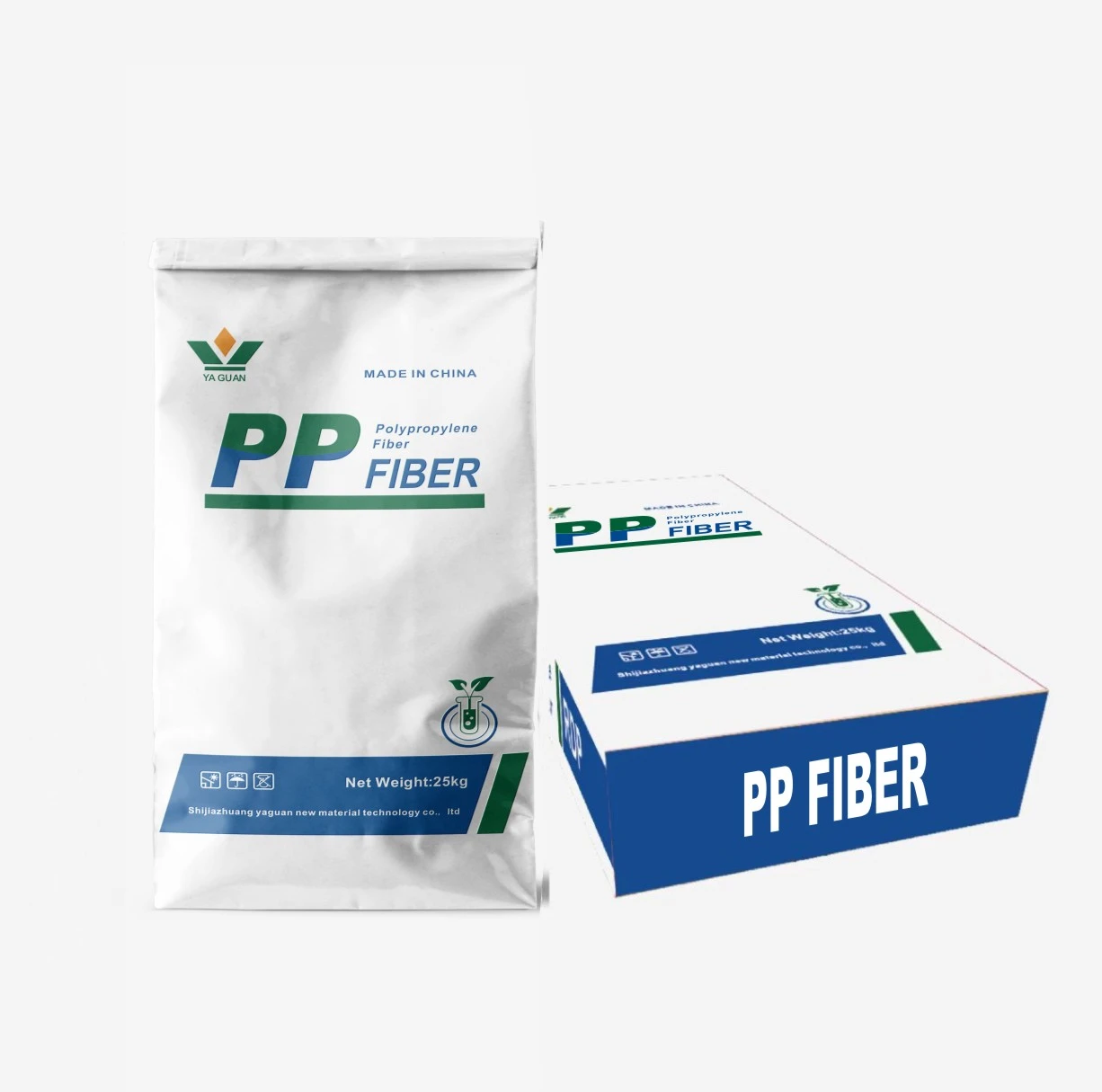

Why Polypropylene Fibers for Plaster Matter in Today’s World
If you’ve ever walked past a freshly rendered wall or watched the construction of a new building, you might have noticed some subtle but critical materials at work behind the scenes. Polypropylene fibers for plaster are one such material — a seemingly simple addition to traditional plaster mixes that packs a punch in improving durability and performance. Globally, as urbanization accelerates and infrastructure demands grow, understanding this tiny yet mighty ingredient becomes a real game-changer.
Why? Because these fibers enhance plaster strength, reduce cracking, and make structures last longer — crucial for everything from high-rise commercial projects to affordable housing in developing countries.
Plus, with sustainability and resource efficiency topping global agendas (the UN Sustainable Development Goals touch on resilient infrastructure and sustainable cities quite often), innovations like polypropylene fiber-reinforced plaster have become vital tools for builders, engineers, and policymakers alike.
Mini takeaway: Polypropylene fibers for plaster help create stronger, more durable, and cost-effective buildings — a small step with big global impact.Global Context: Why the World Needs Smarter Plaster Solutions
According to the World Bank, over half the world’s population lives in urban areas, and this is projected to rise to 68% by 2050. That’s nearly 7 billion people requiring safe, affordable housing and infrastructure. At the same time, climate crises and resource scarcity are testing traditional construction materials. It turns out, plaster isn’t just about appearances — it’s a frontline defense against weather, wear, and structural challenges.
Traditional plaster can suffer from cracks due to shrinkage, poor bonding, or temperature swings. Polypropylene fibers for plaster come into play by reinforcing the plaster matrix, limiting crack propagation and improving impact resistance. This means less maintenance down the road, which saves money and resources.
Organizations like ISO have also begun recognizing the importance of fiber-reinforced cementitious composites, where polypropylene fibers play a key role in meeting new building standards globally.
Mini takeaway: Growing urban populations and stricter building codes create a need for robust, fiber-enhanced plaster systems worldwide.What Exactly Are Polypropylene Fibers for Plaster?
In simple terms, polypropylene fibers are tiny plastic strands made from the polymer polypropylene — the same plastic often used in packaging, textiles, and even automotive parts. When these microfibers (typically a few millimeters long) are mixed into plaster or mortar, they act like miniature reinforcing bars.
Think of them as the invisible spider web inside the plaster that holds it together. These fibers improve plaster’s toughness, flexibility, and resistance to shrinkage cracks caused by drying or mechanical stress. They don’t change the look or feel dramatically but make a huge difference behind the scenes.
In the broader industrial and humanitarian arenas, fiber-reinforced plaster helps ensure structures remain safe and stable even in harsh conditions. Whether it’s new construction, restoration projects, or emergency housing, polypropylene fibers help provide a resilient finish.
Core Features of Polypropylene Fiber-Enhanced Plaster
Durability and Crack Resistance
Cracks aren’t just unsightly; they can let moisture in and weaken walls. Adding polypropylene fibers limits micro-cracks and gives plaster the power to flex instead of break under stress.
Cost Efficiency
Using fibers reduces the need for extensive repairs and repainting, saving money long-term. Plus, fibers enable thinner plaster layers without sacrificing performance, reducing material use and labor.
Thermal and Moisture Stability
The fibers help plaster handle temperature changes and moisture cycles better, important in climates prone to freezing and thawing or heavy rainfall.
Ease of Application
Polypropylene fibers integrate smoothly into standard plaster mixes. Plasterers don’t need special tools or procedures, which means faster project completion and lower labor training costs.
Environmental Impact
Interestingly, polypropylene fibers are chemically inert and don’t contribute to corrosion, unlike steel fibers. They’re also lighter and help reduce the carbon footprint when used efficiently.
| Property | Value | Unit |
|---|---|---|
| Fiber Length | 6-12 | mm |
| Fiber Diameter | 10-30 | μm |
| Specific Gravity | 0.91-0.95 | - |
| Melting Point | 160-170 | °C |
| Dosage in Plaster | 0.1-0.5 | % by weight |
Real-World Applications of Polypropylene Fibers for Plaster
It’s one thing to talk specs and science, but where do these fibers actually shine?
- Construction in High-Humidity and Freeze-Thaw Regions: European countries and parts of North America face seasonal freeze-thaw challenges. Polypropylene fibers minimize frost damage cracking in plaster renders.
- Post-Disaster Reconstruction: NGOs and governments use fiber-reinforced plaster to quickly and reliably repair or erect housing in earthquake or flood-affected zones.
- Industrial Facilities: Warehouses and factories in Asia and the Middle East benefit from reinforced plaster to resist mechanical impact and wear.
- Affordable Housing Projects: Across Africa and South America, cost-effective fibers help meet strict budgets without sacrificing quality.
For example, a housing NGO in Southeast Asia noted that plaster reinforced with polypropylene fibers extended wall life by at least 30% compared to standard mixes — which made a huge difference in communities where frequent repairs are a heavy burden.
Advantages & Long-Term Value of Polypropylene Fiber Reinforcement
What really makes polypropylene fibers valuable can boil down to more than just numbers:
- Financial Savings: Less maintenance, longer life, and fewer repairs translate into real cash saved over years.
- Environmental Stewardship: Reduced waste and raw material usage align well with green building practices and regulations.
- Safety & Security: Stronger plaster walls mean safer buildings, protecting people from hazards and enhancing dignity.
- Innovation & Trust: Many builders now prefer fiber-reinforced plaster for high-profile projects, associating it with quality and future-readiness.
Looking Ahead: Trends and Innovations in Fiber-Reinforced Plaster
The construction world rarely stands still, and polypropylene fibers are evolving too. Several trends are reshaping how these fibers get used:
- Green Polypropylene: Manufacturers are exploring bio-based polypropylene from renewable sources, adding another sustainability layer.
- Smart Fibers: Research into fibers with sensing capabilities to detect stress or damage, offering predictive maintenance possibilities.
- Automation: Mixing techniques are becoming more precise in modern plants, ensuring uniform fiber distribution for optimal performance.
- Regulatory Pushes: Governments are increasingly mandating fiber reinforcement in plaster for public infrastructure projects to boost resilience.
Challenges & Solutions in Using Polypropylene Fibers for Plaster
Of course, nothing’s perfect. Some hurdles linger:
- Fiber Clumping: Poor mixing can cause fiber balling, leading to uneven plaster texture. Solution? Modern dry-mix technology and quality additives help disperse fibers evenly.
- Cost Sensitivity: While cost-effective long-term, upfront material costs are higher. Large-scale production and volume buying often offset this.
- Limited Heat Resistance: Polypropylene melts around 160°C, so it’s not suited for high-fire applications. Selecting fibers carefully for specific environments is key.
Vendor Comparison: Finding the Right Polypropylene Fiber Supplier
| Supplier | Fiber Length (mm) | Dosage Range (%) | Price (per kg) | Ideal Use Case |
|---|---|---|---|---|
| Yaguan HPMC | 6-12 | 0.15-0.4 | $3.50 | Affordable housing, general construction |
| FiberTech Corp | 8-15 | 0.2-0.5 | $4.75 | Industrial and high-durability applications |
| BuildStrong Ltd. | 5-10 | 0.1-0.3 | $3.00 | Mass housing, cost-sensitive projects |
FAQ: What You’re Asking About Polypropylene Fibers for Plaster
- Q1: How much polypropylene fiber do I add to plaster for best results?
- A: Generally, the recommended dosage ranges from 0.1% to 0.5% by weight of the plaster mix. Exact amounts depend on your performance needs — higher dosages improve toughness but can affect workability slightly.
- Q2: Can polypropylene fibers cause discoloration or affect plaster finish?
- A: No, because the fibers are very fine and chemically inert, they don’t change the color or texture of the plaster finish significantly when properly mixed.
- Q3: Are polypropylene fibers suitable for outdoor and humid environments?
- A: Yes, polypropylene fibers are moisture resistant and do not degrade in damp conditions, making them excellent for exterior plaster or areas with high humidity.
- Q4: Do I need special equipment to mix fibers into plaster?
- A: Not really. Standard plaster mixers work fine. The key is to add fibers gradually and ensure thorough mixing to avoid clumping.
- Q5: Where can I source high-quality polypropylene fibers for my plaster projects?
- A: Trusted suppliers like Yaguan HPMC offer tested polypropylene fibers tailored for plaster applications with consistent quality and support.
In Conclusion: Why Polypropylene Fibers Are a Smart Choice
It feels like a small detail, but polypropylene fibers for plaster have quietly transformed the durability and sustainability of modern construction. They provide exceptional crack resistance, enhanced strength, and excellent long-term value — all without demanding specialty tools or crazy investments. As cities grow and building challenges mount, such innovations will only become more essential.
Interested in exploring high-quality polypropylene fibers tailored for your plaster needs? Visit our website and see how fiber reinforcement can elevate your next project.
References:
1. United Nations Sustainable Development Goals - Cities and Communities
2. ISO Technical Committee on Fiber Reinforced Cement Composites
3. World Bank Urban Development Data