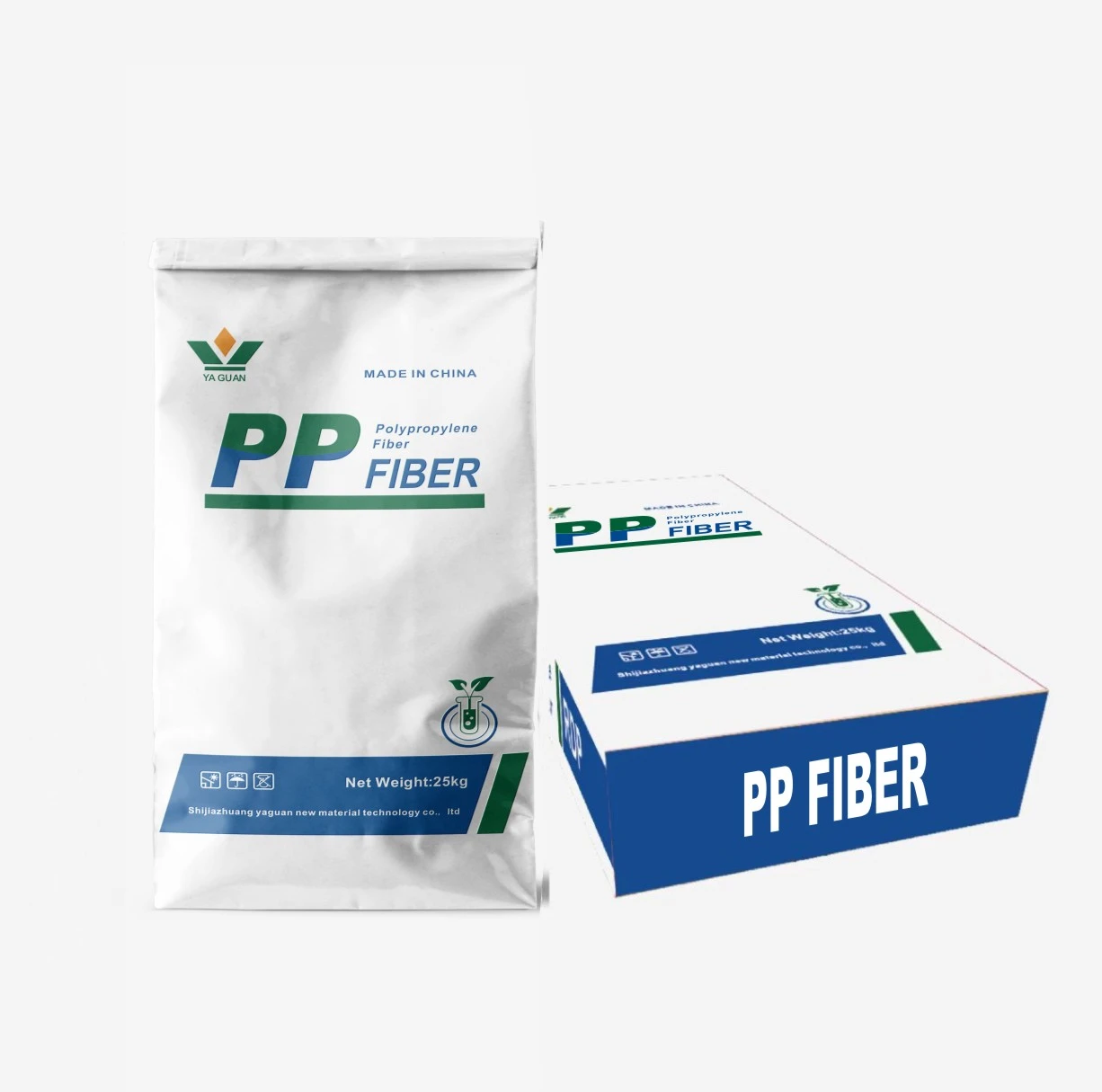

Unlocking the Potential of Polypropylene Fiberglass: A Modern Material for Global Needs
In today's fast-evolving industrial landscape, certain materials quietly revolutionize entire sectors without the fanfare they deserve. Polypropylene fiberglass is one such unsung hero. It's global in scope, impactful, and very much a solution to pressing challenges — from sustainable infrastructure to cost-effective manufacturing. Understanding this hybrid composite means appreciating how we engineer durability, flexibility, and affordability into products shaping our world.
The Global Context: Why Polypropylene Fiberglass Is More Relevant Than Ever
Consider that global plastic production topped 400 million tons in 2022, and annual fiberglass consumption climbed steadily in industrialized and emerging economies alike. Polypropylene fiberglass, marrying a thermoplastic polymer with high-strength glass fibers, crosses borders with its blend of lightness and resilience. Industries from automotive sectors in Europe to construction firms in Asia rely on it to tackle the challenge of heavier, less eco-friendly materials.
But here's the kicker: environmental pressures and resource scarcity are tightening the noose on traditional composites. Polypropylene fiberglass steps in to reduce waste, lower energy in manufacturing, and extend product life cycles, ticking many boxes from the United Nations’ sustainability goals.
Mini Takeaway:
- Polypropylene fiberglass addresses growing demand for sustainable, lightweight, and high-performance materials globally.
- It serves as a less resource-intensive alternative in various industries, easing environmental impacts.
So, What Exactly Is Polypropylene Fiberglass?
Polypropylene fiberglass is basically a composite material combining polypropylene — a widely used thermoplastic — with finely woven glass fibers. This amalgamation creates a sturdy, heat-resistant, and flexible substance. If you picture the strong and versatile plastics powering everything from packaging to car parts, fiberglass reinforcement is what raises the stakes on strength without adding cumbersome weight.
In practical terms, this means not only lighter vehicles or equipment but also enhanced durability in harsh environments. NGOs working on temporary shelters, for instance, often select polypropylene fiberglass for panels and frames because it blends strength with easy transportability. The modern industry leans heavily on this material's adaptability and cost-effectiveness, particularly when speed and reliability are paramount.
Mini Takeaway:
- A hybrid material marrying polypropylene plastic with glass fibers for superior strength and flexibility.
- Extensively used in industries requiring lightweight, strong, and heat-resistant components.
Core Properties Driving Polypropylene Fiberglass Success
Durability under Pressure
One of the main reasons polypropylene fiberglass is favored is its resistance to fatigue, chemicals, and weather. Many engineers note how it holds structural integrity far better than plain plastics. This means longer-lasting products and fewer replacements — a big win for budgets and ecosystems alike.
Lightweight Yet Strong
Fiberglass lends tensile strength, while polypropylene keeps parts light. Fleet operators and manufacturers appreciate this combo because it improves fuel efficiency and handling without compromising safety.
Cost Efficiency for Large-Scale Production
Polypropylene itself is affordable and widely available, which lowers costs. When combined with fiberglass, it forms composites that can be molded quickly in mass production. This scalability is crucial for meeting demands in automaking, furniture, and construction.
Heat and Chemical Resistance
Industry insiders often cite polypropylene fiberglass's tolerance for high temperatures and solvents, which allows it to be used in environments where pure plastics’d fail.
Recyclability and Sustainability
While composites traditionally pose recycling challenges, polypropylene fiberglass scores points because its polypropylene matrix is recyclable. Recent industry shifts are encouraging more circular-economy approaches using this material.
Mini Takeaway:
- Combination of strength, lightness, affordability, and heat resistance create a versatile composite.
- Sustainability factors increasingly influence material choice and product lifespan.
Real-World Applications: Where Polypropylene Fiberglass Shines
From cars to construction, polypropylene fiberglass shows up in many unexpected places. In the automotive industry, it's used in bumpers, door panels, and interior parts — reducing vehicle weight, which helps cut emissions and improve mileage.
In infrastructure, many municipalities rely on fiberglass-reinforced polypropylene for water tanks and piping systems. These composites endure harsh chemicals and UV exposure far better than steel or plain plastic alternatives.
Then there’s humanitarian aid — an often overlooked but critical application. During post-disaster relief operations in Southeast Asia, temporary shelters constructed with polypropylene fiberglass panels have allowed for rapid, sturdy deployment, combining durability with light transport weight.
Remote industrial zones in the Middle East also count on such composite materials for equipment casings that must endure extreme heat and sand abrasion.
| Property | Value/Range | Unit |
|---|---|---|
| Tensile Strength | 45 - 75 | MPa |
| Density | 1.1 - 1.3 | g/cm³ |
| Heat Deflection Temp. | 100 - 130 | °C |
| Chemical Resistance | Good | — |
| Flexural Modulus | 3,000 - 5,000 | MPa |
Mini Takeaway:
- From automotive to disaster relief, polypropylene fiberglass adapts to many tough environments.
- Its properties allow for lighter, stronger, and longer-lasting products in real-world uses.
Advantages & The Lasting Value Polypropylene Fiberglass Brings
One of the most appreciated perks of polypropylene fiberglass is the long-term cost savings. By investing upfront in a slightly more expensive but longer-lasting composite, businesses cut down on maintenance and replacement costs — a true budget relief.
Socially, materials that last and perform well also improve public safety. Imagine a housing shelter that withstands storms or a medical device casing that does not break easily. That trust feeds back into user dignity and peace of mind.
Sustainability-wise, the reduced weight translates to less fuel consumption during transport, and recyclability means a second life for often-discarded components. It’s an encouraging step toward circular manufacturing supported by international standards like ISO 14001.
What's Next? Emerging Trends in Polypropylene Fiberglass
Innovation never rests. Researchers are now experimenting with nano-enhanced fiberglass reinforcements and bio-based polypropylene polymers to push the boundaries of strength, sustainability, and thermal resistance. Automation in manufacturing promises even tighter control over fiber alignment, enhancing material performance predictably.
Policy-wise, tighter environmental regulations worldwide are tilting the scales back from metals and pure plastics to composites like polypropylene fiberglass that can marry performance with eco-friendliness — sort of the best of both worlds.
Facing the Challenges: Current Limitations & Ways Forward
Honestly, polypropylene fiberglass isn’t perfect. Recycling composites remains tricky due to fiber-matrix separation issues. Not all manufacturers have the technology to handle end-of-life processing efficiently. There’s also occasional variability in material quality between suppliers, which means specifications need to be closely monitored.
Experts recommend robust quality control, investment in new recycling technologies like pyrolysis, and developing industry-wide standards to mitigate these gaps. More transparency from vendors and end-users working together is key.
| Company | Location | Product Range | Sustainability Certification | Delivery Speed |
|---|---|---|---|---|
| Yaguan HPMC | China | Wide | ISO 14001 Certified | Fast (2-3 weeks) |
| Global GlassTech | Germany | Focused on automotive parts | EcoLabel Certified | Moderate (4-6 weeks) |
| FibroComposites Inc. | USA | Industrial & Construction | LEED Aligned | Fast (2-4 weeks) |
FAQ: Your Polypropylene Fiberglass Questions Answered
Q1: How does polypropylene fiberglass compare to pure fiberglass in terms of durability?
A: Polypropylene fiberglass offers enhanced flexibility and chemical resistance compared to pure fiberglass, which tends to be more brittle. The polypropylene matrix absorbs impacts better, making composites less prone to cracking under stress.
Q2: Can polypropylene fiberglass components be recycled easily?
A: While recycling composites can be challenging, polypropylene fiberglass has a key advantage: its polypropylene base is recyclable through melt processing. However, separating fibers from the matrix requires specialized industrial processes that are gaining traction.
Q3: Is this material suitable for outdoor applications in extreme climates?
A: Yes, polypropylene fiberglass withstands UV exposure, high temperatures, and chemical corrosion quite well. It’s widely used for outdoor piping, water tanks, and structural panels in demanding environments.
Q4: What industries benefit most from polypropylene fiberglass today?
A: Automotive, construction, electrical appliances, and humanitarian aid sectors rely heavily on polypropylene fiberglass due to its versatility, light weight, and durability.
Q5: How can international buyers source quality polypropylene fiberglass?
A: Working with certified suppliers like Yaguan HPMC ensures compliance with standards, quality control, and timely delivery. Due diligence on certifications and production capacity can ease import and usage.
Wrapping It Up: Why Polypropylene Fiberglass Is a Smart Choice
In sum, polypropylene fiberglass combines the best traits of plastics and glass fiber to tackle modern industrial and humanitarian needs. It offers durability, cost-efficiency, and environmental benefits that many sectors find indispensable today. If you’re looking to stay ahead in manufacturing or infrastructure projects — taking a good, hard look at this composite is pretty much essential.
For those interested in sourcing premium grade polypropylene fiberglass composites and learning more about applications, you can visit our partner's website where detailed product info and expert support await.
Quick Summary:
- Polypropylene fiberglass meets global demand for strong, lightweight, and eco-conscious materials.
- It’s versatile enough to be used from cars to humanitarian shelters.
- Ongoing innovations promise even greater performance and sustainability.