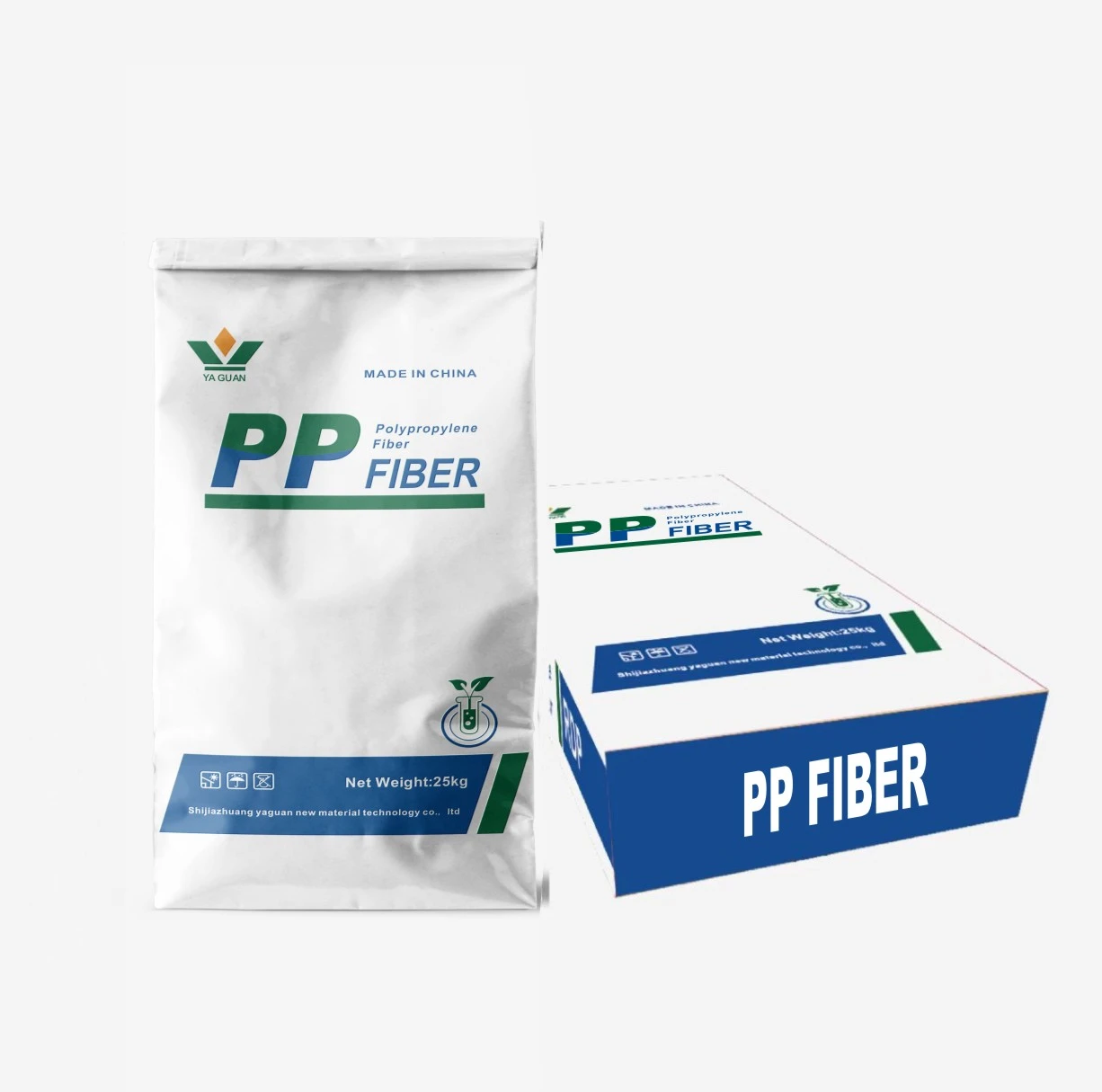

Understanding Dispersible Polymer Powders: A Global Necessity with Industrial and Humanitarian Benefits
Dispersible polymer powders might sound like a bit of a mouthful, but they’re quietly revolutionizing industries and addressing some of the world’s pressing needs. At their core, these powders offer a flexible, scalable way to enhance materials, especially in construction and manufacturing. Globally, as infrastructure demands escalate and sustainability becomes a must-have, grasping how dispersible polymer powders work unlocks both practical solutions and innovative pathways forward.
Why Dispersible Polymer Powders Matter in Today's Industry and Beyond
So, why the buzz? According to the United Nations, urbanization is accelerating rapidly, with nearly 68% of the world’s population expected to live in cities by 2050.1 This spurt, coupled with climate challenges and raw material constraints, puts pressure on manufacturers and engineers to innovate smarter, not just harder. Dispersible polymer powders fit right into this mold by boosting performance and sustainability metrics.
However, the challenge remains: how to make materials adaptable and cost-effective while maintaining durability and eco-friendliness? Dispersible polymer powders are increasingly the unsung heroes addressing these exact complications—improving everything from cement mixes to coatings in remote regions where traditional resources lag.
What Exactly Are Dispersible Polymer Powders?
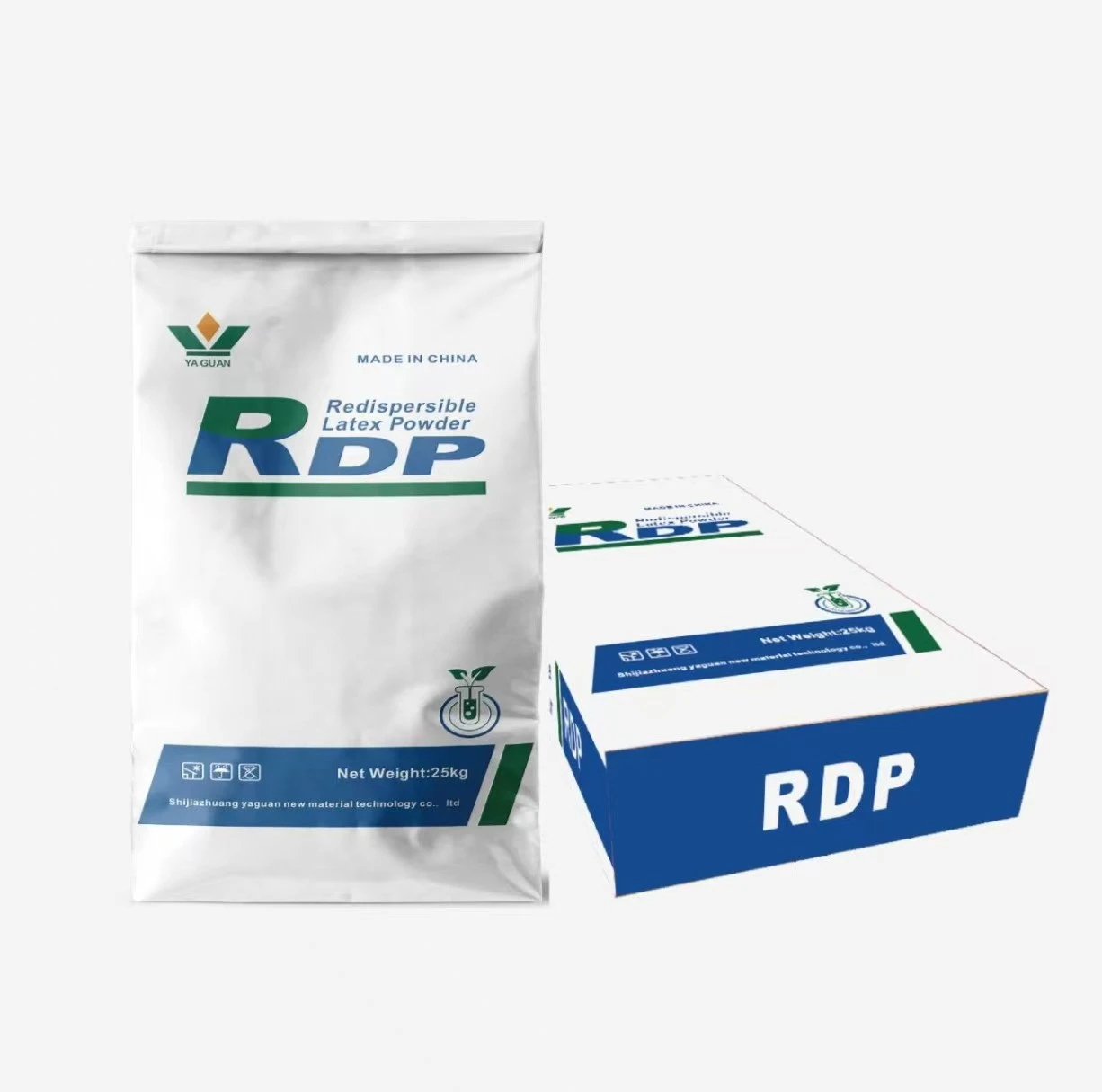
Simply put, dispersible polymer powders are fine, dry particles made from polymers designed to dissolve or disperse in water or other solvents. When added to construction materials like cement, mortar, or adhesives, they enhance the mixture’s workability, strength, and resistance to water. Think of them as the secret ingredient that allows a paste to become tougher, more flexible, and longer-lasting without complicating the mixing process.
These powders have found their way into modern industry and humanitarian efforts alike—helping build resilient homes in disaster-hit areas or providing durable materials in places where logistics make liquid additives impractical.
Key Properties Driving the Popularity of Dispersible Polymer Powders
1. Durability
Polymer powders improve flexural and adhesive strength, especially against mechanical stresses or weather-related wear. This means structures last longer, don’t crack prematurely, and maintain water resistance for years.
2. Scalability
Because powder forms are easier to transport and store than liquid equivalents, manufacturers and field engineers can scale projects quickly—even in hard-to-reach locations.
3. Cost Efficiency
Though initial costs can vary, the enhancements to lifespan and reduced repair frequency translate into clear savings. Plus, powders reduce shipping costs and spoilage risk compared to emulsions.
4. Environmental Impact
More recent formulations emphasize sustainability—lower VOC emissions, reduced waste, and compatibility with recycled materials have become notable features.
5. Versatility
They’re not just for construction. Dispersible polymer powders contribute to sealants, adhesives, paints, and even industrial coatings, highlighting their adaptability across sectors.
Mini takeaway: These powders are not just additives; they're game changers in performance, cost, and environmental profile.
Global Applications and Real-World Use Cases
The real magic? Seeing these powders at work worldwide. For example:
- Disaster relief in Southeast Asia: After typhoons, quick-setting, durable mortars enhanced with dispersible polymers help rebuild homes that are better resistant to future storms.
- Remote industrial zones in Africa: Where liquid polymers pose shipping challenges, powder forms arrive intact, ready to improve adhesives and coatings for mining infrastructure.
- Urban construction in Europe: Sustainable building codes increasingly favor polymer-modified materials for improved insulation and lifespan.
Organizations ranging from NGOs to multinational manufacturers are leveraging these powders—not just for performance but as part of larger strategies focused on resilience and sustainability.
Advantages and Long-Term Value Proposition
On a practical level, dispersible polymer powders help projects meet deadlines, reduce downtime from repairs, and extend product life cycles—saving money and resources. But there's also a softer side: using these materials means safer, more reliable structures for communities, adding dignity and trust to reconstruction efforts.
Thinking beyond the immediate, such innovations propel industry towards greener futures—less waste, fewer transportation emissions, and better resource efficiency. It feels like a neat convergence of smart chemistry and social responsibility.
Product Specification Table
| Specification | Typical Range | Notes |
|---|---|---|
| Particle Size (μm) | 10–50 | Fine powders for quick dispersion |
| Polymer Type | Acrylic / Styrene-Butadiene | Selected based on application |
| Water Content (%) | Low moisture for shelf stability | |
| pH Range | 7–9 | Neutral to mildly alkaline |
| Shelf Life | 12–24 months | Proper storage required |
Vendor Comparison: Choosing Your Dispersible Polymer Powder Supplier
| Vendor | Product Range | Global Reach | Sustainability Certifications | Customer Support |
|---|---|---|---|---|
| PolyPowder Inc. | Extensive (10+ types) | North America, Europe | ISO 14001, EcoLabel | 24/7 Technical Support |
| GreenPolymers Ltd. | Focused on eco-friendly options | Asia, Africa | Cradle to Cradle Certified | Regional Field Engineers |
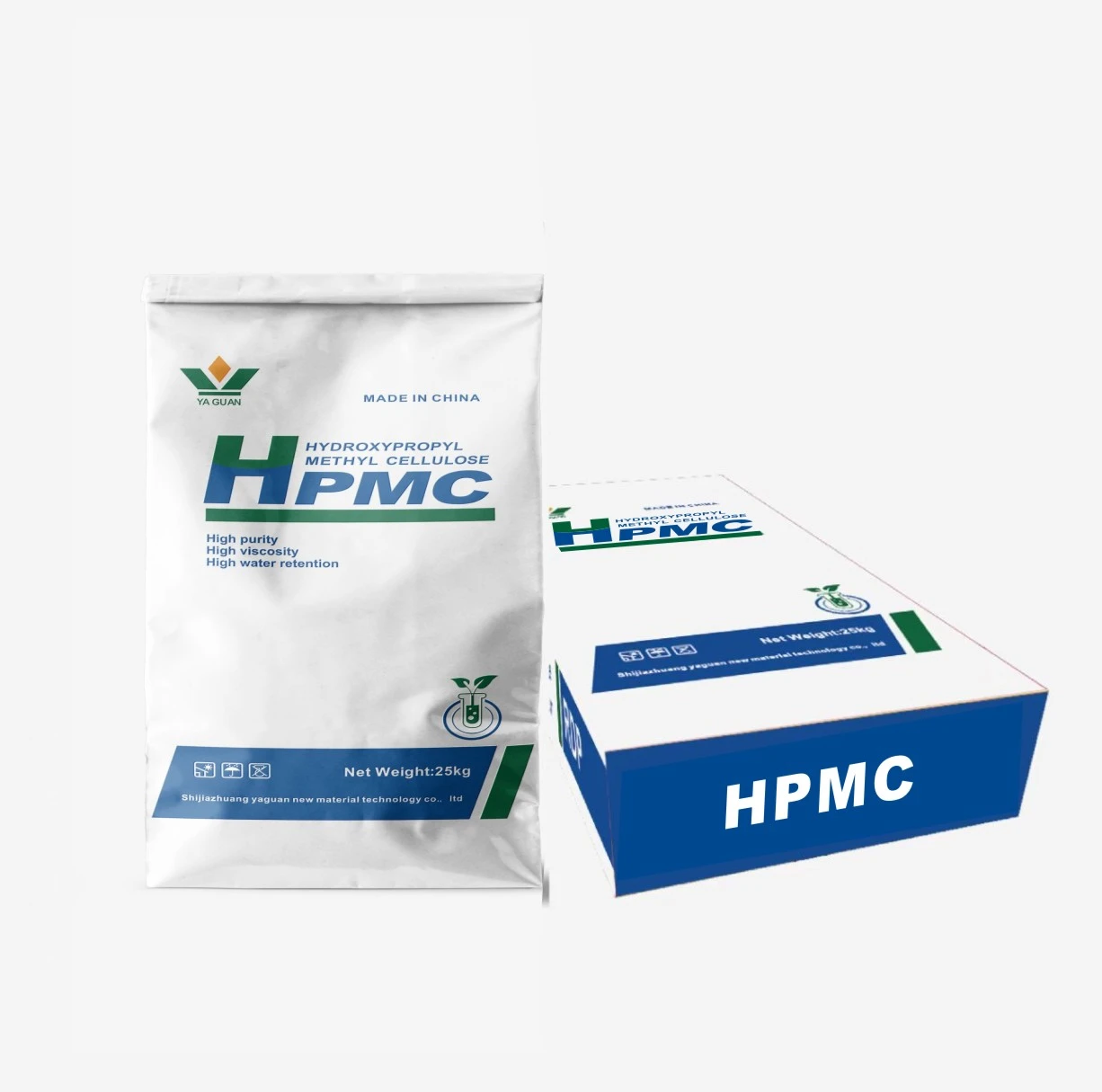
| Yaguan HPMC | Balanced portfolio, custom blends | Global (including remote sectors) | ISO 9001, Emission Standards | Dedicated R&D and Logistics |
Looking Ahead: Innovations and Trends in Dispersible Polymer Powders
Fast forward a few years, and the scene looks even more dynamic. Industry insiders talk about powders with enhanced bio-based polymers—breaking traditional fossil fuel dependence. Digital manufacturing methods, including 3D printing compatibility, are also on the horizon, opening up new applications for these powders.
On a regulatory angle, increased focus on reducing carbon footprints means stricter environmental guidelines, pushing manufacturers to refine their formulations. The intersection of automation for precise mixing and eco-conscious materials is not something to overlook—it's where the future’s headed.
Challenges and Smart Solutions in Using Dispersible Polymer Powders
Nothing comes without a hitch, of course. One challenge is ensuring consistent dispersion without clumping—especially in colder climates or with variable water quality. Some engineers tackle this by tweaking formulation particle sizes or adding small surfactant blends to aid dissolution. Others emphasize training onsite personnel to prepare mixes properly, which can honestly be the difference between success and a weak batch.
Another hurdle is balancing cost against performance, especially for large projects with tight budgets. Custom blends and sourcing local raw materials sometimes mitigate these pressures, though it takes patience and expertise.
FAQ: Common Questions About Dispersible Polymer Powders
Q1: How do dispersible polymer powders improve construction materials?
A1: They enhance workability, increase adhesion, and improve water resistance. Adding these powders to cement or mortar improves elasticity and durability, which reduces cracking and weather-related damage over time.
Q2: Can dispersible polymer powders be stored long-term?
A2: Yes, powders typically have a shelf life of 12–24 months when stored in dry, temperature-controlled environments. Low moisture content helps prevent degradation, making them convenient for staged projects.
Q3: Are these powders environmentally friendly?
A3: Modern formulations increasingly focus on sustainability. Many products reduce VOC emissions and can be combined with recycled materials, contributing to greener building practices.
Q4: How do I know which polymer type to choose for my project?
A4: It depends on your application. Acrylic-based powders suit durable outdoor coatings, while styrene-butadiene often fits flexible construction mixes. Consulting with a supplier can ensure you get the right match.
Q5: Is the powder form better than liquid polymers?
A5: Powder forms offer advantages in storage, transport, and shelf life, especially in remote areas. Liquids may provide easier instantaneous mixing but come with logistical and shelf stability downsides.
Conclusion: Why Dispersible Polymer Powders Continue to Shape Our Built Environment
At the end of the day, dispersible polymer powders are quietly powerful materials shaping safer, greener, and more resilient infrastructure all over the world. Their unique blend of practical advantages and evolving sustainability fits perfectly with both current demands and tomorrow’s ambitious plans. Whether you’re an engineer working on a new urban complex or an NGO rebuilding communities after a disaster, these powders offer a reliable toolkit for success.
Ready to explore high-quality options? Visit dispersible polymer powders to connect with leading industry experts and innovative products.
References:
1. United Nations, World Urbanization Prospects, 2018 Revision.
2. ISO 14001 Environmental Management.
3. Wikipedia, Polymer Dispersion link.