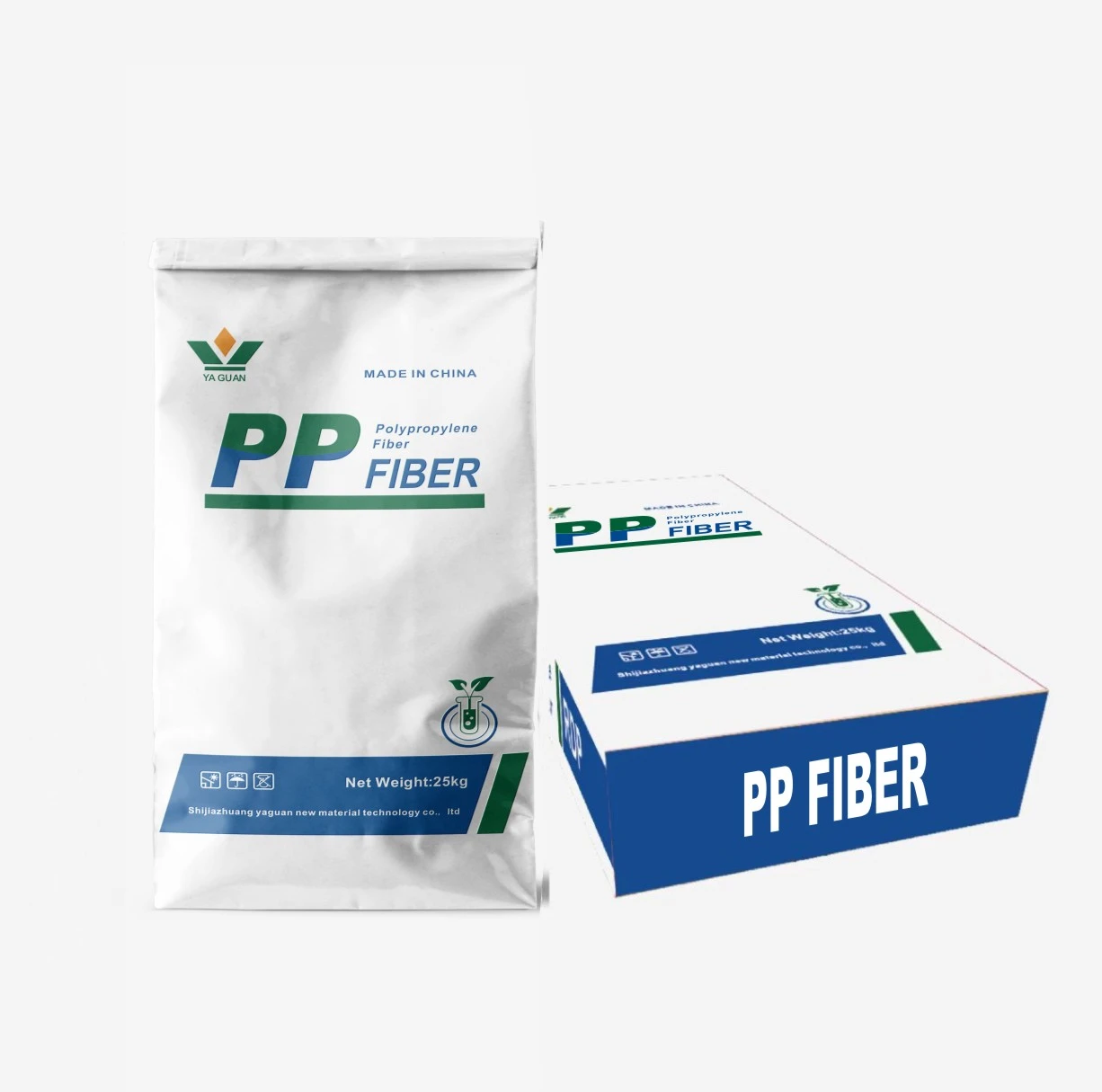

Understanding Redispersible Latex Powder: A Small Ingredient with Global Impact
At first glance, redispersible latex powder might sound like just another niche industrial chemical. But in reality, it's a quietly powerful player in construction and material science worldwide. Whether you're involved in building durable housing, renovating infrastructure, or even engaged in humanitarian relief, understanding what this powder does—and why it's becoming indispensable—opens the door to smarter, longer-lasting, and more sustainable material solutions.
A Global Glimpse: Why Redispersible Latex Powder Matters Today
Construction alone accounts for roughly 39% of global CO2 emissions, according to the United Nations Environment Programme (UNEP). Amid a growing population and urbanization trends, improving construction materials gains urgency every year. Redispersible latex powder is part of this puzzle: it optimizes cementitious mixes, improves flexibility, and enhances adhesion—all while boosting sustainability metrics.
For example, post-disaster relief agencies worldwide rely on versatile building materials that can withstand harsh conditions yet remain easy to transport and apply. According to the World Bank, resilient infrastructure investment is a cornerstone of economic recovery strategies. That’s where redispersible latex powder steps in—helping constructions adapt better to those stresses.
Mini takeaway: Redispersible latex powder isn’t just industrial jargon; it plays a quiet but critical role in global efforts to build smarter and greener.
What Exactly Is Redispersible Latex Powder?
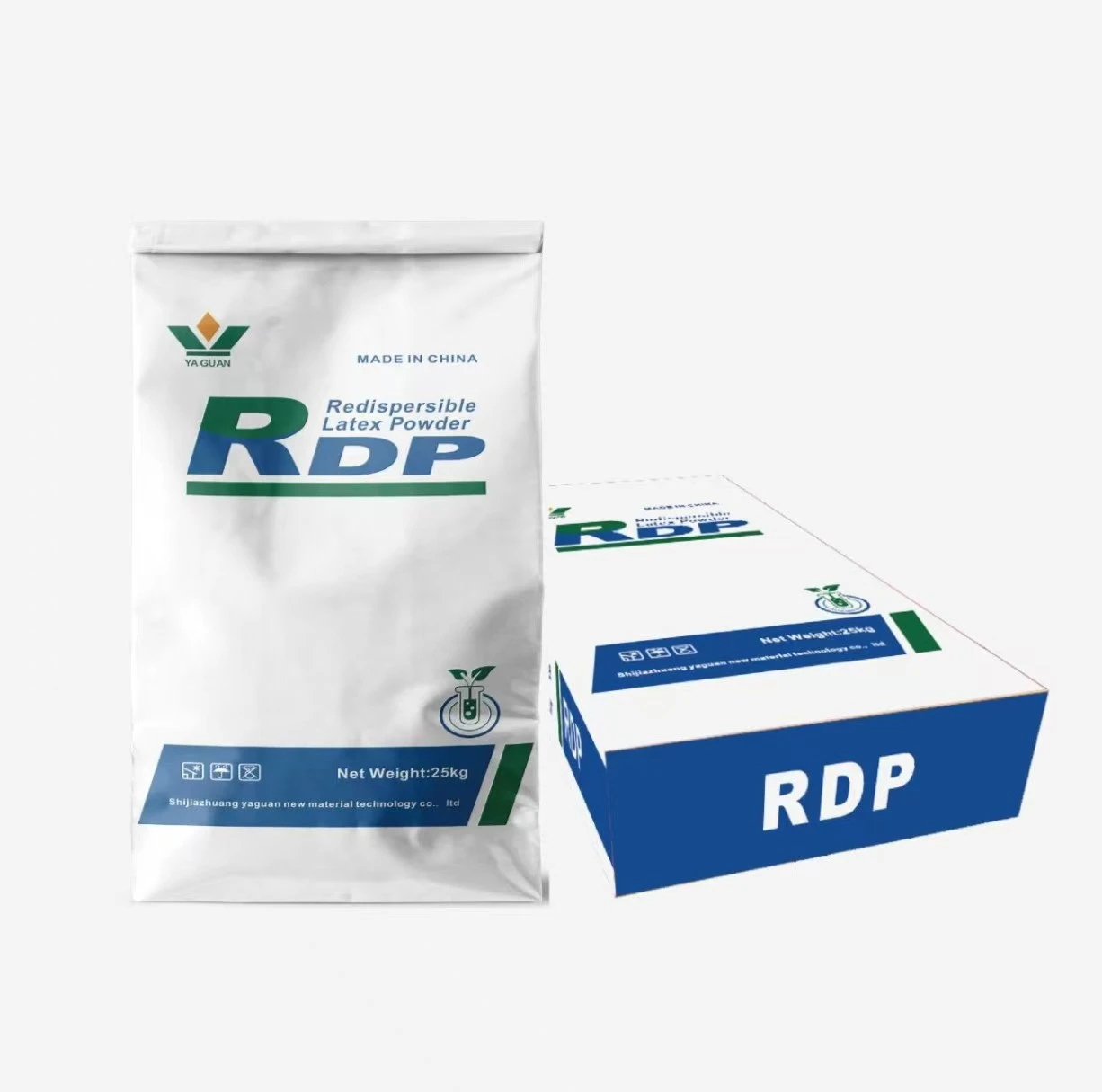
In simple terms, redispersible latex powder is a manufactured polymer powder derived from drying latex emulsions. When mixed with water in cement and mortar, it "redisperses" or rehydrates, forming a flexible polymer film that binds materials more effectively. This results in improved adhesion, tensile strength, and durability of the final product.
From a practical standpoint, think of it as a bridge—connecting mineral-based cement powders with flexible polymer technology, delivering a hybrid material capable of resisting cracking and moisture while maintaining workability.
Its use goes beyond routine construction, extending into specialized repair mortars, tile adhesives, and even coatings—areas critical not just for modern buildings but also for humanitarian housing solutions in resource-limited settings.
Core Factors that Define the Power of Redispersible Latex Powders
1. Adhesion Improvement
The polymer film formed after redispersion binds cement, sand, and other aggregates tighter than conventional mixtures. This stronger bond reduces peeling and delamination—especially crucial for tile setting and repairs on uneven substrates.
2. Flexibility and Crack Resistance
Standard cement-based mixes tend to be brittle. Adding redispersible latex powders introduces elasticity, allowing materials to flex without cracking under thermal expansion, vibrations, or structural settlement.
3. Water Resistance and Durability
By reducing porosity and enhancing cohesion, redispersible latex powders improve waterproofing, helping surfaces withstand moisture ingress and degradation over time.
4. Ease of Application and Storage
Powders offer longer shelf life than liquid latex emulsions and are simple to handle on-site. They mix easily with water at the point of use, minimizing waste and simplifying logistics—especially important in remote or recovery zone deployments.
Mini takeaway:
This powder is much like a multitasking assistant on-site, enhancing strength, flexibility, and longevity while being user-friendly and adaptable.
Global Applications and Industries Benefiting from Redispersible Latex Powder
Its versatility means redispersible latex powder is entrenched in several industries and regions:
- Construction in Urban Development: Major Asian and European markets use it extensively in tile adhesives and repair mortars.
- Post-disaster Relief Housing: NGOs in Southeast Asia and Africa rely on modified mortars incorporating this powder to build quickly deployable, durable structures.
- Industrial Infrastructure: Chemical plants and oil refineries employ coatings enhanced with polymers for better resistance under aggressive conditions.
- DIY and Renovation: Home improvement retailers worldwide market redispersible latex powder-based products, acknowledging demand for better adhesion and flexibility.
Product Specification Table: Typical Redispersible Latex Powder Characteristics
| Characteristic | Typical Value | Unit |
|---|---|---|
| Polymer Type | Vinyl Acetate Ethylene (VAE) | |
| Drying Loss (Moisture Content) | ≤3 | % |
| Bulk Density | 450-550 | kg/m3 |
| pH Value | 6–8 | |
| Redispersion Time | ≤5 | minutes |
Comparing Leading Manufacturers of Redispersible Latex Powder
| Vendor | Product Grade | Key Applications | European ISO Certification | Availability |
|---|---|---|---|---|
| Yaguan Chemical | VAE 615 | Tile adhesives, repair mortars, waterproofing | ISO 13007 | Global Distributor |
| BASF | Styrofan® RDP | Construction adhesives, sealants | ISO 14001 | Worldwide |
| DOW Chemical | DOW Latex RDP 1000 | Mortars, coatings, plaster modifications | ISO 9001 | Global |
The Long-Term Value and Real Advantages of Redispersible Latex Powder
There's a satisfying logic to investing in building materials that can both protect your investment and cut future repair costs. Redispersible latex powder enhances adhesion, so tiles don’t pop loose unexpectedly. Its flexibility helps slabs manage temperature fluctuations better, reducing unsightly cracks and leaks. From a sustainability angle, more durable constructions mean fewer resources wasted on repairs—good news for anyone worried about environmental stewardship.
On a social level, improved waterproofing affects not just comfort but health. Buildings that manage humidity help prevent mold growth. In humanitarian contexts, that means safer shelters and a better quality of life, which frankly can’t be overstated. Engineers, contractors, and project managers all speak about the “trust factor” that comes from using these modified materials—they just know the work will hold up better.
Emerging Trends and Innovations in Redispersible Latex Powder
Innovation never slows in polymers. These days, manufacturers are developing bio-based latex powders to reduce carbon footprints, aligning with global net-zero goals. Digital formulation tools are enabling highly customizable powders tailored for specific project needs, improving performance metrics beyond the one-size-fits-all approach.
Additionally, coupling these powders with nanotechnology additives is on the horizon—possibly opening doors for even more water resistance and self-healing concrete that slows aging. Automation in mixing and application is also evolving, allowing just-in-time material preparation that minimizes waste and maximizes quality.
Acknowledging Challenges and Offering Solutions
Of course, no material is perfect. One common challenge is ensuring homogenous dispersion of the powder when mixing—clumping can happen if operators aren’t precise. Moisture sensitivity during storage can also degrade quality. However, advanced packaging, clear mixing protocols, and user training programs are steadily addressing these issues.
On the regulatory front, consistency of polymer grades across suppliers can be a concern; transparent testing and certification standards help buyers mitigate risks. Partnering with reputable suppliers like Yaguan Chemical can streamline quality control since they provide certified batches adhering to global norms.
FAQ: Common Questions About Redispersible Latex Powder
- Q1: How does redispersible latex powder improve tile adhesive performance?
- A1: When added to tile adhesives, the powder forms a flexible polymer film upon rehydration. This enhances the adhesive’s bond strength and elasticity, preventing tiles from cracking or detaching, especially in areas subject to vibrations or temperature changes.
- Q2: Is redispersible latex powder suitable for outdoor repair mortars?
- A2: Absolutely. It improves water resistance and flexibility, making repair mortars more durable against weather stresses like rain, freeze-thaw cycles, and UV exposure. Many industries use it for infrastructure repairs in harsh environments.
- Q3: Can I store redispersible latex powder for long periods?
- A3: Yes, one of its advantages over liquid latex is better shelf life if stored in a cool, dry place, sealed properly. Moisture and humidity can degrade the powder, so proper storage is key.
- Q4: Are there eco-friendly options available in redispersible latex powders?
- A4: Emerging products derived from bio-based polymers help reduce environmental impact. They perform comparably to conventional powders while aligning better with sustainability goals.
In Conclusion: The Promise of Redispersible Latex Powder
Redispersible latex powder may seem like a small ingredient, but its influence on construction material quality, sustainability, and resilience can’t be underestimated. Its capacity to improve adhesion, flexibility, and water resistance makes it a quiet hero in buildings worldwide.
If your project or operations could benefit from adopting these advanced powders—whether for new construction, repairs, or humanitarian shelter—learning more and sourcing quality products is a solid next step. Visit our website for detailed product info and expert advice.