
What Is Redispersible Emulsion Powder and Why Does It Matter Globally?
At first glance, “redispersible emulsion powder” might sound like jargon only a chemist would appreciate. Yet, its impact stretches far beyond the lab — it’s quietly shaping industries worldwide, from construction to humanitarian aid. In simple terms, this powder is the dry form of an emulsion used to improve bonding and flexibility in cementitious products. When mixed with water, it “redisperses” back into its emulsion form, providing additives that enhance adhesion, water retention, and durability.
Why care about it? Well, greater construction efficiency, sustainability, and the robustness of emergency shelters often hinge on materials like this. Understanding redispersible emulsion powder is key to grasping how industries innovate to meet challenges in building resilient infrastructures under diverse conditions globally.
Redispersible Emulsion Powder in the Global Context
Construction is estimated to contribute roughly 13% of global GDP, according to the World Bank. With urbanization accelerating worldwide — particularly in Asia and Africa — the demand for efficient, reliable building materials is surging. At the same time, climate change and natural disasters have underscored the necessity for durable, quick-deploy building solutions.
Redispersible emulsion powder helps tackle these challenges head-on. Manufactured by spray-drying polymer emulsions, this powder allows better handling, transport, and longer shelf lives than traditional liquid emulsions. For countries facing disrupted supply chains or extreme weather events, the powder ensures construction additives remain stable and effective.
Oddly enough, its role in humanitarian aid is just as crucial. Take post-disaster relief operations: rapidly erecting reliable shelters depends on versatile materials that perform in unpredictable environments. There’s a growing need for products that marry convenience with performance — redispersible emulsion powders do just that.
So, What Exactly is Redispersible Emulsion Powder?
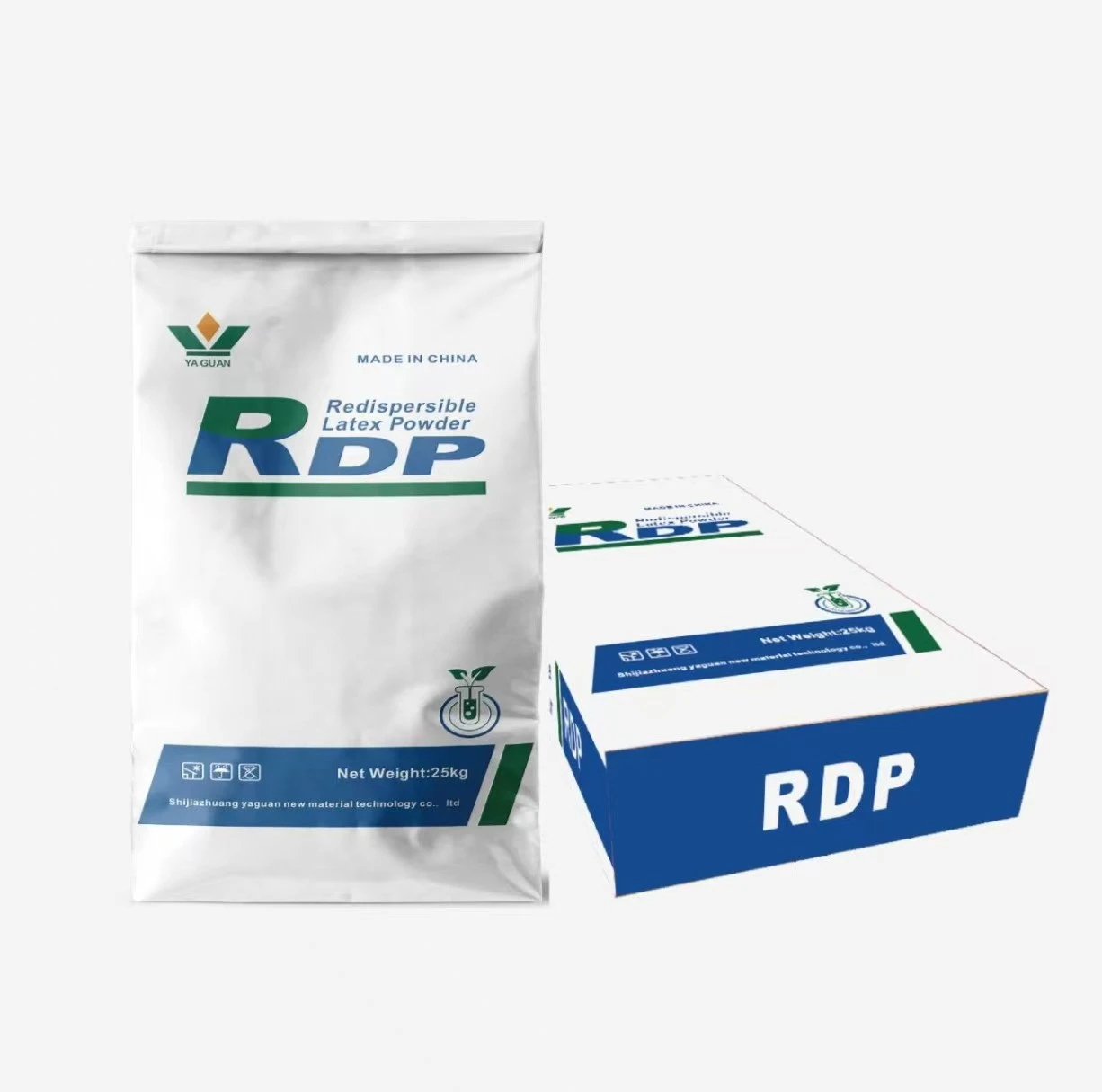
Let's put it plainly: redispersible emulsion powder (RDP) is a dried polymer in powder form obtained by spray-drying an aqueous polymer emulsion. Once you mix it with water again, it turns back into a polymer dispersion, ready to work its magic.
Its primary role is to enhance cement, mortar, and plaster products by improving:
- Adhesion to various substrates
- Flexibility (reducing crack formation)
- Water retention, allowing better curing
This material is indispensable where dry-mix mortars require longer pot life, better workability, or improved final strength. It's used both in industrial building projects and efforts aiming at quick, durable shelter construction.
Key Components and Properties of Redispersible Emulsion Powders
1. Polymer Type and Composition
Most RDPs are based on vinyl acetate ethylene (VAE), ethylene vinyl acetate (EVA), or styrene butadiene (SB). These polymers determine flexibility and bonding characteristics. The exact formulation tweaks the powder’s behavior once rehydrated, affecting adhesion and elasticity — vital for applications like tile adhesives and repair mortars.
2. Particle Size and Spray Drying Quality
Particle size typically ranges from 50 to 200 microns. Small, uniform particles ensure easy dispersion in water and consistent performance. The spray-drying technology influences shelf life and dust generation — important when working on-site or shipping to remote areas.
3. Water Retention
Materials with good water retention keep mortar from drying too fast in hot or windy climates. This improves curing and mechanical strength. Redispersible powders aid this by creating a film that slows water evaporation.
4. Bonding and Adhesion Enhancement
By forming a flexible polymer network within cementitious mixtures, RDP enhances adherence to substrates like concrete, ceramics, and metal. This is why it’s a favorite for tile adhesives and render systems.
5. Compatibility with Other Additives
RDP powders work well alongside other additives such as plasticizers or accelerators, making them versatile for many formulations.
Mini takeaway: The interplay of polymer type, particle size, and water retention makes redispersible emulsion powders tailored to a wide range of demanding construction needs, especially where durability and flexibility really matter.
Worldwide Applications of Redispersible Emulsion Powders
This isn’t just a material used in high-tech labs — it finds concrete applications globally.
- Asia & Rapid Urbanizing Areas: With booming construction in countries like China and India, RDPs boost the quality and lifespan of facade coatings and tile adhesives in sprawling urban projects.
- Africa & Remote Industrial Zones: Here, transportation challenges favor powders over liquid emulsions because they’re lighter, less sensitive to temperature, and easier to store.
- Post-Disaster Relief: NGOs use dry-mix mortars containing RDPs for rapid shelter building in earthquake or flood zones, ensuring lasting stability and safety.
- European Remodeling: In renovations, where old structures require flexible, crack-resistant adhesives, RDP boosts performance while limiting environmental footprint.
Interestingly, organizations like the UNHCR often specify materials enhanced with redispersible emulsion powders in emergency shelter kits due to their proven reliability under harsh conditions.
Advantages and Long-Term Value
The advantages aren’t just technical — they touch economic, environmental, and social chords:
- Cost Efficiency: Enhanced bonding reduces material waste and repair frequency, cutting costs.
- Sustainability: Longer-lasting materials equate to less frequent rebuilds, reducing resource consumption.
- Safety and Comfort: Improved flexibility minimizes cracking, contributing to structural safety and occupant comfort.
- Ease of Use: Powder form simplifies logistics and storage, especially important in remote or emergency contexts.
From a human perspective, the technology offers dignity and resilience, literally building better futures where resources are scarce or conditions tough.
Future Trends & Innovations
Technology doesn’t stand still, and neither does the world of redispersible emulsion powders. Some exciting developments include:
- Bio-based Polymers: Moving toward renewable raw materials to lower carbon footprints.
- Nanotechnology: Enhancing polymer dispersion at the microscopic level to improve strength while reducing polymer usage.
- Digital Formulations: Using AI to optimize powder blends for specific climates or applications, improving cost and performance balance.
- Green Building Standards: Increasing regulations drive RDP producers to innovate for better recyclability and non-toxic profiles.
Automation in production and quality control is also making these powders more customizable and consistent, which is a neat bit of progress.
Challenges & Solutions
Of course, no material is perfect. Some limitations include:
- Dust Hazards: Fine powder can cause inhalation risks on site without proper PPE.
- Storage Conditions: Moisture ingress can degrade powder quality if sealed poorly.
- Compatibility Issues: Some formulations can clash with specialty cement additives.
Experts suggest mixing powders under controlled conditions and using sealed packaging with desiccants to minimize these issues. Meanwhile, ongoing R&D aims to create dust-reduced formulations and improved moisture resistance, so it’s not an unsolvable puzzle.
Product Specification Table: Typical Redispersible Emulsion Powder
| Property | Typical Range | Unit | Notes |
|---|---|---|---|
| Polymer Type | VAE, EVA, or SB | - | Varies by application |
| Particle Size (d50) | 50 - 200 | microns | Controls dispersion |
| Water Absorption | 35 - 45 | % (w/w) | Influences curing |
| Bulk Density | 400 - 600 | kg/m³ | Affects transport cost |
| Shelf Life | 12 - 24 | months | Stored sealed, dry |
Vendor Comparison: Leading Redispersible Emulsion Powder Suppliers
| Vendor | Polymer Type Options | Typical Packaging | Global Presence | R&D Capacity |
|---|---|---|---|---|
| Yaguan Chemical | VAE, EVA, SB | 25 kg bags, 500 kg bulk | Asia, Africa, Europe | Strong — new eco polymers |
| PolyPowder Inc. | EVA, SB | 20 kg bags | North America, Europe | Moderate — pilot scale bio |
| BuildChem Solutions | VAE, specialty blends | 10-25 kg bags | Europe, Asia | High—custom formulation |
Frequently Asked Questions About Redispersible Emulsion Powder
Q1: What types of projects benefit most from redispersible emulsion powder?
A1: Projects needing improved adhesion, flexibility, and water retention in cementitious applications benefit greatly. This includes tile adhesives, repair mortars, plaster, and external insulation systems. It’s especially valuable for fast-setting or flexible construction needs.
Q2: How should redispersible emulsion powder be stored to maintain quality?
A2: Store in a cool, dry place, ideally in sealed packaging to prevent moisture exposure and dust contamination. Proper storage extends shelf life, typically ranging from one to two years.
Q3: Can redispersible emulsion powders improve sustainability in building materials?
A3: Yes, by enhancing durability and reducing waste. Less frequent repairs and longer-lasting materials lead to lower environmental impact over a building’s lifecycle.
Q4: Are there health concerns when handling redispersible emulsion powders?
A4: The fine powder can be an inhalation risk. It’s recommended to use appropriate personal protective equipment (PPE) such as masks and gloves, especially during mixing.
Q5: Can redispersible emulsion powder be customized for specific climates or applications?
A5: Absolutely. Suppliers often tailor polymer types and additives to optimize performance for humidity, temperature, or specific substrate compatibility.
Wrapping Up
Redispersible emulsion powders might fly under the radar for many, but their effect resonates loudly across industries — boosting efficiency, sustainability, and resilience in building projects worldwide. Whether it’s a skyscraper in Shanghai, a tile installation in Lisbon, or a post-disaster shelter in Bangladesh, these powders are part of an evolving story of smarter materials for better lives.
If you want to explore top-quality redispersible emulsion powder options and see how they could fit your needs, check out Yaguan Chemical’s product range. There’s real innovation happening here.