
Exploring Redispersible Powder: What It Is and Why It Matters Globally
At first glance, "redispersible powder" might sound like a fancy chemical term best left to lab coats and factory workstations. But it’s actually a linchpin behind some of the modern industry's most essential materials. From construction to humanitarian relief, understanding redispersible powders unlocks key benefits like enhanced durability, cost-efficiency, and sustainable practices. Globally, these powders help make cement mortars stronger, adhesives more reliable, and repair products longer-lasting. In short, they quietly support infrastructure development and emergency solutions alike.
Whether you’re involved in construction, material science, or supply chain management, redispersible powders have become worth paying attention to — not just as “ingredients,” but as game-changers for quality and resilience.
The Worldwide Context: Why Redispersible Powder Deserves Your Attention
Global construction demand is soaring, especially in emerging economies where urban growth is rapid. According to the World Bank, the global construction market is expected to reach $15 trillion by 2030, driven by infrastructure needs and population shifts (1). Simultaneously, natural disasters have heightened the need for reliable building materials that can be deployed quickly in challenging conditions.
Here’s where redispersible powders step in. These additives improve the workability and bonding strength of dry mixes, enabling builders and NGOs to create structures that stand up to weather, time, and stress. The UN Habitat program highlights quality materials as a foundational pillar in resilient urban development (2). Yet, many regions face challenges with supply chains and material standardization, which redispersible powders help mitigate by enhancing performance even with less-than-ideal base materials.
Defining Redispersible Powder: Simply Put
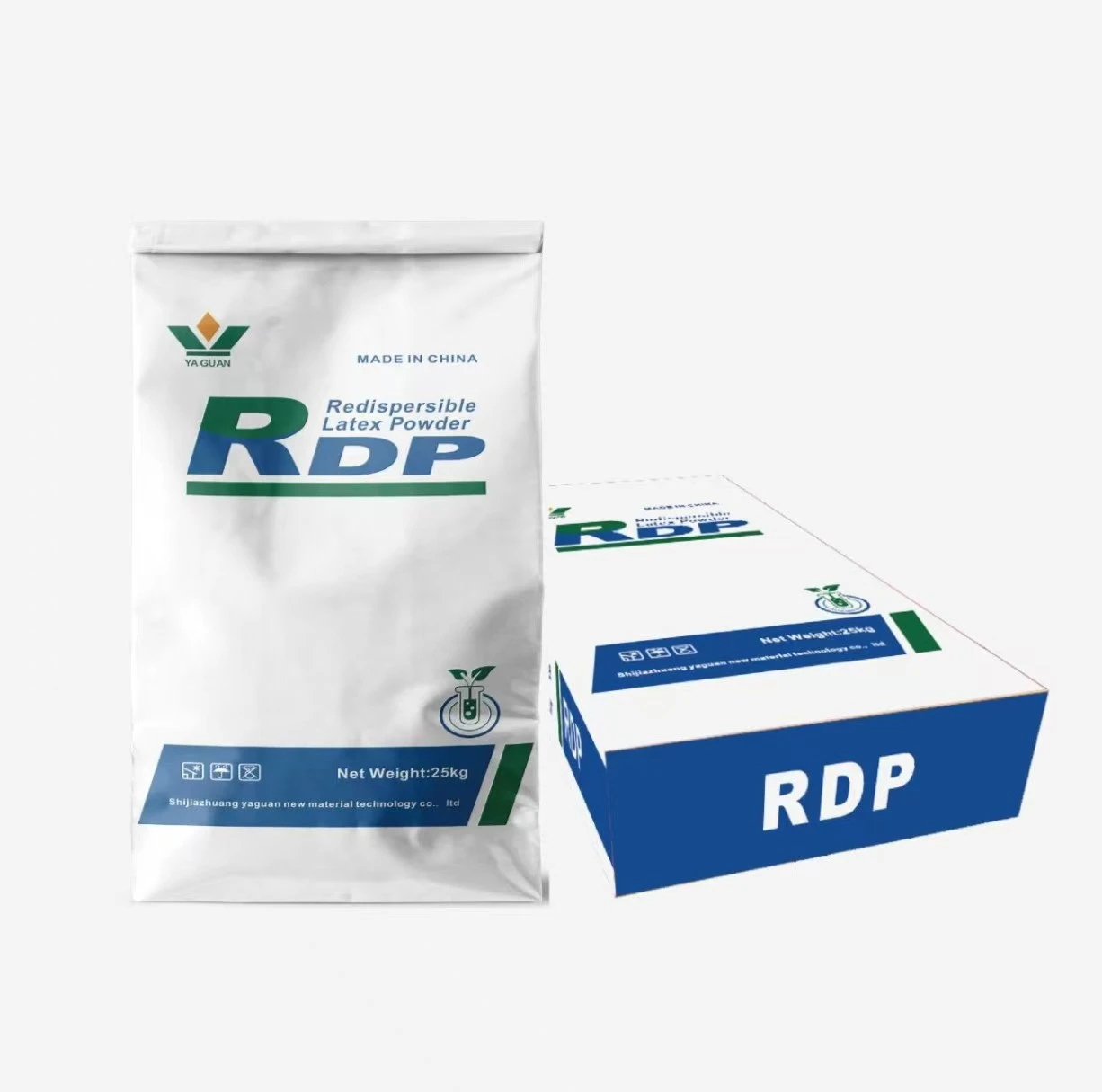
So, what exactly is redispersible powder? In essence, it’s a finely milled polymer powder designed to dissolve (or redisperse) easily when mixed with water. This polysynthetic powder acts like a glue when added to dry mortars, plasters, or adhesives, improving properties like elasticity, adhesion, and water retention.
Imagine you have a dry mixture for wall plaster. Add redispersible powder, stir up with water, and suddenly that plaster is more flexible and less prone to cracking once it dries. This simple yet transformative concept powers countless modern building and repair products.
Key Characteristics Behind Redispersible Powder Performance
1. Elasticity and Flexibility
Many engineers swear by redispersible powders for enhancing elasticity in cementitious products. This is crucial because building materials naturally shrink and expand with temperature and moisture changes. The polymer powder helps absorb these tensions, preventing cracks and improving lifespan.
2. Adhesion Improvement
Without strong adhesion, you risk delamination and material failure. Redispersible powders improve the bond between cement and aggregates, or tiles and substrates, making everything stick better. It’s the difference between a tile that remains flat for decades and one that falls off after a rainy season.
3. Enhanced Water Retention
Dry mix products must retain enough moisture for curing. The powder modifies how water interacts with the mixture, promoting even hydration. This helps prevent rapid drying that can weaken the final product structurally.
4. Compatibility and Versatility
Polymer powder works with various dry mix bases — cement, lime, gypsum — making it adaptable for multiple uses. This flexibility makes it valuable in different environments, from tropical climates to alpine settings.
5. Durability Boost
Overall, materials fortified with redispersible powders show longer service life and better resistance to freeze-thaw cycles, chemical attack, and mechanical wear.
Mini takeaway: Redispersible powders are like the secret sauce that turns ordinary dry mixes into resilient, trustworthy construction components by enhancing flexibility, adhesion, and moisture management.
Real-World Uses: Where Redispersible Powder Makes a Difference
Its applications stretch far and wide across continents and industries:
- Post-disaster reconstruction: In earthquake-hit regions, fast-curing mortars containing redispersible powder provide reliable repairs that don’t crumble under stress.
- Tile adhesives for urban buildings: European and Asian construction sectors rely heavily on polymer-modified adhesives for their superior grip and longevity.
- Industrial flooring: Facilities with heavy machinery favor redispersible powders in their repair compounds to prevent cracks and maintain smooth surfaces.
- Waterproofing plasters: Coastal infrastructure uses these powders to resist saltwater damage and maintain integrity over years.
For NGOs, these powders ensure that emergency shelter materials meet durability standards despite sometimes questionable base materials or rushed timelines, which can be a lifesaver in crisis zones.
Advantages and Long-Term Value of Redispersible Powders
From a practical standpoint, redispersible powders reduce maintenance costs and extend the lifespan of concrete and mortar products — which translates into major savings over time. But the value doesn’t stop at economics. There’s a sustainability angle here too: longer-lasting materials mean fewer rebuilds, less waste, and a smaller carbon footprint, aligning with green construction goals (3).
On an emotional level, think of the peace of mind builders, architects, and homeowners get knowing their projects can ‘breathe’ and flex without cracking apart. That sense of security can’t be underestimated, especially in areas prone to seismic activity or harsh weather.
Looking Forward: Innovations Influencing Redispersible Powder Use
Technology isn’t standing still. Today’s research focuses on combining redispersible powders with bio-based polymers to reduce dependency on petrochemicals. In parallel, advances in nano-additives aim to further boost water resistance and mechanical strength without compromising flexibility.
Also on the radar: digital dosing systems connected to IoT devices that accurately mix these powders in the field, reducing waste and improving quality control. In other words, the entire supply and application chain is zooming toward more precise, sustainable, and automated processes.
Challenges and How Industry Leaders Are Overcoming Them
Of course, redispersible powders aren’t a fix-all. Their effectiveness depends heavily on proper formulation and handling. For example, incorrect mixing ratios can reduce performance or cause application issues. Moreover, uniform global standards remain somewhat fragmented, creating challenges in international supply chains.
Experts advocate for better training programs on-site and investment in quality assurance labs. Innovative packaging to extend shelf life and simplify measurement on remote locations is also gaining traction. Manufacturers collaborating with end-users to develop tailored formulations is another promising trend tackling these challenges.
FAQ: Common Questions About Redispersible Powder
- What exactly happens when redispersible powder is mixed with dry mortar?
- Once mixed with water, the powder dissociates into a polymer dispersion that coats cement and aggregate particles, improving adhesion, flexibility, and water retention — all critical for durability.
- Is redispersible powder safe for environmentally sensitive projects?
- Generally, yes. Most powders comply with environmental regulations and many new developments focus on bio-based and low-VOC polymers to minimize impact further.
- Can these powders help in rapid repair of infrastructure?
- Absolutely. They improve the setting characteristics and mechanical strength of repair mortars, making them ideal for urgent road or bridge patching.
- Are all redispersible powders the same, or do they vary by manufacturer?
- They do vary — differences in polymer types, particle size, and additives influence performance. Choosing a reputable manufacturer with quality certification is essential.
- How long does redispersible powder remain effective in storage?
- When stored properly (dry, sealed, cool environment), most powders retain their properties for at least 12 months. Exposure to humidity can reduce shelf life significantly.
Technical Snapshot: Specifications of a Typical Redispersible Powder Product
| Property | Typical Value | Unit |
|---|---|---|
| Polymer Type | Vinyl Acetate-Ethylene (VAE) | |
| Particle Size | μm | |
| Minimum Redispersion Rate | 98 | % |
| Bulk Density | 350 - 450 | kg/m³ |
| pH Value (5% in water) | 4.0 - 6.0 |
Comparing Leading Redispersible Powder Vendors
| Supplier | Polymer Types Offered | Typical Applications | Global Reach | Certifications |
|---|---|---|---|---|
| Company A | VAE, EVA, Acrylic | Tile adhesives, joint fillers, repair mortars | North America, Europe, Asia | ISO 9001, REACH |
| Company B | VAE, Acrylic | Waterproofing, tile adhesives | Europe, Middle East, Africa | ISO 14001, OHSAS |
| Company C | EVA, Acrylic, Bio-polymers (new) | Repair mortars, industrial flooring | Asia Pacific, Americas | ISO 9001, LEED |
Wrapping Up: Why Redispersible Powder Is Worth Your Investment
Frankly, I've seen many materials come and go as “innovations,” but redispersible powder’s staying power is something else. Its quiet influence behind stronger, more resilient mortars and adhesives empowers builders and relief workers on every continent. It’s not just about chemistry — it’s about trust, safety, and efficiency on the ground where it matters most.
If you want to explore quality redispersible powders or understand how they can elevate your project, don’t hesitate to visit our website. There’s a world of options waiting that can tailor to your exact needs.
Mini takeaway: Whether building a skyscraper in a megacity or patching a road after a flood, redispersible powders quietly ensure your material holds fast — it’s the blend of science and practicality that engineers and architects rely on.
References
- World Bank Construction Industry Report, 2023
- UN Habitat: Urban Resilience Framework, 2022
- ISO 14001 Environmental Management Standards, ISO.org