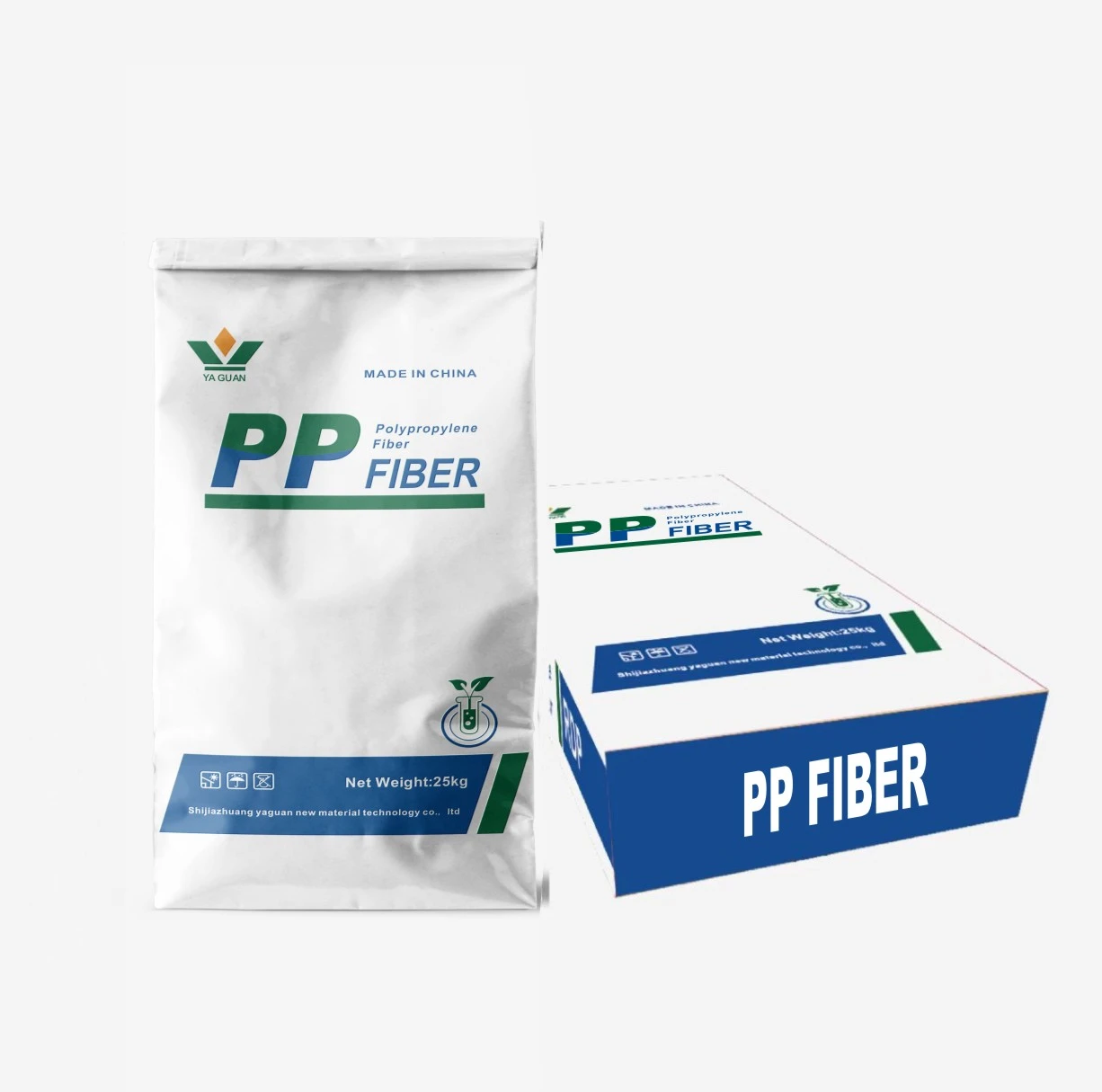

Understanding PP Fiber Concrete: The Future of Durable Construction
If you’ve ever wondered how modern construction materials are evolving, pp fiber concrete is a fascinating place to start. It’s not just another fancy term; this composite material is quietly revolutionizing the way buildings and infrastructure resist cracking, hold up under stress, and last longer. And that matters, whether you’re rebuilding after a disaster or constructing highways in harsh climates. Let’s unpack why this innovation feels so relevant globally and what benefits it brings to the table — quite literally for engineers, architects, and even humanitarian organizations.
Global Context: Why PP Fiber Reinforced Concrete Matters More Than Ever
Across the globe, infrastructure faces a double whammy: increasing demand for durability alongside growing concern about carbon footprints and sustainability. The World Bank recently highlighted that nearly 70% of infrastructure investments worldwide focus on improving resilience, especially in climate-vulnerable regions. Here’s where pp fiber concrete enters the scene—by enhancing concrete’s durability while potentially reducing the amount of steel reinforcement needed.
Traditional concrete, while strong, tends to develop micro-cracks over time due to temperature changes, loads, or settling. Enter polypropylene (PP) fibers — tiny synthetic strands mixed into concrete to significantly reduce cracking and improve structural integrity. This simple change addresses a global construction challenge: building affordable yet robust structures that stand the test of time under increasingly unpredictable conditions.
Oddly enough, the benefits aren’t limited to infrastructure. Humanitarian agencies rely on faster, safer building materials for shelters in disaster-prone zones, and industries abroad use fiber-reinforced concrete for everything from tunnels to industrial floors.
Quick takeaway:
- PP fiber concrete responds to growing global needs for durability and sustainability.
- It offers a way to make concrete more crack-resistant and longer-lasting.
Defining PP Fiber Concrete in Simple Terms
So, what exactly is pp fiber concrete? Think of it as plain concrete with a sprinkle of tiny plastic fibers—polypropylene fibers, to be exact—mixed right in before it cures. These fibers act like a microscopic safety net inside the concrete matrix. They don’t replace steel reinforcement but work alongside it to prevent micro-cracking and improve impact resistance.
In real terms, the polypropylene fibers are typically a few millimeters long and measure in microns in diameter, uniformly dispersed throughout the concrete mix. The result: less cracking from shrinkage, better load distribution, and tougher surfaces. It’s a somewhat elegant solution rooted in materials science yet incredibly practical for construction and humanitarian needs.
Mini summary:
- PP fiber concrete = concrete + polypropylene fibers mixed in.
- Fibers reduce micro-cracks, enhance durability without heavy cost or complexity.
Key Features Driving the Effectiveness of PP Fiber Concrete
1. Durability and Crack Resistance
PP fibers interrupt crack formation at the microscopic level, especially during the early hardening phase when concrete is most vulnerable. This reduces the risk of leaks, spalling, and deterioration over time, particularly in freeze-thaw environments.
2. Cost Efficiency and Reduced Steel Usage
Interestingly, many engineers note that incorporating pp fibers can reduce the need for traditional steel reinforcement or surface treatments, lowering overall project costs. Plus, fibers don’t corrode like steel, mitigating maintenance expenses.
3. Lightweight and Easy Handling
Polypropylene fibers don’t add significant weight to the concrete mix. This makes transportation and handling roughly the same effort as standard concrete—always a plus on busy job sites.
4. Fire Resistance
Although pp fibers melt at high temperatures, their presence can help reduce explosive spalling during fires by providing tiny pathways for steam to escape. That’s a subtle benefit that might not be headline news but is a safety factor in tunnels and industrial structures.
5. Compatibility and Versatility
These fibers can be used in a wide variety of applications: from precast panels to domestic concrete floors, industrial overlays, and even pavement slabs.
Summary:
- PP fibers boost durability, reduce costs, and improve safety.
- They are lightweight, versatile, and beneficial for many industry sectors.
PP Fiber Concrete Around the World: Where and How It’s Used
From the industrial heartlands of Germany to remote construction sites in Africa, pp fiber concrete finds applications everywhere. For instance, in the Middle East, rapid urbanization has increased demand for fast-curing, crack-resistant concrete mixes for highways and airports. Meanwhile, humanitarian groups in Southeast Asia have adopted pp fiber concrete formulations to build safer shelters resistant to monsoon flooding and seismic activity.
Oddly enough, even cold climate regions use it for roads and runways — trying to minimize freeze-thaw micro-cracking. And in mining, industrial floors reinforced with fibers stand up better under heavy, irregular loads.
PP Fiber Concrete Product Specification Table
| Specification | Typical Range | Units |
|---|---|---|
| Fiber Length | 6–12 | mm |
| Fiber Diameter | 18–45 | µm |
| Dosage (Concrete Mix) | 0.1–1.0 | % by volume |
| Tensile Strength of Fibers | 300–400 | MPa |
| Impact Resistance Increase | Up to 20% | Relative |
| Fire Spalling Delay | 15–30 | minutes |
Comparing Leading Vendors of PP Fiber Concrete Solutions
| Vendor | Fiber Types Offered | Typical Dosage Range | Notable Application Sector |
|---|---|---|---|
| FiberTech Inc. | Monofilament, Fibrillated | 0.1–0.5% | Commercial Construction |
| PolyMix Solutions | Fibrillated only | 0.15–1.0% | Infrastructure & Roads |
| BuildSmart Fibers | Monofilament only | 0.2–0.4% | Industrial Flooring |
| EcoConcrete Fibers | Recycled PP Fibers | 0.1–0.7% | Sustainable Construction |
Advantages and Long-Term Benefits of PP Fiber Concrete
Put simply, pp fiber concrete increases structural reliability, which can translate into higher safety margins and lower maintenance fees. I remember reading case studies where factories cut repair downtime due to surface cracking by nearly half using fiber-reinforced mixes. The emotional side is compelling too: better buildings mean safer environments and increased trust among stakeholders — not just engineers but communities who live and work around these structures.
On the green side, less steel reinforcement equals lower carbon dioxide emissions during production. And since the fibers are durable and inert, they don’t introduce environmental hazards during the concrete’s lifecycle.
- Reduces cracking, extends lifespan, and lowers lifecycle costs.
- Contributes to sustainability efforts by cutting down on steel use and maintenance.
- Improves safety and trust in built environments.
Innovations and Future Outlook in PP Fiber Concrete
What’s next? It seems the industry is moving toward hybrid fibers—like combining polypropylene with steel or glass fibers for multi-layered benefits. Digital tools help optimize fiber dosage and distribution for each project, reducing waste and maximizing durability. Plus, eco-conscious products using recycled pp fibers are gaining traction, tying into circular economy principles.
Some researchers are even experimenting with nano-fibers and self-healing concrete that could potentially further enhance resilience. So, in a decade or so, pp fiber concrete might just be a stepping stone toward ultra-resilient, smart building materials.
Addressing Common Challenges and How Experts Solve Them
Sure, it's not all rosy. One recurring challenge is ensuring even fiber dispersion—lumps or clumping can reduce performance. That’s why mixing protocols have become quite specific, including the use of admixtures that improve fiber distribution.
Another issue is dosage optimization; too little fiber provides minimal benefit, and too much can impact workability. Engineering teams have developed dosage guidelines tailored to applications, explicitly balancing recommendations between strength and finish quality.
Also, incorporating fibers changes finishing techniques slightly, so skilled labor training is key to getting the most out of the material.
FAQ: Frequently Asked Questions About PP Fiber Concrete
- Q1: How does pp fiber concrete reduce cracking compared to traditional concrete?
A1: Polypropylene fibers act as micro-reinforcements inside the concrete, arresting crack formation early by distributing stress and preventing micro-cracks from growing. This reduces shrinkage cracks and enhances durability without replacing steel reinforcement. - Q2: Is pp fiber concrete more expensive to produce?
A2: While adding fibers introduces some cost, many projects save money overall by reducing steel reinforcement needs and maintenance visits. When balanced, it often proves cost-effective in both short and long term. - Q3: Can pp fiber concrete be used in outdoor infrastructure like roads and bridges?
A3: Absolutely. It’s frequently used in highways, runways, tunnels, and bridge decks because of its enhanced durability and resistance to cracking caused by thermal and load stresses. - Q4: Are there environmental concerns with using synthetic fibers in concrete?
A4: Polypropylene fibers are inert and non-toxic. Some manufacturers now offer fibers made from recycled polypropylene to improve sustainability. Proper disposal at end-of-life remains a consideration, but generally, the environmental impact is low compared to benefits. - Q5: How do I get started if I want to incorporate pp fiber concrete in my construction project?
A5: It’s best to consult with a fiber supplier and concrete specialist early on to select appropriate fiber type and dosage. They will help optimize mixing and finishing processes to suit your local conditions and structural needs.
Wrapping It Up: Why PP Fiber Concrete Is a Smart Long-Term Investment
PP fiber concrete isn’t some futuristic buzzword. It's a practical, proven material that enhances durability, sustainability, and cost efficiency while meeting the demands of modern construction worldwide. Whether you’re building in a city’s heart or a remote shelter after a storm, the advantages—both tangible and emotional—are compelling.
Interested? Check out more details and technical specs at pp fiber concrete supplier.
It feels like we’re just scratching the surface here, but the future of construction looks a bit more fiber-reinforced, a bit more resilient, and a lot smarter.