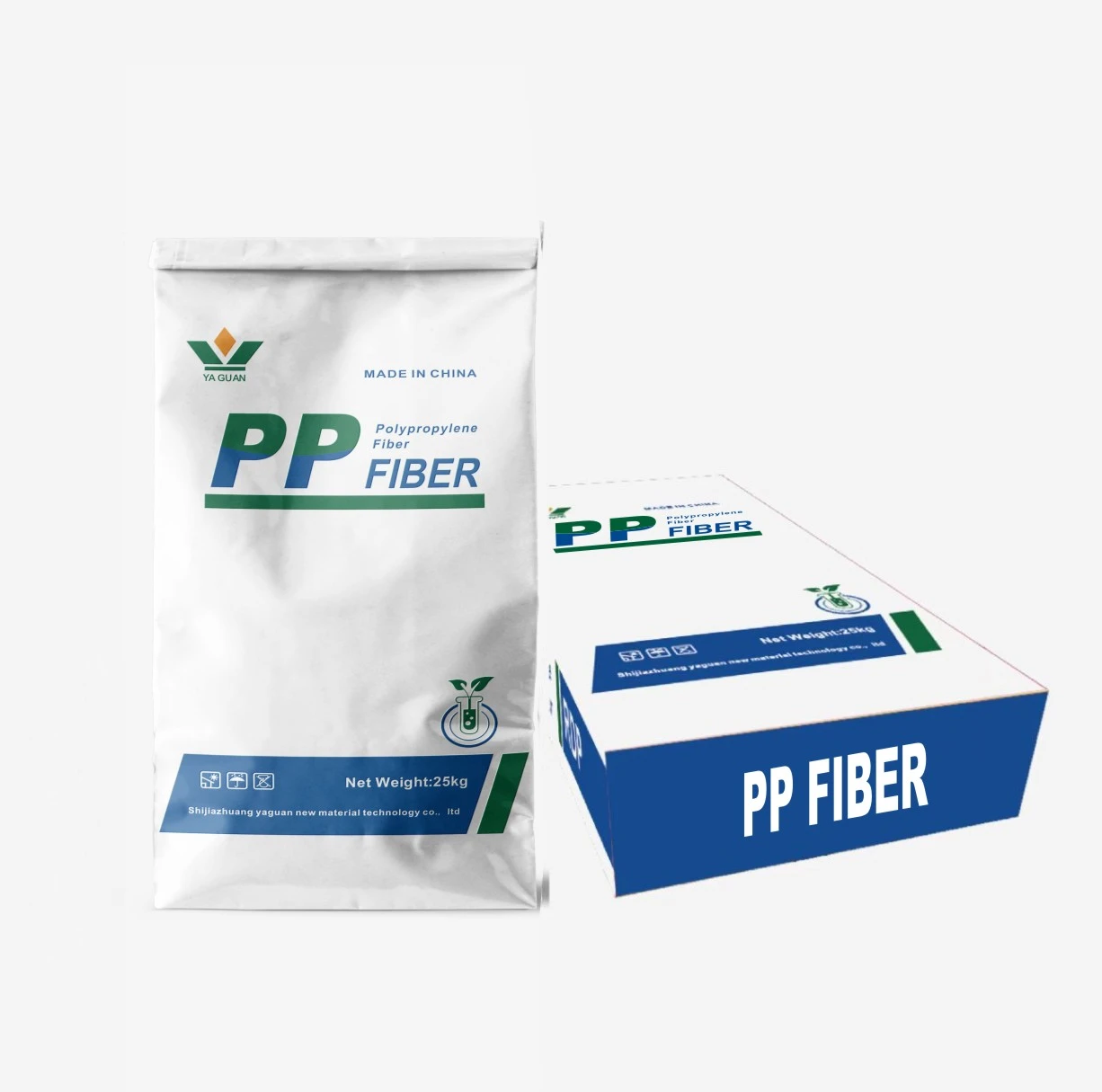

What Is Polypropylene Fiber Reinforced Concrete and Why Should We Care?
Polypropylene fiber reinforced concrete (PPRC) might sound like a mouthful, but it’s essentially a smarter, tougher kind of concrete. With fibers made from polypropylene—a lightweight, synthetic polymer—mixed into traditional concrete, this composite material helps solve some very real-world problems. Consider this: worldwide, concrete structures face cracking, shrinkage, and durability issues, especially in extreme environments. By reinforcing concrete with polypropylene fibers, engineers and builders get improved toughness, enhanced crack resistance, and a dash of flexibility that traditional concrete just can’t offer.
Why does this matter globally? Well, concrete accounts for nearly 8% of global CO2 emissions (IEA Industry Report). Finding ways to extend concrete longevity reduces rebuilds and waste—critical for sustainable construction worldwide. Plus, incorporating polypropylene fibers addresses structural problems that cause costly repairs, making infrastructure safer and more durable everywhere from booming urban centers to remote developing areas.
Mini takeaway: Polypropylene fiber reinforced concrete is a game changer for tackling cracking and cost challenges worldwide, combining sustainability with toughness.
The Global Importance of Polypropylene Fiber Reinforced Concrete
Globally, construction demands are skyrocketing. The UN estimates that nearly 70% of global infrastructure necessary by 2050 is yet to be built (UN Urbanization Report). That means trillions poured into roads, bridges, buildings, and more. But traditional concrete often cracks or deteriorates early, leading to billions in repair costs and safety risks.
Polypropylene fiber reinforced concrete steps in as a clever fix. Used extensively in regions with harsh climates—think Canada’s freeze/thaw cycles or Australia’s blistering heat—it reduces cracking by distributing stresses more evenly. That saves money, time, and keeps structures running longer. In humanitarian efforts, especially post-disaster, fiber reinforced concrete allows faster, more resilient rebuilds—supporting vital infrastructure where it’s needed most.
Mini takeaway: As global construction booms, polypropylene fibers help concrete withstand extreme stresses and urgent rebuilding needs worldwide.
Breaking It Down: What Is Polypropylene Fiber Reinforced Concrete?
In simple terms, polypropylene fiber reinforced concrete is standard concrete enhanced with tiny synthetic fibers—the polypropylene part—that are usually just a few millimeters long. These fibers act like microscopic rebar, dispersing forces and limiting crack growth.
Why polypropylene? Because it’s cheap, resistant to chemicals and moisture, and doesn’t corrode like steel reinforcement. It’s a perfect upgrade for concrete where you want long-term durability without bulky metal rods.
Industrially, this innovation fits neatly into fields needing lightweight yet strong materials—tunnels, pavements, precast elements. Humanitarian builders leverage its quick curing and toughness for shelters or infrastructure in fragile zones.
polypropylene fiber reinforced concrete bridges the gap between traditional structural concrete and cutting-edge composite materials in construction.
Mini takeaway: Simply put, polypropylene fiber reinforced concrete makes regular concrete smarter—safer, tougher, and suited for modern building challenges.
Core Components and Key Factors Affecting Performance
Durability
One of the hallmark qualities of polypropylene fiber reinforced concrete is its longevity. The fibers restrict micro-cracks from spreading, which ordinarily leads to structural failure. This means the material can resist freeze-thaw cycles, aggressive chemicals, and impacts better than plain concrete.
Crack Control
Fibers distribute internal stresses, reducing plastic shrinkage and drying cracks. Many engineers note that even at very early stages, fiber-reinforced mixes show significantly fewer hairline fractures.
Cost Efficiency
While the upfront cost of polypropylene fibers adds a slight premium, the overall lifecycle cost can be much lower due to decreased maintenance and longer service life. Plus, it reduces labor associated with traditional steel mesh reinforcement.
Workability
Adding fibers affects the concrete’s mix consistency, but modern polypropylene fiber blends are engineered for easy integration without compromising pumpability or finish quality. This makes them attractive on high-speed projects.
Sustainability
By extending infrastructure life, reducing cracking, and lowering the need for frequent repairs, polypropylene fiber reinforced concrete indirectly cuts carbon footprints, aligning it with global sustainability goals (ISO 21930).
| Property | Typical Range | Unit |
|---|---|---|
| Fiber Length | 6–12 | mm |
| Fiber Dosage | 0.6–2.0 | kg/m³ |
| Compressive Strength | 30–50 | MPa |
| Flexural Strength | 4–7 | MPa |
| Density | 2300–2500 | kg/m³ |
Mini takeaway: These core properties explain why polypropylene fiber reinforced concrete fits a variety of demanding projects.
Practical Global Applications and Who’s Using It
It’s one thing to talk theory; it’s another to see polypropylene fiber reinforced concrete actually performing in the field. For starters:
- Infrastructure in cold climates: Canadian highways use it extensively to prevent cracking caused by freeze-thaw.
- Industrial floors: Factories in Germany and Japan favor it for toughness and chemical resistance.
- Post-disaster housing: NGOs in Southeast Asia incorporate fiber reinforced concrete for fast, durable shelter rebuilds.
- Remote mining zones: Areas in Australia where maintenance is tough adopt it to minimize repairs.
These cases highlight the blend of durability, speed, and cost efficiency PPRC offers to various industries and geographies. Frankly, this adaptability is key to its rising global footprint.
Comparing Popular Polypropylene Fiber Reinforcement Vendors
| Vendor | Fiber Length (mm) | Dosage (kg/m³) | Typical Projects | Availability |
|---|---|---|---|---|
| PolyFib Inc. | 6 & 12 | 0.8–1.5 | Industrial, Infrastructure | Global |
| FiberPlus Ltd. | 6 | 1.2–2.0 | Housing, Roadways | Europe, Asia |
| Concrete Solutions | 10 | 0.6–1.0 | Precast, Mining | Australia, NA |
Why Does Polypropylene Fiber Reinforced Concrete Matter in the Long Run?
On the surface, it’s about stronger concrete. But dig a little deeper, and it’s also about the safety of people relying on infrastructure, the dignity of communities rebuilding after disasters, and the trust engineers place in durable materials. Longevity means fewer rebuilds, which means less environmental impact—a big logical win for sustainability. Plus, fiber technology carries a subtle emotional weight: it makes structures forgiving to stresses we can’t always predict, a quiet guardian of sorts.
Looking Ahead: The Future of Polypropylene Fiber Reinforced Concrete
Innovations are buzzing. Next-gen fibers that incorporate nano-materials aim to boost strength without heft. Digital tools — including AI and sensors — help engineers optimize fiber content and placement in real-time during concrete pours. There’s also a green push: companies are experimenting with bio-based polypropylene alternatives to improve sustainability even further.
With increasing integration into modular building and 3D printed concrete, polypropylene fiber reinforced concrete could soon be part of automated, eco-friendly construction processes redefining how we build our world.
Common Challenges and Smart Solutions in Practice
Of course, no technology is perfect. Some pitfalls include uneven fiber dispersion, which can reduce effectiveness, or mix adjustments that impact workability. However, advances in mixing equipment, pre-blended admixtures, and quality control protocols address these issues handily.
On-site training and ongoing R&D remain critical. When done thoughtfully, the fiber addition process becomes almost second nature — leading to more consistent, reliable concrete every time.
FAQ: Frequently Asked Questions About Polypropylene Fiber Reinforced Concrete
- Q1: What benefits do polypropylene fibers add over traditional steel reinforcement?
- A1: Polypropylene fibers help control micro-cracking, reduce shrinkage, and increase impact resistance without corrosion risk. They work as secondary reinforcement and can improve durability and toughness, especially in harsh environments.
- Q2: How much polypropylene fiber is typically added to concrete mixes?
- A2: Dosage generally ranges from 0.6 to 2.0 kg per cubic meter of concrete, depending on the application and desired properties. Engineers tailor amounts to balance strength improvements and workability.
- Q3: Can polypropylene fiber reinforced concrete be used in 3D printing?
- A3: Yes! The enhanced toughness and crack resistance make it a promising additive in 3D printed concrete, where reducing brittleness and shrinkage are critical.
- Q4: Is polypropylene fiber reinforced concrete more expensive than regular concrete?
- A4: Initial costs do increase due to fiber material expenses, but overall life cycle savings from reduced repairs and longer service life often offset this premium.
- Q5: How do I ensure proper mixing of polypropylene fibers in concrete?
- A5: Follow supplier guidelines carefully; fibers are best added slowly during mixing to ensure even distribution. Using ready-mix plants with proper equipment also helps optimize dispersion.
Wrapping Up: A Smarter Concrete for a Better Tomorrow
Polypropylene fiber reinforced concrete represents more than just a material upgrade — it embodies progress in making our built environment safer, greener, and longer lasting. From infrastructure projects in icy northern towns to rapid housing rebuilds after disasters, this innovation is quietly reshaping modern construction.
Curious to learn more or ready to integrate this game-changing solution? Visit us anytime at yaguanhpmc.com for expert products and advice.