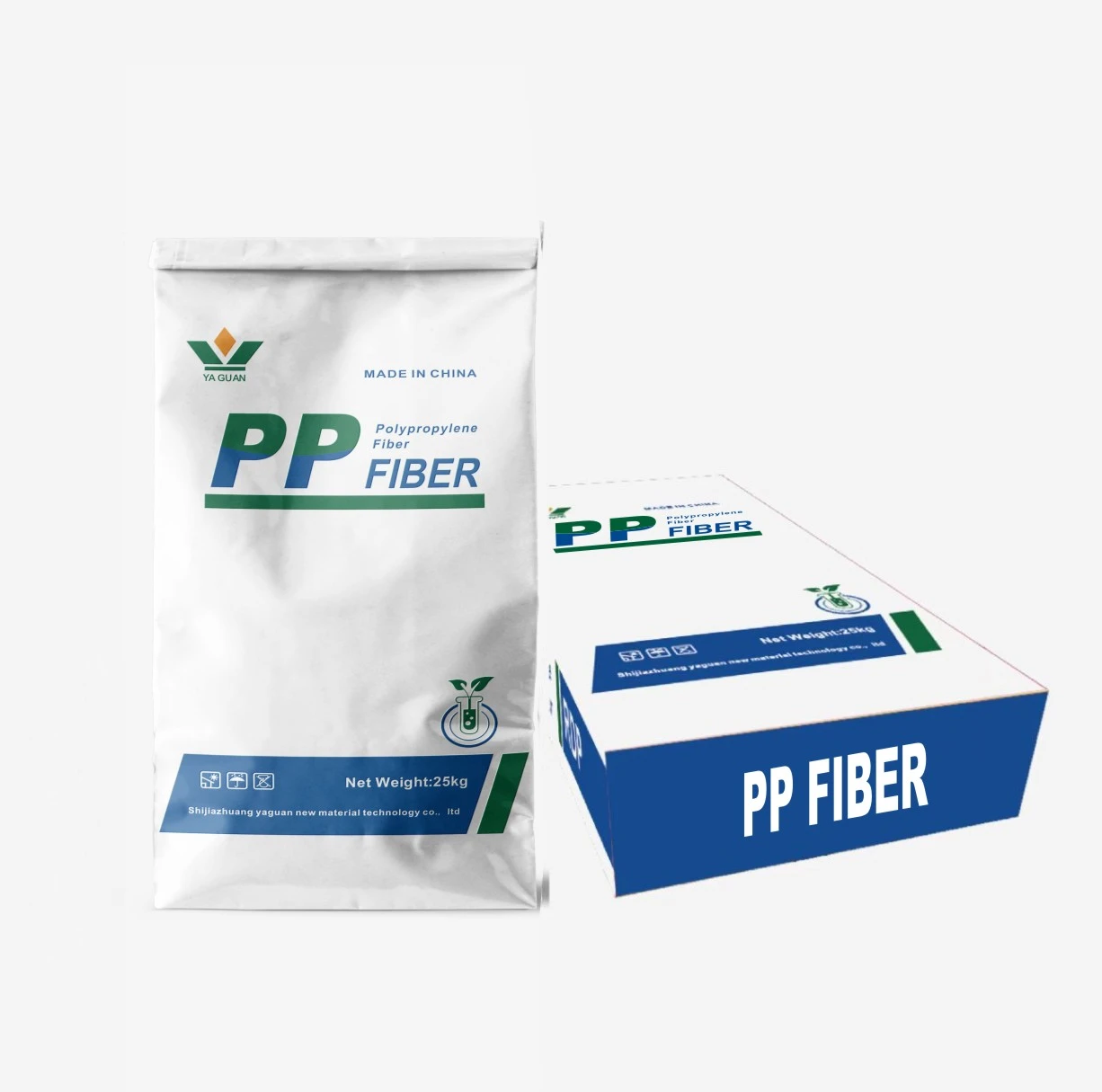

Why Polypropylene Fibres for Concrete Matter in Today's World
If you've ever wondered what makes modern concrete structures more resilient, you’ve probably brushed shoulders with the term polypropylene fibres for concrete. These tiny synthetic strands might sound like a small tweak in a massive industry, but their impact on construction — globally — can’t be overstated. With urbanization growing rapidly and infrastructure demands skyrocketing, finding smarter, sustainable ways to build safely and quickly is a universal challenge.
Polypropylene fibres enhance concrete by controlling cracking, improving durability, and reducing costs — a trifecta that construction sectors — from bustling cities to remote disaster zones — desperately need. The ripple effects touch everything from lowering maintenance costs to reducing environmental footprints. So, understanding these fibres is a neat way to glimpse how tiny additions can hold up colossal structures and, frankly, whole communities.
The Global Importance of Polypropylene Fibres for Concrete
Let’s zoom out for a moment. Concrete is easily the most-used man-made material worldwide. The United Nations estimates nearly 30 billion tons of concrete are produced every year. Yet, concrete isn't flawless — it cracks, degrades, and costs a lot to maintain, especially where conditions are harsh or timelines tight.
That’s where polypropylene fibres come in. According to ISO standards (ISO 14001 emphasizes environmental management in construction), adding these synthetic fibres reduces microcracking, boosts strength, and helps concrete withstand water damage. The World Bank, focusing on disaster resilience, supports innovations that make shelter materials tougher and longer-lasting.
Take flood-prone regions in Southeast Asia, for example. Using fibre-reinforced concrete helps infrastructure survive constant water exposure — a literal lifesaver for millions. These fibres also play a part in more sustainable practices by extending the lifespan of structures, reducing the need for resource-heavy repairs.
What Exactly Are Polypropylene Fibres for Concrete?
Simply put, polypropylene fibres are thin, synthetic strands derived from petrochemical polymers. When we say "for concrete," we mean they’re specially designed to mix into fresh concrete, distributing evenly throughout the material. Think of them as tiny mesh reinforcements that don’t get replaced by steel bars but complement them.
Why polypropylene? It’s resistant to moisture, chemically inert, lightweight, and inexpensive — perfect for mixing into concrete without affecting workability. Also, since they don’t rust, unlike steel fibres, there’s less risk of corrosion-related damage. Often, these fibres are between 6 and 12 mm in length and a fraction of a millimeter thick.
In modern industries, including construction and humanitarian engineering, polypropylene fibres help concrete resist shrinkage cracks, reduce spalling, and maintain structural integrity. This makes them ideal for everything from highways and tunnels to emergency shelters.
Key Attributes of Polypropylene Fibres in Concrete
Durability
Many engineers say that polypropylene fibres' biggest strength lies in controlling early-age cracking. When concrete dries, it shrinks and cracks — but these fibres act like a web, distributing tiny stresses throughout so cracks stay microscopic rather than dangerous.
Cost Efficiency
While adding fibres increases upfront material costs slightly, they significantly reduce long-term maintenance expenses. Fewer cracks mean less water ingress, which in turn lowers damage repair frequency and extends the concrete’s service life.
Lightweight & Easy Workability
Polypropylene fibres don’t substantially alter concrete weight or mixing properties, making them popular with contractors who want robust yet workable mixes. This is critical because cumbersome or heavy additives slow projects down.
Chemical & Corrosion Resistance
Unlike steel reinforcements vulnerable to rust, these synthetic fibres resist most chemicals and moisture well, especially beneficial in aggressive environments like sewage treatment plants or coastal constructions.
Scalability
The fibres can be produced and added in mass quantities, enabling large-scale infrastructure projects or rapid deployment shelters to benefit without logistical headaches.
Specifications at a Glance
| Property | Typical Value | Units |
|---|---|---|
| Length | 6 - 12 | mm |
| Diameter | 18 - 35 | microns |
| Specific Gravity | 0.91 - 0.93 | g/cm³ |
| Melting Point | 160 - 170 | °C |
| Tensile Strength | 350 - 450 | MPa |
Polypropylene Fibres in Action Across the Globe
From the highways of Europe to the earthquake-prone zones of South America, polypropylene fibres for concrete have found a vital role in infrastructure resilience. For instance, after the 2015 Nepal earthquake, NGOs rapidly rebuilt shelters using fibre-reinforced concrete slabs, which offered better crack resistance and faster curing times compared to traditional mixes. In industrial zones of the Middle East, fibre-reinforced precast panels help withstand harsh heat and chemical exposure.
Additionally, governments in Africa's rapidly urbanizing regions are incorporating polypropylene fibres to extend the lifespan of roads and public buildings — a smart move given recurring budget constraints. Oddly enough, even space agencies are experimenting with these fibres to develop lightweight concrete structures for habitats on Mars-like environments.
Comparing Major Polypropylene Fibre Vendors
| Vendor | Fibre Length Range (mm) | Price per kg | Typical Applications | Global Reach |
|---|---|---|---|---|
| Yaguan HPMC | 6 - 12 | $2.30 | Civil, industrial, precast | Asia, Africa, Europe |
| FibraTech Solutions | 8 - 15 | $2.80 | Infrastructure, tunnels | Americas, Europe |
| PolySet Fibres | 6 - 10 | $2.50 | Residential, flooring | Global |
Advantages and Long-Term Benefits
- Cost savings – fewer repairs, less downtime.
- Environmental impact – extends lifespan, reduces material waste.
- Safety – improved crack resistance means less structural failure risk.
- Innovation – constantly evolving fibre grades for specific needs.
- Social trust – communities depend on durable infrastructure, building resilience.
It’s kind of comforting to know the fabric of our concrete is becoming smarter and more adaptive. Professionally, I’ve talked to engineers thrilled about how little extras like polypropylene fibres reduce headaches down the line. And emotionally, it’s reassuring that such materials help protect lives — whether in a growing metro or a temporary shelter.
Emerging Trends and the Future of Polypropylene Fibres in Concrete
The future looks bright and a little smart. Researchers are exploring bio-based polypropylene alternatives to reduce fossil fuel reliance. Automated mixing processes with real-time fibre dosing promise more consistent quality. Digital tools — including AI-based quality control — are helping builders optimize fibre blends tailored for project-specific stresses.
Green energy integration is encouraging developers to think about the carbon footprint of fibres themselves, nudging suppliers to innovate on recycling and sustainability fronts.
Challenges and How Industry Experts Are Addressing Them
Like anything, polypropylene fibres aren’t a magic bullet. Challenges include ensuring uniform dispersion in very large pours, pricing pressures in developing regions, and compatibility with ultra-high-performance concrete mixes.
But experts suggest creative solutions, such as improved dispersion techniques using advanced mixers, hybrid fibres blending polypropylene with steel or other synthetics, and localized production to cut costs. These ongoing developments feel a little like the material’s journey is just beginning.
FAQ: Quick Answers about Polypropylene Fibres for Concrete
- Q: How do polypropylene fibres reduce concrete cracking?
- A: They act as microscopic reinforcements that control early shrinkage and microcracking by distributing tensile stresses evenly. This prevents cracks from growing and compromising structural integrity.
- Q: Can polypropylene fibres be used with all types of concrete?
- Generally yes, they’re compatible with most concrete mixes including precast, shotcrete, and ready-mix. However, the fibre length and dosage might be adjusted for ultra-high-performance concretes or specialized applications.
- Q: Are these fibres environmentally friendly?
- Polypropylene is a petrochemical product, so it’s not biodegradable but it improves concrete lifespan, reducing frequent repairs and waste. New research is ongoing into bio-based fibres for greener alternatives.
- Q: How does fibre reinforcement compare to steel reinforcement?
- Fibres complement steel rather than replace it — mainly they improve crack control and durability but don’t offer the same tensile strength for heavy structural loads as steel rebar.
- Q: Is it difficult to order and use polypropylene fibres?
- Mostly not. Many suppliers, such as Yaguan HPMC, provide detailed specs and support. Proper mixing and dosage guidance help ensure fibre effectiveness.
Wrapping It Up: What Polypropylene Fibres Mean for Concrete's Future
Looking at the bigger picture, polypropylene fibres for concrete stand as one of the quietly revolutionary advances shaping how we build safer, smarter, and greener. They’re already enhancing infrastructure resilience worldwide and will continue to do so with new innovations in sustainability and technology.
If you're considering fibre reinforced concrete for your projects or want to learn more, I recommend visiting https://www.yaguanhpmc.com — a trusted source with comprehensive products and expertise.
So yeah, these little strands not only hold concrete together — they hold a lot of promise for the future of construction as well.
References:
1. Wikipedia - Concrete
2. ISO 14001 Environmental Management
3. World Bank - Technology Uptake in Infrastructure