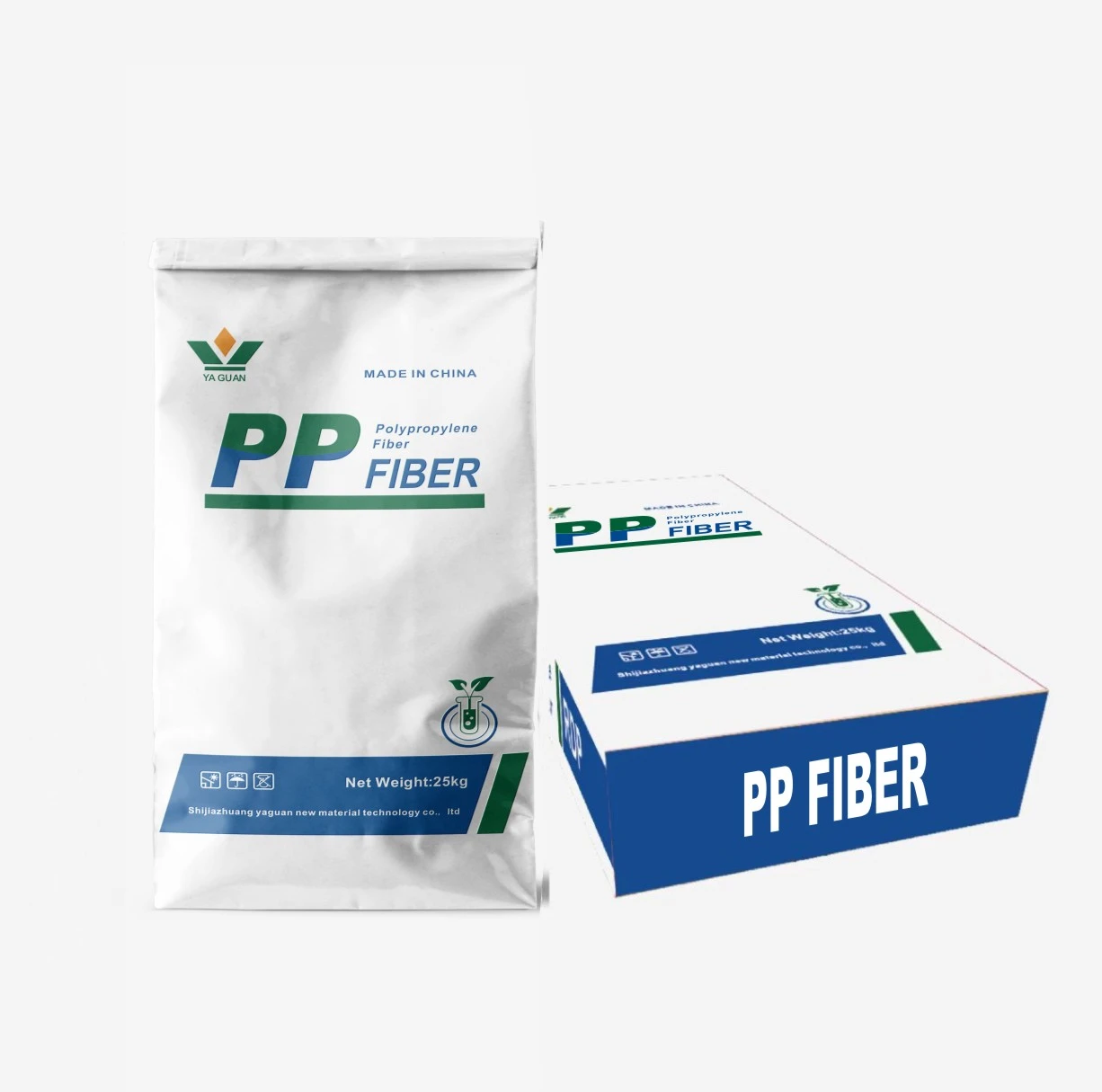

Understanding PP Fiber: Why It Matters Globally
When we talk about pp fiber, or polypropylene fiber, we’re diving into a material that, frankly, has slipped quietly into countless industries and infrastructures worldwide. From enhancing concrete durability to playing a role in sustainable manufacturing, this lightweight synthetic fiber packs a punch of benefits that most don’t realize at first glance. Globally, the demand for materials like pp fiber is skyrocketing—thanks, in part, to the increasing need for robust, cost-effective building materials and eco-conscious solutions.
Why does it matter? Well, consider the sheer scale of construction and manufacturing currently underway in growing economies. The World Bank estimates that global infrastructure investment needs will hit $94 trillion by 2040 (1). Using pp fiber not only helps meet those demands sustainably but also addresses some perennial challenges like cracking, brittleness, and durability failures. In disaster-prone or harsh environments, its benefits shine even brighter.
PP Fiber in Context: A Global Industry Perspective
It’s fascinating how a simple polymer-based fiber can contribute so much to the big picture of infrastructure and humanitarian projects. The global production capacity of polypropylene—the base polymer for pp fiber—is in the tens of millions of tons annually (2), reflecting explosive demand across sectors. Construction, automotive, textiles, and even medical supplies depend increasingly on this versatile fiber.
One major challenge it addresses is improving concrete’s mechanical properties without relying on heavy steel reinforcement everywhere. This is crucial for developing regions where skilled labor or steel availability is limited. Organizations like ISO have developed standards ensuring fiber-reinforced concrete meets safety and performance benchmarks (3). So, pp fiber is not just industry buzz — it’s solving real challenges, like preventing micro-cracking that leads to structural failures.
What Exactly Is PP Fiber?
Simply put, pp fiber refers to ultra-fine strands made of polypropylene—a thermoplastic polymer widely known for its toughness and chemical resistance. These fibers are typically added to concrete or composite mixtures for reinforcement purposes, improving tensile strength and preventing shrinkage cracks.
It’s connected to modern industry because it offers a low-cost, lightweight way to enhance materials that form the backbone of cities, roads, and industrial facilities. On a humanitarian level, pp fiber’s durability means shelters, roads, and safety barriers last longer and perform better under stress, which is invaluable in disaster recovery or remote zones.
Core Aspects of PP Fiber That Matter
1. Durability
PP fibers resist chemical corrosion and UV degradation, something that comes in handy in harsh climates or industrial settings. Their endurance means concrete reinforced with pp fiber can last decades without major repairs.
2. Cost Efficiency
Compared to steel fibers or mesh, pp fiber is less expensive—not only in price but also in installation complexity. This lowers overall project costs, especially in large-scale industrial applications.
3. Weight Reduction
Being lightweight, pp fibers do not add significant bulk. This helps reduce transportation costs and handling risks on-site. Plus, it makes the products safer for workers—less heavy reinforcement and complicated fittings.
4. Versatility
The fibers come in a variety of lengths and tensile strengths, catering to different industrial needs. Whether it’s cast-in-place concrete, precast panels, or even textiles, pp fiber adapts well.
5. Environmental Impact
While it’s a synthetic polymer, ongoing innovations in recycling and production methods are making pp fibers more eco-friendly. Some manufacturers are even exploring bio-based alternatives for the polypropylene base.
Real-World Applications of PP Fiber
If you ever walked on a highway or inside a large commercial building, you might be standing on a concrete slab that includes pp fibers—without realizing it. Here are some practical examples:
- Construction: In roads, runways, and bridges, pp fiber enhances crack resistance and structural integrity.
- Disaster Relief Structures: In places prone to earthquakes or flooding, fiber-reinforced material is preferred for fast-deploying shelters and repair works.
- Industrial Flooring: Warehouses and factories require tough floor slabs that resist abrasion and impact; pp fiber-reinforced concrete fits the bill.
- Textiles & Packaging: Though less visible, pp fiber blends into certain industrial fabrics and nonwoven materials, adding strength.
- Infrastructure in Developing Countries: Often where steel is scarce or expensive, pp fiber-enhanced concrete offers a reliable substitute reinforcing method.
A recent example is in Southeast Asia, where post-typhoon reconstruction projects used pp fiber-reinforced concrete to rebuild faster and more sustainably, reducing costs by roughly 15% (4). Oddly enough, many engineers say the peace of mind from reduced cracking alone is worth switching materials.
PP Fiber Advantages & Long-Term Value
When we look beyond the technical specs, the long-term benefits reveal themselves as much emotional as financial:
- Cost Savings: Less maintenance and longer service life mean fewer repairs and lower lifecycle expenses.
- Safety: Crack prevention reduces the risk of catastrophic failures, protecting lives.
- Sustainability: By extending infrastructure usability and enabling recycled content, pp fiber contributes to greener construction.
- Innovation: Its adaptability encourages creative applications—think 3D-printed structures or industrial textiles.
- Trust & Reliability: Designers and builders often prefer proven, consistent performance—qualities pp fiber delivers.
Product Specification Table: Typical PP Fiber for Concrete Reinforcement
| Specification | Value |
|---|---|
| Fiber Type | Monofilament Polypropylene |
| Length | 6 - 12 mm |
| Denier | 15 - 35 |
| Tensile Strength | 350 - 550 MPa |
| Melting Point | 160 - 170 °C |
| Dosage in concrete | 0.5% - 2% by volume |
Comparing Vendors: The PP Fiber Market Landscape
| Vendor | Product Range | Sustainability Focus | Global Reach | Typical Clients |
|---|---|---|---|---|
| Yaguan HPMC | Standard & Customized PP Fibers | Recycling programs, energy-efficient production | Asia, Europe, N. America | Construction firms, NGOs, manufacturers |
| FiberTech Inc. | High-strength specialty fibers | Limited eco-initiatives | Primarily North America | Industrial construction, aerospace |
| GreenFibre Ltd. | Bio-based PP fiber blends | Strong emphasis on sustainability | Europe, Asia | Eco-conscious construction firms |
Future Trends in PP Fiber Technology
Looking forward, pp fiber innovations revolve around making the material greener and smarter. There’s ongoing research into bio-polypropylene fibers derived from renewable resources, reducing reliance on fossil fuels. Coupled with digital transformation in manufacturing—like 3D printing concrete with embedded fibers—we're likely to see more customized, performance-tailored products.
Automation in production enhances quality control, while new standards from organizations like ISO are expected to reflect these advances soon. Plus, there’s buzz about integrating sensors within fiber composites, transforming traditional concrete from a passive to an intelligent material for monitoring structural health.
Overcoming Challenges in PP Fiber Use
Of course, it’s not all smooth sailing. A key limitation is the relatively low melting point of polypropylene compared to steel, which may affect fire resistance. Also, achieving even fiber dispersion in concrete is notoriously tricky, impacting performance.
Experts tackle these issues by combining pp fibers with other fibers or additives and improving mixing methods. Training site workers on proper handling is critical too. Innovations in fiber surface modifications are also helping enhance bond strength within composite mixes.
FAQ: Your PP Fiber Questions Answered
- What makes polypropylene fiber better than traditional steel reinforcement?
- PP fiber is lightweight, corrosion-resistant, and easier to mix into concrete, reducing cracks and improving durability without the weight and cost of steel mesh. It’s ideal where steel isn’t practical or economical.
- How long does pp fiber reinforced concrete typically last in harsh environments?
- With proper mix design, it can last 30 to 50 years or more, resisting chemical damage and micro-cracking. Its longevity depends on the environment and maintenance, but it reliably extends concrete lifespan.
- Is using pp fiber eco-friendly given it's a plastic product?
- While polypropylene is polymer-based, advances in recycling and bio-based alternatives are improving its sustainability. Also, increasing concrete longevity means fewer rebuilds and less waste over time.
- Can fiber-reinforced concrete be used in fast-deployment shelters for disaster zones?
- Absolutely. PP fiber helps pre-cast panels resist cracking and handle stress, making them ideal for rapid assembly and transport in emergency relief housing.
- How do companies typically import pp fiber products internationally?
- Many vendors offer global shipping and partnerships. Importers should ensure compliance with local standards and may rely on trusted suppliers like pp fiber manufacturers for consistent quality and certification.
Wrapping It Up + Your Next Step
So, what’s the bottom line with pp fiber? It’s a modern marvel of materials science—making concrete stronger, safer, and more sustainable worldwide. Whether you’re in construction, manufacturing, or humanitarian sectors, understanding and using pp fiber can future-proof your projects against cost and durability woes.
Feeling ready to explore what pp fiber can do for your business? Check out trusted suppliers like pp fiber experts who offer a broad range of solutions tailored for your industry challenges. It’s a small step towards more resilient infrastructure and a smarter future.
1. World Bank - Infrastructure Investment Needs to 2040
2. PlasticsEurope - Polypropylene Market Data
3. ISO 13270: Concrete - Fibre Reinforced Concrete Standards
4. ASEAN Post-Disaster Reconstruction Reports