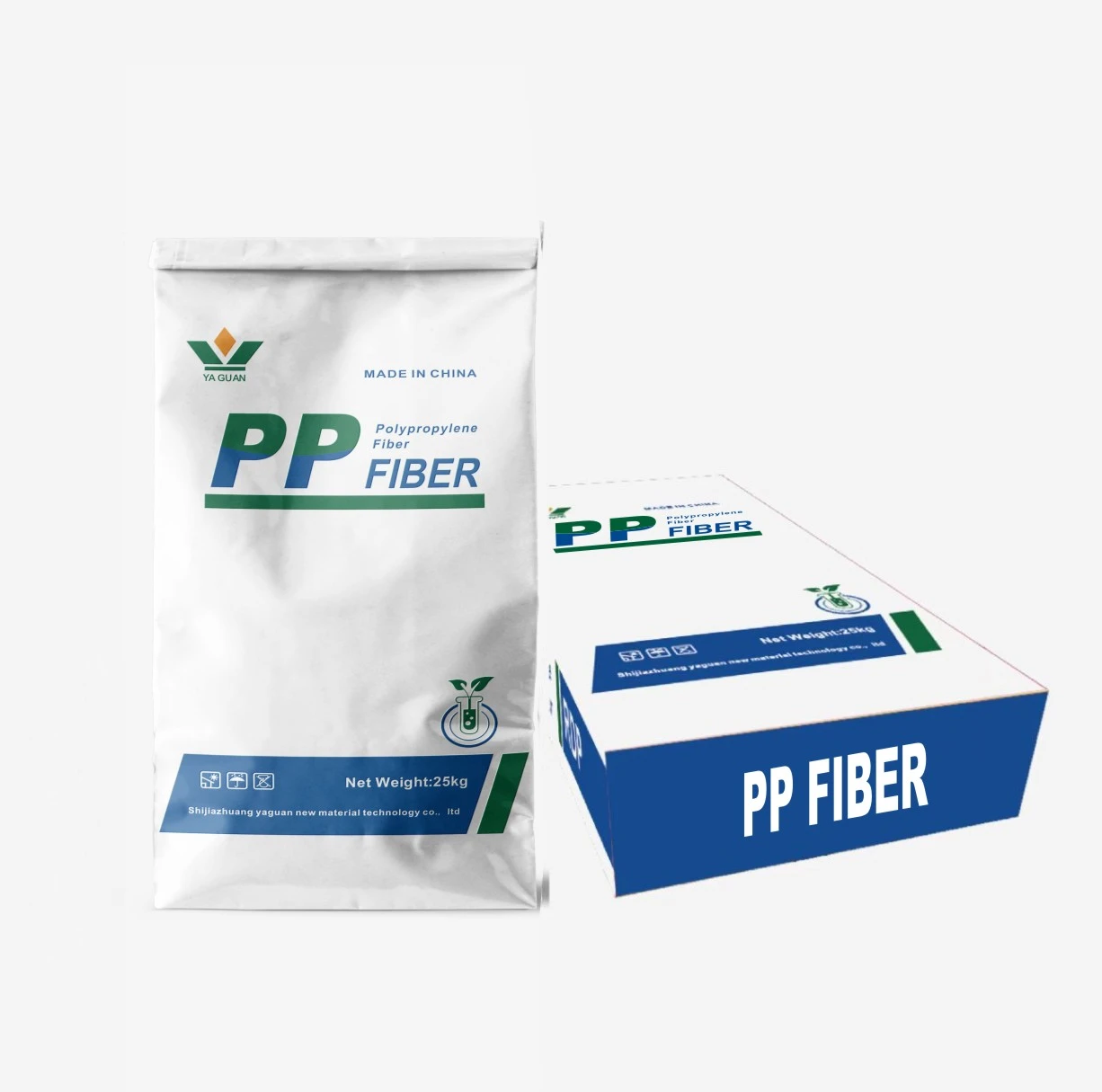

Understanding Polypropylene Fiber: The Unsung Hero in Modern Industry
If you’ve ever marveled at the versatility of a simple material quietly holding up buildings, strengthening concrete, or even protecting lives in natural disasters, then polypropylene fiber deserves your attention. It’s one of those materials that hum along in the background but has become indispensable worldwide. Today, we’ll unpack why polypropylene fiber matters so much, what it actually is, and why it’s gaining traction in so many industries.
Why Polypropylene Fiber Matters Globally
In a world where sustainability, cost-efficiency, and durability are non-negotiable, polypropylene fiber is sitting pretty as a game-changer. Globally, concrete reinforcement and protective textiles alone represent billion-dollar markets, with polypropylene fiber gaining serious ground for its affordable and lightweight qualities. According to the International Organization for Standardization (ISO), polypropylene is increasingly adopted in construction to replace traditional steel reinforcement in certain applications due to corrosion resistance and ease of handling.
More than that, it’s critical in humanitarian efforts — think shelters, geotextiles, and agriculture — especially in developing regions where resources are limited but impact is vital. The UN’s sustainable development goals (SDGs) have also nudged industries toward synthetic fibers that marry strength with sustainability, spotlighting polypropylene fiber especially in climate-resilient infrastructure projects.
What Exactly is Polypropylene Fiber?
Put simply, polypropylene fiber is a man-made synthetic fiber made from the polymer polypropylene. It’s spun into fine threads and configured for a wide range of industrial and commercial uses. What makes it stand out from other synthetic fibers like polyester or nylon is its hydrophobic (water-resistant) nature, high tensile strength, and resistance to chemical degradation.
In modern industry, this translates to benefits like reducing concrete cracking, enhancing fabric durability, and providing protective layers in geotextiles. For humanitarian needs, its low cost and ease of production mean better, more affordable solutions—an unsung anchor, if you will, securing everything from roads to shelters.
Mini Takeaway:
Polypropylene fiber may feel like a behind-the-scenes player, but it’s steadily proving essential for modern construction, textiles, and sustainable solutions worldwide.
Core Qualities of Polypropylene Fiber That Make It Versatile
Durability
It resists moisture, chemicals, and wear remarkably well. Unlike steel fibers in concrete, polypropylene doesn't rust, making it ideal for harsh environments or prolonged exposure to elements.
Cost Efficiency
Compared to alternatives, polypropylene is relatively inexpensive to produce and integrate. Its lightweight nature means transportation and handling costs are often lower, which matters a lot on large projects.
Scalability
Manufacturing polypropylene fiber in bulk is well-established, meaning it can meet wide-scale industrial demands without bottlenecks.
Environmental Impact
While it’s a synthetic polymer derived from petrochemicals, polypropylene fibers have a smaller carbon footprint compared to many synthetic analogs and metal reinforcements. Plus, they don’t corrode, thereby extending the life cycle of composite materials.
Flexibility in Application
From woven textiles to chopped fibers for concrete reinforcement, polypropylene fiber adapts effectively to different product designs and needs.
Mini Takeaway:
Its durability, affordability, and adaptability are why engineers, manufacturers, and humanitarian organizations lean on polypropylene fiber to solve a broad spectrum of challenges.
Real-World Uses of Polypropylene Fiber Around the Globe
The list is vast, but here are some highlights:
- Concrete Reinforcement: Used to reduce cracking and improve toughness in infrastructure projects like highways, bridges, and tunnels — especially common in Europe and North America.
- Geotextiles: In places like Southeast Asia and Africa, polypropylene fiber-enhanced geotextiles stabilize soils, prevent erosion, and improve drainage in both urban and rural development.
- Protective Clothing: Specialty polypropylene fibers find their way into industrial and medical textiles due to durability combined with lightweight comfort.
- Disaster Relief and Shelter: In post-disaster scenarios, modular shelters and temporary housing often feature polypropylene components for rapid deployment and weather resistance.
- Agriculture: Mulch mats and crop covers utilising polypropylene fibers help in weed control and moisture retention.
To put it in perspective: after the 2015 Nepal earthquake, many international NGOs turned to polypropylene fiber-based solutions for building durable, lightweight shelters that could be quickly transported and assembled. This material choice wasn't random—it balanced cost, availability, and performance in tough conditions.
Mini Takeaway:
Polypropylene fiber's adaptability shines worldwide — from urban infrastructures to remote villages recovering from environmental shocks.
Table: Typical Polypropylene Fiber Specifications
| Property | Value | Unit |
|---|---|---|
| Tensile Strength | 350-450 | MPa |
| Density | 0.91-0.95 | g/cm³ |
| Melting Point | 160-170 | °C |
| Elongation at break | 10-25% | % |
| Water Absorption | % |
Advantages and Lasting Value of Polypropylene Fiber
It’s not just technical specs that matter—there’s a bigger story here. For project managers and engineers, polypropylene fiber often means saving time and money without sacrificing quality or longevity. It extends the usable life of infrastructures by preventing cracks and corrosion, which otherwise could lead to costly repairs or even hazards.
From a sustainability lens, fibers that don’t degrade or leach harmful substances are priceless, particularly in sensitive ecosystems or densely populated areas. Socially, it supports safer homes and infrastructure, providing dignity and comfort in ways that sometimes get overlooked — after all, a safer shelter is hope embodied.
Current Innovations and Trends Shaping Polypropylene Fiber Use
Innovation in polypropylene fiber is subtle but impactful. Several companies now focus on producing "microfibers" for higher surface area and better interaction in composite materials. Others are blending polypropylene with bio-based polymers to improve biodegradability and reduce environmental footprints.
Automated fiber production lines combined with digital quality monitoring have improved uniformity and reliability. Also, in green energy, polypropylene fibers help reinforce solar panel structures and lightweight wind turbine components, showcasing how traditional materials evolve with new technologies.
Common Challenges and Practical Solutions
Although versatile, polypropylene fiber isn’t flawless. For example, its UV resistance isn't the best, so prolonged exposure outdoors can degrade performance unless treated or coated. That’s why many manufacturers apply UV stabilizers or combine polypropylene fibers with other materials for tougher use cases.
Also, recycling polypropylene fibers can be tricky — because fibers are often mixed with other compounds during manufacturing. Advanced sorting tech and chemical recycling are promising solutions underway but not yet mainstream.
Vendor Comparison Table: Top Polypropylene Fiber Suppliers
| Supplier | Product Range | Production Capacity | Global Reach | Sustainability Initiatives |
|---|---|---|---|---|
| Yaguan Polymer Co. | Chopped fibers, woven textiles, specialty grades | 50,000 tons/year | Asia, Europe, Americas | Recycling programs & bio-based blends |
| FiberTech Solutions | Microfibers, industrial mats, construction fibers | 30,000 tons/year | Europe, North America | Focus on UV treatment & lifecycle assessment |
| Global PolyFibers Inc. | Standard fibers, eco-friendly composites | 45,000 tons/year | Global | Carbon-neutral production goal by 2030 |
Frequently Asked Questions About Polypropylene Fiber
Q1: How does polypropylene fiber improve concrete compared to steel reinforcement?
A1: Polypropylene fiber helps reduce cracking by distributing stresses more evenly and preventing shrinkage cracks without the risk of corrosion that steel can suffer. It’s lighter and often easier to work with on-site, although it doesn’t replace structural steel but rather complements it for added durability.
Q2: Can polypropylene fiber textiles be used in medical protective gear?
A2: Absolutely. Because polypropylene fibers are lightweight, breathable, and resistant to moisture and chemicals, they’re commonly found in disposable medical gowns, masks, and filters, offering both comfort and protection.
Q3: Is polypropylene fiber recyclable or biodegradable?
A3: Polypropylene fibers are recyclable, but recycling is complicated by composites and mixed materials. They are not biodegradable and will persist in landfills unless specifically recycled or repurposed. Advances in bio-based polypropylene and improved recycling methods aim to mitigate this challenge.
Q4: What regions benefit most from polypropylene fiber in geotextiles?
A4: Regions with frequent soil erosion, flooding, or infrastructure challenges—like Southeast Asia, Africa, and parts of South America—benefit immensely. Polypropylene fiber geotextiles stabilize roads and riverbanks, improving resilience.
Wrapping It Up: Why Polypropylene Fiber Deserves Your Attention
In the grand scheme, polypropylene fiber is a quietly powerful material that’s changing how we build, protect, and sustain. It brings together affordability, strength, and adaptability — three pillars that many solutions aspire to but don’t always balance well. Whether you’re involved in infrastructure, humanitarian projects, or innovative product design, it’s worth keeping an eye on this fiber’s evolving role.
Curious to learn more or explore product options? Feel free to visit polypropylene fiber suppliers and see firsthand how this material might fit your next project.
Quick Reflection:
Not every material gets to solve as many diverse problems with such efficiency. Polypropylene fiber — simple, synthetic, surprisingly tough — has quietly become one of those unsung enablers of progress.