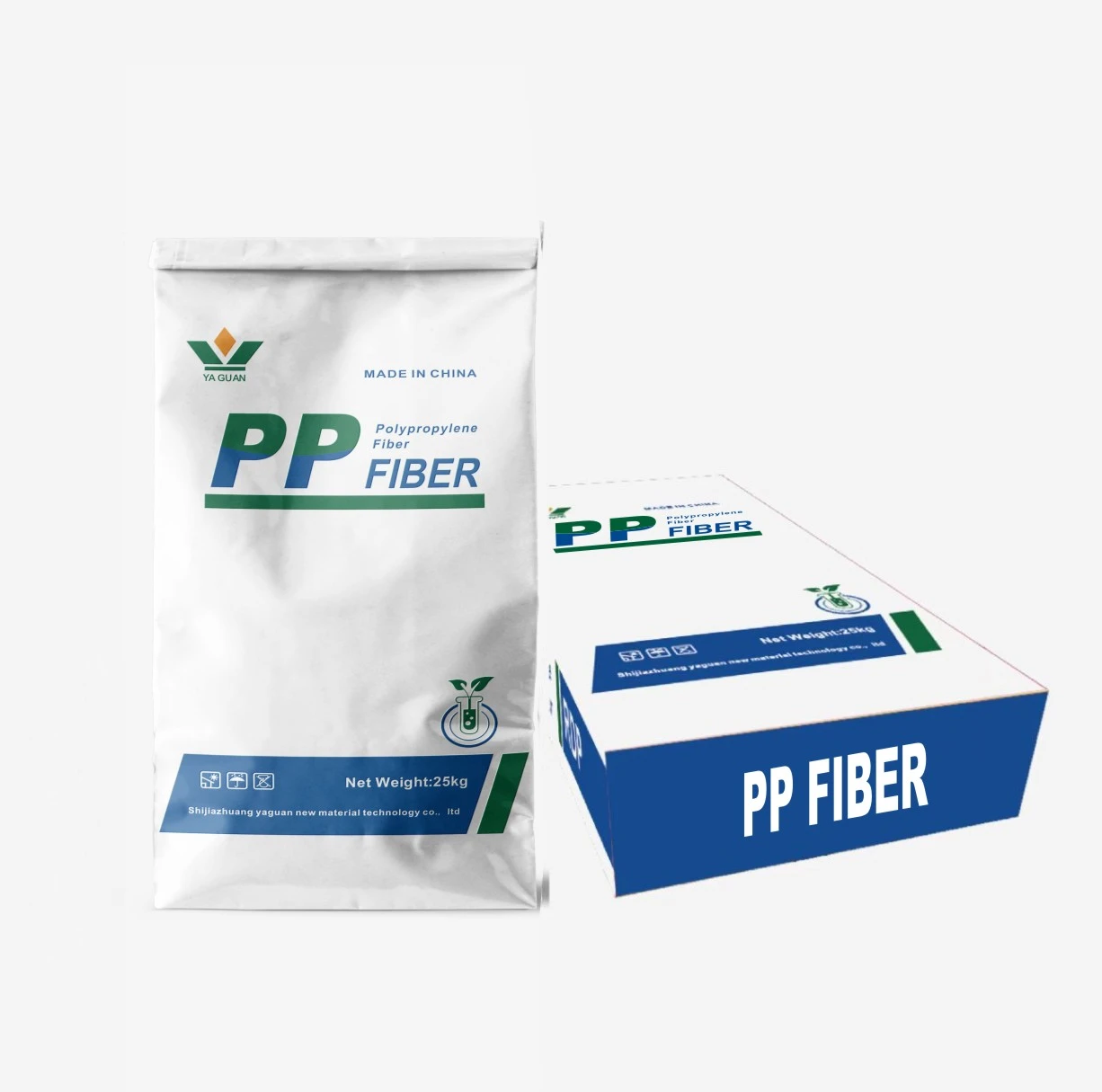

What Is Polypropylene Fiber Mesh and Why Should We Care?
Polypropylene fiber mesh might sound like a mouthful, but its role in modern industry and infrastructure is surprisingly vital worldwide. This lightweight, durable material has been quietly transforming how engineers and builders approach reinforcement, especially in concrete construction, erosion control, and even disaster relief. Given the ever-growing demands for sustainable, cost-effective solutions globally, understanding polypropylene fiber mesh isn’t just for the engineers anymore — it’s for anyone interested in smarter building practices and environmental resilience.
Its benefits stretch far beyond just being another building material. This mesh improves structural integrity, reduces carbon footprints by minimizing steel use, and often speeds construction without hefty cost hikes. Frankly, grasping how polypropylene fiber mesh fits into the broader global picture gives you a lens into the future of construction and environmental management alike.
The Global Context: Why Polypropylene Fiber Mesh Matters
According to the United Nations, urban populations are set to rise by nearly 2.5 billion by 2050, which means construction needs will skyrocket. Not to mention, climate change is increasing extreme weather events that threaten existing infrastructure. The question is: how do we build faster, cheaper, and more resilient structures?
This is where polypropylene fiber mesh comes in. Used primarily in concrete reinforcement and erosion control, this material reduces reliance on traditional steel rebar by distributing loads more evenly and preventing cracking and shrinkage. ISO standards recognize its increasing importance in sustainable construction practices.
Interestingly, many regions—from rapidly urbanizing Asia to disaster-prone parts of the Americas—are adopting polypropylene fiber mesh for building affordable housing and infrastructure that can better withstand climate stresses. The World Bank emphasizes the need for such innovative materials to meet housing deficits sustainably.
Defining Polypropylene Fiber Mesh
In simplest terms, polypropylene fiber mesh is a network made from thin strands of polypropylene, a type of plastic polymer. These fibers are engineered to be flexible yet incredibly strong and are woven or processed into a mesh that is often embedded within concrete or soil.
Unlike steel reinforcements, polypropylene fiber mesh doesn't corrode, is lighter, and is easier to handle on-site. It’s become popular in construction, roadworks, and even agricultural and environmental projects.
Today, its role stretches beyond industrial use: NGOs use it in post-disaster temporary shelters, and industries apply it to reduce cracking in precast concrete panels. Its versatility stems from its unique ability to enhance durability without heavy weight or cost.
Key Factors That Make Polypropylene Fiber Mesh So Valuable
Durability
One of polypropylene fiber mesh’s strongest selling points is its resistance to chemicals, moisture, and UV degradation. Unlike steel rebar, it won’t rust or corrode, which translates into longer-lasting structures even in harsh conditions.
Cost Efficiency
While stainless steel might outlast every other material, it’s costly and heavy. Polypropylene mesh offers a budget-friendly alternative with installation savings—lighter weight means less manual labor and simpler logistics.
Flexibility & Scalability
This mesh adapts well to different construction needs, from thin concrete overlays to thick slabs and even embankment stabilization. Production scalability also means suppliers can meet both small projects and massive industrial demands.
Improved Safety
By reinforcing concrete internally, polypropylene fiber mesh minimizes cracking and spalling, which can lead to structural failures. Engineers note that this enhances overall safety—especially in vulnerable, high-traffic infrastructure.
Environmental Impact
Polypropylene fiber mesh reduces the need for heavy steel usage, lowering embedded carbon emissions. Additionally, its long life reduces repair frequency—an often overlooked factor in sustainability.
Typical Product Specifications of Polypropylene Fiber Mesh
| Specification | Value | Notes |
|---|---|---|
| Material | 100% Polypropylene Fibers | UV stabilized |
| Mesh Size | 5mm x 5mm to 10mm x 10mm | Custom sizes available |
| Tensile Strength | > 400 MPa | Depends on fiber thickness |
| Weight | 50-100 g/m² | Varies by mesh density |
| Standard Compliance | ISO 9001, ASTM D6638 | Common industry standards |
Where Polypropylene Fiber Mesh Comes Alive: Global Applications
- Construction & Infrastructure: Used worldwide in concrete slabs, pavements, and bridge decks, it improves crack resistance. For example, in India’s urban housing projects, polypropylene fiber mesh helps speed construction while keeping costs down.
- Disaster Relief: NGOs incorporate it into quick-deploy shelters and temporary infrastructure after floods or earthquakes. Its lightweight nature means easier transport to remote zones.
- Erosion Control: Coastal and agricultural regions in Southeast Asia use polypropylene fibers to stabilize slopes and riverbanks, helping curb soil degradation.
- Industrial Flooring: In factories and warehouses across Europe, polypropylene fiber mesh enhances durability under heavy machinery and forklift traffic.
Comparing Leading Vendors of Polypropylene Fiber Mesh
| Vendor | Product Range | Pricing | Lead Time | Customization |
|---|---|---|---|---|
| Yaguan HPMC | Standard & custom meshes, UV treated | Competitive (bulk discounts) | 2-3 weeks | High – mesh size, weight |
| Global Fiber Mesh Inc. | Range from mesh to fiber additive | Mid-tier | 3-4 weeks | Moderate |
| PolyMesh Solutions | Custom designs, eco-focused | Premium | 4-5 weeks | Very High |
Advantages & Long-Term Value of Polypropylene Fiber Mesh
Beyond the obvious cost savings and technical performance, polypropylene fiber mesh delivers a peace of mind hard to quantify. Imagine a bridge deck that cracks less over years of heavy traffic or a flood-prone neighborhood safeguarded by erosion control meshes installed decades ago. There’s a dignity in knowing structures are built smarter and stand firmer.
Many engineers say the predictable performance reduces maintenance headaches. Environmentalists appreciate the reduced carbon footprint, as polypropylene fibers mean less steel and concrete wastage. Plus, this mesh supports innovation — enabling new construction methods such as 3D concrete printing or lightweight modular housing.
Emerging Trends & Innovations Shaping the Future
Looking ahead, the polypropylene fiber mesh sector is embracing bio-based polypropylene to improve biodegradability without sacrificing durability. Digital weaving and robotic installation are being piloted, speeding up workflows with exact precision.
Also, there’s a growing push for full lifecycle assessments to measure carbon impacts, aligning with UN climate goals. Some manufacturers are developing smart meshes embedded with sensors to track structural health in real-time.
These advancements hint at a future where polypropylene fiber mesh isn’t just a passive reinforcement but part of an intelligent, sustainable ecosystem.
Challenges & How Experts Are Tackling Them
No material is a silver bullet. Polypropylene fiber mesh sometimes faces skepticism over its mechanical limits compared to steel, especially under extreme loads. Installation standards aren’t uniform worldwide, leading to inconsistent results.
Innovators suggest combining polypropylene mesh with other fibers or hybrid rebars to optimize performance. Training programs and updated ISO standards are helping close the gap, too.
Ultimately, the key is pragmatic balance: use polypropylene mesh where it excels and complement other reinforcements elsewhere.
FAQ: Your Top Questions on Polypropylene Fiber Mesh
- Q: How does polypropylene fiber mesh compare to traditional steel rebar in concrete?
A: Polypropylene mesh offers corrosion resistance and better crack control at a lower weight and cost. However, it doesn't provide the same tensile strength as steel and is best as a complementary reinforcement. - Q: Can polypropylene fiber mesh be recycled or reused?
A: While polypropylene is recyclable, the mesh embedded in cured concrete is difficult to separate. Advances in bio-based fibers aim to improve end-of-life sustainability. - Q: Is polypropylene fiber mesh suitable for all climates?
A: Yes, thanks to its chemical and UV resistance, it performs well in diverse environments, from humid tropics to cold regions. - Q: How does the mesh help in erosion control?
A: It stabilizes soil by reinforcing root zones and acting as a barrier against water runoff, reducing soil loss in vulnerable landscapes. - Q: Where can I find custom polypropylene fiber mesh?
A: Suppliers like Yaguan HPMC offer customizable sizing and treatment options tailored to project needs.
Wrapping Up: The Last Word on Polypropylene Fiber Mesh
Polypropylene fiber mesh is a quietly transformative material bridging efficiency, durability, and sustainability in industries that really matter — construction, environmental protection, and humanitarian aid. As global pressures mount to build smarter and greener, this mesh isn’t just a product anymore; it’s part of the solution.
Curious to see how polypropylene fiber mesh could fit your next project or want to explore customized applications? Visit Yaguan HPMC for a deeper look into innovative solutions crafted for today’s challenges.
Stronger buildings, safer landscapes, and a more sustainable future — sounds like a good investment, right?