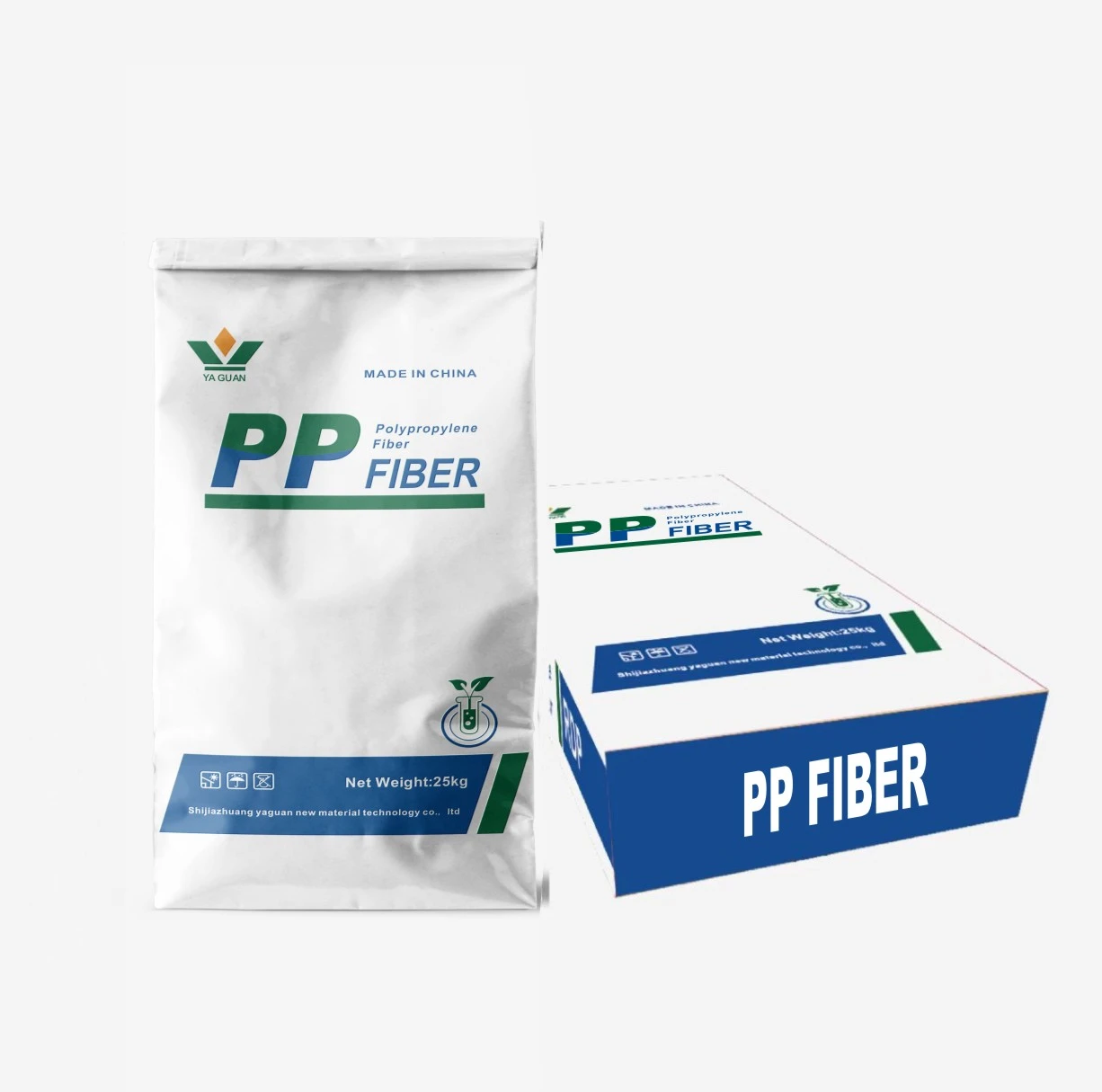
Polypropylene Fiber Material: Why It Matters on a Global Scale
If you’ve ever wondered what keeps certain fabrics resilient in harsh environments or how disaster relief teams manage to deploy light, durable shelters quickly, you’ve likely encountered polypropylene fiber material—quite possibly without even knowing it. In brief, polypropylene fiber is a versatile synthetic fiber derived from the polymer polypropylene, prized across industries for its strength, chemical resistance, and affordability. In an increasingly resource-conscious and fast-paced world, understanding this material offers insights into innovations from infrastructure to humanitarian aid.
Global Relevance: The Industrial and Environmental Stakes
Globally, polypropylene fibers have become a vital component in sectors ranging from construction to healthcare. According to the United Nations Industrial Development Organization, synthetic fibers constitute an ever-growing portion of industrial production, with polypropylene fibers accounting for a significant slice due to their cost efficiency and wide applicability. This isn’t just a fad; it’s a strategic material tackling global challenges such as affordable housing, environmental sustainability, and disaster resilience.
The problem is, with rising demand for fast, scalable yet durable materials that can endure climate stresses, traditional natural fibers or heavier composites often fall short. Polypropylene fiber material presents a promising solution to bridge these gaps—especially critical when global supply chains get strained or when rapid deployment is essential.
What Exactly Is Polypropylene Fiber Material?
Polypropylene fiber material is a man-made fiber produced by melting polypropylene pellets and extruding them into fine filaments. These fibers are then spun into threads or woven into fabrics. They are hydrophobic (resist water absorption), light, and chemically inert, which gives them unique benefits over natural fibers like cotton or wool.
Modern industries depend on these fibers for versatility—whether it’s making geotextiles that reinforce roads, filtration fabrics for clean water, or textiles for hospital gowns and masks. Plus, in humanitarian relief, these fibers often form the backbone of tent fabrics, temporary housing, and tarp materials. The fact they’re relatively easy and inexpensive to manufacture matters for long-term global humanitarian or commercial efforts.
Mini Takeaway:
Polypropylene fibers aren’t just industrial buzzwords—they’re quietly solving problems in industries where durability, cost, and sustainability matter most.
Key Factors Behind Polypropylene Fiber’s Practical Power
1. Durability and Chemical Resistance
These fibers handle exposure to acids, alkalis, and moisture without degrading quickly. For example, geotextiles made from polypropylene fibers stabilize soil effectively, even in hostile environments.
2. Lightweight Nature
Many engineers appreciate how polypropylene fibers weigh less compared to alternatives like polyester or nylon, enabling easier handling and transport — a small feature with big logistics consequences.
3. Cost Efficiency
Because polypropylene is produced from relatively inexpensive raw materials (mainly propylene gas), its fiber version is budget-friendly. This balance of affordability and performance explains why it’s popular everywhere from textile manufacturing to medical disposables.
4. Moisture Resistance and Hydrophobicity
The fibers repel water, so materials made from polypropylene dry quickly and do not promote bacterial growth—an obvious bonus in medical and outdoor applications.
5. Scalability and Customization
The fiber’s manufacturing processes allow tailored modifications — like fiber length, thickness, or surface treatment — tailoring the fiber's properties for specialized uses.
Mini Takeaway:
Polypropylene fiber material blends practical durability with smart economics — an ideal mix when real-world applications demand flexibility without breaking the bank.
Global Applications: From Post-Disaster Aid to Industrial Marvels
In post-disaster relief operations worldwide—from typhoon-hit areas in Southeast Asia to earthquake zones in Latin America—polypropylene fiber fabrics are standard for temporary shelters, ground mats, and protective tarps. Their lightweight, high strength, and water resistance make them suited for quick deployment where every minute counts.
Industrial sectors also leverage polypropylene fibers to enhance concrete reinforcement, acting as a micro-fiber additive to improve crack resistance and durability in infrastructure projects. In fashion and sportswear, the fiber serves as a breathable, sweat-wicking base layer.
In regions where infrastructure investments are limited, such as parts of Africa and South Asia, polypropylene geotextiles support road construction, reducing maintenance costs and boosting longevity.
Interestingly, some NGOs—like the International Federation of Red Cross and Red Crescent Societies—have adopted polypropylene fiber products to reduce waste in their supply chains and improve shelter sustainability.
Mini Takeaway:
Polypropylene fiber materials quietly weave into the fabric of global industry, relief efforts, and everyday life—often where you least expect.
Advantages & Long-Term Value
So, why do so many industries swear by polypropylene fiber? It comes down to:
-
Cost savings: its low price point removes barriers for wide use.
-
Environmental impact: polypropylene fibers require less energy to produce than some alternatives and can be recycled under certain conditions.
-
Reliability: offers consistent performance even after repeated exposure to stressors.
-
Social dignity and safety: especially in emergency housing, where durable textile-based solutions protect people in vulnerable states.
Emotionally, these factors translate to trust—NGOs and manufacturers know they’re leaning on something proven yet evolving.
Product Specification Table
| Property |
Typical Range |
Notes |
| Tensile Strength |
350-700 MPa |
Depends on fiber thickness and processing |
| Density |
0.90 - 0.91 g/cm³ |
One of the lightest synthetic fibers |
| Moisture Regain |
~0.05% |
Practically hydrophobic |
| Melting Point |
160 - 170 °C |
Determines thermal resistance limits |
| Elongation at break |
10% - 25% |
Allows flexibility in applications |
Vendor Comparison: Selecting the Right Polypropylene Fiber Supplier
| Vendor |
Product Range |
Customization Options |
Lead Time |
Sustainability Certifications |
| PolyFib Solutions |
Wide (industrial, medical, textile) |
Yes (fiber length, coating) |
4 weeks |
ISO 14001, Oeko-Tex |
| TexPro Fibers Inc. |
Focused (geotextiles, construction) |
Limited |
3 weeks |
ISO 9001 |
| Global PolyTech |
Industrial and consumer textiles |
Extensive (color, denier, finish) |
6 weeks |
ISO 14001, REACH |
Emerging Trends & Innovations
Oddly enough, the polypropylene fiber field is not just standing still, despite its “old reliable” status. There's a growing push toward greener production methods, with bio-based polypropylene precursors under investigation to reduce fossil fuel dependence. Nanotechnology coatings are being tested to increase UV resistance or add antimicrobial properties, expanding medical or outdoor utility.
Automation in fiber spinning and weaving techniques also promises higher precision and less material waste. Digital traceability—tagging polypropylene fiber batches to verify origin and lifecycle—aligns with growing sustainability demands worldwide.
Challenges and Forward-Thinking Solutions
No material is without flaws. Polypropylene fiber can have poorer dye affinity compared to other synthetics, limiting its aesthetic appeal. It also tends to degrade under prolonged UV exposure without protective additives.
However, manufacturers tackle these issues through surface treatments and blending polypropylene with other fibers to achieve balance. Recycling initiatives are ramping up, too, to deal with synthetic fiber waste—a crucial step given the global focus on circular economies.
FAQ: Your Polypropylene Fiber Questions Answered
- Q: How does polypropylene fiber compare to polyester in durability?
A: Polypropylene generally offers better chemical resistance and lighter weight but falls short in UV stability compared to polyester. Both are durable, but application specifics determine the better choice.
- Q: Can polypropylene fibers be safely used in medical textiles?
A: Absolutely. Their moisture resistance and inert nature make them ideal for disposable gowns, masks, and non-woven fabrics in hygiene-critical environments.
- Q: Are polypropylene fiber products recyclable?
A: Yes, through mechanical recycling processes, polypropylene fibers can be recycled, though separation from other materials is required. Ongoing innovations improve recyclability and reduce waste.
- Q: What factors influence the cost of polypropylene fiber materials?
A: Raw material prices, production scale, fiber modifications, and certification requirements all affect cost. Buying in bulk directly from suppliers typically reduces unit prices.
- Q: Is polypropylene fiber suitable for outdoor applications?
A: Yes, but with caution. Without UV stabilizers, the fibers degrade under sunlight over time. Most outdoor products incorporate UV-resistant additives to extend lifespan.
Wrapping Up: Why Polypropylene Fiber Material Is Worth Your Attention
To sum it up, polypropylene fiber material is not just a high-performance synthetic with broad industrial usage; it represents a strategic lever in solving global challenges: from affordable infrastructure to environmentally friendly production and rapid humanitarian responses. Its balance of cost, reliability, and adaptability makes it a go-to material worldwide. Whether you’re an engineer, procurement officer, or humanitarian aid planner, knowing your polypropylene fibers could unlock smarter solutions.
Interested in exploring more? Take a look at
polypropylene fiber material suppliers and learn about cutting-edge products designed for your needs.
Final Mini Thought:
Sometimes the materials we overlook are the very ones holding our world together—quiet, resilient, and ready to adapt.
References
- Wikipedia: Polypropylene
- United Nations Industrial Development Organization (UNIDO)
- ISO Standards on Fiber Testing