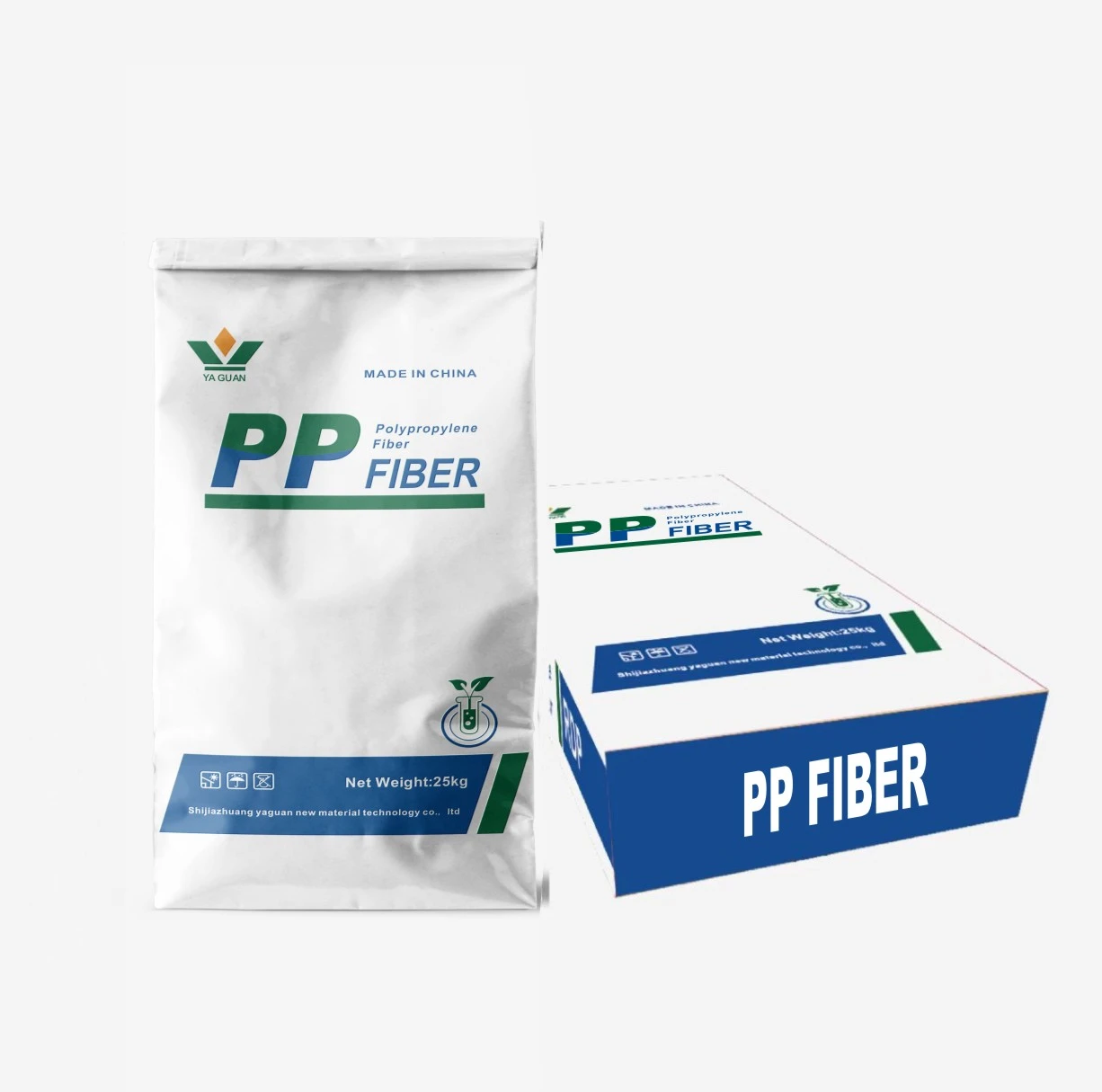

Understanding Polypropylene Concrete: Why It’s Gaining Global Attention
Polypropylene concrete might sound like just another buzzword tossed around in construction circles, but it’s actually a game-changer in the world of modern building materials. In essence, it’s concrete reinforced with fine polypropylene fibers that dramatically alter its behavior under stress and environmental conditions. Why does this matter globally? Well, as urbanization accelerates and climate challenges mount, engineers and humanitarian organizations need construction materials that are not only strong but also sustainable and fast to deploy. Polypropylene concrete meets those needs, tackling problems from cracking to durability with relative ease. Understanding this material means tapping into a future where infrastructure is both resilient and eco-friendly, crucial on a planet facing frequent natural disasters and rising population demands.
Mini takeaway: Polypropylene concrete isn’t just concrete with a fancy ingredient — it’s a smarter, more resilient building block for today’s and tomorrow’s challenges.
Global Context: Why Polypropylene Concrete is More Relevant Than Ever
The global construction industry is enormous—accounting for 13% of world GDP and employing millions—yet it faces mounting concerns about sustainability, cost, and resilience, especially in developing regions and disaster-prone areas. According to the United Nations Climate Reports, infrastructure failure due to extreme weather events is on the rise, costing billions annually and displacing millions.
Polypropylene concrete offers a practical response to these issues. By integrating polymer fibers into conventional concrete mixes, it reduces brittleness, prevents shrinkage cracks, and extends the lifespan of structures—especially relevant for roads, housing, and flood defenses. The ISO 14001 environmental standards and sustainability goals are increasingly pushing manufacturers and builders to adopt greener alternatives; polypropylene concrete, which can incorporate recycled fibers, aligns well with these global trends.
Mini takeaway: As climate impacts grow, polypropylene concrete’s durability and eco-friendliness position it as a key player in sustainable construction worldwide.
What Exactly Is Polypropylene Concrete?
At its core, polypropylene concrete is just concrete mixed with tiny polypropylene fibers. These fibers, usually micro to macro sized, disperse evenly throughout the mix to reinforce the material internally. Instead of solely relying on steel rebar, the polypropylene fibers help control cracking caused by shrinkage and improve impact resistance.
This innovation stems from a broader movement to upgrade building materials for faster setup, better longevity, and lower maintenance costs. In humanitarian terms, communities in remote or disaster-stricken regions benefit because polypropylene concrete structures can be quicker to build and less vulnerable to environmental wear.
The Key Factors That Define Polypropylene Concrete
1. Durability and Crack Resistance
The most renowned benefit is its resistance to cracking. Polypropylene fibers act like a mesh embedded inside the concrete, holding together micro-cracks before they evolve into full fractures. This makes roads and slabs last longer under dynamic loads.
2. Cost Efficiency Over Time
At first glance, polypropylene concrete may cost slightly more due to fiber additives. However, many engineers argue that the reduced need for repairs and longer service life drastically cuts lifecycle costs. It’s the classic upfront investment versus future savings scenario.
3. Environmental Impact & Sustainability
In an era obsessed with carbon footprints, polypropylene fibers—some sourced from recycled plastics—help lower the concrete’s overall environmental impact. Plus, better durability means less frequent demolitions and rebuilds, preserving raw materials.
4. Versatility in Application
Polypropylene concrete can be tailored for different uses — from thin industrial floors needing wear resistance to flood barrier walls requiring impact toughness. It’s kind of a one-size-fits-many solution.
5. Scalability and Ease of Use
Since the fibers mix seamlessly with conventional concrete, the adoption process needs little retraining for crews, speeding up integration in standard construction workflows.
Mini takeaway: Polypropylene concrete is not just stronger, it’s smarter — built to last longer, save money, and respect the environment.
Global Applications and Real-World Use Cases
The application scope is vast. For example, in earthquake-prone Japan, polypropylene concrete improves the seismic resistance of residential blocks. In the U.S., many highway projects incorporate it to handle wear and tear from heavy traffic and freeze-thaw cycles. Meanwhile, disaster relief groups use prefabricated panels with polypropylene fibers for rapid rebuilding in regions like Southeast Asia.
Industrial zones in Europe benefit too; polypropylene concrete handles chemical exposure better than conventional mixes, extending the lifespan of factory floors. Oddly enough, some architects are now proposing its use in eco-conscious urban parks because it blends sustainability with aesthetic flexibility.
| Specification | Typical Value | Remarks |
|---|---|---|
| Fiber Length | 12-19 mm | Depends on application |
| Fiber Dosage | 0.9-1.2 kg/m³ | Optimal for crack control |
| Compressive Strength | 40-50 MPa | Values vary with mix design |
| Flexural Strength | 5-7 MPa | Enhanced by polypropylene fibers |
| Thermal Resistance | Up to 150°C | Suitable for industrial floors |
Advantages & Lasting Value of Using Polypropylene Concrete
- Cost savings—the upfront material cost is offset by fewer repairs and longer service life.
- Sustainability—incorporates recycled polymers; reduces waste from cracked concrete removal.
- Safety & Reliability—lowers risk of structural failures thanks to improved toughness.
- Social impact—quicker rebuilds in disaster-hit zones restore dignity and community cohesion.
- Innovation edge—helps engineers push boundaries of design without sacrificing durability.
There’s an emotional side too—knowing the infrastructure you rely on won’t unexpectedly fail builds trust in communities and industries alike. It’s hard to put a price on peace of mind, but polypropylene concrete brings it to the table.
Future Trends & Innovations To Watch
Looking ahead, the fusion of polypropylene concrete with digital construction techniques like 3D printing promises exciting breakthroughs. Imagine polypropylene concrete being extruded layer by layer to create complex, lightweight structures precisely tuned for strength and thermal performance.
On the green front, researchers are tweaking polymer mixes to boost biodegradability or use bio-based polypropylene alternatives. The integration of sensors inside fibers for real-time monitoring of integrity is another frontier, aligning with “smart” infrastructure concepts.
Challenges & How Industry Is Responding
Of course, there are hurdles. Polypropylene fibers can clump if not properly mixed, risking uneven strength. Some contractors remain wary of changing tried-and-true concrete formulas. And not every region has easy access to quality polypropylene fibers at affordable prices.
Innovations in automated mixing and better quality control, alongside outreach programs demonstrating long-term cost benefits, help overcome these obstacles. The rising demand for sustainable construction materials also pushes suppliers to expand accessibility.
FAQ: Frequently Asked Questions About Polypropylene Concrete
Q1: How does polypropylene concrete differ from fiber-reinforced concrete?
A1: Basically, fiber-reinforced concrete uses various fiber types like steel, glass, or synthetic fibers. Polypropylene concrete specifically uses polypropylene fibers that excel at controlling plastic shrinkage cracks and improving impact resistance. It tends to be lighter and less prone to corrosion than steel fiber mixes.
Q2: Is polypropylene concrete suitable for outdoor infrastructure?
A2: Absolutely. Its resistance to cracking and chemical agents makes it a great choice for roads, bridges, and flood defenses exposed to harsh weather and traffic loads.
Q3: Can polypropylene concrete be recycled?
A3: While concrete recycling generally is possible, polypropylene fibers complicate the process slightly but don’t prevent it. Innovations in fiber recovery and reuse are underway, aiming to increase circularity.
Q4: Does incorporating polypropylene fibers affect the curing time?
A4: Typically, the curing time remain similar, although some mixes can slightly shorten drying due to improved microstructure. It doesn't generally require special curing methods.
Wrapping Up: Why Polypropylene Concrete is a Smart Investment for the Future
When you look at the evolving demands on infrastructure worldwide, polypropylene concrete offers a surprisingly simple but effective way to make structures last longer, cost less over time, and tread more lightly on the environment. It’s no overstatement to say it’s quietly reshaping how builders and engineers approach construction worldwide.
Interested in learning more or sourcing quality polypropylene concrete products? Visit our website at https://www.yaguanhpmc.com for detailed information and expert support.
Final takeaway: Sustainability, durability, cost-efficiency — that’s polypropylene concrete in a nutshell. It’s innovation you can literally build on.
| Vendor | Quality Certification | Pricing (USD/kg) | Global Shipping | Custom Mix Options |
|---|---|---|---|---|
| Yaguan HPMC | ISO 9001, ISO 14001 | 0.85 - 1.10 | Yes, worldwide | Yes |
| FiberMix Co. | ISO 9001 | 0.95 - 1.30 | Regional only | Limited |
| PolyFiber Supplies | ISO 14001 | 0.80 - 1.00 | Worldwide | Yes |