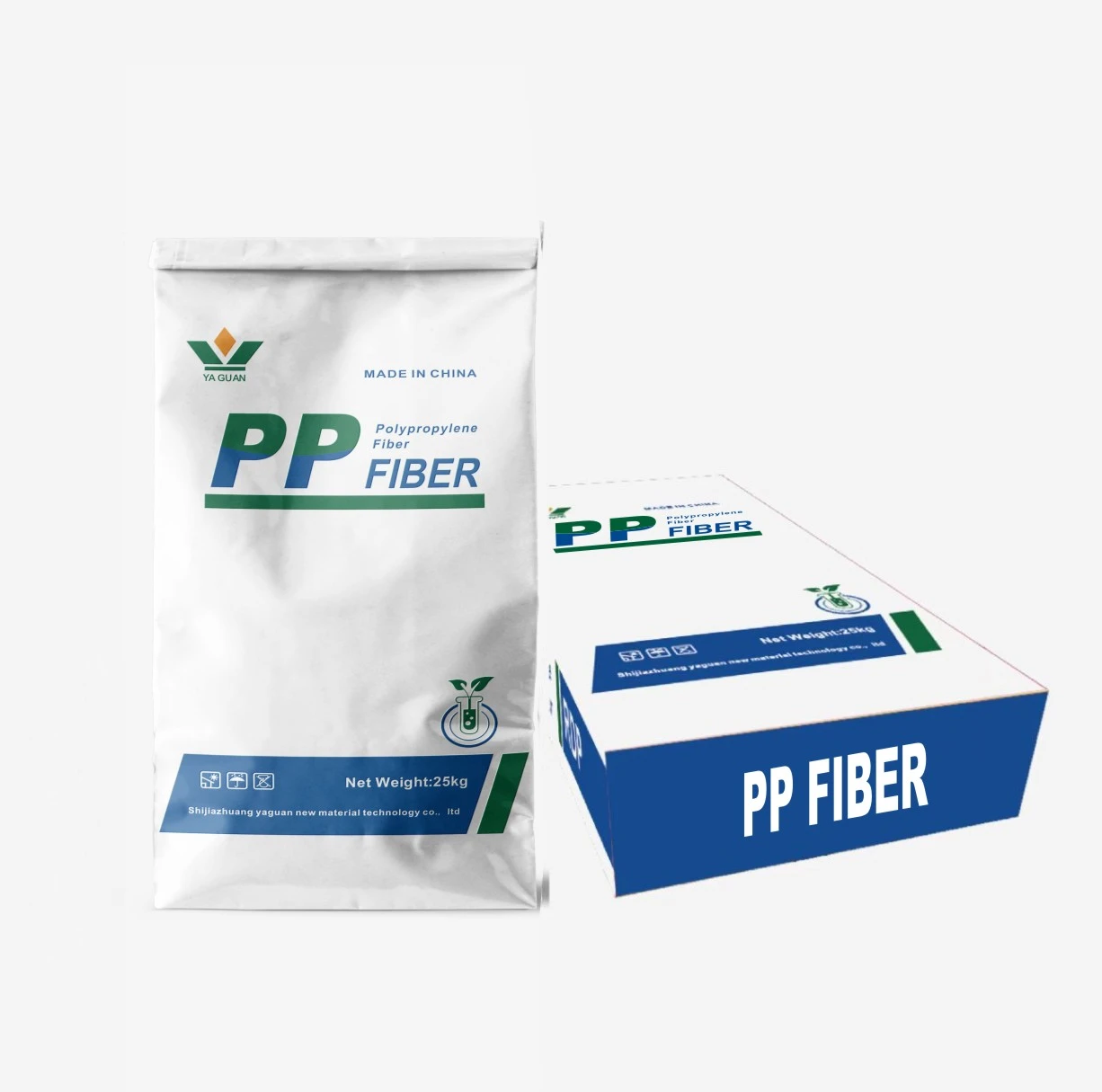

Understanding Poly Fiber Reinforced Concrete: The Future of Durable Construction
Poly fiber reinforced concrete (PFRC) is a rising star in the realm of construction materials, fundamentally changing how structures endure time and stress. Given the ever-growing demands on infrastructure worldwide, from urban high-rises to remote roadways, understanding PFRC becomes not just important but essential. Worldwide, aging infrastructure, climate challenges, and economic constraints push engineers and builders to innovate—and PFRC answers many of these calls efficiently and sustainably.
Quick takeaway: Poly fiber reinforced concrete enhances durability and crack resistance, making it a go-to solution for long-lasting, cost-effective construction projects globally.
The Global Context: Why Poly Fiber Reinforced Concrete Matters
Infrastructure investment worldwide is slated to reach trillions of dollars within the next decade, according to the World Bank. Yet, a substantial portion of roads, bridges, and buildings suffer from premature deterioration, often leading to massive repair costs and safety risks. The question becomes: how do we build infrastructure smarter and tougher?
This is where poly fiber reinforced concrete enters the picture. According to the International Standards Organization (ISO) and research published globally, incorporating synthetic fibers into concrete mixes significantly enhances tensile strength and crack control. It’s especially relevant in regions facing seismic activity, heavy traffic, or extreme weather patterns, where conventional concrete often fails prematurely. Imagine rebuilding coastal highways that withstand saltwater corrosion or airport runways that resist repeated heavy loads—PFRC is leading that charge.
In simple terms: Global urbanization demands not just faster but smarter concrete solutions. PFRC offers a way forward.
What Exactly Is Poly Fiber Reinforced Concrete?
At its core, poly fiber reinforced concrete is concrete enhanced with synthetic polymer fibers—most commonly polypropylene—that distribute throughout the mixture. These fibers act like tiny steel reinforcements, improving tensile strength and mitigating cracks caused by shrinkage, thermal expansion, or external stress.
The result? A material that is not only more flexible but also more durable under varying loads and conditions. Unlike traditional rebar which provides large-scale reinforcement, poly fibers work microscopically and uniformly across the entire slab or structure. This feature aligns perfectly with the needs of the modern industrial world, including rapid construction, longevity, and reduced maintenance.
Interestingly, humanitarian aid organizations are exploring PFRC for disaster-resilient shelters and infrastructure, thanks to its quick application and robustness.
Core Components and Factors That Make PFRC Effective
1. Durability
The polymer fibers reduce micro-cracking and prevent crack propagation, which is a major cause of structural deterioration. This means longer service life and reduced maintenance.
2. Scalability and Workability
PFRC can be adapted to a variety of concrete mixes without major modifications in the construction process. That’s a big plus when scaling projects across different climates or building codes.
3. Cost Efficiency
While the upfront cost of fibers might increase material expenses slightly, the long-term cost savings with reduced repair and labor make PFRC economically attractive.
4. Environmental Impact
Using PFRC often reduces the quantity of cement needed by enhancing strength, which can lower CO2 emissions — a small but meaningful step toward greener construction.
5. Resistance to Harsh Conditions
From freeze-thaw cycles to chemical exposure, PFRC has shown better resilience than traditional concrete in many industrial and coastal applications.
Mini takeaway: These factors together make PFRC a practical, future-facing choice for engineers and contractors alike.
Real-World Applications of Poly Fiber Reinforced Concrete
PFRC’s versatility shines through a variety of sectors and regions. For instance:
- Post-disaster construction: Agencies rebuild roads and shelters quickly with PFRC in earthquake-prone areas, like California and Japan, thanks to its shock absorption and crack resistance.
- Industrial flooring: Factories and warehouses worldwide rely on PFRC slabs that resist heavy machinery loads and abrasion.
- Coastal infrastructure: Saltwater corrosion is a huge problem; PFRC extends the lifespan of pier decks and seawalls in places like the Netherlands and Southeast Asia.
- Remote zones: In mining or oil fields where maintenance is costly and logistics complicated, PFRC’s durability significantly lowers downtime.
It’s no coincidence that major engineering projects increasingly specify poly fiber reinforced concrete, not just in developed economies but in emerging markets eager to future-proof infrastructure.
Advantages and the Long-Term Value of Choosing PFRC
On the surface, you get longer-lasting concrete that resists cracking. But dig a little deeper, and PFRC offers benefits that touch social and economic dimensions, too.
- Cost savings: The reduced need for repairs means governments and companies keep more funds for innovations or expansions.
- Sustainability: Less frequent reconstruction results in lower resource consumption and waste generation.
- Safety and trust: A structure with PFRC components performs better under stress—meaning higher public confidence in roads, bridges, and buildings.
- Innovation: PFRC opens opportunities for creative architectural designs without compromising structural integrity.
Frankly, I find that it’s not just about the numbers, but the peace of mind communities gain from knowing their environment is built to last.
Looking Ahead: Trends and Innovations in PFRC
The industry isn’t standing still. Exciting developments include:
- Green fiber composites: Research explores biodegradable polymer fibers combining eco-friendliness with performance.
- Automated mixing and placement: Digital tools are helping optimize PFRC uniformity and minimize human error on site.
- Regulatory shifts: Many countries update their standards incorporating fiber-reinforced concretes for highways and tunnels, driving adoption.
- Hybrid reinforcement: Combining poly fibers with nano-material additives or traditional rebar for multi-scale strength.
Essentially, the combination of technology and material science promises even better concrete for the future—some call it “smart concrete” — which probably isn’t far off.
Challenges and Solutions in Implementing PFRC
It’s not all smooth sailing. Some important challenges include:
- Mix design complexity: Getting the right fiber dosage and distribution requires experience — too little fiber, and benefits drop off; too much, and workability suffers.
- Cost perceptions: Initial fiber costs can deter budget-conscious projects; educating stakeholders is key.
- Standardization: While growing, some regions still lack clear codes defining PFRC use, holding back widespread adoption.
Industry experts recommend thorough lab testing and pilot projects to tune mixes ahead of full-scale use. Plus, vendors increasingly support builders with training and quality assurance, which definitely helps.
Product Specification Table: Typical Poly Fiber Reinforced Concrete Mix
| Parameter | Value | Notes |
|---|---|---|
| Fiber Type | Polypropylene | Most common synthetic fiber |
| Fiber Length | 12–19 mm | Optimal for crack control |
| Fiber Dosage | 0.9–1.2 kg/m³ | Depends on structural needs |
| Compressive Strength | 40–50 MPa | Typical grade |
| Slump | 100–150 mm | Workability range |
Vendor Comparison: Key Suppliers of Poly Fiber Reinforced Concrete Additives
| Supplier | Fiber Options | Pricing | Support & Training | Global Reach |
|---|---|---|---|---|
| FiberTech Industries | Polypropylene, Nylon fibers | Mid-tier | Extensive on-site training | Yes – 30+ countries |
| SynthoFiber Corp. | Polypropylene, Hybrid fibers | Premium | Online and field support | Global |
| ReinforceMix Ltd. | Polypropylene only | Budget-friendly | Limited (consultants) | Regional (Europe) |
Frequently Asked Questions About Poly Fiber Reinforced Concrete
Q1: How much does adding polymer fibers increase the cost of concrete?
The fiber additives typically increase material costs by 5-10%. However, because PFRC reduces cracking and long-term maintenance, many engineers find it cost-effective over the structure’s lifecycle.
Q2: Can poly fiber reinforced concrete be used in cold climates?
Absolutely. PFRC is known for improved resistance to freeze-thaw cycles due to its enhanced microcrack control, which prevents water ingress and damage during freezing.
Q3: How quickly can PFRC be deployed on large construction projects?
PFRC uses standard concrete mixing and pouring methods with minimal modifications. Deployment speed is generally comparable to traditional concrete, with added benefits of reduced curing-related cracking.
Q4: Is PFRC environmentally friendly compared to traditional concrete?
While cement production still drives CO2 emissions, PFRC allows for the use of less cement by boosting strength. Plus, reduced repair needs lead to less waste and resource use over time, making it a greener option.
Q5: Are there international standards for specifying PFRC?
Yes, standards such as ASTM C1116 and European EN 14889 provide guidelines on fiber reinforced concrete, including poly fiber types and performance criteria. These help engineers ensure quality and compliance.
Conclusion: Building the Future with Poly Fiber Reinforced Concrete
In the grand scheme, poly fiber reinforced concrete emerges as a smart, durable, and adaptable solution for many modern construction challenges. It’s not just a technical upgrade but a quiet revolution in how we think about concrete’s lifespan, sustainability, and social impact. Whether you’re planning major infrastructure or specialized industrial floors, PFRC offers peace of mind and tangible savings over years.
Curious to explore how poly fiber reinforced concrete can transform your projects? Visit our website today to discover product options, data sheets, and expert support tailored for your needs.